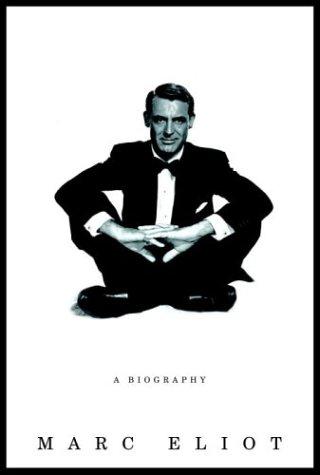
Biography
Cary Grant: A Biography
by Marc Eliot · 2004
The most widely-cited full-life biography in English. Even-handed on the difficult chapters.
A short, deliberately-curated shelf. Every essay we publish traces back to at least one of these sources.
The most widely-cited full-life biography in English. Even-handed on the difficult chapters.
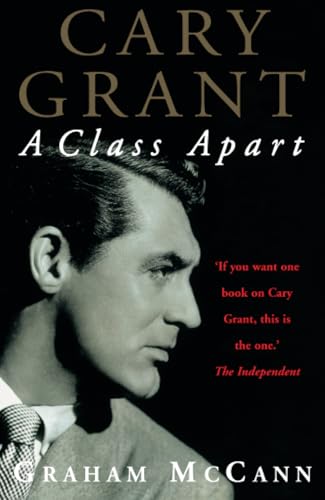
A cultural reading of the persona and its construction. Better on the films than on the private life.
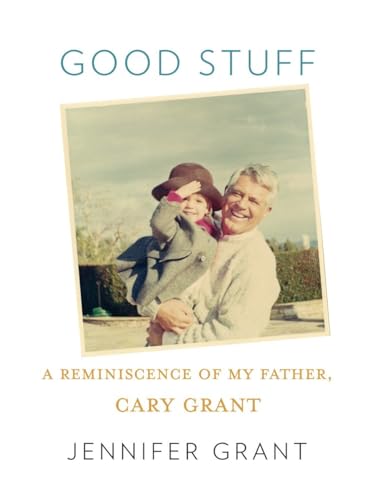
His only child's memoir. A rare, close-quarters portrait of the man in retirement.
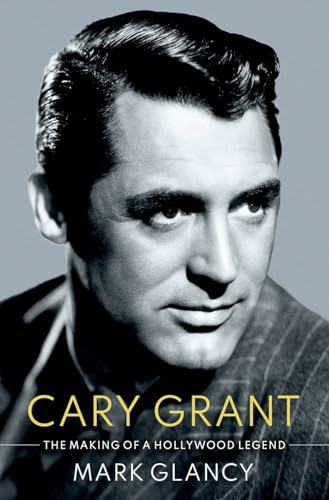
The definitive scholarly account, drawing on the actor's own papers and studio archives.
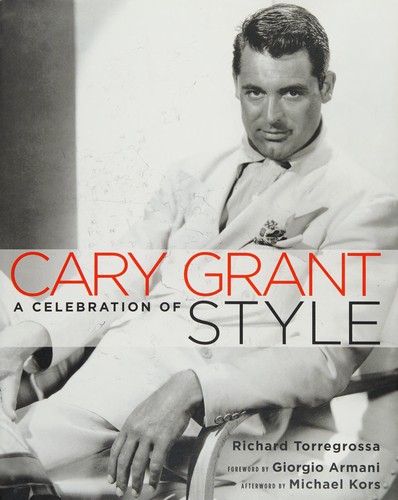
The reference volume for the wardrobe, on-screen and off. Extensively illustrated.
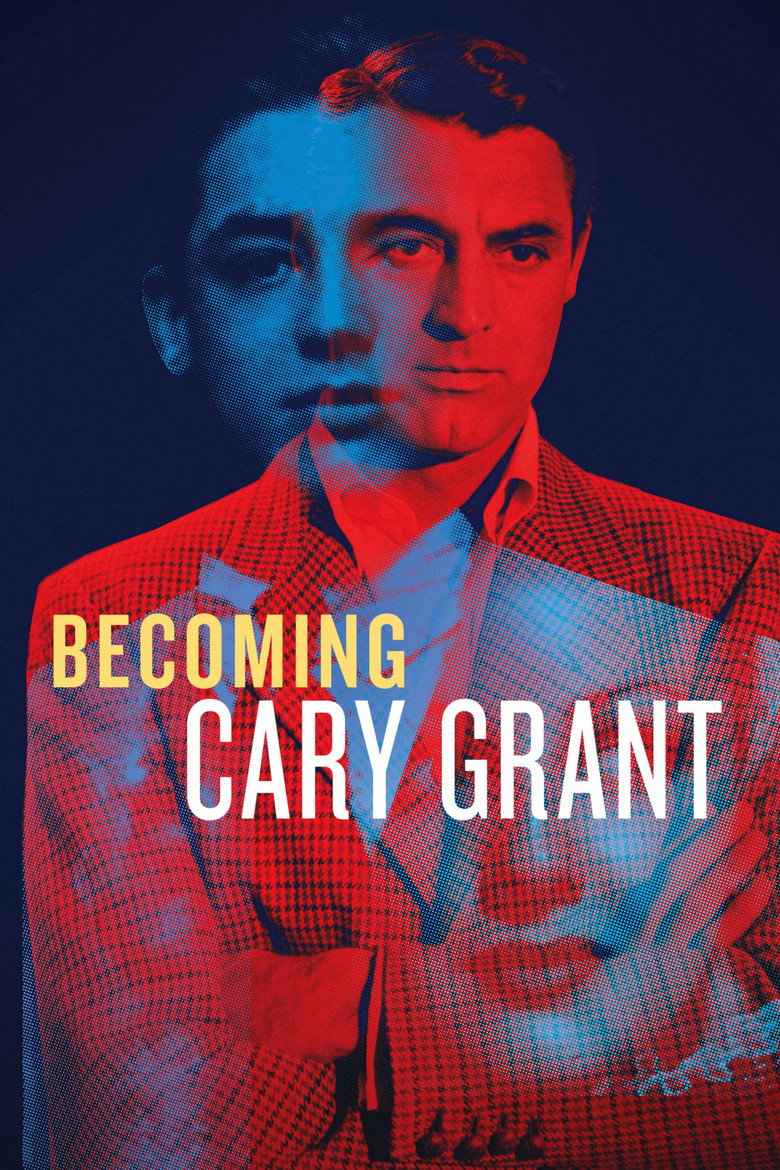
Documentary film assembled from Grant's own unpublished autobiographical writings.
The book that first put Grant's use of LSD and his romantic attachments to men into wide circulation. It is also the single most contested title on this shelf: Higham and Moseley relied heavily on unnamed sources and anecdote, and several claims — including assertions about a relationship with Randolph Scott — have never been corroborated and are disputed by biographers with archival access, including Glancy. Read it for the questions it raises, not as a settled record.
An early psychological biography, written while Grant was still alive, that leans hard on the theory of a childhood wound never healed — his mother's institutionalisation and the lie he was told about her death. Well-paced and readable, but Wansell had no access to Grant or his circle, so its interior claims are inference dressed as narrative.
An oral history built from Grant's own speeches and interviews interleaved with testimony from colleagues, friends and his fifth wife, Barbara. Nelson knew Grant personally, which gives the book warmth and access other volumes lack, though the arrangement is closer to a scrapbook than an argument — useful for primary material, thin on analysis.
A brisk, competently sourced biography from a veteran Hollywood chronicler, written the year after Grant's death. It covers the marriages and the studio years efficiently but breaks little new ground beyond what Higham and Moseley had already put into print, and its citations are sparser than the later scholarly biographies.
His fourth wife's memoir of their courtship, marriage and acrimonious divorce, including her custody testimony about his use of LSD. Intimate and specific in ways no biographer could match, but written decades after the events by a party with an obvious stake in how that marriage is remembered — corroborate the emotional claims elsewhere where possible.
A major biography from one of the most reliable working film historians, published the same year as Glancy's and drawing on a comparable range of archival material. Especially strong on the mechanics of stardom and the studio negotiations that gave Grant unusual control over his career; the psychological reading of his childhood is more cautious than Wansell's or Higham's.
Part of the Citadel "Films of" series: a film-by-film reference with cast and crew credits, contemporary reviews, and stills for every picture up to the early 1970s. Dated in its prose and necessarily silent on his final years, but still a useful checklist for anyone trying to track down a specific title or its critical reception on release.
Faber's published edition of Lehman's original screenplay, written expressly for Grant and shaped around the persona he had spent two decades building. Reading it alongside the finished film shows how much of Hitchcock's and Grant's contribution was in the playing rather than the page — the wit is on paper, but the ease is not.
Kael's 1975 New Yorker profile-essay, collected here, remains the most quoted piece of writing on what made Grant's screen persona work — she is superb on the mechanics of his light comic touch and his singular sexual ambiguity. It is a critic's essay, not a researched biography, and its confident psychological asides about his private life should be read as opinion, however persuasive.
An academic study of screen performance technique that devotes close analysis to Grant's physical comedy, timing and gesture, treating him as a case study in film acting rather than a subject of biography. Demanding reading for a general audience, but nothing else on this shelf explains as precisely how the performances themselves were built.
An earlier British biography, written with Grant alive but uninvolved, that focuses more on the films and stage career than on the marriages. Solid on the vaudeville and Broadway years before Hollywood, though superseded on the archival record by Glancy and Eyman; worth reading for its account of the Bristol and Pender troupe years.
An American Masters documentary for PBS and TCM, built from interviews with colleagues and friends including Eva Marie Saint. Affectionate rather than probing, it is best used as a visual companion to the written biographies rather than a source of new fact — distinct from the Kidel documentary already in this library, which draws on Grant's own unpublished writing.