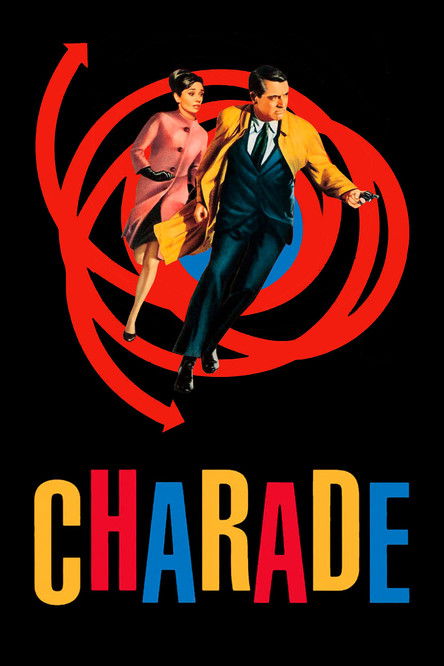
Charade
Cary Grant and Audrey Hepburn create one of cinema's most elegant romantic mysteries—a thrilling game of deception, danger, and unexpected love.
Editorial ratings
- Cary Grant
- Story
- Direction
- Cinematography
- Entertainment
- Historical importance
After Regina Lampert falls for the dashing Peter Joshua on a skiing holiday in the French Alps, she discovers upon her return to Paris that her husband has been murdered. Soon, she and Peter are giving chase to three of her late husband's World War II cronies, Tex, Scobie and Gideon, who are after a quarter of a million dollars the quartet stole while behind enemy lines.
Cary Grant plays Peter Joshua, under the direction of Stanley Donen, released in 1963.
Introduction
Released in 1963, Charade allowed Cary Grant to revisit his legendary sophistication while adding mystery, vulnerability, and uncertainty.
The Story
Regina Lampert discovers her murdered husband's secrets and becomes caught between dangerous criminals and the mysterious Peter Joshua.
Production & Behind the Scenes
Directed by Stanley Donen and filmed in Paris, Charade blended suspense, romance, and comedy with a stylish international atmosphere.
Cary Grant's Performance
Grant transforms his famous charm into a source of mystery. Peter Joshua contains all the qualities audiences love about Cary Grant while keeping them uncertain about whether he can be trusted.
Direction & Themes
Stanley Donen explores identity, trust, reinvention, and the difficulty of knowing another person.
Historical Context
Released during a changing era in Hollywood, Charade bridged classic studio elegance with modern filmmaking styles.
Legacy & Influence
The film remains an enduring classic because of its stars, style, Paris setting, and unique combination of mystery, comedy, and romance.
Gallery
Production & release
1930s
Grant establishes himself as a Hollywood romantic-comedy star.
1940s
Grant expands his range through drama, comedy, and suspense.
1950s
Grant reaches another career peak with To Catch a Thief and An Affair to Remember.
1963
Charade released, pairing Grant with Audrey Hepburn.
Collaborators.
Stanley Donen was born in Columbia, South Carolina, in 1924 and co-directed Singin' in the Rain (1952) with Gene Kelly at the age of twenty-seven, a film now widely regarded as the finest example of the Hollywood musical. He spent much of the rest of his career demonstrating that his gifts extended well beyond the musical form, moving into stylish, cosmopolitan comedies and thrillers through the 1950s and 1960s. Donen directed Grant in four films, more than any director besides Alfred Hitchcock: the naval comedy Kiss Them for Me (1957); Indiscreet (1958), opposite Ingrid Bergman; The Grass Is Greener (1960), opposite Deborah Kerr; and Charade (1963), opposite Audrey Hepburn. Charade, made when Grant was fifty-nine, is often cited as the finest performance of his late career; Donen and screenwriter Peter Stone built the film explicitly around Grant's own reluctance to play a conventional romance with a much younger co-star, writing his discomfort with the age gap directly into the dialogue rather than concealing it. Donen's other landmark work includes On the Town (1949), also co-directed with Kelly, Funny Face (1957) with Audrey Hepburn and Fred Astaire, and Two for the Road (1967), a nonlinear marriage drama that marked a further departure from musical comedy into something cooler and more melancholic. He received an Honorary Academy Award in 1998, having never won a competitive Oscar for directing, and died in New York in 2019. Charade remains so tonally close to a Hitchcock thriller that it is routinely described as the best film Hitchcock never made.
Audrey Hepburn was born in Brussels in 1929 to a Dutch baroness and an English businessman, and spent much of the Second World War in Nazi-occupied Arnhem, where malnutrition left lasting effects on her health. She trained as a ballet dancer in London after the war before an accidental screen test led to a small role in a French film and, soon after, to Roman Holiday (1953), which made her a star overnight and won her the Academy Award for Best Actress in her first major American role. Through the 1950s and early 1960s she defined a new kind of screen femininity — gamine, elegant, watchful — in Sabrina (1954), Funny Face (1957), Breakfast at Tiffany's (1961) and My Fair Lady (1964), often dressed by Givenchy, whose designs she helped make internationally fashionable. She worked with many of the era's most significant directors and was nominated for the Academy Award five times. In the last decades of her life she largely stepped back from acting to work as a goodwill ambassador for UNICEF, travelling to some of the world's most devastated regions — Ethiopia, Sudan, Somalia — and using her celebrity deliberately and effectively on behalf of children affected by famine and war. For this work she was posthumously awarded the Presidential Medal of Freedom. Hepburn died in Switzerland in 1993. She remains one of the small number of performers honoured with Academy, Emmy, Grammy and Tony awards, and her humanitarian work in her final years is now regarded as inseparable from her legacy as an actress.
Walter Matthau was born Walter Matuschanskayasky in New York City in 1920 and spent roughly two decades as a working stage and character actor before becoming, in middle age, an unlikely leading man of considerable range, equally at home in broad comedy and hard-edged drama. He played Alexander Dyle, alias Hamilton Bartholomew, in Stanley Donen's Charade (1963) opposite Grant and Audrey Hepburn, a supporting role built around a late plot reversal in which his ostensibly helpful CIA contact is revealed to be one of the film's several duplicitous figures pursuing a fortune in stolen gold. The performance is a compact demonstration of the deadpan control that would define his later comic work. Matthau's major breakthroughs came shortly afterward: The Fortune Cookie (1966), his first pairing with Jack Lemmon under director Billy Wilder, brought him the Academy Award for Best Supporting Actor in 1967 and began a screen partnership with Lemmon that continued for decades. He followed it with The Odd Couple (1968), playing the slovenly Oscar Madison opposite Lemmon's fastidious Felix Unger, and later The Sunshine Boys (1975), for which he received a further Academy Award nomination. Matthau continued working steadily into the 1990s, reuniting with Lemmon repeatedly, including in Grumpy Old Men (1993). He died in Santa Monica, California, in 2000. His single film with Grant, Charade, sits early in the run of performances that made his reputation as one of the era's most durable character-turned-leading actors.
Peter Stone was born in Los Angeles in 1930, the son of film producer John Stone, and became one of the few writers to move fluently between Broadway, television and Hollywood screenwriting at the highest level. He remains the only writer in history to win a competitive Academy Award, a Tony Award and an Emmy Award. Stone wrote two of the sharpest vehicles of Grant's final screen decade. Charade (1963), directed by Stanley Donen, gave Grant a role built around his age rather than around it — a man aware that he is nearly two decades older than Audrey Hepburn's character and openly uneasy about it, a joke Stone wrote directly into the dialogue. Father Goose (1964) went further, casting Grant as a scruffy, drunken South Pacific island-watcher rather than a polished leading man, and it won Stone the Academy Award for Best Original Screenplay (shared story credit with Frank Tarloff and S. H. Barnett). Grant himself called it one of his favorite performances precisely because it broke from the tailored image Stone knew audiences expected of him. Beyond his work with Grant, Stone wrote the book for the Broadway musical 1776 (1969), which won the Tony Award, and later the screenplay for The Taking of Pelham One Two Three (1974), a tense New York subway-hijack thriller far removed in tone from his comedies. His versatility across genres and media was unusual even by the standards of prolific studio-era writers. Stone died in Los Angeles in 2003. His two Grant scripts are still regularly cited as giving the actor his best and most self-aware late material.
Cast.
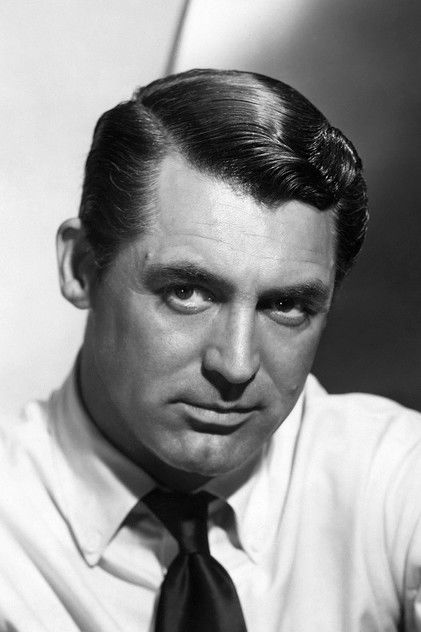
Cary Grant as Peter Joshua
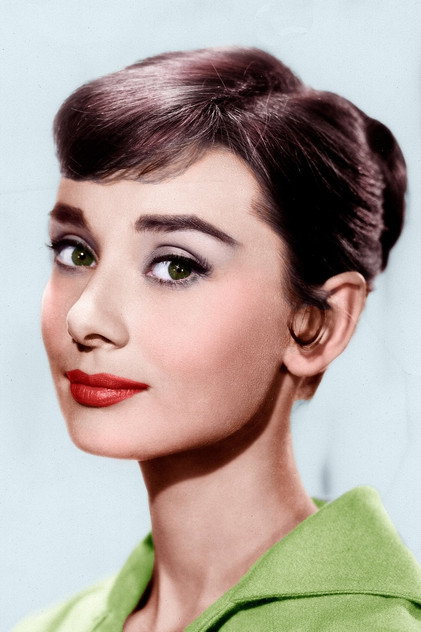
Audrey Hepburn as Regina Lampert
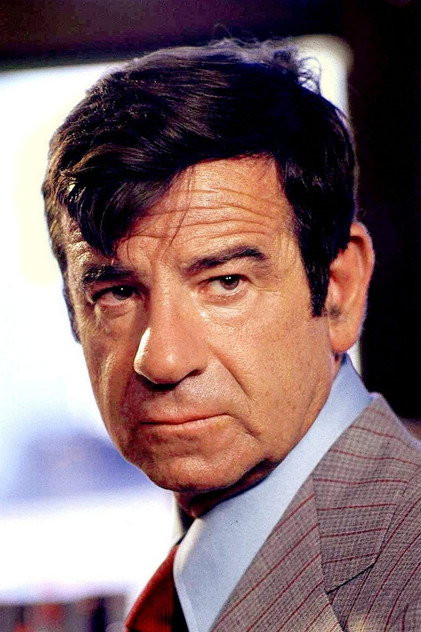
Walter Matthau as Hamilton Bartholemew
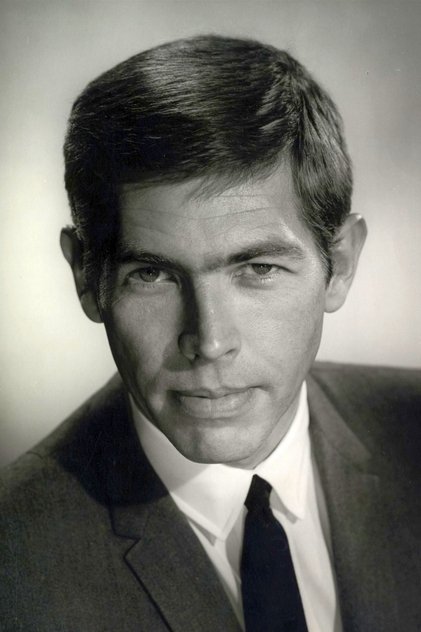
James Coburn as Tex Panthollow
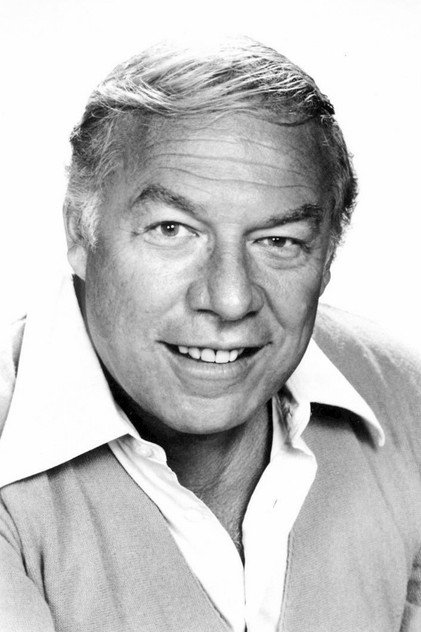
George Kennedy as Herman Scobie
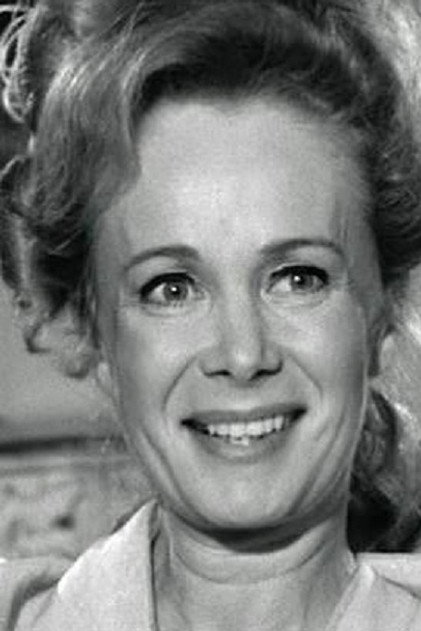
Dominique Minot as Sylvie Gaudel
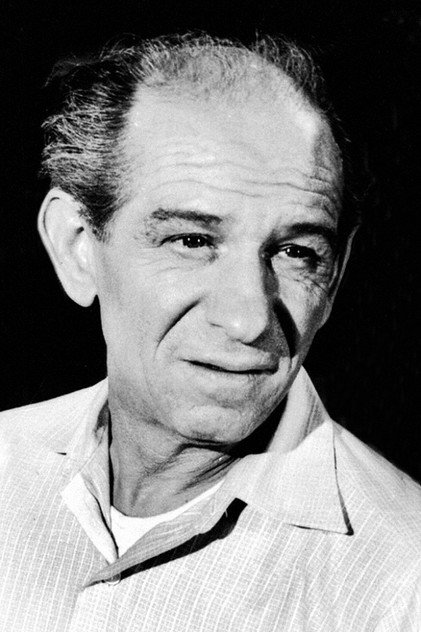
Ned Glass as Leopold Gideon
Full billed cast of Charade (1963).
Players in billing order, with the characters they play.
- Cary Grantas Peter Joshua
- Audrey Hepburnas Regina Lampert
- Walter Matthauas Hamilton Bartholemew
- James Coburnas Tex Panthollow
- George Kennedyas Herman Scobie
- Dominique Minotas Sylvie Gaudel
- Ned Glassas Leopold Gideon
- Jacques Marinas Edouard Grandpierre
- Paul Bonifasas Mr. Felix
- Thomas Chelimskyas Jean-Louis Gaudel
- Marc Arianas Subway Passenger (uncredited)
- Claudine Bergas Maid (uncredited)
- Marcel Bernieras Taxi Driver (uncredited)
- Albert Daumergueas Man in Stamp Market (uncredited)
- Raoul Delfosseas Taxi Driver (uncredited)
- Stanley Donenas Man in Elevator (voice) (uncredited)
- Jean Goldas Writer On Cafe Terrace (uncredited)
- Chantal Goyaas (uncredited)
- Clément Hararias German Tourist (uncredited)
- Monte Landisas Master of Ceremonies at Club (uncredited)
- Bernard Mussonas Hotel Receptionnist (uncredited)
- Antonio Passaliaas Italian Representative at URESCO (uncredited)
- Jacques Préboistas Ice Cream Salesman (uncredited)
- Peter Stoneas Man in Elevator / Marine (voice) (uncredited)
- Michel Thomassas Embassy Driver (uncredited)
- Roger Trappas Mortuary Employee (uncredited)
- Louis Viretas Hallmark Employee On Subway (uncredited)
Crew.
- Art DirectionJean d'Eaubonne
- Costume DesignHubert de Givenchy
- DirectorStanley Donen
- Director of PhotographyCharles Lang
- EditorJim Clark
- Original Music ComposerHenry Mancini
- ProducerStanley Donen
- ScreenplayPeter Stone
- StoryPeter Stone
- StoryMarc Behm
A quiet dispatch,
once a month.
One considered essay in your inbox each month. No promotions, no algorithms, no forwarding. Unsubscribe with a single click.
Other studies.
Cary Grant and Deborah Kerr headline an elegant romantic comedy exploring whether the perfect partner exists—or whether perfection itself is an illusion.
A thoughtful wartime satire blending romance, comedy, and commentary on celebrity culture.
One of Cary Grant's smartest and most rewarding performances — a brilliant blend of romance, comedy, mystery, and social commentary.