Dream Wife
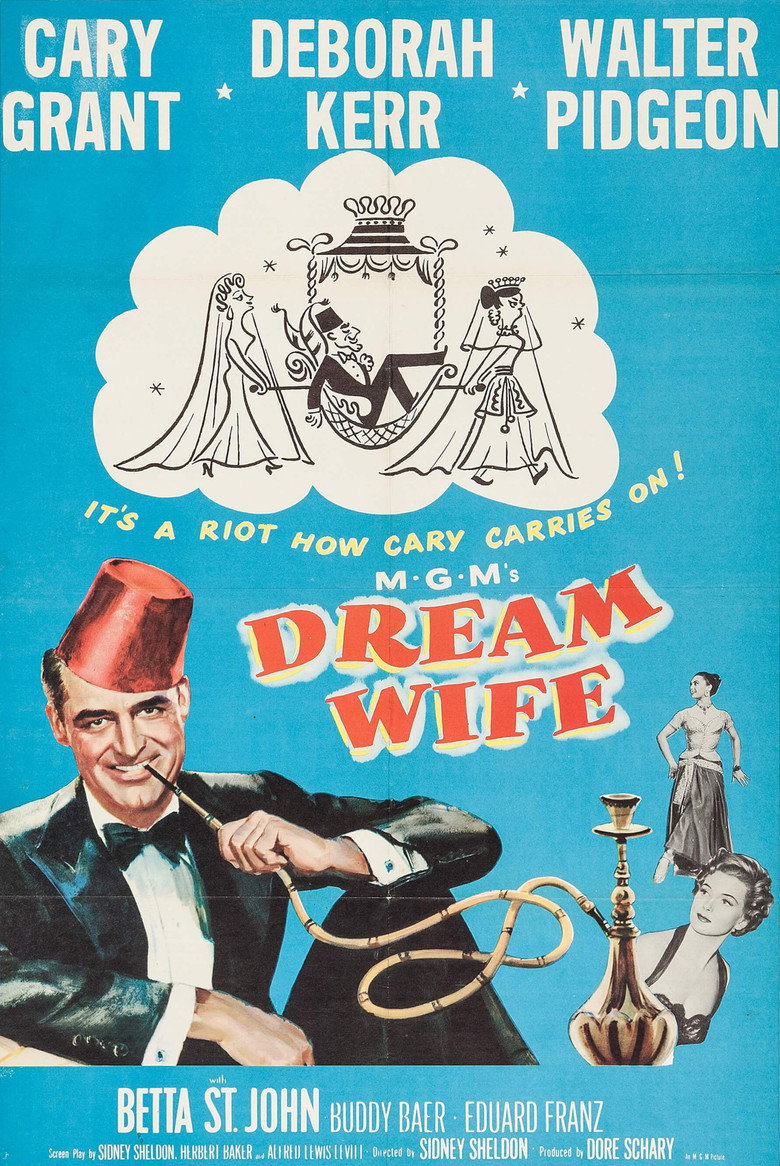
Cary Grant and Deborah Kerr headline an elegant romantic comedy exploring whether the perfect partner exists—or whether perfection itself is an illusion.
Editorial ratings
- Cary Grant
- Story
- Direction
- Cinematography
- Entertainment
- Historical importance
Clemson Reade, a business tycoon with marriage on his mind, and Effie, a U.S. diplomat, are a modern couple. Unfortunately there seems to be too much business and not enough pleasure on the part of Effie. When Clemson meets Tarji, a princess trained in all the arts of pleasing men, he decides he wants an old fashioned girl. Princess Tarji's father is king of oil-rich Bukistan. Because of the oil situation and to maintain good political relations during the courtship between Clemson & Tarji, the State Department assigns a diplomat to maintain protocol until the wedding - Effie!
Cary Grant plays Clemson Reade, under the direction of Sidney Sheldon, released in 1953.
Featured quote
“Fantasy cannot replace authentic love.”
Introduction
Grant returns to romantic comedy in a thoughtful examination of marriage and expectations.
The Story
Businessman Clemson Reade learns that fantasy cannot replace authentic love.
Production & Behind the Scenes
Introduced the Grant–Kerr partnership under Sidney Sheldon's direction.
Cary Grant's Performance
A restrained, mature portrayal emphasizing quiet emotional growth.
Sidney Sheldon's Direction & Themes
Fantasy versus reality, equality in marriage, and cultural assumptions.
Historical Context
Reflects changing gender roles and postwar American society.
Legacy & Influence
A transitional work leading toward Grant's great late-career romances.
Gallery
Production & release
1952
Screenplay Completed
Screenplay completed.
Early 1953
Production Begins
Production begins.
July 31, 1953
Premiere
Premiere.
1953
Reception
Mixed critical reception.
Today
Legacy
Appreciated as an important transitional Cary Grant film.
Cast.
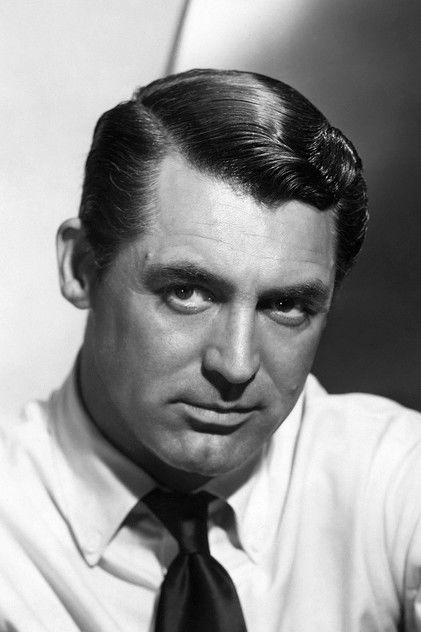
Cary Grant as Clemson Reade
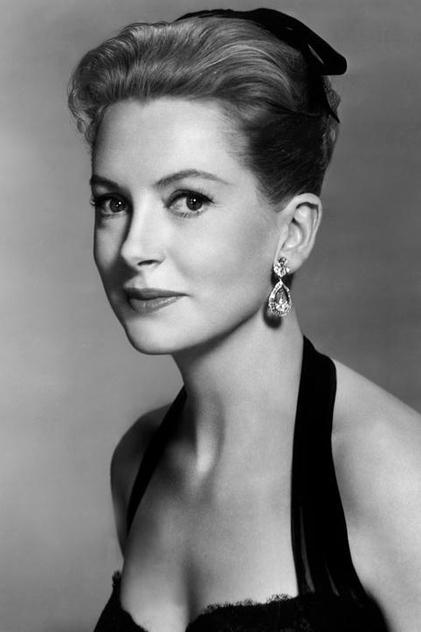
Deborah Kerr as Effie
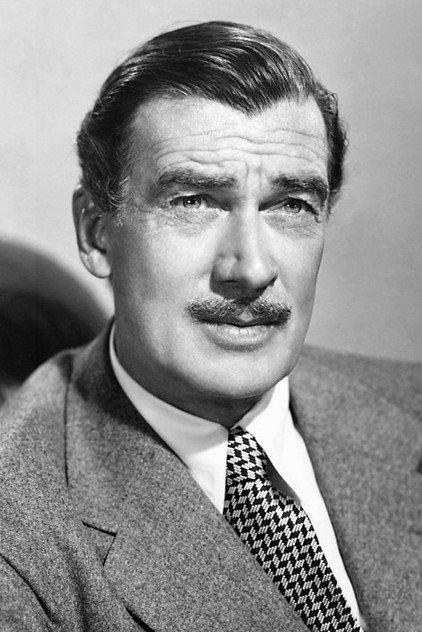
Walter Pidgeon as Walter McBride
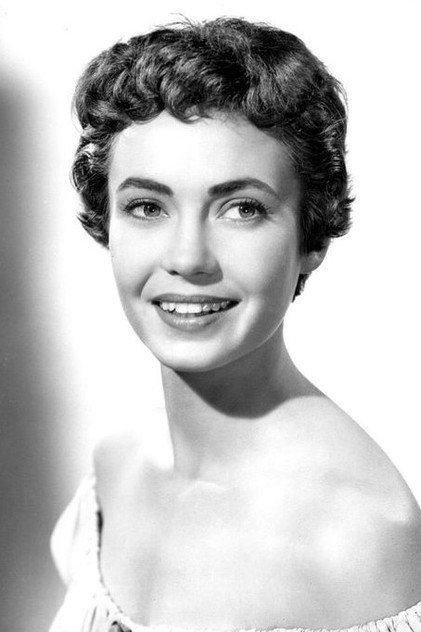
Betta St. John as Tarji
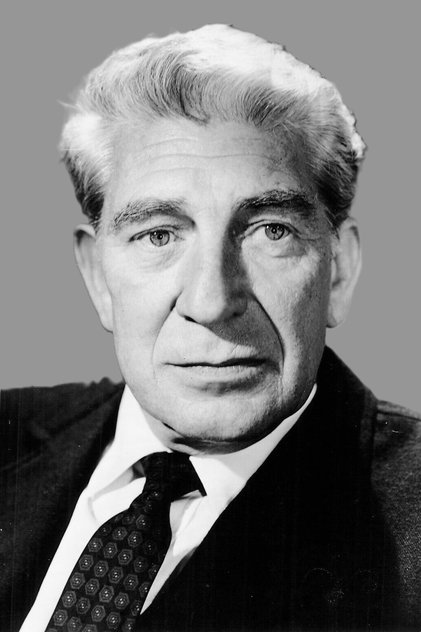
Eduard Franz as Khan
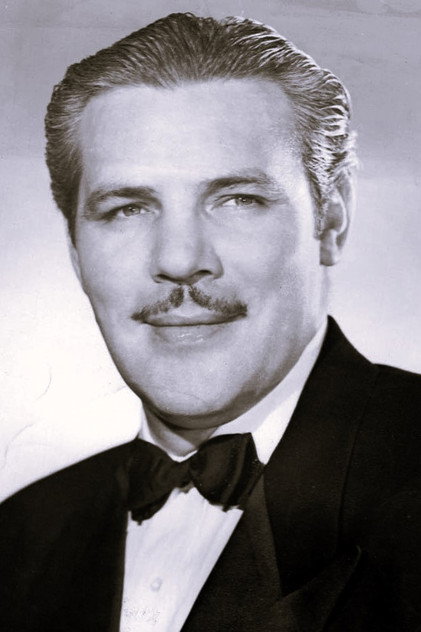
Buddy Baer as Vizier
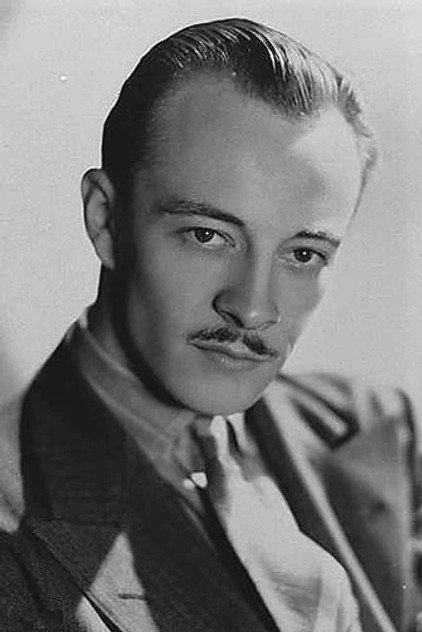
Les Tremayne as Ken Landwell
Full billed cast of Dream Wife (1953).
Players in billing order, with the characters they play.
- Cary Grantas Clemson Reade
- Deborah Kerras Effie
- Walter Pidgeonas Walter McBride
- Betta St. Johnas Tarji
- Eduard Franzas Khan
- Buddy Baeras Vizier
- Les Tremayneas Ken Landwell
- Donald Randolphas Ali
- Bruce Bennettas Charlie Elkwood
- Richard Andersonas Henry Malvine
- Dan Tobinas Mr. Brown
- Movitaas Rima
- Gloria Holdenas Mrs. Jean Landwell
- June Clayworthas Mrs. May Elkwood
- Dean Milleras George
- Kathleen Freemanas Hotel Maid
- Rama Baias Party Guest
Crew.
- DirectorSidney Sheldon
- Director of PhotographyMilton Krasner
- EditorGeorge White
- Original Music ComposerConrad Salinger
- ProducerDore Schary
- WriterHerbert Baker
- WriterSidney Sheldon
Players in common.
A quiet dispatch,
once a month.
One considered essay in your inbox each month. No promotions, no algorithms, no forwarding. Unsubscribe with a single click.
Other studies.
A thoughtful wartime satire blending romance, comedy, and commentary on celebrity culture.
Cary Grant and Audrey Hepburn create one of cinema's most elegant romantic mysteries—a thrilling game of deception, danger, and unexpected love.
One of Cary Grant's smartest and most rewarding performances — a brilliant blend of romance, comedy, mystery, and social commentary.