An Affair to Remember
A timeless romance where love is tested by fate, sacrifice, and the enduring hope of second chances.
Editorial ratings
- Cary Grant
- Story
- Direction
- Cinematography
- Entertainment
- Historical importance
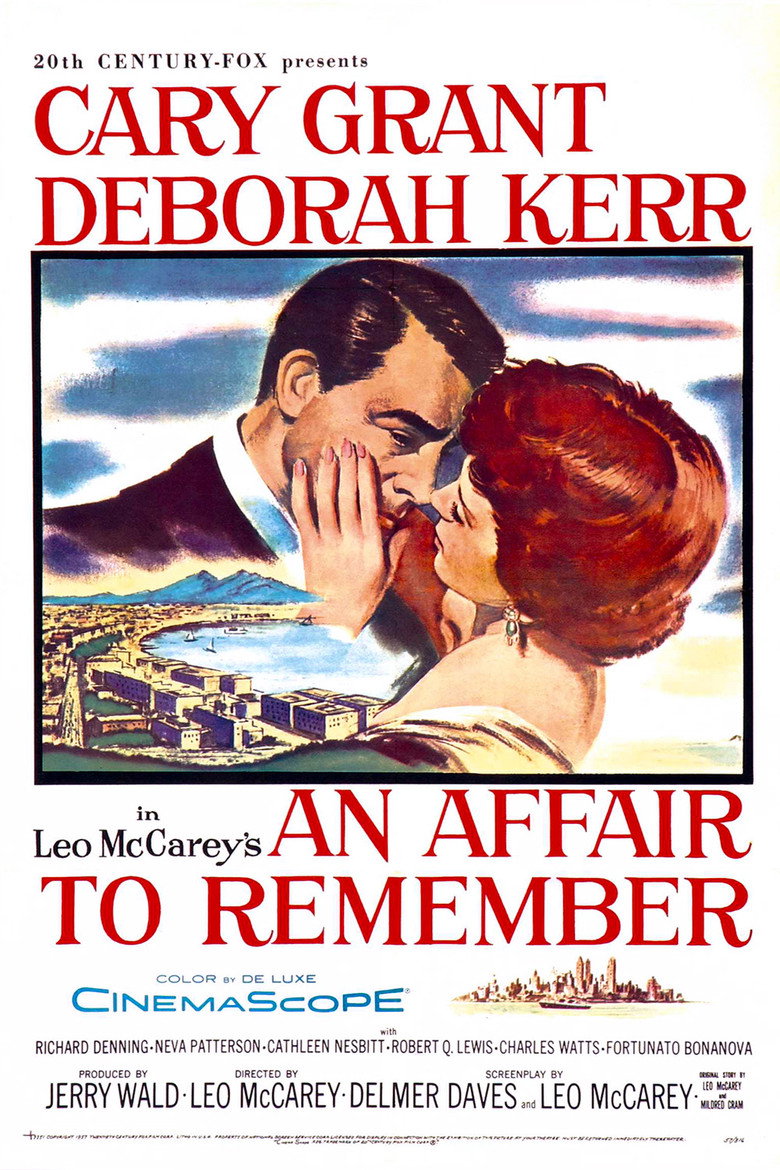
A couple falls in love and agrees to meet in six months at the Empire State Building - but will it happen?
Cary Grant plays Nickie Ferrante, under the direction of Leo McCarey, released in 1957.
Featured quote
“Winter must be cold for those with no warm memories.”
Introduction
One of cinema's defining romances, anchored by Cary Grant and Deborah Kerr.
The Story
A transatlantic romance transformed by sacrifice, destiny, and hope.
Production & Behind the Scenes
Leo McCarey's refined remake became the definitive version of his own story.
Cary Grant's Performance
Among the finest and most emotionally restrained performances of his career.
Direction & Themes
Transformation, sacrifice, forgiveness, and enduring love.
Historical Context
A CinemaScope classic released during Hollywood's widescreen era.
Legacy & Influence
Inspired generations of filmmakers and romantic dramas.
Gallery
Production & release
1939
Love Affair released
Leo McCarey's original version of the story.
1956
Production begins
Filming starts at 20th Century-Fox.
July 11, 1957
Premiere
An Affair to Remember opens in theaters.
1958
Four Oscar nominations
Recognized by the Academy.
1993
Sleepless in Seattle homage
Nora Ephron pays loving tribute.
Today
A romantic classic
Enshrined as one of the greatest love stories on film.
Cast.
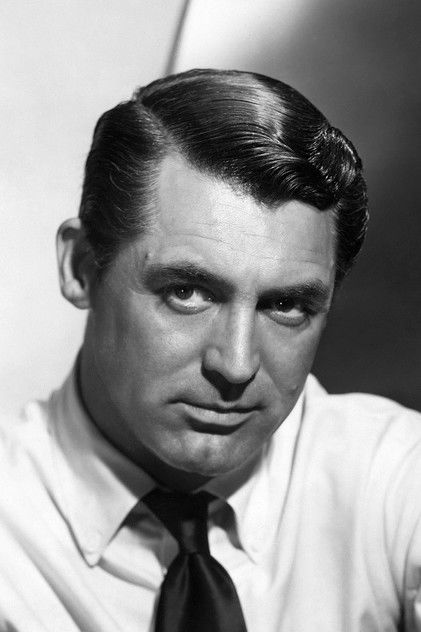
Cary Grant as Nickie Ferrante
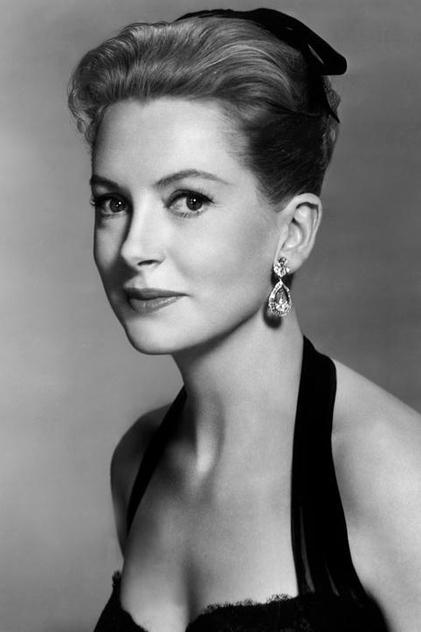
Deborah Kerr as Terry McKay
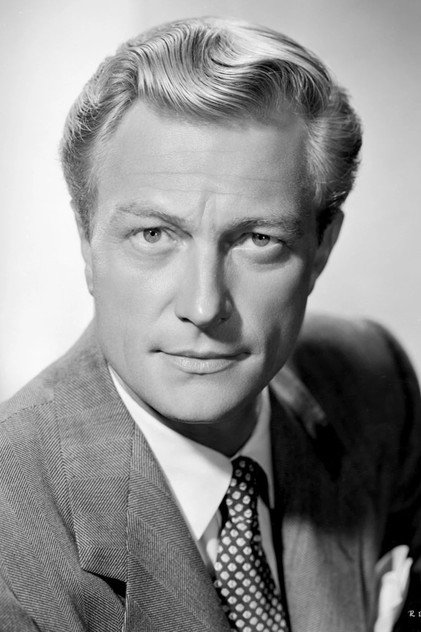
Richard Denning as Kenneth Bradley
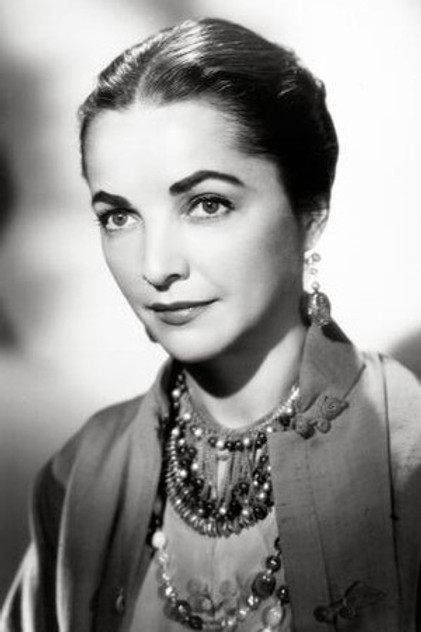
Neva Patterson as Lois Clark
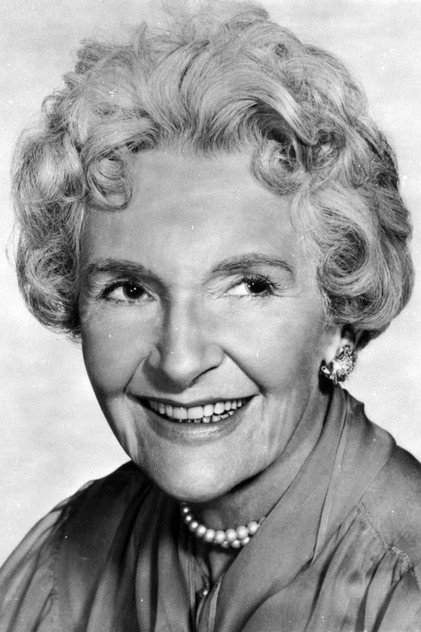
Cathleen Nesbitt as Grandmother Janou
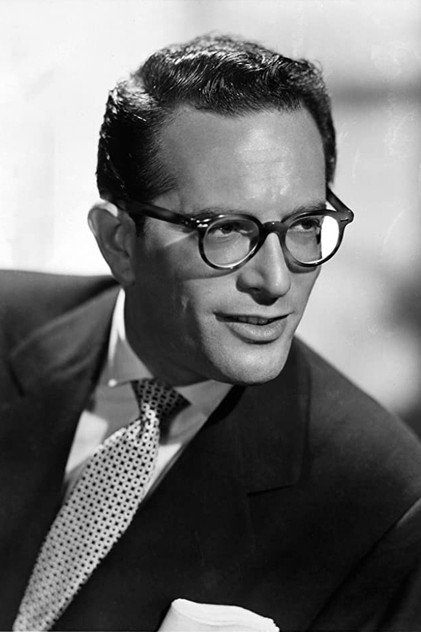
Robert Q. Lewis as Robert Q. Lewis
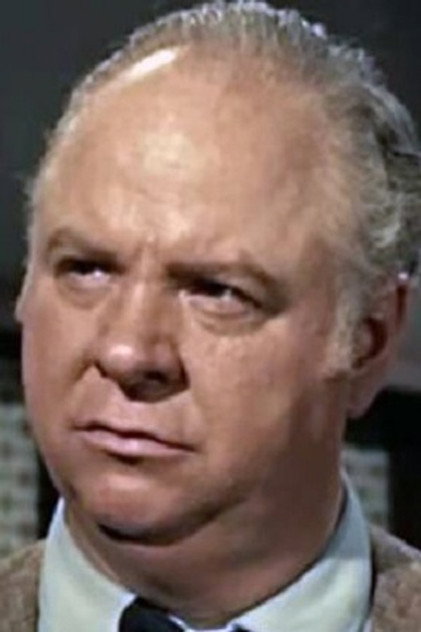
Charles Watts as Ned Hathaway
Full billed cast of An Affair to Remember (1957).
Players in billing order, with the characters they play.
- Cary Grantas Nickie Ferrante
- Deborah Kerras Terry McKay
- Richard Denningas Kenneth Bradley
- Neva Pattersonas Lois Clark
- Cathleen Nesbittas Grandmother Janou
- Robert Q. Lewisas Robert Q. Lewis
- Charles Wattsas Ned Hathaway
- Fortunio Bonanovaas Courbet
- Dorothy Adamsas Mother at Rehearsal (uncredited)
- Al Bainas Man (uncredited)
- Frank Bakeras Ship Passenger (uncredited)
- Mary Baylessas Ship Passenger (uncredited)
- Dino Bologneseas Italian TV Commentator (uncredited)
- Paul Bradleyas Ship Passenger (uncredited)
- George Calligaas Ship Passenger (uncredited)
- Mary Carrollas Teacher (uncredited)
- Steve Carruthersas Ship Passenger (uncredited)
- Brian Corcoranas Boy (uncredited)
- Walt Davisas Elevator Passenger (uncredited)
- Anthony De Marioas Waiter (uncredited)
- Ken DuMainas Audience Member (uncredited)
- Minta Durfeeas Ship Passenger (uncredited)
- Michka Eganas Ship Waiter (uncredited)
- Suzanne Ellersas Teacher (uncredited)
- Juney Ellisas Teacher (uncredited)
- Franklyn Farnumas Ballet Audience Member (uncredited)
- Jesslyn Faxas Terry's Landlady (uncredited)
- Adolph Faylaueras Ship Passenger (uncredited)
- Raoul Freemanas Ship Passenger (uncredited)
- Priscilla Garciaas Marie (uncredited)
- Rudy Germaneas Police Officer (uncredited)
- Kenneth Gibsonas Ballet Audience Member (uncredited)
- Herschel Grahamas Ship Passenger (uncredited)
- Stuart Hallas Audience Member (uncredited)
- Sam Harrisas Audience Member (uncredited)
- Lars Hensenas Man at Gangway (uncredited)
- Bill Hickmanas Ship Passenger (uncredited)
- Ken Kaneas Elevator Operator (uncredited)
- Terry Kelmanas Orphan (uncredited)
- Walter Woolf Kingas Hospital Doctor (uncredited)
Crew.
- Art DirectionJack Martin Smith
- Art DirectionLyle R. Wheeler
- Art DirectionJohn DeCuir
- Costume DesignCharles LeMaire
- DirectorLeo McCarey
- Director of PhotographyMilton Krasner
- EditorJames B. Clark
- Original Music ComposerHugo Friedhofer
- ProducerJerry Wald
- ScreenplayLeo McCarey
- ScreenplayDelmer Daves
- StoryLeo McCarey
- StoryMildred Cram
Quotations from An Affair to Remember
The Quotebook →“I can hardly wait for you to grow up.”
Cary Grant as Nickie Ferrante · 1957VerifiedSpoken as Nickie Ferrante in An Affair to Remember (1957).
“There must be something between us, even if it’s only an ocean.”
Cary Grant as Nickie Ferrante · 1957VerifiedSpoken as Nickie Ferrante in An Affair to Remember (1957).
A quiet dispatch,
once a month.
One considered essay in your inbox each month. No promotions, no algorithms, no forwarding. Unsubscribe with a single click.
Other studies.
Cary Grant and Deborah Kerr headline an elegant romantic comedy exploring whether the perfect partner exists—or whether perfection itself is an illusion.
A thoughtful wartime satire blending romance, comedy, and commentary on celebrity culture.
Cary Grant and Audrey Hepburn create one of cinema's most elegant romantic mysteries—a thrilling game of deception, danger, and unexpected love.