Penny Serenade
Cary Grant delivers one of his most heartfelt performances in a timeless story about love, marriage, loss, and the meaning of family.
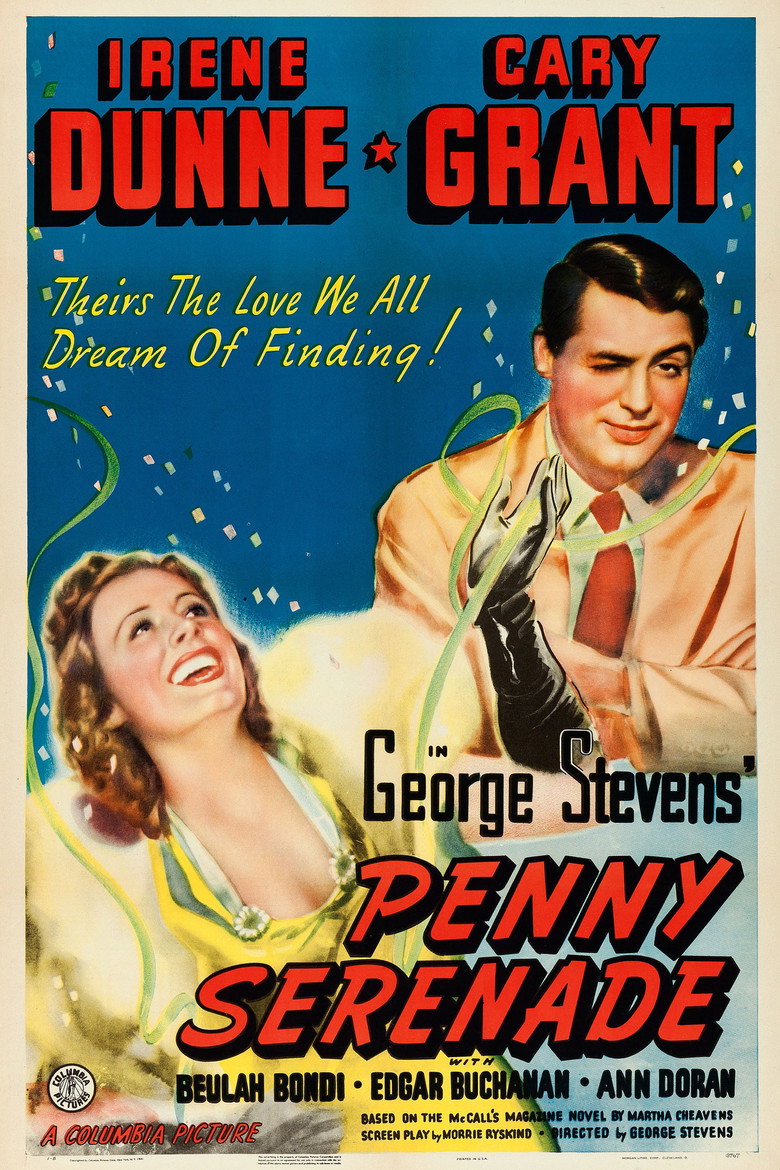
Editorial ratings
- Cary Grant
- Story
- Direction
- Cinematography
- Entertainment
- Historical importance
Julie and Roger are a love-struck married couple who desperately want to have a child. Tragedy after tragedy gets in their way, as the two attempt to rise above their troubles and fulfill their dreams of parenthood.
Cary Grant plays Roger Adams, under the direction of George Stevens, released in 1941.
Featured quote
“I’ll beg, I’ll borrow, I’ll — please, Judge, I’ll sell anything I’ve got until I get going again. And she’ll never go hungry, she’ll never be without clothes, not so long as I’ve got two good hands, so help me!”
Cary Grant as Roger Adams — Roger Adams pleads with a judge not to take his adopted daughter. The scene brought Grant his first Academy Award nomination.
The Story
Roger and Julie Adams build a life together through love, marriage, and parenthood, but tragedy tests whether their relationship can survive loss and disappointment.
Production & Behind the Scenes
Directed by George Stevens, the film used music and memory to explore marriage, family, and resilience. The collaboration between Cary Grant and Irene Dunne created one of Hollywood's most believable portraits of love.
Cary Grant's Performance
Grant portrays Roger Adams with extraordinary sincerity, balancing strength and vulnerability while creating one of the most human performances of his career.
Direction & Themes
George Stevens explores enduring love, parenthood, memory, sacrifice, and the courage required to continue after hardship.
Historical Context
Released during a period of uncertainty before America's entry into World War II, the film resonated with audiences through its themes of family, commitment, and perseverance.
Legacy & Influence
Penny Serenade changed perceptions of Cary Grant and helped establish him as one of Hollywood's greatest dramatic actors as well as a master of comedy.
Gallery
Production & release
1937
Grant and Dunne create The Awful Truth.
1940
Grant and Dunne reunite in My Favorite Wife.
1941
Penny Serenade released by Columbia Pictures.
1942
Grant receives Academy Award nomination for Best Actor.
Collaborators.
George Stevens began his film career as a cameraman, shooting Laurel and Hardy short comedies in the late 1920s before moving into directing in the 1930s. He built a reputation as one of Hollywood's most meticulous craftsmen, working across genres from adventure and comedy to social drama and epic western over a career spanning three decades. During the Second World War, Stevens headed a military film unit that documented the Normandy landings and the liberation of the Dachau concentration camp; the footage he shot was later used as evidence at the Nuremberg trials. Colleagues and biographers have consistently identified this wartime experience as a turning point that darkened the tone of his postwar work, moving him away from the lighter comedies of his earlier career. His postwar films included "A Place in the Sun" (1951), "Shane" (1953), and "Giant" (1956), for which he won two Academy Awards for Best Director, and later "The Diary of Anne Frank" (1959) and "The Greatest Story Ever Told" (1965). His prewar work with Cary Grant, by contrast, belongs to the more purely entertainment-driven period before his wartime service.
Irene Dunne was born Irene Marie Dunn in 1898 in Louisville, Kentucky, and trained as a coloratura soprano before failing an audition for the Metropolitan Opera, a rejection that redirected her toward Broadway and then Hollywood. She arrived in film in the early 1930s already an accomplished singer, which shaped her early run of maternal melodramas and operettas, including Cimarron (1931), for which she received an Academy Award nomination. Dunne's gift, rarer than it sounds, was moving convincingly between registers: she could anchor a tearjerker like Penny Serenade (1941) and, in the same period, hold her own in the fastest screwball dialogue Hollywood produced. Leo McCarey's The Awful Truth (1937) proved decisive, pairing her improvisational precision with Cary Grant's and earning her one of her five Best Actress nominations; she never won a competitive Oscar despite the nominations, a fact often noted as one of the Academy's stranger oversights. She continued through the 1940s in prestige pictures such as I Remember Mama (1948), then retired from acting in 1952 while still a bankable star, turning to Republican Party activism and a UN delegate appointment under Eisenhower. She died in 1990 in Los Angeles. Dunne's reputation endures less through a signature role than through consistency: she rarely gave a careless performance, and film historians regularly cite her as the most technically accomplished comedienne of the era who never received the top prize her peers took for granted.
Cast.
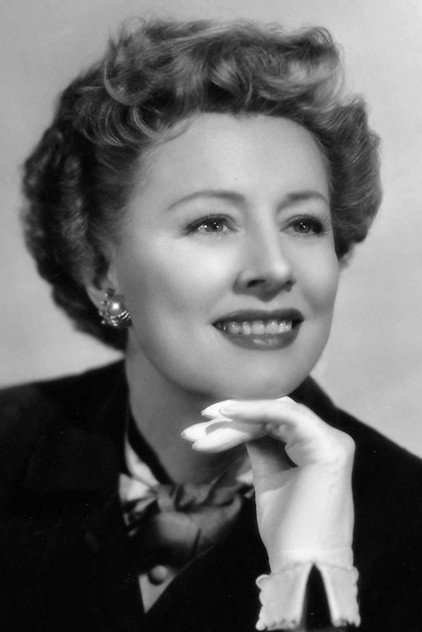
Irene Dunne as Julie Gardiner
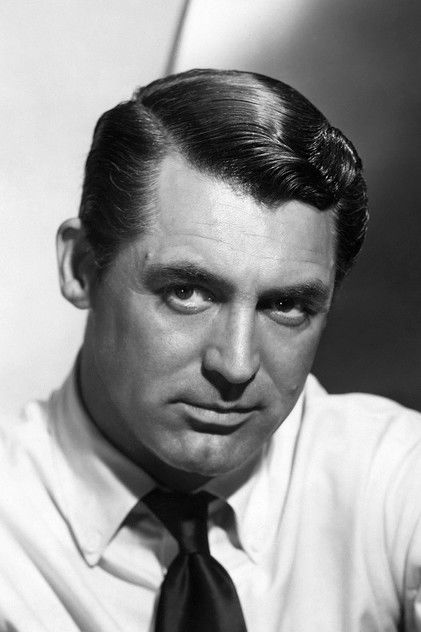
Cary Grant as Roger Adams
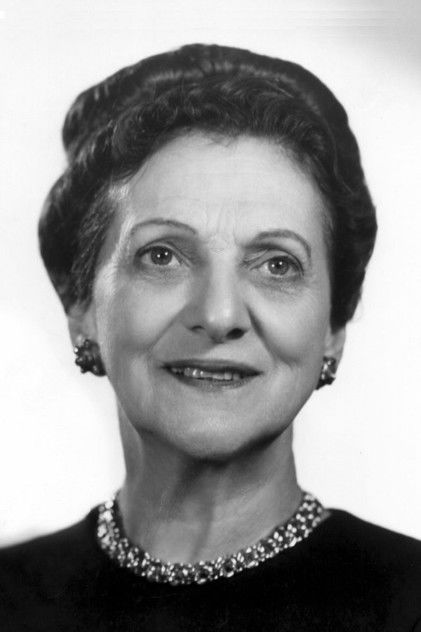
Beulah Bondi as Miss Oliver
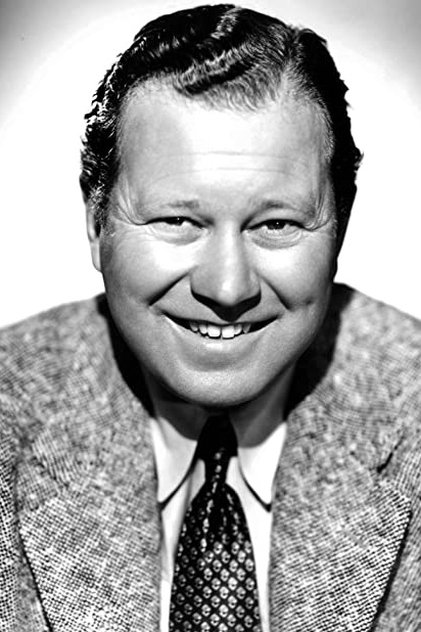
Edgar Buchanan as Applejack
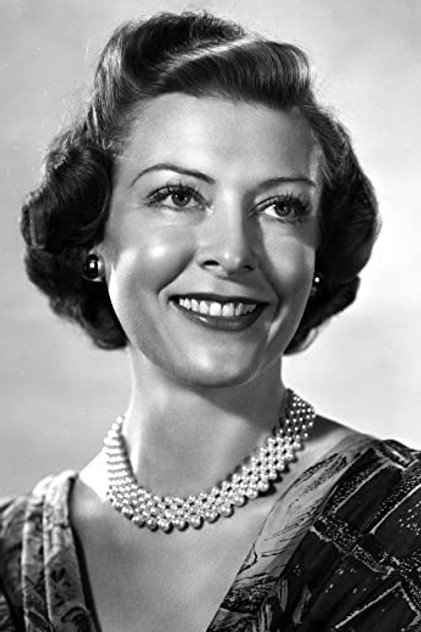
Ann Doran as Dotty
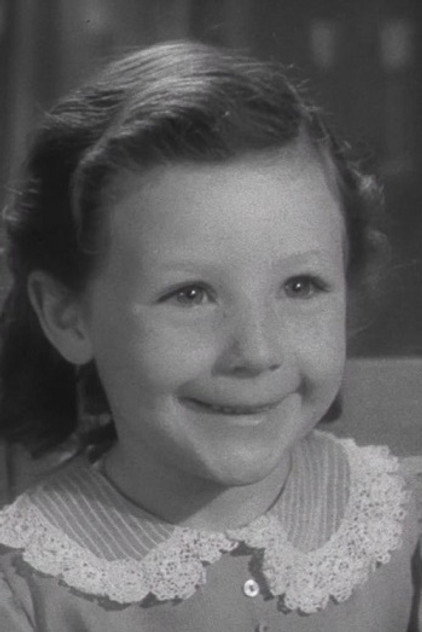
Eva Lee Kuney as Six-Year-Old Trina
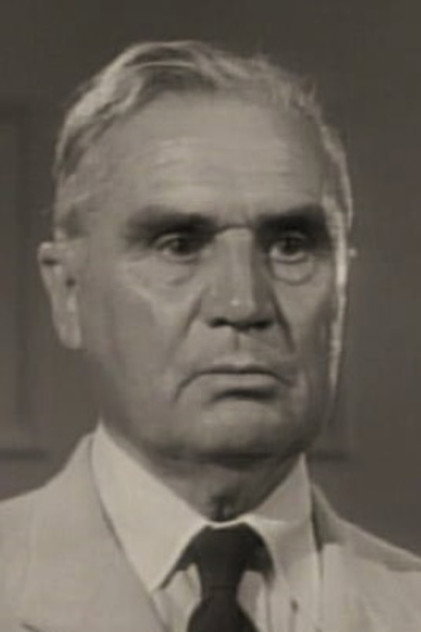
Leonard Willey as Dr. Hartley
Full billed cast of Penny Serenade (1941).
Players in billing order, with the characters they play.
- Irene Dunneas Julie Gardiner
- Cary Grantas Roger Adams
- Beulah Bondias Miss Oliver
- Edgar Buchananas Applejack
- Ann Doranas Dotty
- Eva Lee Kuneyas Six-Year-Old Trina
- Leonard Willeyas Dr. Hartley
- Wallis Clarkas Judge
- Walter Soderlingas Billings
- Jane Biffleas One-Year-Old Trina
- Dorothy Adamsas Mother in Stalled Car (uncredited)
- Billy Bevanas McDougal (uncredited)
- Bess Flowersas Mother (uncredited)
- Dick Gordonas Party Guest (uncredited)
Crew.
- Art DirectionLionel Banks
- DirectorGeorge Stevens
- Director of PhotographyJoseph Walker
- EditorOtto Meyer
- Original Music ComposerW. Franke Harling
- ProducerGeorge Stevens
- ScreenplayMorrie Ryskind
- StoryMartha Cheavens
Players in common.
A quiet dispatch,
once a month.
One considered essay in your inbox each month. No promotions, no algorithms, no forwarding. Unsubscribe with a single click.
Other studies.
Cary Grant and Deborah Kerr headline an elegant romantic comedy exploring whether the perfect partner exists—or whether perfection itself is an illusion.
A thoughtful wartime satire blending romance, comedy, and commentary on celebrity culture.
Cary Grant and Audrey Hepburn create one of cinema's most elegant romantic mysteries—a thrilling game of deception, danger, and unexpected love.