Suspicion
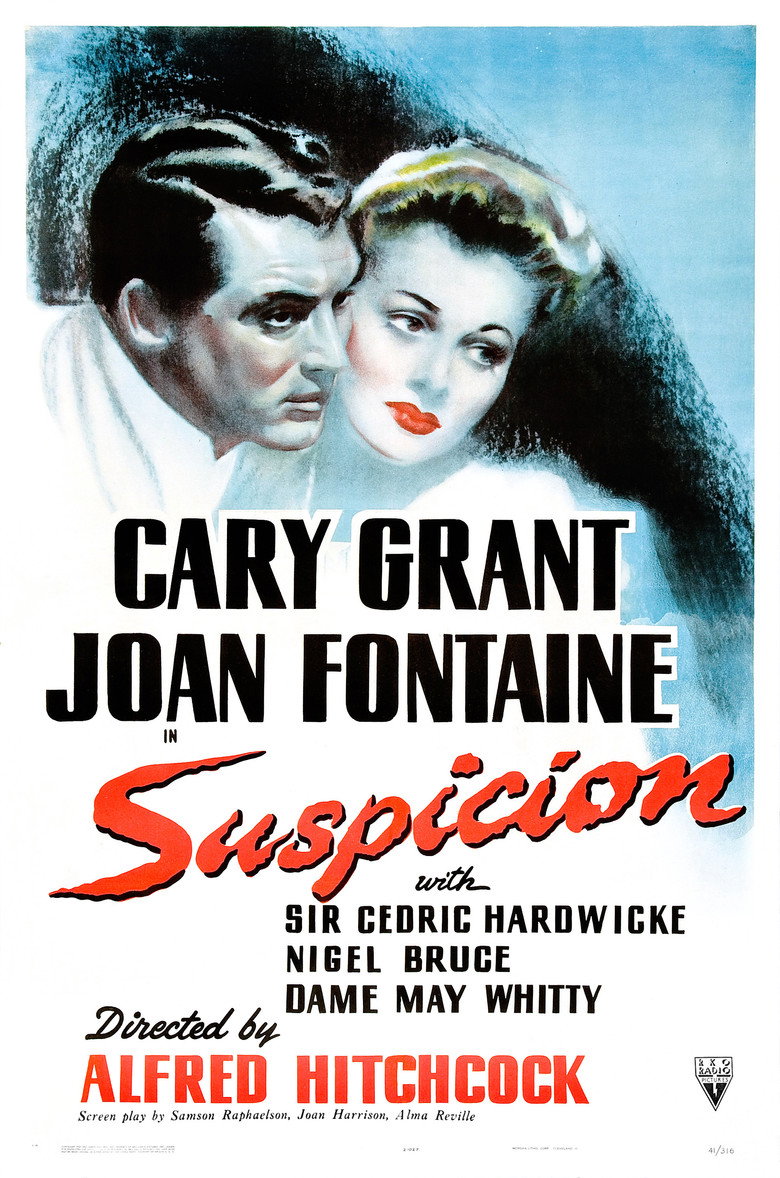
Cary Grant enters Alfred Hitchcock's world of psychological suspense in a haunting story about love, trust, and the fear of knowing someone completely.
Editorial ratings
- Cary Grant
- Story
- Direction
- Cinematography
- Entertainment
- Historical importance
A sheltered heiress falls for a charming playboy and elopes with him, but soon discovers his gambling vice and mounting debts. As his lies deepen and those around them meet mysterious ends, she begins to suspect that her husband’s affection may conceal a deadly motive—and that she could be his next victim.
Cary Grant plays John D. 'Johnnie' Aysgarth, under the direction of Alfred Hitchcock, released in 1941.
Featured quote
“Well, well. You’re the first woman I’ve ever met who said yes when she meant yes.”
Cary Grant as Johnnie Aysgarth — Johnnie Aysgarth, charming, early in the courtship — before the audience learns to distrust him.
The Story
Lina McLaidlaw falls in love with the charming Johnnie Aysgarth, but after marriage she begins questioning whether the man she loves may be hiding dangerous secrets.
Production & Behind the Scenes
The first collaboration between Cary Grant and Alfred Hitchcock explored suspense through uncertainty, using Grant's trusted screen persona as part of the mystery.
Cary Grant's Performance
Grant transforms charm into ambiguity, creating a character who may be romantic, irresponsible, or something darker. The audience is forced to question him.
Direction & Themes
Hitchcock explores trust, fear, appearance versus reality, marriage, and the uncertainty of human behavior.
Historical Context
Released during a period of global uncertainty, Suspicion reflected cultural concerns about trust, hidden threats, and the changing nature of romantic storytelling.
Legacy & Influence
The film remains one of Hitchcock's most intriguing psychological thrillers and one of Cary Grant's most complex roles.
Gallery
Production & release
1940
Cary Grant establishes romantic comedy dominance.
1941
Suspicion released by RKO Radio Pictures.
1942
Joan Fontaine wins Academy Award for Best Actress.
1946
Grant and Hitchcock collaborate on Notorious.
1955
Grant and Hitchcock collaborate on To Catch a Thief.
Collaborators.
Alfred Hitchcock was born in Leytonstone, east London, in 1899, the son of a greengrocer, and entered the film industry in 1919 designing title cards before directing his first film, The Pleasure Garden, in 1925. By the early 1930s he was already known in Britain as the "master of suspense" for films such as The Man Who Knew Too Much and The 39 Steps, and in 1939 producer David O. Selznick brought him to Hollywood, where Rebecca (1940) won the Academy Award for Best Picture in his first American year. Over the following four decades Hitchcock built the most recognisable directorial identity in commercial cinema: the audience implicated in guilt and voyeurism, the ordinary man wrongly accused, the blonde heroine in danger, and a visual grammar of subjective camera and precise editing that he called "pure cinema." He was equally shrewd about his own image, hosting Alfred Hitchcock Presents on television from 1955 and cultivating the silhouette and deadpan persona that made him one of the few directors as famous as his stars. His four films with Cary Grant, spread across eighteen years, form one of the most studied actor-director partnerships in film history. Hitchcock used Grant's established charm as raw material to be complicated and, at times, weaponised — casting him as a possible wife-murderer in Suspicion, a compromised government agent in Notorious, a reformed jewel thief in To Catch a Thief, and an innocent man mistaken for a spy in North by Northwest. Each film asked audiences to hold their trust in Grant's likability against genuine suspicion of his character, a tension only Hitchcock exploited so directly. Hitchcock received an Academy Honorary Award in 1968 and was knighted shortly before his death in 1980, closing a career that had produced more influential and imitated films than perhaps any director's in the history of the medium.
Joan Fontaine was born Joan de Beauvoir de Havilland in 1917 in Tokyo, Japan, to British parents, and moved to California as a child with her older sister, the actress Olivia de Havilland. The sisters' rivalry became one of the most documented estrangements in Hollywood history, reportedly beginning in childhood and hardening over subsequent decades; the two did not speak for years at a time, and their feud persisted until Fontaine's death. Fontaine's career reached its height under Alfred Hitchcock, who cast her as the anxious young bride in Rebecca (1940) opposite Laurence Olivier, earning her the first of two consecutive Best Actress nominations, and then in Suspicion (1941) opposite Cary Grant, for which she won the Academy Award for Best Actress — the only performer ever to win an acting Oscar in a Hitchcock-directed film. In Suspicion, Fontaine played a woman who comes to suspect her charming husband, played by Grant, of plotting to murder her, a role built around sustained psychological dread. She continued as a leading lady through the 1940s and 1950s in films including The Constant Nymph (1943), for which she received a further Oscar nomination, and Letter from an Unknown Woman (1948), directed by Max Ophüls. Her later career included television work and stage appearances, and she was married four times. Fontaine died in 2013 in Carmel, California, two days after her sister Olivia's own advancing age made reconciliation between them permanently foreclosed. She is remembered as one of the defining Hitchcock heroines and for an Oscar win that remains a singular data point in the director's history with the Academy.
Leo G. Carroll was born in 1886 in Weedon Bec, Northamptonshire, England, and worked as a bank clerk before turning to the stage, building a career in British and Broadway theatre through the 1910s and 1920s prior to his film work. He moved into Hollywood character roles in the 1930s, quickly establishing a screen presence built on precise, understated authority — clergymen, doctors, diplomats, and bureaucrats delivered with dry English restraint. He became one of Alfred Hitchcock's most frequently used actors, appearing in six of the director's films across more than two decades: Rebecca (1940), Suspicion (1941) opposite Cary Grant and Joan Fontaine, Spellbound (1945), The Paradine Case (1947), Strangers on a Train (1951), and North by Northwest (1959), again opposite Grant, in which Carroll played "The Professor," the enigmatic intelligence chief who explains the plot's central deception. Beyond Hitchcock, Carroll found a late-career second act in television, most notably as Alexander Waverly, the head of U.N.C.L.E., in the spy series The Man from U.N.C.L.E. (1964–1968), which introduced him to a new generation of viewers as a paternal authority figure. He continued working in film and television until shortly before his death. He died in 1972 in Hollywood, California. Carroll is remembered as the quintessential Hitchcock supporting player, whose calm, clipped Englishness became a recurring texture across the director's most celebrated films, and whose two appearances alongside Cary Grant bookend a significant stretch of both men's careers.
Cast.
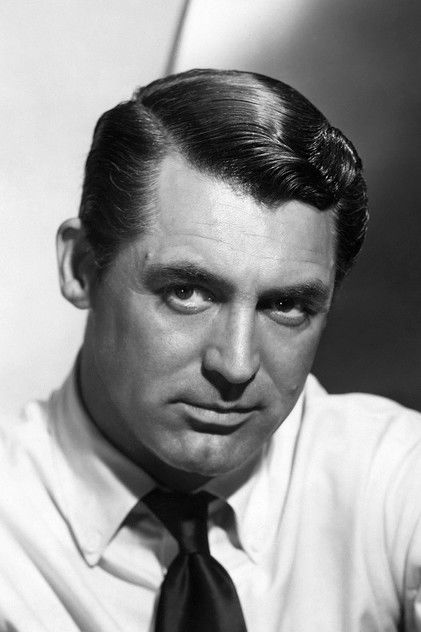
Cary Grant as John D. 'Johnnie' Aysgarth
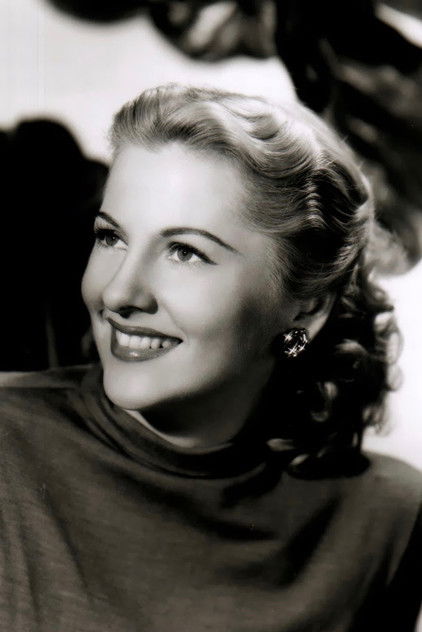
Joan Fontaine as Lina McLaidlaw Aysgarth
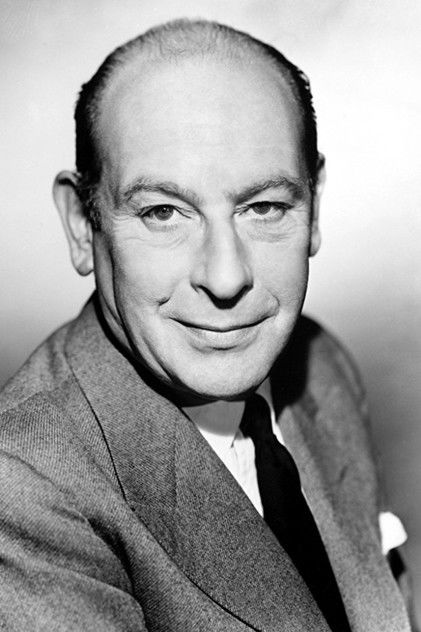
Cedric Hardwicke as General McLaidlaw
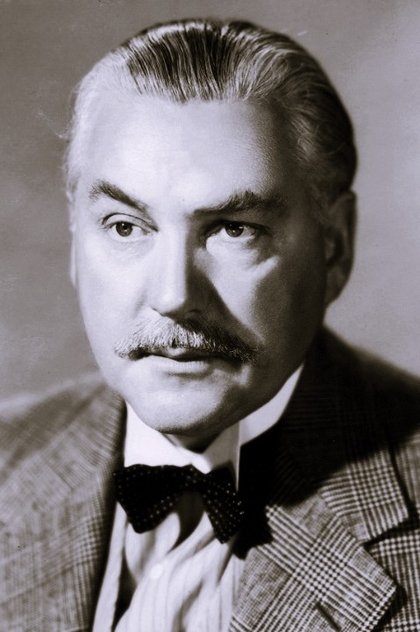
Nigel Bruce as Gordon Cochrane 'Beaky' Thwaite
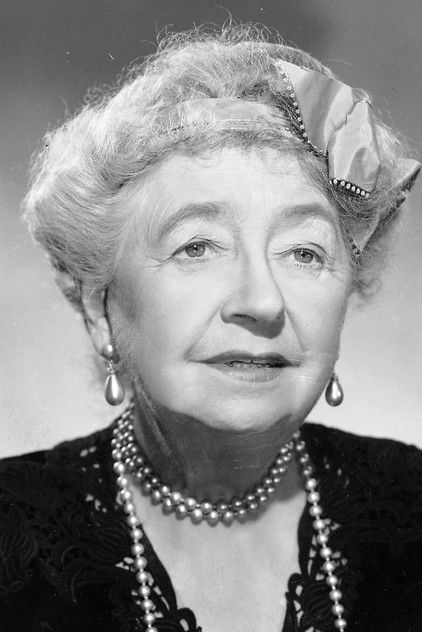
May Whitty as Mrs. McLaidlaw
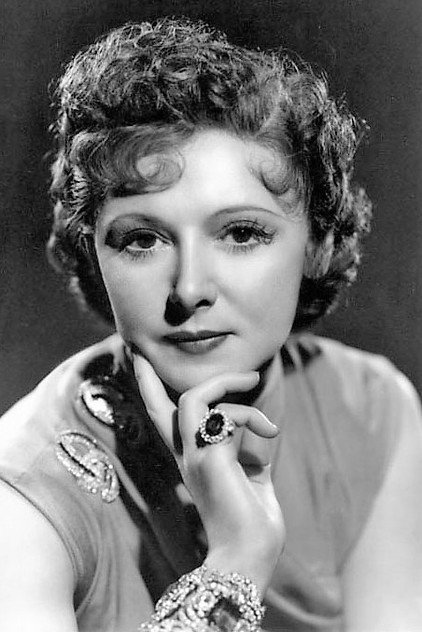
Isabel Jeans as Mrs. Newsham
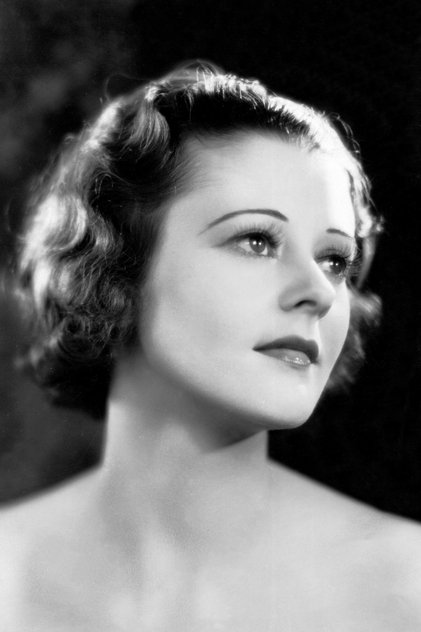
Heather Angel as Ethel the Maid
Full billed cast of Suspicion (1941).
Players in billing order, with the characters they play.
- Cary Grantas John D. 'Johnnie' Aysgarth
- Joan Fontaineas Lina McLaidlaw Aysgarth
- Cedric Hardwickeas General McLaidlaw
- Nigel Bruceas Gordon Cochrane 'Beaky' Thwaite
- May Whittyas Mrs. McLaidlaw
- Isabel Jeansas Mrs. Newsham
- Heather Angelas Ethel the Maid
- Auriol Leeas Isobel Sedbusk
- Reginald Sheffieldas Reggie Wetherby
- Leo G. Carrollas Captain George Melbeck
- Billy Bevanas Ticket Taker (uncredited)
- Faith Brookas Alice Barham (uncredited)
- Violet Campbellas Mrs. Barham (uncredited)
- Leonard Careyas The McLaidlaw's Butler Burton (uncredited)
- David Clydeas Trunk Man (uncredited)
- Clyde Cookas Photographer (uncredited)
- Alec Craigas Hogarth Club Desk Clerk (uncredited)
- Carol Curtis-Brownas Jessie Barham (uncredited)
- Vernon Downingas Benson (uncredited)
- Rex Evansas Mr. Bailey (uncredited)
- Edward Fieldingas Antique Shop Proprietor (uncredited)
- Gavin Gordonas Dr. Bertram Sedbusk (uncredited)
- Lumsden Hareas Inspector Hodgson (uncredited)
- Alfred Hitchcockas Man Mailing Letter (uncredited)
- Gertrude Hoffmannas Mrs. Wetherby (uncredited)
- Kenneth Hunteras Sir Gerald (uncredited)
- Dorothy Lloydas Miss Wetherby (uncredited)
- Aubrey Matheras Executor of General Laidlaw's Will (uncredited)
- Nondas Metcalfas Phyllis Swinghurst (uncredited)
- Rita Pageas Secretary (uncredited)
- Hilda Plowrightas Postmistress (uncredited)
- Clara Reidas Mrs. Craddock (uncredited)
- Maureen Roden-Ryanas Maid - Winnie (uncredited)
- Donald Stuartas Photographer (uncredited)
- Denis Tankardas Footman (uncredited)
- Pax Walkeras Maid - Phoebe (uncredited)
- Ben Websteras The Registrar William Howe (uncredited)
- Elsie Welleras Miss Wetherby (uncredited)
- Constance Worthas Mrs. Fitzpatrick (uncredited)
Crew.
- Art DirectionVan Nest Polglase
- Costume DesignEdward Stevenson
- DirectorAlfred Hitchcock
- Director of PhotographyHarry Stradling Sr.
- EditorWilliam Hamilton
- Original Music ComposerFranz Waxman
- ProducerHarry E. Edington
- ScreenplayJoan Harrison
- ScreenplaySamson Raphaelson
- ScreenplayAlma Reville
Players in common.
A quiet dispatch,
once a month.
One considered essay in your inbox each month. No promotions, no algorithms, no forwarding. Unsubscribe with a single click.
Other studies.
Cary Grant and Deborah Kerr headline an elegant romantic comedy exploring whether the perfect partner exists—or whether perfection itself is an illusion.
A thoughtful wartime satire blending romance, comedy, and commentary on celebrity culture.
Cary Grant and Audrey Hepburn create one of cinema's most elegant romantic mysteries—a thrilling game of deception, danger, and unexpected love.