← Explore
Director · 1899–1980
Alfred Hitchcock
Alfred Hitchcock was born in Leytonstone, east London, in 1899, the son of a greengrocer, and entered the film industry in 1919 designing title cards before directing his first film, The Pleasure Garden, in 1925. By the early 1930s he was already known in Britain as the "master of suspense" for films such as The Man Who Knew Too Much and The 39 Steps, and in 1939 producer David O. Selznick brought him to Hollywood, where Rebecca (1940) won the Academy Award for Best Picture in his first American year.
Over the following four decades Hitchcock built the most recognisable directorial identity in commercial cinema: the audience implicated in guilt and voyeurism, the ordinary man wrongly accused, the blonde heroine in danger, and a visual grammar of subjective camera and precise editing that he called "pure cinema." He was equally shrewd about his own image, hosting Alfred Hitchcock Presents on television from 1955 and cultivating the silhouette and deadpan persona that made him one of the few directors as famous as his stars.
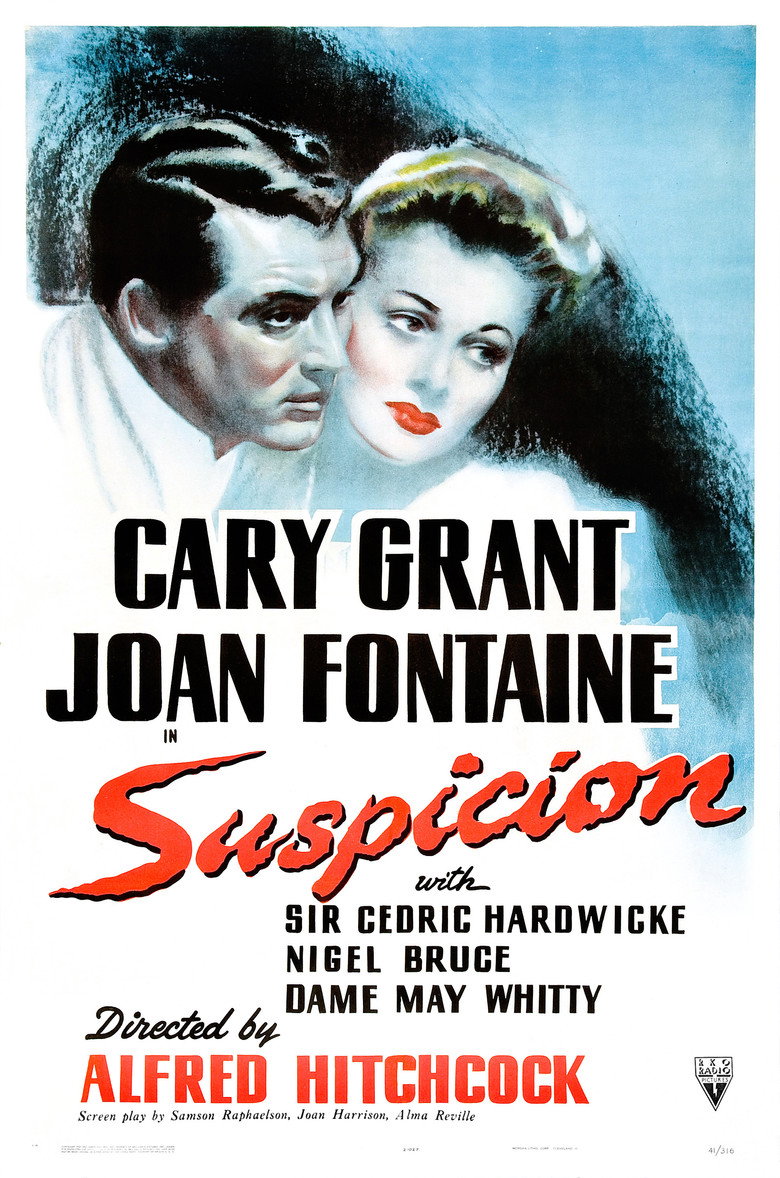
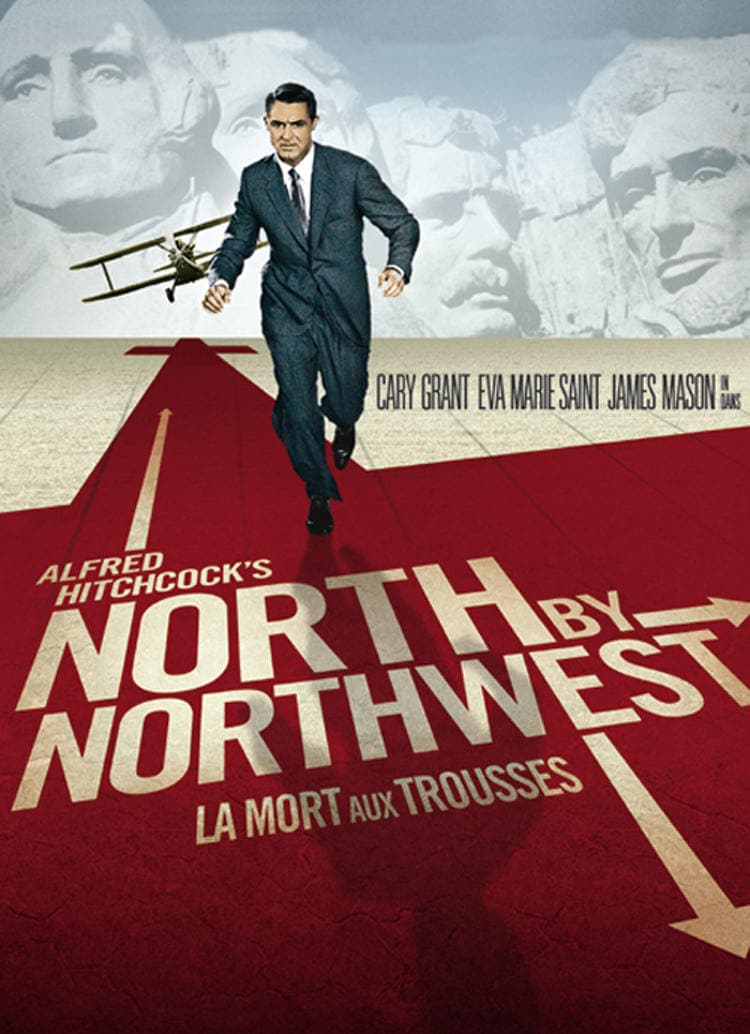
His four films with Cary Grant, spread across eighteen years, form one of the most studied actor-director partnerships in film history. Hitchcock used Grant's established charm as raw material to be complicated and, at times, weaponised — casting him as a possible wife-murderer in Suspicion, a compromised government agent in Notorious, a reformed jewel thief in To Catch a Thief, and an innocent man mistaken for a spy in North by Northwest. Each film asked audiences to hold their trust in Grant's likability against genuine suspicion of his character, a tension only Hitchcock exploited so directly.
Hitchcock received an Academy Honorary Award in 1968 and was knighted shortly before his death in 1980, closing a career that had produced more influential and imitated films than perhaps any director's in the history of the medium.
Featured Films Together


In His Own Words
“Cary Grant is the only actor I ever loved in my whole life.”
“Hitchcock trusted the audience. That was the difference.”