To Catch a Thief
A glamorous game of deception on the French Riviera where Alfred Hitchcock paired Cary Grant and Grace Kelly in one of Hollywood's most elegant romantic thrillers.

Editorial ratings
- Cary Grant
- Story
- Direction
- Cinematography
- Entertainment
- Historical importance
When a string of jewel robberies hits the French Riviera, suspicion falls on retired thief John “The Cat” Robie. To clear his name, he sets out to trap the copycat himself—entangling a wealthy widow and her beguiling daughter in a seductive game of pursuit, deception, and desire.
Cary Grant plays John Robie, under the direction of Alfred Hitchcock, released in 1955.
Featured quote
“The problem with innocence is that it must constantly prove itself.”
Introduction
When audiences think of Alfred Hitchcock they often imagine suspense and psychological tension. To Catch a Thief reveals another side of the director—one built on elegance, romance and visual beauty. Set against the French Riviera, the film combines mystery with effortless sophistication and showcases Cary Grant and Grace Kelly at the height of their screen appeal.
The Story
John Robie, once known as “The Cat,” is blamed for a series of copycat jewel thefts. Forced to investigate the crimes himself, he encounters Frances Stevens, whose intelligence and charm match his own. Their romance develops as Robie uncovers the real thief, culminating in Hitchcock's celebrated masquerade-ball finale.
Production & Behind the Scenes
Filmed extensively on location using Paramount's VistaVision process, the production captured the French Riviera with exceptional clarity. Robert Burks' cinematography earned the Academy Award, while Hitchcock and screenwriter John Michael Hayes reshaped David Dodge's novel into one of the director's most elegant entertainments.
Cary Grant's Performance
Grant's portrayal of John Robie may be the definitive expression of his mature screen persona. Calm, witty and self-assured, he projects charisma without effort while revealing subtle vulnerability beneath the polished exterior.
Hitchcock's Direction & Themes
Mistaken identity, redemption, appearance versus reality and romance define Hitchcock's approach. Rather than relying on violence, suspense grows through observation, dialogue and visual storytelling.
Historical Context
Released during Hollywood's battle with television, the film used widescreen VistaVision and international locations to provide audiences with spectacle they could not experience at home. Grace Kelly's subsequent marriage to Prince Rainier gave the film lasting cultural significance.
Legacy & Influence
The film influenced romantic thrillers, caper films and spy adventures for decades. Its blend of luxury, wit and suspense can be seen in works from The Thomas Crown Affair to James Bond.
Gallery
Production & release
1952
Novel published
David Dodge's source novel is published.
1954
Principal photography begins
Location shooting begins on the French Riviera.
1955
Film released
Released by Paramount on August 3, 1955.
1956
Wins Academy Award
Robert Burks wins Best Cinematography (Color).
Recognized as a Hitchcock classic
Continues to influence romantic thrillers and caper films.
Collaborators.
Alfred Hitchcock was born in Leytonstone, east London, in 1899, the son of a greengrocer, and entered the film industry in 1919 designing title cards before directing his first film, The Pleasure Garden, in 1925. By the early 1930s he was already known in Britain as the "master of suspense" for films such as The Man Who Knew Too Much and The 39 Steps, and in 1939 producer David O. Selznick brought him to Hollywood, where Rebecca (1940) won the Academy Award for Best Picture in his first American year. Over the following four decades Hitchcock built the most recognisable directorial identity in commercial cinema: the audience implicated in guilt and voyeurism, the ordinary man wrongly accused, the blonde heroine in danger, and a visual grammar of subjective camera and precise editing that he called "pure cinema." He was equally shrewd about his own image, hosting Alfred Hitchcock Presents on television from 1955 and cultivating the silhouette and deadpan persona that made him one of the few directors as famous as his stars. His four films with Cary Grant, spread across eighteen years, form one of the most studied actor-director partnerships in film history. Hitchcock used Grant's established charm as raw material to be complicated and, at times, weaponised — casting him as a possible wife-murderer in Suspicion, a compromised government agent in Notorious, a reformed jewel thief in To Catch a Thief, and an innocent man mistaken for a spy in North by Northwest. Each film asked audiences to hold their trust in Grant's likability against genuine suspicion of his character, a tension only Hitchcock exploited so directly. Hitchcock received an Academy Honorary Award in 1968 and was knighted shortly before his death in 1980, closing a career that had produced more influential and imitated films than perhaps any director's in the history of the medium.
Grace Kelly rose from a brief career as a New York model and stage actress to major Hollywood stardom in just a few years during the early 1950s, becoming closely associated with Alfred Hitchcock, who directed her in three films between 1954 and 1955. Her cool, poised screen persona made her one of the defining leading women of the decade despite a career that lasted barely five years. She won the Academy Award for Best Actress for "The Country Girl" (1954), a dramatic role that stood apart from the glamorous parts for which she was better known, beating Judy Garland's widely favored performance in "A Star Is Born" that year. In 1955, while filming "To Catch a Thief" on location in the south of France with Cary Grant, Kelly met Prince Rainier III of Monaco; she married him in April 1956 in a globally televised ceremony and retired from acting to become Princess of Monaco, ending her film career at its peak. She died in a car accident in Monaco in 1982.
Robert Burks was born in Chino, California, in 1909 and became Alfred Hitchcock's regular cinematographer, shooting twelve of the director's films across thirteen years from Strangers on a Train (1951) to Marnie (1964), a run interrupted only by Psycho, which Hitchcock shot with his television crew. Burks photographed two of the films that most fixed Grant's screen image in its final, most polished form. To Catch a Thief (1955), shot largely on location on the French Riviera opposite Grace Kelly, used Burks's VistaVision color photography to turn Grant, at fifty-one, into an image of tanned, tailored ease against the Mediterranean coastline; the film won Burks the Academy Award for Best Cinematography. North by Northwest (1959) followed, its widescreen compositions — the Mount Rushmore climax, the crop-duster sequence shot on an open Indiana highway — becoming some of the most recognizable images in Grant's entire career. Burks's other credits with Hitchcock include Rear Window (1954), Vertigo (1958) and The Birds (1963), giving him a hand in shaping the visual identity of Hitchcock's most celebrated decade. He worked in Technicolor, VistaVision and a range of aspect ratios, adapting his lighting and camera style to each film's demands rather than imposing a single signature look. Burks died in a house fire in Fresno, California, in 1968, along with his wife, ending a partnership with Hitchcock that had defined an era of American studio cinematography.
Cast.
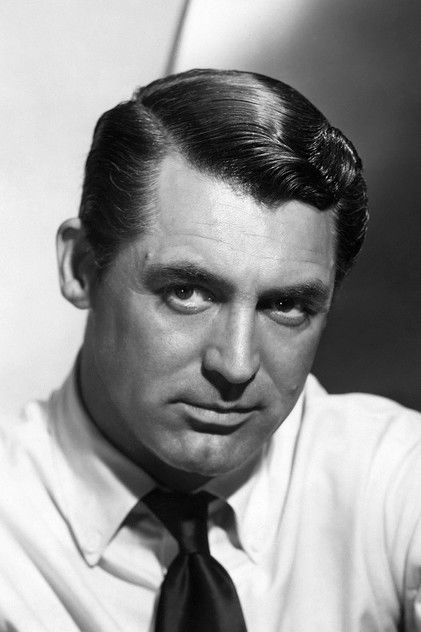
Cary Grant as John Robie
Full billed cast of To Catch a Thief (1955).
Players in billing order, with the characters they play.
- Cary Grantas John Robie
- Grace Kellyas Frances Stevens
- Jessie Royce Landisas Jessie Stevens
- John Williamsas H. H. Hughson
- Charles Vanelas Bertani
- Brigitte Auberas Danielle Foussard
- Jean Martinellias Foussard
- Georgette Anysas Germaine
- René Blancardas Commissaire Lepic (uncredited)
- William 'Wee Willie' Davisas Big Man in Kitchen (uncredited)
- Bess Flowersas Masquerade Party Guest (uncredited)
- Bernard Sellas Casino Patron (uncredited)
- Charles Sherlockas Detective (uncredited)
- Philip Van Zandtas Jewelry Clerk (uncredited)
- Alfred Hitchcockas Man Sitting Next to John Robie on Bus (uncredited)
- Roland Lesaffreas Bertani Employee (uncredited)
- George Boyceas Party Guest (uncredited)
- John Aldersonas Detective at the Costume Ball (uncredited)
- Alberto Morinas Detective (uncredited)
- Manuel Parísas Croupier (uncredited)
- Gladys Hollandas Elegant French Woman / Additional Voices (uncredited)
- Fred Kelseyas Party Guest (uncredited)
- Barry Nortonas Frenchman (uncredited)
- Louis Mercieras Croupier (uncredited)
- Oliver Crossas Casino Patron (uncredited)
Crew.
- Art DirectionHal Pereira
- Art DirectionJ. McMillan Johnson
- Costume DesignEdith Head
- DirectorAlfred Hitchcock
- Director of PhotographyRobert Burks
- EditorGeorge Tomasini
- Original Music ComposerLyn Murray
- ProducerAlfred Hitchcock
- ScreenplayJohn Michael Hayes
A quiet dispatch,
once a month.
One considered essay in your inbox each month. No promotions, no algorithms, no forwarding. Unsubscribe with a single click.
Other studies.
Cary Grant and Deborah Kerr headline an elegant romantic comedy exploring whether the perfect partner exists—or whether perfection itself is an illusion.
A thoughtful wartime satire blending romance, comedy, and commentary on celebrity culture.
Cary Grant and Audrey Hepburn create one of cinema's most elegant romantic mysteries—a thrilling game of deception, danger, and unexpected love.