← Explore
Cinematographer · 1909–1968
Robert Burks
Robert Burks was born in Chino, California, in 1909 and became Alfred Hitchcock's regular cinematographer, shooting twelve of the director's films across thirteen years from Strangers on a Train (1951) to Marnie (1964), a run interrupted only by Psycho, which Hitchcock shot with his television crew.
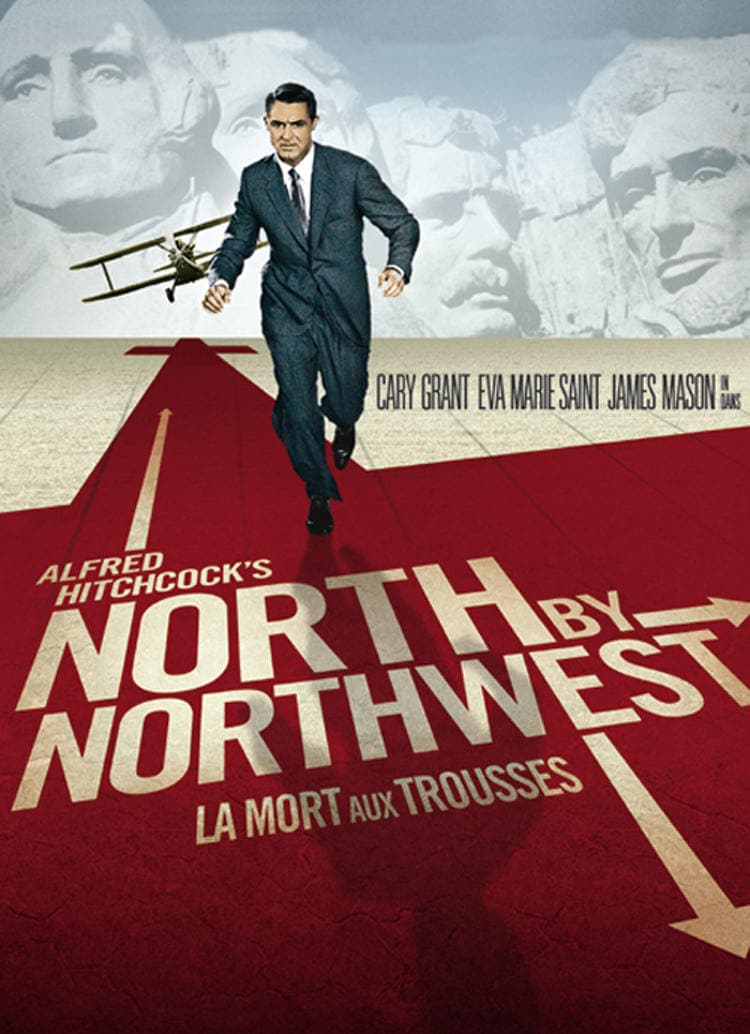
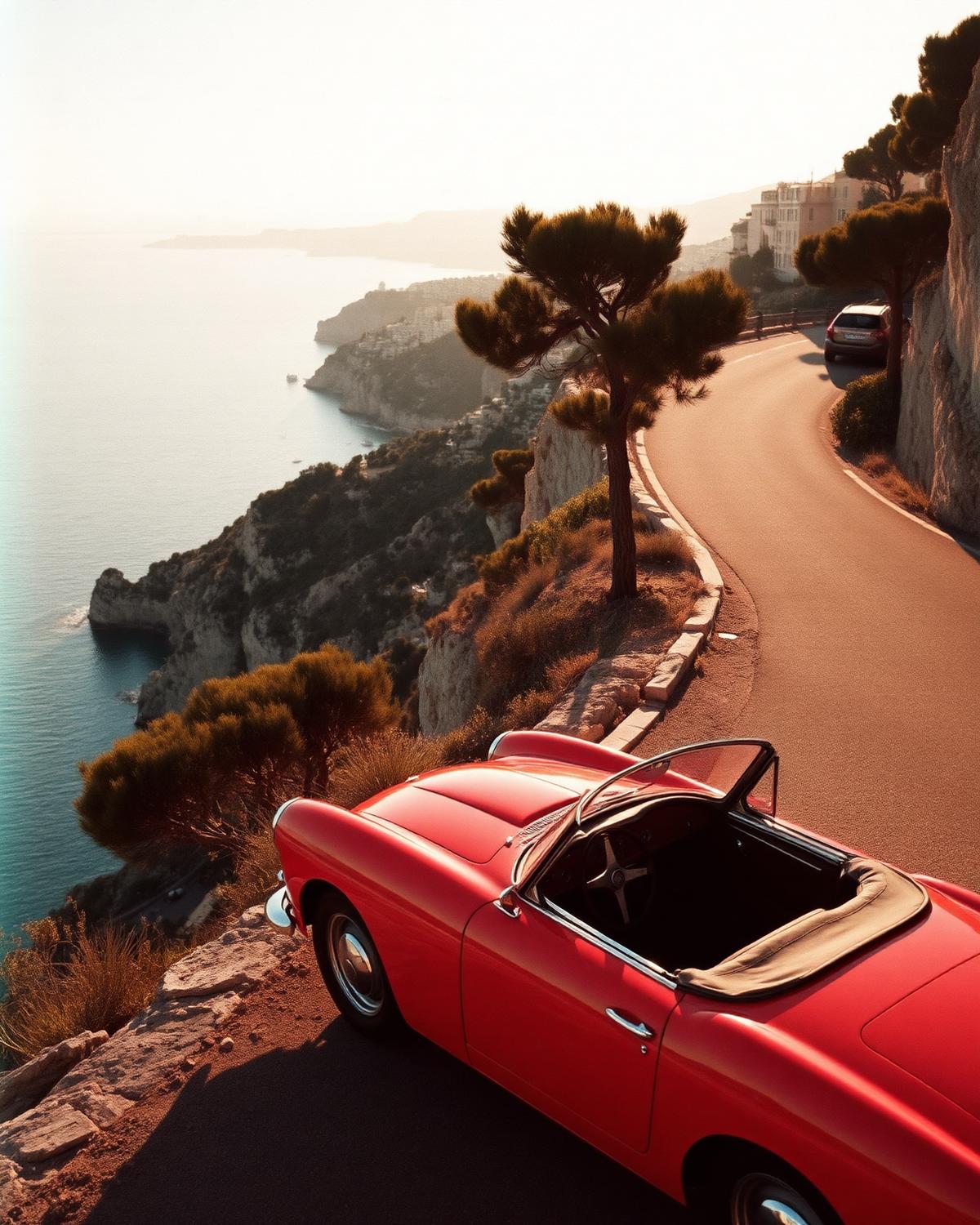
Burks photographed two of the films that most fixed Grant's screen image in its final, most polished form. To Catch a Thief (1955), shot largely on location on the French Riviera opposite Grace Kelly, used Burks's VistaVision color photography to turn Grant, at fifty-one, into an image of tanned, tailored ease against the Mediterranean coastline; the film won Burks the Academy Award for Best Cinematography. North by Northwest (1959) followed, its widescreen compositions — the Mount Rushmore climax, the crop-duster sequence shot on an open Indiana highway — becoming some of the most recognizable images in Grant's entire career.
Burks's other credits with Hitchcock include Rear Window (1954), Vertigo (1958) and The Birds (1963), giving him a hand in shaping the visual identity of Hitchcock's most celebrated decade. He worked in Technicolor, VistaVision and a range of aspect ratios, adapting his lighting and camera style to each film's demands rather than imposing a single signature look.
Burks died in a house fire in Fresno, California, in 1968, along with his wife, ending a partnership with Hitchcock that had defined an era of American studio cinematography.