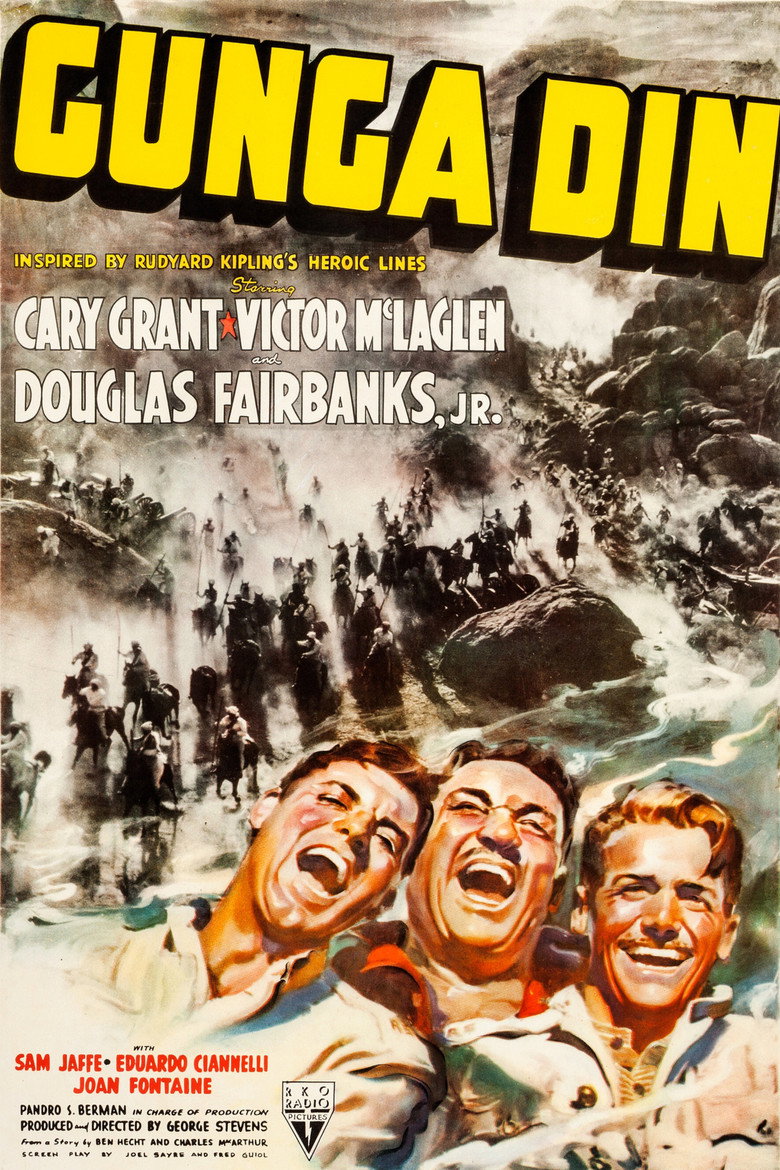
Gunga Din
George Stevens • 1939
Editorial ratings
- Cary Grant
- Story
- Direction
- Cinematography
- Entertainment
- Historical importance
British army sergeants Ballantine, Cutter and MacChesney serve in India during the 1880s, along with their native water-bearer, Gunga Din. While completing a dangerous telegraph-repair mission, they unearth evidence of the suppressed Thuggee cult. When Gunga Din tells the sergeants about a secret temple made of gold, the fortune-hunting Cutter is captured by the Thuggees, and it's up to his friends to rescue him.
Cary Grant plays Archibald Cutter, under the direction of George Stevens, released in 1939.
Featured quote
“You're a better man than I am, Gunga Din.”
Rudyard Kipling
Introduction
One of Hollywood's greatest adventure epics and an important milestone in Cary Grant's evolution.
The Story
Three sergeants confront the Thuggee cult while Gunga Din becomes the story's unexpected hero.
Production & Behind the Scenes
George Stevens staged massive practical action sequences and filmed extensively in California.
Cary Grant's Performance
Grant balances comedy, action, and humanity in one of his finest adventure roles.
George Stevens' Direction & Themes
Friendship, courage, sacrifice, and duty drive both the action and emotional core.
Historical Context
A landmark 1939 production best appreciated alongside an understanding of its colonial-era perspective.
Legacy & Influence
A major influence on Spielberg and the modern adventure genre.
Gallery
Production & release
1938
Production begins
George Stevens starts filming for RKO.
Late 1938
Principal photography completed
Location shooting wraps in California.
February 17, 1939
Film released
RKO Radio Pictures releases Gunga Din.
1940s–1970s
Recognized as an adventure classic
Reputation grows across generations.
1981
Influences Raiders of the Lost Ark
Spielberg cites the film as inspiration.
Today
Landmark adventure film
Regarded as a Golden Age classic.
Collaborators.
George Stevens began his film career as a cameraman, shooting Laurel and Hardy short comedies in the late 1920s before moving into directing in the 1930s. He built a reputation as one of Hollywood's most meticulous craftsmen, working across genres from adventure and comedy to social drama and epic western over a career spanning three decades. During the Second World War, Stevens headed a military film unit that documented the Normandy landings and the liberation of the Dachau concentration camp; the footage he shot was later used as evidence at the Nuremberg trials. Colleagues and biographers have consistently identified this wartime experience as a turning point that darkened the tone of his postwar work, moving him away from the lighter comedies of his earlier career. His postwar films included "A Place in the Sun" (1951), "Shane" (1953), and "Giant" (1956), for which he won two Academy Awards for Best Director, and later "The Diary of Anne Frank" (1959) and "The Greatest Story Ever Told" (1965). His prewar work with Cary Grant, by contrast, belongs to the more purely entertainment-driven period before his wartime service.
Joan Fontaine was born Joan de Beauvoir de Havilland in 1917 in Tokyo, Japan, to British parents, and moved to California as a child with her older sister, the actress Olivia de Havilland. The sisters' rivalry became one of the most documented estrangements in Hollywood history, reportedly beginning in childhood and hardening over subsequent decades; the two did not speak for years at a time, and their feud persisted until Fontaine's death. Fontaine's career reached its height under Alfred Hitchcock, who cast her as the anxious young bride in Rebecca (1940) opposite Laurence Olivier, earning her the first of two consecutive Best Actress nominations, and then in Suspicion (1941) opposite Cary Grant, for which she won the Academy Award for Best Actress — the only performer ever to win an acting Oscar in a Hitchcock-directed film. In Suspicion, Fontaine played a woman who comes to suspect her charming husband, played by Grant, of plotting to murder her, a role built around sustained psychological dread. She continued as a leading lady through the 1940s and 1950s in films including The Constant Nymph (1943), for which she received a further Oscar nomination, and Letter from an Unknown Woman (1948), directed by Max Ophüls. Her later career included television work and stage appearances, and she was married four times. Fontaine died in 2013 in Carmel, California, two days after her sister Olivia's own advancing age made reconciliation between them permanently foreclosed. She is remembered as one of the defining Hitchcock heroines and for an Oscar win that remains a singular data point in the director's history with the Academy.
Cast.
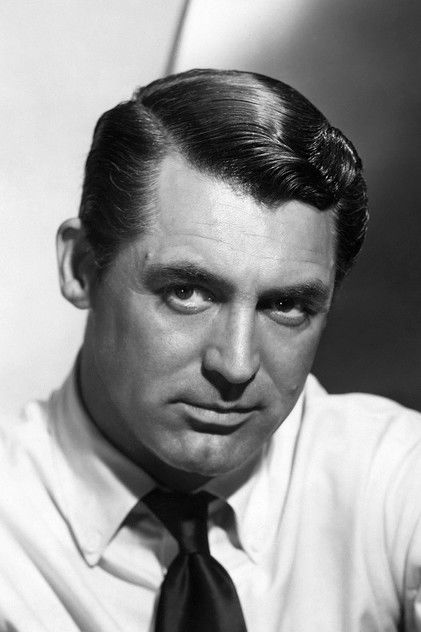
Cary Grant as Archibald Cutter
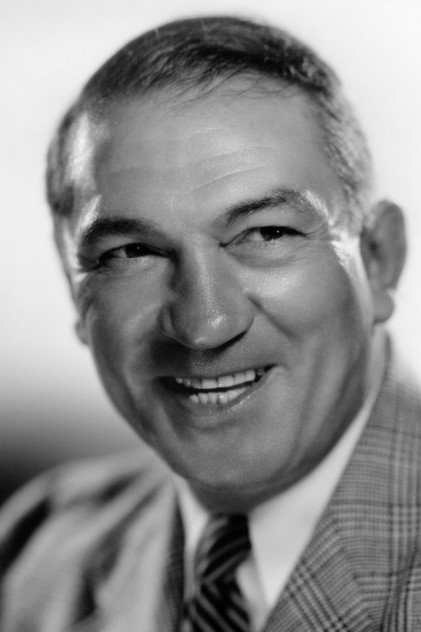
Victor McLaglen as MacChesney
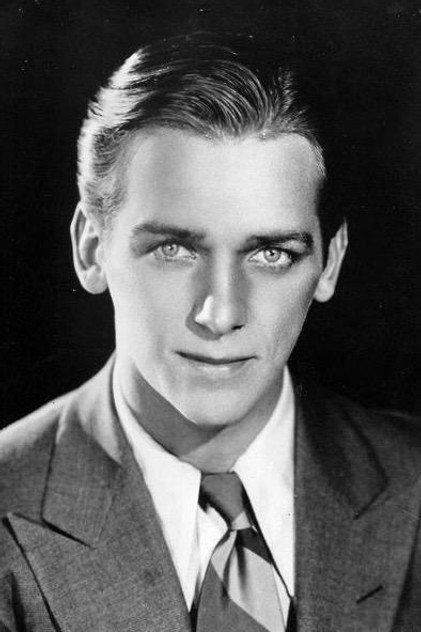
Douglas Fairbanks Jr. as Thomas Anthony Ballantine
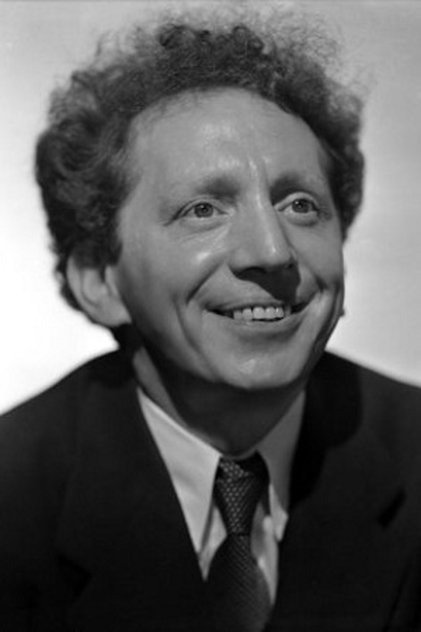
Sam Jaffe as Gunga Din
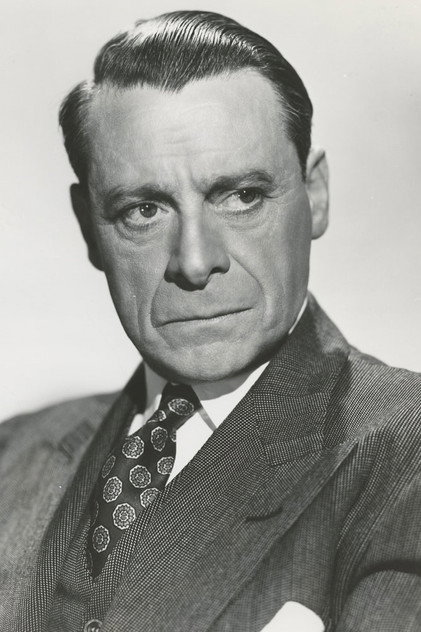
Eduardo Ciannelli as Guru
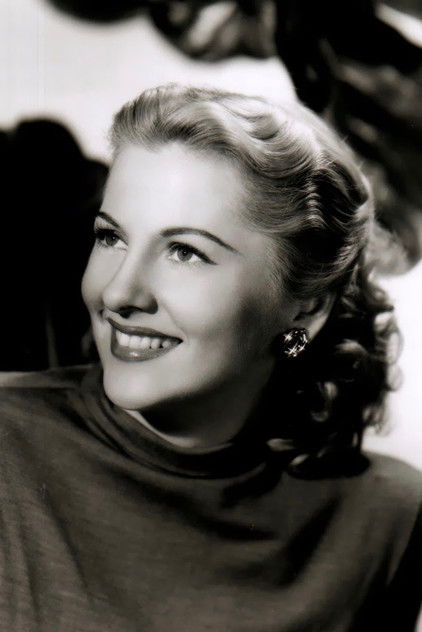
Joan Fontaine as Emmaline "Emmy" Stebbins
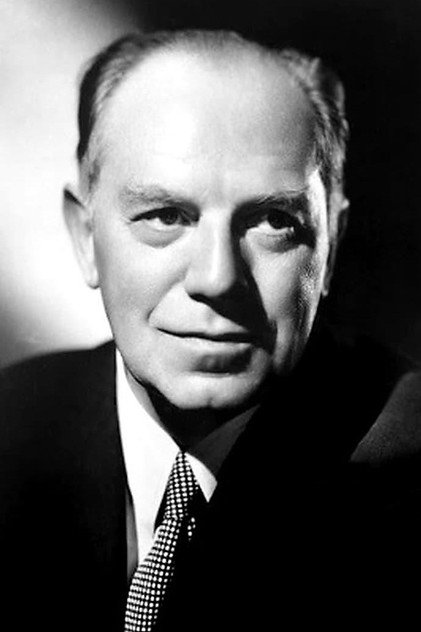
Montagu Love as Colonel Weed
Full billed cast of Gunga Din (1939).
Players in billing order, with the characters they play.
- Cary Grantas Archibald Cutter
- Victor McLaglenas MacChesney
- Douglas Fairbanks Jr.as Thomas Anthony Ballantine
- Sam Jaffeas Gunga Din
- Eduardo Ciannellias Guru
- Joan Fontaineas Emmaline "Emmy" Stebbins
- Montagu Loveas Colonel Weed
- Robert Cooteas Bertie Higginbotham
- Abner Bibermanas Chota
- Lumsden Hareas Major Mitchell
- Leslie Sketchleyas Corporal (uncredited)
- Olin Francisas Fulad (uncredited)
- Ann Eversas Girl at Party (uncredited)
- Audrey Mannersas Girl at Party (uncredited)
- Fay McKenzieas Girl at Party (uncredited)
- Lal Chand Mehraas Jadoo (uncredited)
- Clive Morganas Lancer Captain (uncredited)
- Roland Varnoas Lt. Markham (uncredited)
- Frank Leyvaas Merchant (uncredited)
- Cecil Kellawayas Mr. Stebbins (uncredited)
- George Du Countas Pandu Lal (uncredited)
- Reginald Sheffieldas Rudyard Kipling - Journalist
- Bryant Fryeras Scottish Sergeant (uncredited)
- Charles Bennettas Telegraph Operator (uncredited)
- Jamiel Hassonas Thug Chieftain (uncredited)
- George Regasas Thug Chieftain (uncredited)
- John Albanas (uncredited)
- Joe De La Cruzas (uncredited)
- Joe McGuinnas (uncredited)
- Richard Farnsworthas (uncredited)
- Sam Harrisas (uncredited)
- Thom Metzettias (uncredited)
- Art Mixas (uncredited)
- Satini Pualoaas (uncredited)
- Allen Schuteas (uncredited)
- Paul Singhas (uncredited)
- Tom Tamarezas (uncredited)
- Carlie Tayloras (uncredited)
- Bruce Wyndhamas (uncredited)
- Stuart Hallas Party Guest (uncredited)
Crew.
- Art DirectionVan Nest Polglase
- DirectorGeorge Stevens
- Director of PhotographyJoseph H. August
- EditorHenry Berman
- EditorJohn Lockert
- Original Music ComposerAlfred Newman
- ProducerGeorge Stevens
- ScreenplayJoel Sayre
- ScreenplayFred Guiol
- StoryCharles MacArthur
- StoryBen Hecht
A quiet dispatch,
once a month.
One considered essay in your inbox each month. No promotions, no algorithms, no forwarding. Unsubscribe with a single click.
Other studies.
Cary Grant and Deborah Kerr headline an elegant romantic comedy exploring whether the perfect partner exists—or whether perfection itself is an illusion.
A thoughtful wartime satire blending romance, comedy, and commentary on celebrity culture.
Cary Grant and Audrey Hepburn create one of cinema's most elegant romantic mysteries—a thrilling game of deception, danger, and unexpected love.