His Girl Friday
The lightning-fast newsroom comedy that paired Cary Grant and Rosalind Russell in one of the sharpest, funniest, and most influential romantic comedies ever made.
Editorial ratings
- Cary Grant
- Story
- Direction
- Cinematography
- Entertainment
- Historical importance
Walter Burns is an irresistibly conniving newspaper publisher desperate to woo back his paper’s star reporter, who also happens to be his estranged wife. She’s threatening to quit and settle down with a new beau, but, as Walter knows, she has a weakness: she can’t resist a juicy scoop.
Cary Grant plays Walter Burns, under the direction of Howard Hawks, released in 1940.
Featured quote
“Take Hitler and stick him on the funny pages.”
Cary Grant as Walter Burns — Burns clears the front page for his own story.
Introduction
Howard Hawks' masterpiece transformed The Front Page into an exhilarating battle of wit between former spouses, combining romance, journalism, and extraordinary comic rhythm.
The Story
Walter Burns uses every possible tactic to keep Hildy Johnson from leaving journalism, while an escaped prisoner and political scandal provide the story of a lifetime.
Production & Behind the Scenes
The inspired decision to make Hildy a woman revolutionized the adaptation. Hawks pioneered overlapping dialogue while Cary Grant and Rosalind Russell created one of cinema's greatest pairings.
Cary Grant's Performance
Grant turns Walter Burns into an endlessly charismatic manipulator whose intelligence, confidence, and warmth define one of the finest comic performances in film history.
Howard Hawks' Direction & Themes
Hawks trusted audiences to follow rapid overlapping dialogue while exploring ambition, identity, ethics, and the romance of professional excellence.
Historical Context
Released in 1940, the film reflected the golden age of newspapers and introduced one of Hollywood's most progressive female protagonists.
Legacy & Influence
Its influence can be seen in Broadcast News, The West Wing, The Newsroom, and countless workplace comedies built around intelligent dialogue.
Gallery
Production & release
1928
The Front Page premieres on Broadway.
1931
First film adaptation released.
1939
Howard Hawks develops new adaptation.
January 18, 1940
His Girl Friday released.
1993
National Film Registry selection.
Today
Considered one of the greatest American comedies.
Collaborators.
Howard Hawks worked across nearly every major American film genre — screwball comedy, gangster picture, western, war film, noir, musical — with a directorial style so understated that his authorship went largely unrecognised by American critics until French New Wave writers, particularly at Cahiers du cinéma, championed him in the 1950s and 1960s as a defining auteur of Hollywood cinema. Hawks favored fast, overlapping dialogue, self-sufficient professional characters, and a recurring interest in tight groups bound by competence and loyalty rather than sentiment, visible across films as different as "Scarface" (1932), "Bringing Up Baby" (1938), "Only Angels Have Wings" (1939), and "Red River" (1948). He directed Cary Grant more often than any director besides Alfred Hitchcock, across five films spanning nearly fifteen years and several genres, including two of the defining screwball comedies of the studio era. Hawks received an Academy Honorary Award in 1975 in recognition of a career that had never won him a competitive Oscar.
Rosalind Russell was born in Waterbury, Connecticut, in 1907 and built her career on a specific and, for the period, unusual figure: the fast-talking, competent, unsentimental working woman, playing the type across three decades when few scripts allowed women that combination of intelligence and independence. Her defining performance opposite Grant came in Howard Hawks's His Girl Friday (1940), playing star reporter Hildy Johnson to Grant's conniving editor Walter Burns. Russell was not Hawks's first choice for the role — several established actresses reportedly turned it down before she was cast — and she is said to have hired her own writer to sharpen her lines to keep pace with Grant's. The resulting overlapping, rapid-fire dialogue between the two remains among the fastest sustained comic playing captured in American film, clocked by later scholars at well above normal screen dialogue speed. Russell's other major credits bracket that performance on both sides: George Cukor's The Women (1939), just before, and My Sister Eileen (1942) shortly after, followed later by two of her signature stage-to-screen vehicles, Auntie Mame (1958) and Gypsy (1962), in which she played Mama Rose. She received four Academy Award nominations for Best Actress over her career without a competitive win, and five Golden Globe Awards. In 1973, the Academy recognized her humanitarian work, much of it centered on arthritis research following her own long struggle with rheumatoid arthritis, with the Jean Hersholt Humanitarian Award. She died in 1976.
Ralph Bellamy was born in Chicago in 1904 and built a durable Hollywood career on a very specific comic function: the decent, dull, entirely sincere rival who loses the girl to the more charming leading man. He played that role opposite Grant twice, in two of the defining screwball comedies of the era, and the type became so associated with him that "a Ralph Bellamy part" entered industry shorthand for the amiable also-ran. In Leo McCarey's The Awful Truth (1937), Bellamy played Oklahoma oilman Dan Leeson, the wholesome suitor competing with Grant's Jerry Warriner for Irene Dunne's affections; three years later, in Howard Hawks's His Girl Friday (1940), he played Bruce Baldwin, the insurance man courting Rosalind Russell's Hildy Johnson against Grant's fast-talking Walter Burns. That film contains one of the most quoted throwaway lines in Grant's career: describing Bellamy's character, Grant's Walter Burns says he looks "like that fellow in the movies — you know, Ralph Bellamy" — a joke made possible only because Bellamy himself was standing a few feet away playing the part. Bellamy's career extended well beyond these roles. He played Franklin D. Roosevelt on stage and screen in Sunrise at Campobello (1960), served four terms as president of Actors' Equity, and continued working into old age, appearing in Trading Places (1983) and Pretty Woman (1990) as elderly men of quiet authority. He received an Honorary Academy Award in 1987 "for his unique artistry and his distinguished service to the profession," a recognition of a career built as much on generosity to scene partners as on any single performance. He died in 1991.
Cast.
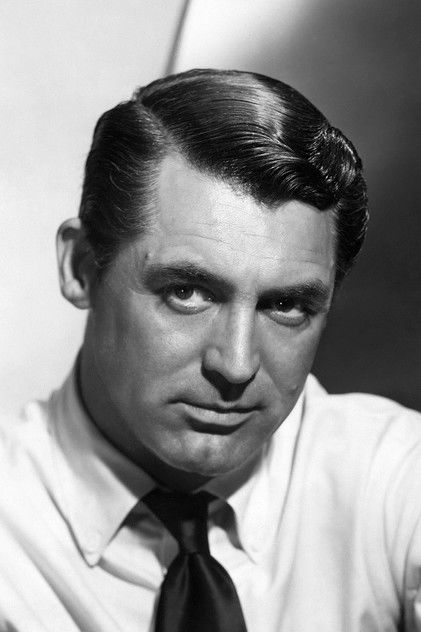
Cary Grant as Walter Burns
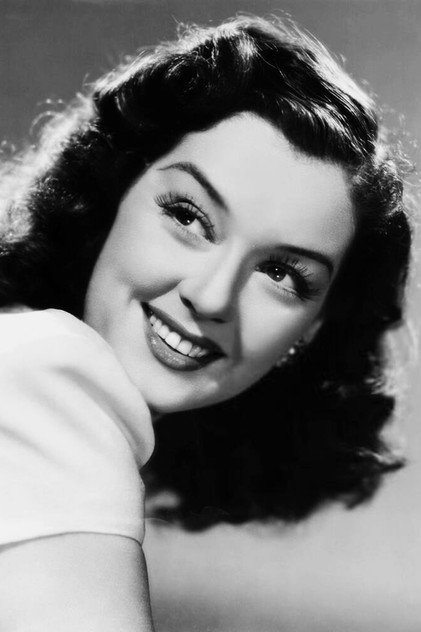
Rosalind Russell as Hildy Johnson
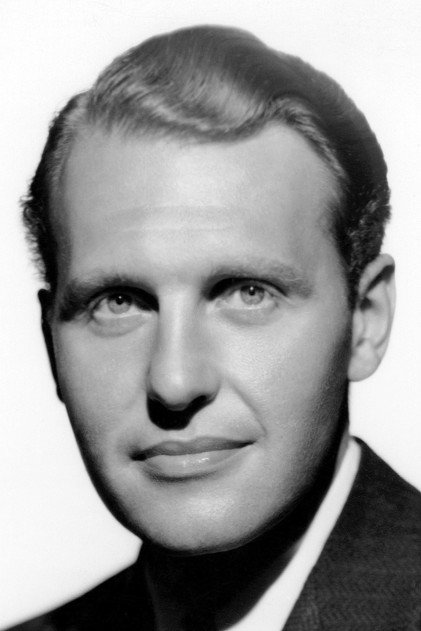
Ralph Bellamy as Bruce Baldwin
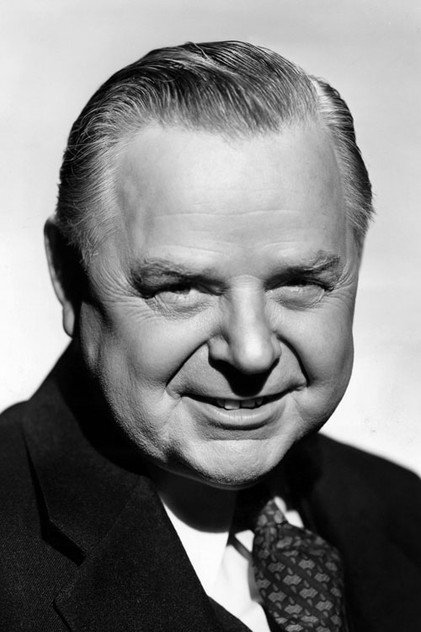
Gene Lockhart as Sheriff Hartwell
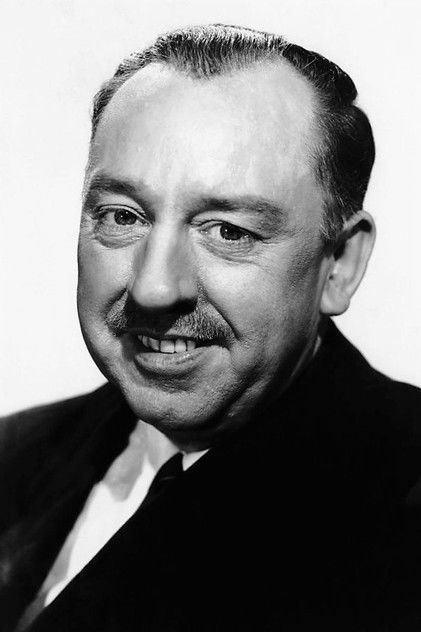
Porter Hall as Murphy
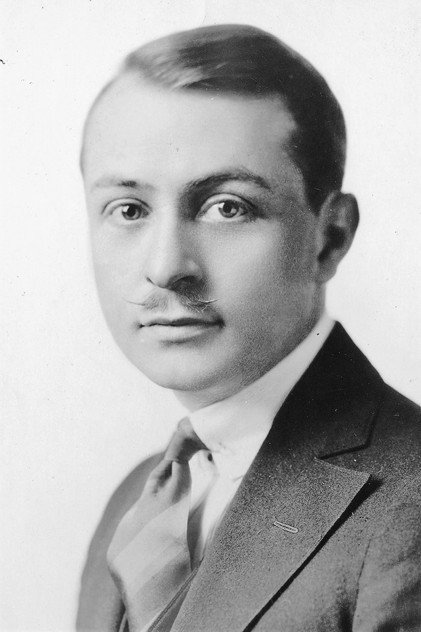
Ernest Truex as Bensinger
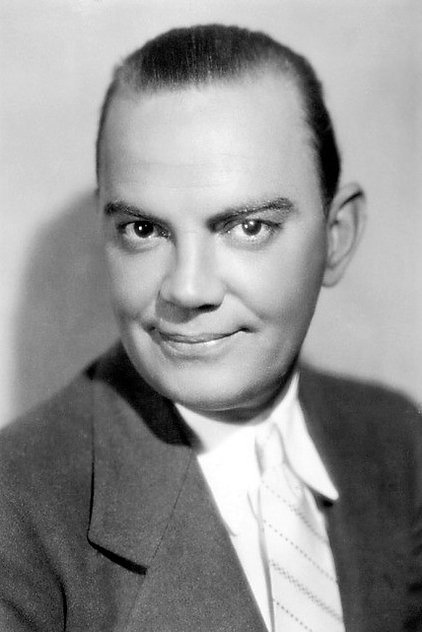
Cliff Edwards as Endicott
Full billed cast of His Girl Friday (1940).
Players in billing order, with the characters they play.
- Cary Grantas Walter Burns
- Rosalind Russellas Hildy Johnson
- Ralph Bellamyas Bruce Baldwin
- Gene Lockhartas Sheriff Hartwell
- Porter Hallas Murphy
- Ernest Truexas Bensinger
- Cliff Edwardsas Endicott
- Clarence Kolbas Mayor
- Roscoe Karnsas McCue
- Frank Jenksas Wilson
- Regis Toomeyas Sanders
- Abner Bibermanas Louie
- Frank Orthas Duffy
- John Qualenas Earl Williams
- Helen Mackas Mollie Malloy
- Alma Krugeras Mrs. Baldwin
- Billy Gilbertas Joe Pettibone
- Pat Westas Warden Cooley
- Edwin Maxwellas Dr. Egelhoffer
- Irving Baconas Gus (uncredited)
- Wade Boteleras Mike (uncredited)
- Harry C. Bradleyas Insurance Doctor (uncredited)
- Wheaton Chambersas Elevator Passenger (uncredited)
- Edmund Cobbas Cop (uncredited)
- Ann Doranas Newspaper Office Worker (uncredited)
- Ralph Dunnas Plainclothesman (uncredited)
- Earl Dwireas Pete Davis (uncredited)
- Pat Flahertyas Frank the Policeman (uncredited)
- Jack Gardneras Elevator Passenger (uncredited)
- Eddie Hartas Carl the Plainclothesman (uncredited)
- Marion Martinas Evangeline (uncredited)
- Frank McLureas Newsman (uncredited)
- James Millicanas Tim (uncredited)
- Gene Morganas Gene (uncredited)
- Delmar Watsonas Skinny (uncredited)
- Katherine Yorkeas Newspaper Office Worker (uncredited)
Crew.
- Art DirectionLionel Banks
- Costume DesignRobert Kalloch
- DirectorHoward Hawks
- Director of PhotographyJoseph Walker
- EditorGene Havlick
- Original Music ComposerFelix Mills
- Original Music ComposerSidney Cutner
- ProducerHoward Hawks
- ScreenplayBen Hecht
- ScreenplayCharles Lederer
Quotations from His Girl Friday
The Quotebook →“You’ve got an old-fashioned idea divorce is something that lasts forever, ’til death do us part.’ Why, divorce doesn’t mean anything nowadays, Hildy, just a few words mumbled over you by a judge.”
Cary Grant as Walter Burns · 1940VerifiedSpoken as Walter Burns in His Girl Friday (1940).
“There’s been a lamp burning in the window for ya, honey.”
Cary Grant as Walter Burns · 1940VerifiedSpoken as Walter Burns in His Girl Friday (1940).
A quiet dispatch,
once a month.
One considered essay in your inbox each month. No promotions, no algorithms, no forwarding. Unsubscribe with a single click.
Other studies.
Cary Grant and Deborah Kerr headline an elegant romantic comedy exploring whether the perfect partner exists—or whether perfection itself is an illusion.
A thoughtful wartime satire blending romance, comedy, and commentary on celebrity culture.
Cary Grant and Audrey Hepburn create one of cinema's most elegant romantic mysteries—a thrilling game of deception, danger, and unexpected love.