The Bishop's Wife
"The only people who grow old were born old to begin with."
Editorial ratings
- Cary Grant
- Story
- Direction
- Cinematography
- Entertainment
- Historical importance
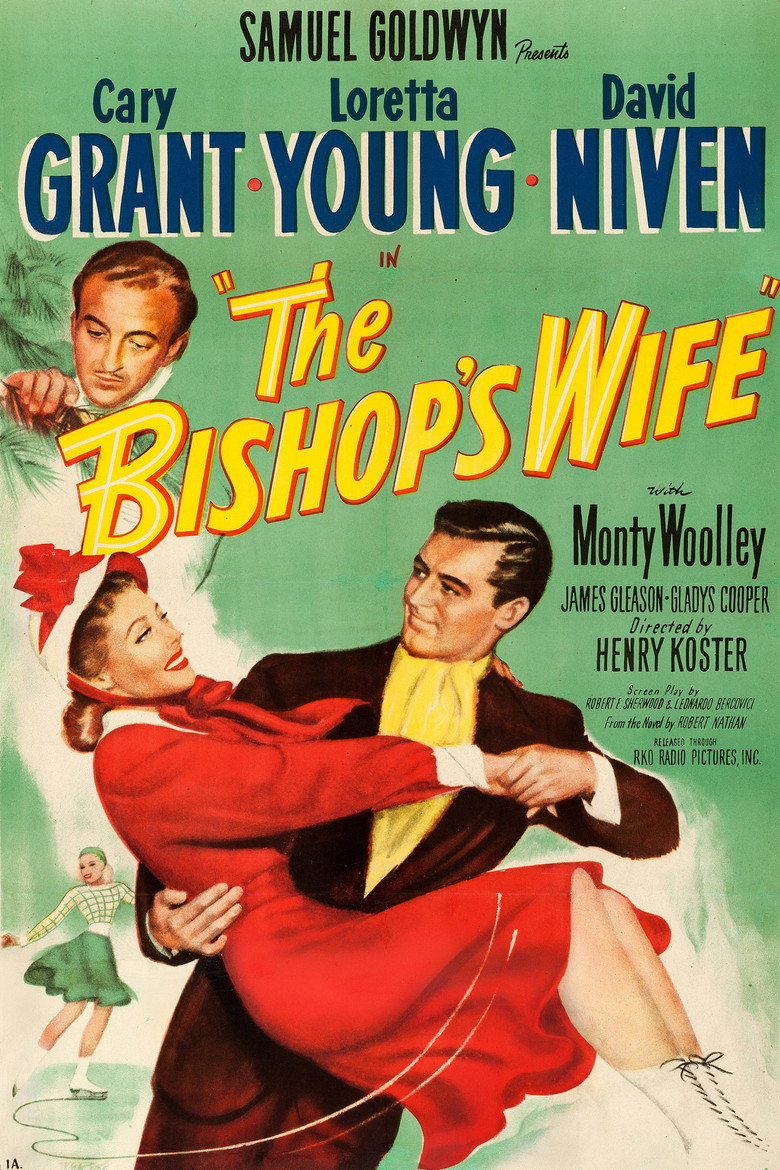
An Episcopal Bishop, Henry Brougham, has been working for months on the plans for an elaborate new cathedral which he hopes will be paid for primarily by a wealthy, stubborn widow. He is losing sight of his family and of why he became a churchman in the first place. Enter Dudley, an angel sent to help him. Dudley does help everyone he meets, but not necessarily in the way they would have preferred. With the exception of Henry, everyone loves him, but Henry begins to believe that Dudley is there to replace him, both at work and in his family's affections, as Christmas approaches.
Cary Grant plays Dudley, under the direction of Henry Koster, released in 1947.
Featured quote
“Sometimes angels rush in where fools fear to tread.”
Cary Grant as Dudley — Dudley the angel justifies his interference in the Broughams' marriage.
Introduction
A timeless fantasy about faith, love, and quiet miracles.
The Story
An angel helps a bishop rediscover what truly matters.
Production & Behind the Scenes
Directed by Henry Koster with Gregg Toland's luminous photography.
Cary Grant's Performance
Perhaps the purest expression of Grant's screen persona.
Direction & Themes
Faith, grace, compassion, and misplaced priorities.
Historical Context
A post-war classic emphasizing hope and renewal.
Legacy & Influence
One of cinema's most beloved Christmas films.
Gallery
Production & release
1946
Development Begins
Samuel Goldwyn develops the adaptation of Robert Nathan's novel.
1947
Director Change
Henry Koster replaces William Seiter as director.
1947
Roles Switched
Grant and Niven exchange roles; Grant becomes Dudley.
December 9, 1947
Premiere
The film premieres to warm reviews.
1948
Academy Award
Wins the Oscar for Best Sound Recording.
Today
Holiday Classic
Remains one of Hollywood's most cherished Christmas films.
Collaborators.
Loretta Young was born Gretchen Young in 1913 in Salt Lake City, Utah, and began appearing in silent films as a child, becoming a working actress by her teens and a major star by the early 1930s. She built a long career across genres, from pre-Code melodrama to prestige drama, appearing opposite Cary Grant in the pre-Code potboiler Born to Be Bad (1934), directed by Lowell Sherman. Young won the Academy Award for Best Actress for The Farmer's Daughter (1947), playing a Swedish immigrant who becomes a congresswoman, and received a further nomination for Come to the Stable (1949). Her film career included work with major directors across three decades, and she was known within the industry for strict personal standards on set, including a widely reported system of small fines for cast and crew who used profanity. In 1953 she made an unusual pivot for a film star of her stature, launching The Loretta Young Show, an anthology television series she hosted and frequently starred in, famously making a sweeping entrance through a doorway in a couture gown at the start of each episode. The show ran for eight seasons and won Young two Emmy Awards, establishing her as a successful producer under her own name at a time when few actresses controlled their own television production. She died in 2000 in Beverly Hills, having also faced, later in life, a paternity dispute over her daughter Judy Lewis's parentage involving Clark Gable, publicly acknowledged only in Young's later years. She is remembered both for her Oscar-winning film work and as a pioneer of actress-driven television production.
James David Graham Niven was born in Belgravia, London, on 1 March 1910. His father was killed at Gallipoli in 1915 when Niven was five. He was educated at Stowe School and the Royal Military College, Sandhurst, and served as an officer in the Highland Light Infantry before resigning his commission in the mid-1930s to try his luck in Hollywood, arriving with little more than his charm and connections. He worked as a bit player through the mid-1930s before signing with Samuel Goldwyn and landing more substantial roles, including in Wuthering Heights (1939) opposite Laurence Olivier and Merle Oberon. When Britain declared war in 1939, Niven returned home and rejoined the army, serving through the Second World War — one of the few established Hollywood stars to do so — including with the Army Film and Photographic Unit. After the war he resumed his film career, starring in A Matter of Life and Death (1946, released in the US as Stairway to Heaven) and building a long run as a debonair leading man through the 1950s, including Around the World in 80 Days (1956). He won the Academy Award for Best Actor for Separate Tables (1958), playing a disgraced major. Niven's first wife, Primmie (Primula Rollo), died in 1946 from injuries sustained in a fall at a party in Hollywood, a tragedy he rarely discussed publicly. Later in life he became a celebrated memoirist, publishing The Moon's a Balloon (1971) and Bring On the Empty Horses (1975), both bestsellers praised for their wit. He died in Château-d'Oex, Switzerland, on 29 July 1983, of complications from ALS.
Cast.
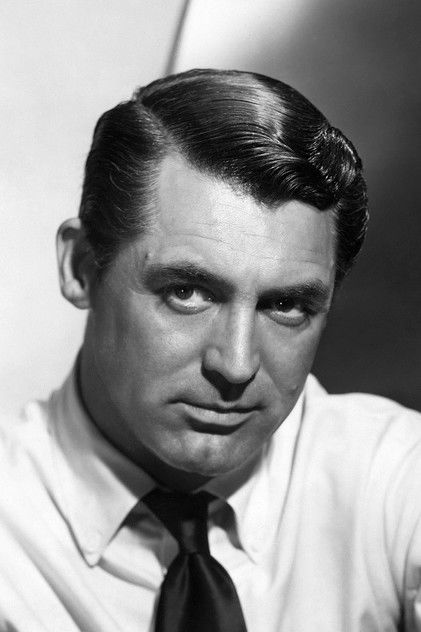
Cary Grant as Dudley
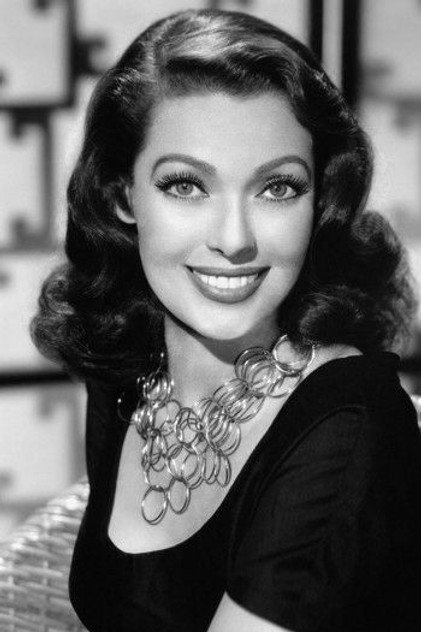
Loretta Young as Julia Brougham
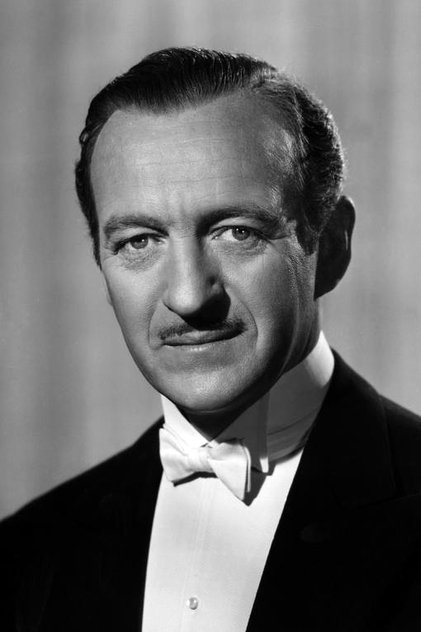
David Niven as Henry Brougham
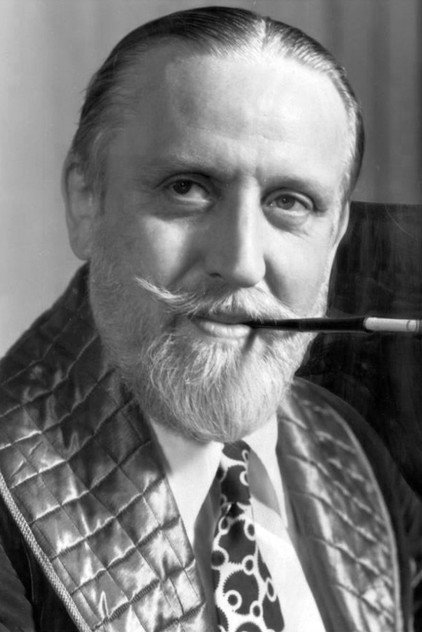
Monty Woolley as Professor Wutheridge
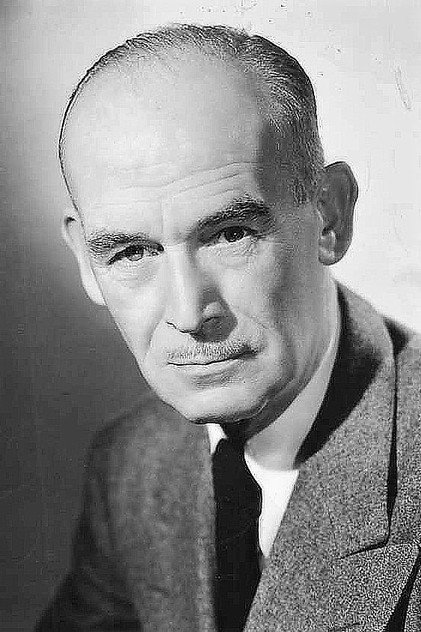
James Gleason as Sylvester
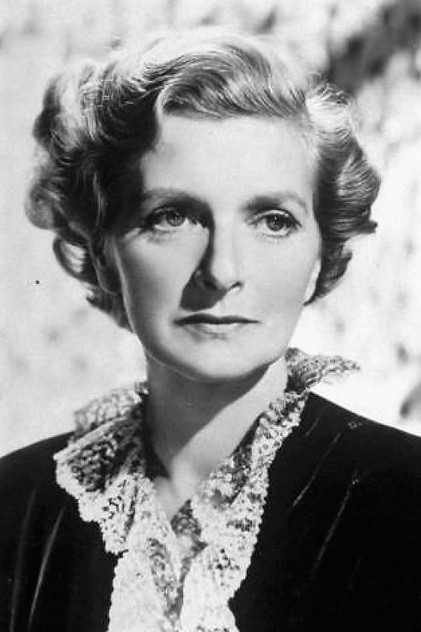
Gladys Cooper as Mrs. Hamilton
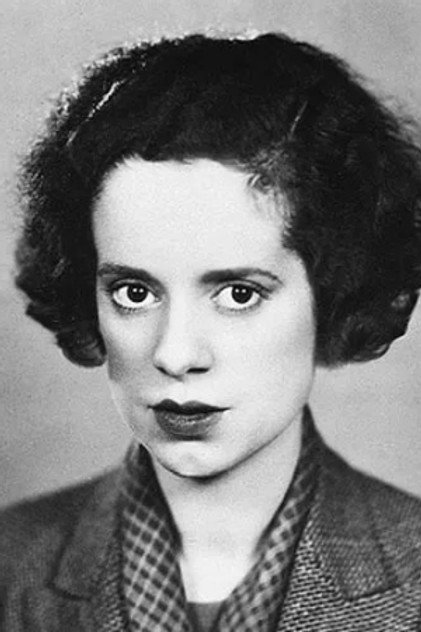
Elsa Lanchester as Matilda
Full billed cast of The Bishop's Wife (1947).
Players in billing order, with the characters they play.
- Cary Grantas Dudley
- Loretta Youngas Julia Brougham
- David Nivenas Henry Brougham
- Monty Woolleyas Professor Wutheridge
- James Gleasonas Sylvester
- Gladys Cooperas Mrs. Hamilton
- Elsa Lanchesteras Matilda
- Sara Hadenas Mildred Cassaway
- Karolyn Grimesas Debby Brougham
- Tito Vuoloas Maggenti
- Regis Toomeyas Mr. Miller
- Sarah Edwardsas Mrs. Duffy
- Margaret McWadeas Miss Trumbull
- Anne O'Nealas Mrs. Ward
- Ben Erwayas Mr. Perry
- Erville Aldersonas Stevens
- Robert J. Andersonas Defense Captain
- Teddy Infuhras Attack Captain
- Eugene Bordenas Michel
- Almira Sessionsas First Lady in Michel's
- Claire Du Breyas Second Lady in Michel's
- Florence Aueras Third Lady in Michel's
- Margaret Wellsas Hat Shop Proprietress
- Kitty O'Neilas Hat Shop Customer
- Isabel Jewellas Hysterical Mother
- David Leonardas Blind Man
- Dorothy Vaughanas Delia
- Edgar Dearingas Policeman
- Sheryl Deauvilleas Singing Girl (uncredited)
- Dick Earleas Churchgoer (uncredited)
- Edythe Elliottas Saleslady (uncredited)
- Adolph Faylaueras Churchgoer (uncredited)
- Joseph J. Greeneas Santa Claus (uncredited)
- Thomas Martinas Churchgoer (uncredited)
- Allen D. Sewallas Churchgoer (uncredited)
- Ellinor Vanderveeras Restaurant Patron (uncredited)
Crew.
- Art DirectionPerry Ferguson
- Art DirectionGeorge Jenkins
- Costume DesignAdrian
- Costume DesignIrene Sharaff
- DirectorHenry Koster
- Director of PhotographyGregg Toland
- EditorMonica Collingwood
- Original Music ComposerHugo Friedhofer
- ProducerSamuel Goldwyn
- ScreenplayLeonardo Bercovici
- ScreenplayRobert E. Sherwood
Quotations from The Bishop's Wife
The Quotebook →A quiet dispatch,
once a month.
One considered essay in your inbox each month. No promotions, no algorithms, no forwarding. Unsubscribe with a single click.
Other studies.
Cary Grant and Deborah Kerr headline an elegant romantic comedy exploring whether the perfect partner exists—or whether perfection itself is an illusion.
A thoughtful wartime satire blending romance, comedy, and commentary on celebrity culture.
Cary Grant and Audrey Hepburn create one of cinema's most elegant romantic mysteries—a thrilling game of deception, danger, and unexpected love.