Arsenic and Old Lace
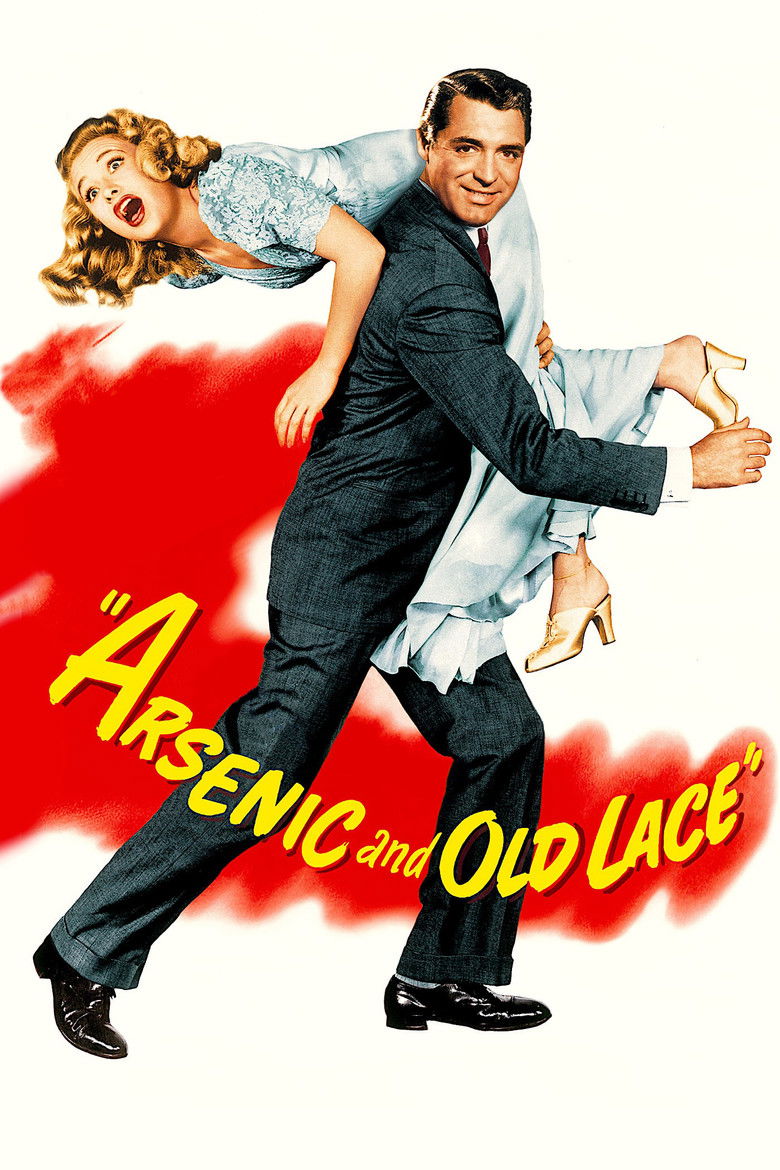
Cary Grant unleashes one of his wildest comedic performances in Frank Capra's legendary black comedy about murder, madness, and a very unusual family.
Editorial ratings
- Cary Grant
- Story
- Direction
- Cinematography
- Entertainment
- Historical importance
Mortimer Brewster, a newspaper drama critic, playwright, and author known for his diatribes against marriage, suddenly falls in love and gets married; but when he makes a quick trip home to tell his two maiden aunts, he finds out his aunts' hobby - killing lonely old men and burying them in the cellar!
Cary Grant plays Mortimer Brewster, under the direction of Frank Capra, released in 1944.
Featured quote
“Insanity runs in my family. It practically gallops.”
Cary Grant as Mortimer Brewster — As Mortimer Brewster in Arsenic and Old Lace, dir. Frank Capra.
Introduction
Released in 1944, Arsenic and Old Lace allowed Cary Grant to abandon his usual sophistication and create one of his most memorable comic performances.
The Story
Mortimer Brewster discovers that his beloved aunts have been secretly murdering lonely gentlemen, forcing him to navigate an increasingly absurd family crisis.
Production & Behind the Scenes
Directed by Frank Capra and adapted from Joseph Kesselring's Broadway hit, the film preserved the theatrical energy of the original while showcasing Grant's extraordinary comic timing.
Cary Grant's Performance
Grant transforms panic into comedy, playing Mortimer Brewster as the only reasonable person surrounded by completely unreasonable circumstances.
Direction & Themes
Frank Capra explores family identity, appearance versus reality, and the strange ways people define normality.
Historical Context
Released during World War II, the film provided audiences with escapism and laughter during a difficult period.
Legacy & Influence
The film remains one of Hollywood's greatest black comedies and one of Cary Grant's defining comedic performances.
Gallery
Production & release
1939
Frank Capra releases Mr. Smith Goes to Washington.
1941
Arsenic and Old Lace is filmed.
1943
Grant expands his dramatic range with Destination Tokyo and Mr. Lucky.
1944
Arsenic and Old Lace released by Warner Bros.
Collaborators.
Frank Capra was born in Sicily in 1897 and emigrated to Los Angeles as a child. He studied chemical engineering at the California Institute of Technology before entering the film industry, eventually working his way from gag writing for Hal Roach and Mack Sennett to directing at Columbia Pictures in the late 1920s. Through the 1930s Capra defined a distinctive strain of American populist comedy and drama built around ordinary decency confronting corruption and cynicism, in films including "It Happened One Night" (1934), "Mr. Deeds Goes to Town" (1936), "You Can't Take It with You" (1938), and "Mr. Smith Goes to Washington" (1939). He won the Academy Award for Best Director three times, for "It Happened One Night," "Mr. Deeds Goes to Town," and "You Can't Take It with You." During the Second World War Capra served in the Army Signal Corps, producing the "Why We Fight" documentary series. His postwar work, including "It's a Wonderful Life" (1946), was received more coolly at the time than the acclaim it later accumulated, and his career slowed considerably through the 1950s as his brand of sentimental optimism fell out of critical and commercial favor. Capra directed Cary Grant only once, late in Grant's run of manic wartime comedies, in a project markedly darker in tone than Capra's signature work.
Priscilla Lane was born Priscilla Mullican in Indianola, Iowa, in 1915, one of four sisters — Rosemary, Lola, Leota and Priscilla — who performed together as the singing Lane Sisters before Priscilla signed a contract at Warner Bros. in the late 1930s. She quickly became one of the studio's brighter ingenue leads, playing opposite James Cagney in The Roaring Twenties (1939) and starring for Alfred Hitchcock in the wartime thriller Saboteur (1942), one of the director's leaner and more overtly propagandistic pictures. Her best-remembered role came in Frank Capra's black comedy Arsenic and Old Lace, shot in 1941 but held from release until 1944 because of wartime restrictions on releasing films based on running Broadway plays. Lane played Elaine Harper, the minister's daughter who marries Grant's Mortimer Brewster on the same day he begins discovering his aunts' habit of poisoning lonely old men in the cellar; her role is largely reactive, giving Grant's increasingly frantic double-takes room to work, but it remains her most widely seen performance by far. Lane's career was comparatively brief. She retired from acting in 1948, still in her early thirties, and did not return to the screen, choosing family life over a continued career at a moment when many of her Warner Bros. contemporaries were still working. She died in 1995 in Andover, Massachusetts. Her retirement makes her filmography compact rather than sprawling, but Arsenic and Old Lace's enduring popularity as a stage and screen staple has kept her performance, and her name, in continuous circulation long after her own departure from the business.
Cast.

Priscilla Lane as Elaine Harper Brewster
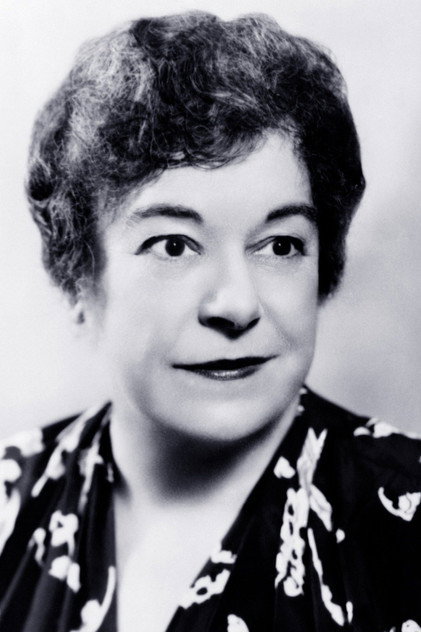
Josephine Hull as Aunt Abby Brewster
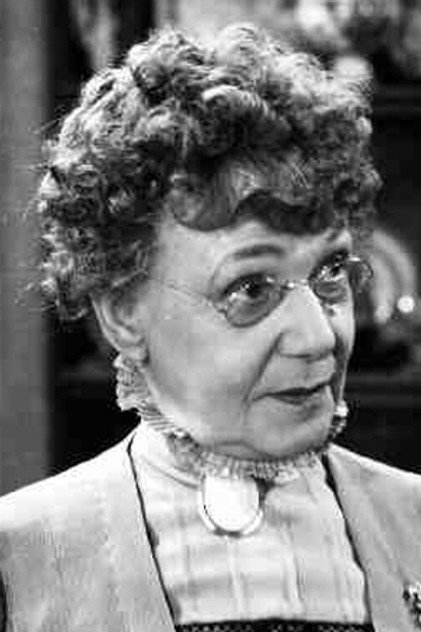
Jean Adair as Aunt Martha Brewster
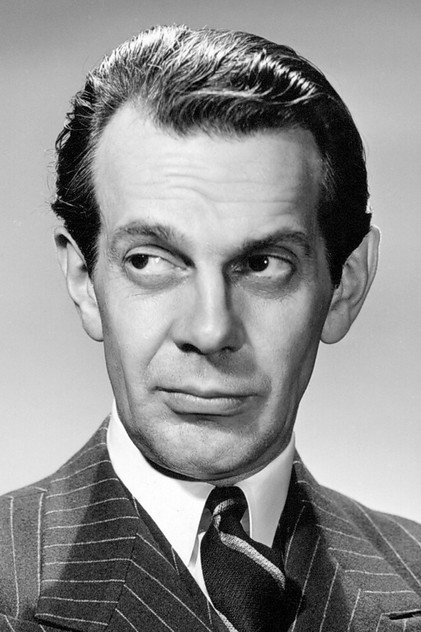
Raymond Massey as Jonathan Brewster
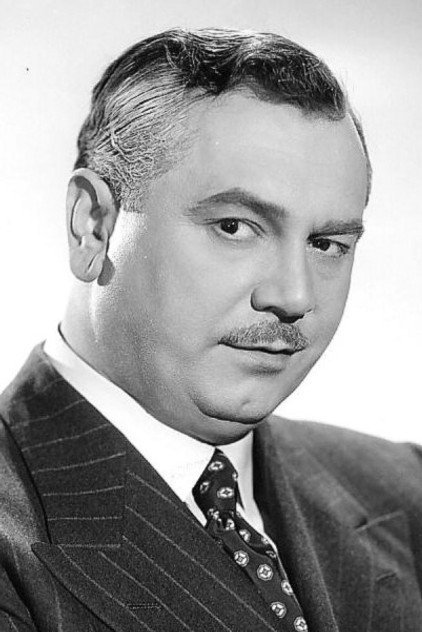
John Alexander as 'Teddy Roosevelt' Brewster

Peter Lorre as Dr. Einstein
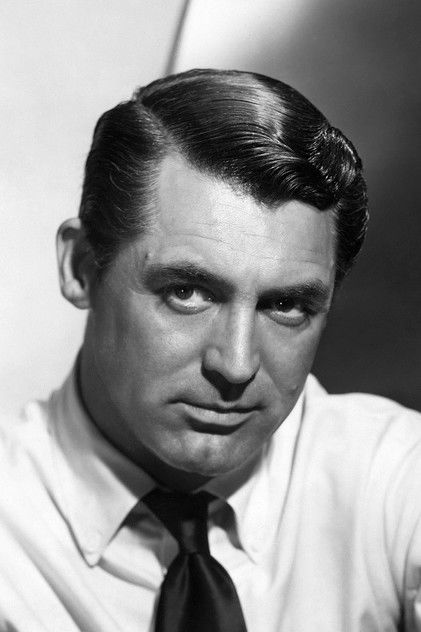
Cary Grant as Mortimer Brewster
Full billed cast of Arsenic and Old Lace (1944).
Players in billing order, with the characters they play.
- Cary Grantas Mortimer Brewster
- Priscilla Laneas Elaine Harper Brewster
- Josephine Hullas Aunt Abby Brewster
- Jean Adairas Aunt Martha Brewster
- Raymond Masseyas Jonathan Brewster
- John Alexanderas 'Teddy Roosevelt' Brewster
- Peter Lorreas Dr. Einstein
- Jack Carsonas Officer Patrick O'Hara
- Edward Everett Hortonas Mr. Witherspoon
- James Gleasonas Lt. Rooney
- Grant Mitchellas Reverend Harper
- Edward McNamaraas Sergeant Brophy
- Garry Owenas Taxi Cab Driver
- John Ridgelyas Officer Saunders
- Vaughan Glaseras Judge Cullman
- Chester Cluteas Dr. Gilchrist
- Charles Laneas Reporter at Marriage License Office
- Edward McWadeas Gibbs
- Hank Mannas Photographer at Marriage License Office (uncredited)
- Spencer Chartersas Marriage License Clerk
- Sol Gorssas New York Pitcher (uncredited)
- Lee Phelpsas Umpire (uncredited)
- Raymond Walburnas Drummer at baseball game (uncredited)
- Spec O'Donnellas Young Man in Line (uncredited)
- Leo Whiteas Man in Phone Booth (uncredited)
Crew.
- Art DirectionMax Parker
- Costume DesignOrry-Kelly
- DirectorFrank Capra
- Director of PhotographySol Polito
- EditorDaniel Mandell
- Original Music ComposerLeo F. Forbstein
- Original Music ComposerMax Steiner
- ProducerJack L. Warner
- ProducerFrank Capra
- ScreenplayJulius J. Epstein
- ScreenplayPhilip G. Epstein
Players in common.
Quotations from Arsenic and Old Lace
The Quotebook →A quiet dispatch,
once a month.
One considered essay in your inbox each month. No promotions, no algorithms, no forwarding. Unsubscribe with a single click.
Other studies.
Cary Grant and Deborah Kerr headline an elegant romantic comedy exploring whether the perfect partner exists—or whether perfection itself is an illusion.
A thoughtful wartime satire blending romance, comedy, and commentary on celebrity culture.
Cary Grant and Audrey Hepburn create one of cinema's most elegant romantic mysteries—a thrilling game of deception, danger, and unexpected love.