← Explore
Director · 1897–1991
Frank Capra
Frank Capra was born in Sicily in 1897 and emigrated to Los Angeles as a child. He studied chemical engineering at the California Institute of Technology before entering the film industry, eventually working his way from gag writing for Hal Roach and Mack Sennett to directing at Columbia Pictures in the late 1920s.
Through the 1930s Capra defined a distinctive strain of American populist comedy and drama built around ordinary decency confronting corruption and cynicism, in films including "It Happened One Night" (1934), "Mr. Deeds Goes to Town" (1936), "You Can't Take It with You" (1938), and "Mr. Smith Goes to Washington" (1939). He won the Academy Award for Best Director three times, for "It Happened One Night," "Mr. Deeds Goes to Town," and "You Can't Take It with You."
During the Second World War Capra served in the Army Signal Corps, producing the "Why We Fight" documentary series. His postwar work, including "It's a Wonderful Life" (1946), was received more coolly at the time than the acclaim it later accumulated, and his career slowed considerably through the 1950s as his brand of sentimental optimism fell out of critical and commercial favor.
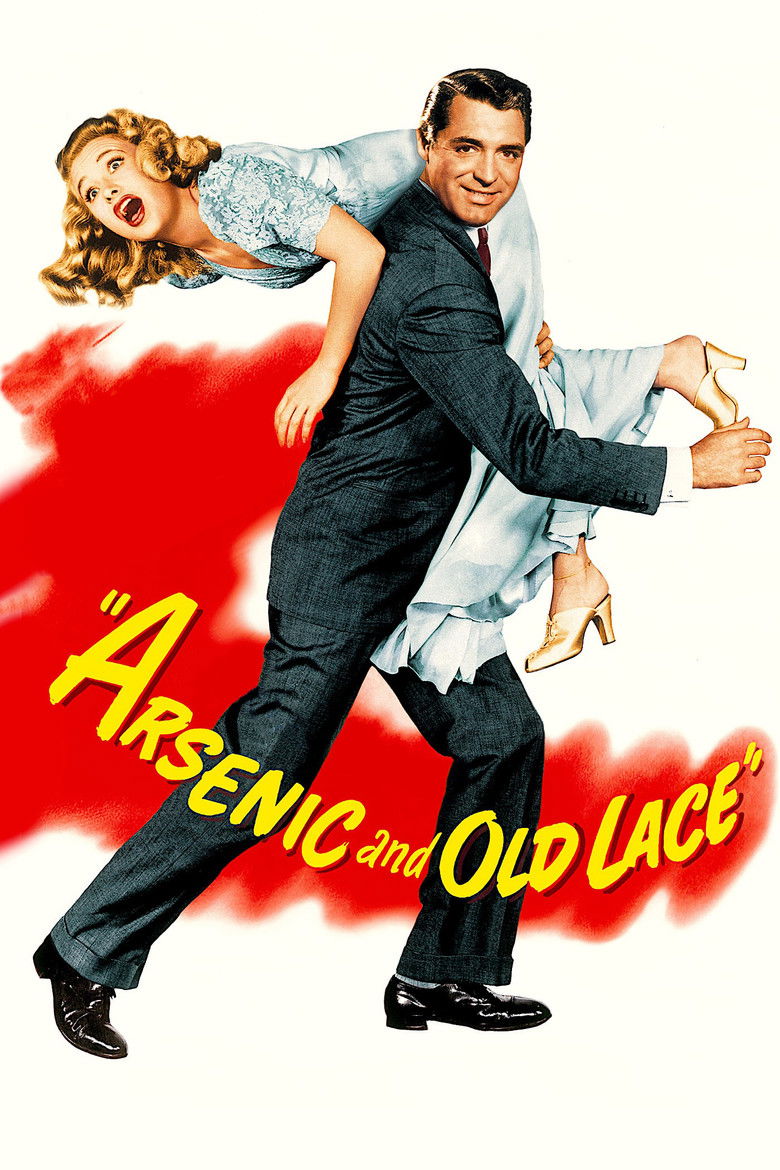
Capra directed Cary Grant only once, late in Grant's run of manic wartime comedies, in a project markedly darker in tone than Capra's signature work.