Holiday
A sophisticated romantic comedy about ambition, happiness, and choosing the life you truly want.
Editorial ratings
- Cary Grant
- Story
- Direction
- Cinematography
- Entertainment
- Historical importance
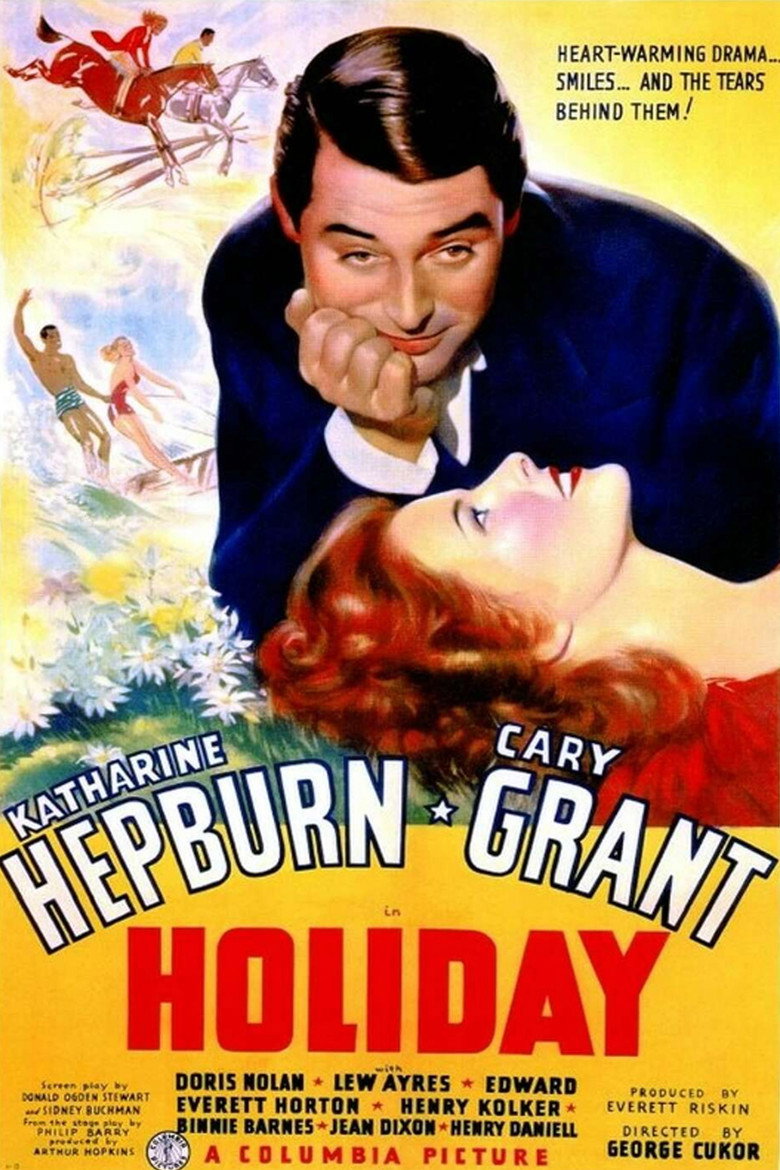
Johnny Case, a freethinking financier, has finally found the girl of his dreams — Julia Seton, the spoiled daughter of a socially prominent millionaire — and she's agreed to marry him. But when Johnny plans a holiday for the two to enjoy life while they are still young, his fiancée has other plans & that is for Johnny to work in her father's bank!
Cary Grant plays Johnny Case, under the direction of George Cukor, released in 1938.
Featured quote
“I suppose the fact is I love feeling free inside even better than I love you, Julia.”
Cary Grant as Johnny Case — Case chooses his freedom over an advantageous marriage.
Introduction
By 1938 Cary Grant had completed his transformation into a major Hollywood star. Holiday captured his mature blend of comedy, romance, intelligence, and emotional depth.
The Story
Johnny Case is a successful businessman who wants time to discover what makes life meaningful before committing fully to conventional success. His beliefs clash with the wealthy Seton family until he finds understanding with Linda Seton.
Production & Behind the Scenes
Directed by George Cukor and adapted from Philip Barry's Broadway play, Holiday benefited from exceptional performances by Cary Grant and Katharine Hepburn and Columbia's sophisticated production approach.
Cary Grant's Performance
Grant delivers one of his greatest performances as Johnny Case, balancing confidence, humor, uncertainty, and emotional intelligence.
Direction & Themes
George Cukor explores success, freedom, individuality, class, and the courage required to live authentically.
Historical Context
Released during the late 1930s, Holiday challenged traditional ideas about work, wealth, and achievement while reflecting changing American attitudes toward personal fulfillment.
Legacy & Influence
Today Holiday is considered one of Cary Grant's essential films and one of the greatest romantic comedies of Hollywood's Golden Age.
Gallery
Production & release
1936
Continued Recognition of Barry's Play
<p>Philip Barry's Holiday continues its life on stage and in reputation.</p>
1937
Grant's Breakthrough Year
<p>Topper and The Awful Truth establish Cary Grant as a major star.</p>
1938
Theatrical Release
<p>Holiday is released by Columbia Pictures.</p>
Later Years
Recognized as a Classic
<p>The film gains lasting recognition as one of the greatest romantic comedies of the era.</p>
Collaborators.
Katharine Hepburn was born in 1907 in Hartford, Connecticut, to a socially prominent, progressive family; her mother was a suffragist and birth-control advocate, and Hepburn credited this upbringing for her lifelong independence from Hollywood convention. She began on stage and entered film in 1932 with A Bill of Divorcement, winning her first Academy Award for Best Actress just two years later for Morning Glory (1933). Her collaborations with Cary Grant span some of the most celebrated comedies of the studio era: Sylvia Scarlett (1935), directed by George Cukor, in which Hepburn spent much of the film disguised as a boy; Bringing Up Baby (1938), directed by Howard Hawks, now regarded as a defining screwball comedy though it was a box-office disappointment on release; Holiday (1938), also directed by Cukor; and The Philadelphia Story (1940), which reunited her with Cukor and paired her with both Grant and James Stewart, reviving her career after she had been controversially labeled "box office poison" by exhibitors in 1938. Hepburn went on to a decades-long professional and personal partnership with Spencer Tracy, appearing in nine films together including Adam's Rib (1949) and Guess Who's Coming to Dinner (1967), and she ultimately won a record four Academy Awards for Best Actress — for Morning Glory, Guess Who's Coming to Dinner (1967), The Lion in Winter (1968), and On Golden Pond (1981) — a mark no other performer has matched. She died in 2003 in Old Saybrook, Connecticut. Hepburn is remembered as the actress who most successfully resisted the studio system's demands on women, maintaining independence in dress, romance, and career choices across seven decades, and her four films with Cary Grant remain central texts of American screen comedy.
George Cukor came to Hollywood in 1929 after directing on the New York stage, and quickly established a reputation, across his years at MGM and elsewhere, as one of the studio system's finest directors of actors, credited with drawing career-defining performances from a long list of leading women. That reputation earned him the reductive and, in his view, unfair label of a "woman's director," which he resented as a dismissal of range he had also demonstrated with male stars and ensemble casts. Cukor's career included a brief, high-profile removal from "Gone with the Wind" (1939) early in production, and a body of work spanning sophisticated comedy, adapted literary drama, and later musicals. He worked repeatedly with Katharine Hepburn across eight films and with Cary Grant on three occasions in the years bridging screwball comedy and prestige drama. He won the Academy Award for Best Director for "My Fair Lady" (1964), after five earlier nominations, capping a career of more than fifty years that stretched from early sound pictures to studio-era classics to late-career musicals.
Cast.
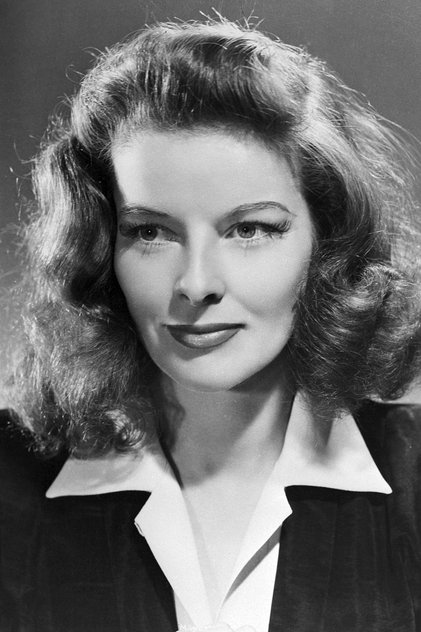
Katharine Hepburn as Linda Seton
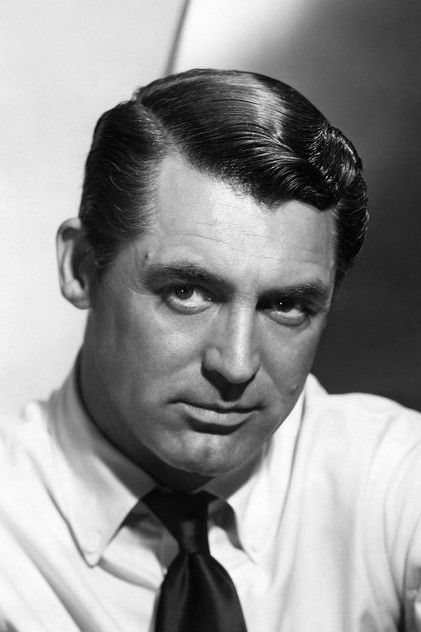
Cary Grant as Johnny Case
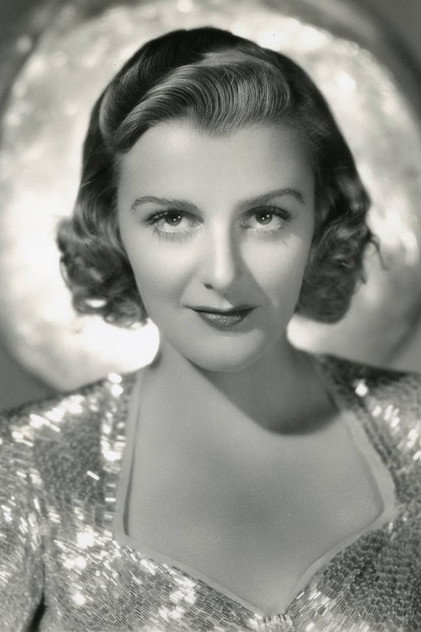
Doris Nolan as Julia Seton
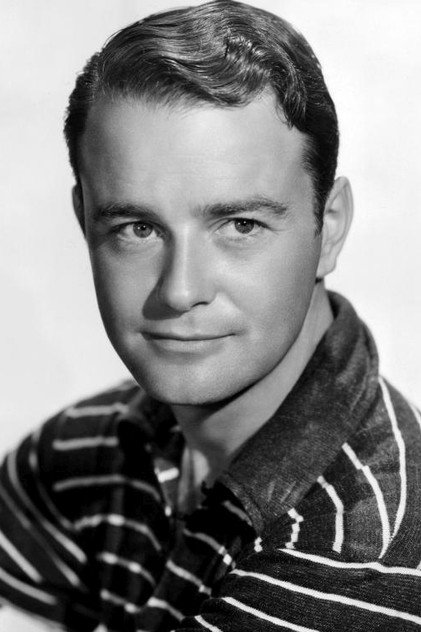
Lew Ayres as Ned Seton
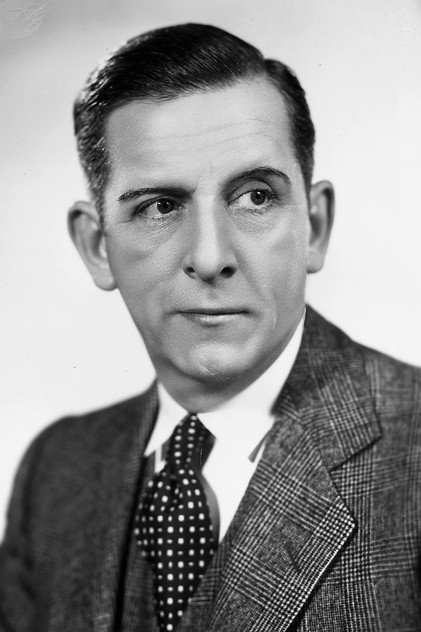
Edward Everett Horton as Nick Potter
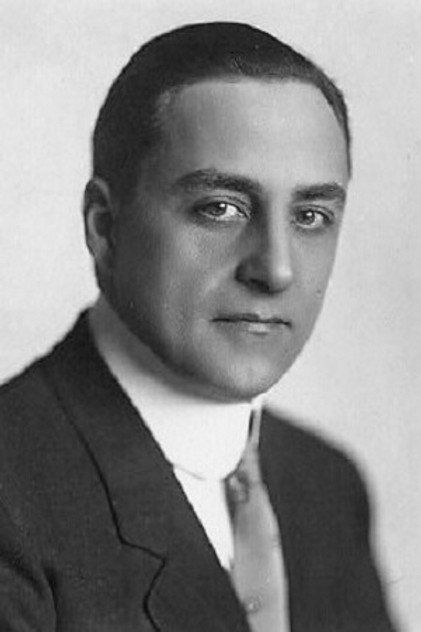
Henry Kolker as Edward Seton
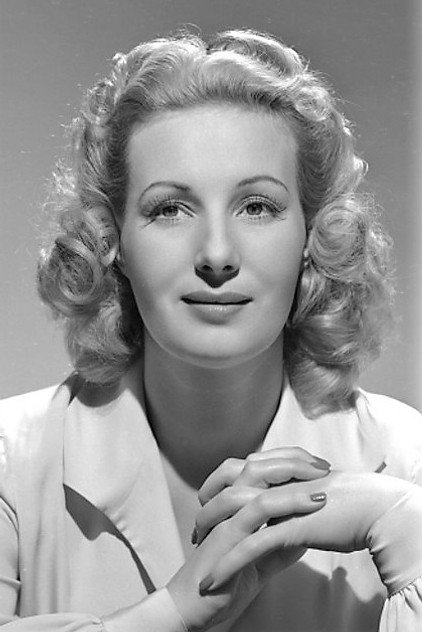
Binnie Barnes as Laura Cram
Full billed cast of Holiday (1938).
Players in billing order, with the characters they play.
- Katharine Hepburnas Linda Seton
- Cary Grantas Johnny Case
- Doris Nolanas Julia Seton
- Lew Ayresas Ned Seton
- Edward Everett Hortonas Nick Potter
- Henry Kolkeras Edward Seton
- Binnie Barnesas Laura Cram
- Jean Dixonas Susan Potter
- Henry Daniellas Seton Cram
- Edward Bibyas Churchgoer (uncredited)
- Beatrice Blinnas Maid (uncredited)
- Mabel Colcordas Setons' Cook (uncredited)
- Ann Doranas Kitchen Maid (uncredited)
- Bess Flowersas Party Guest (uncredited)
- Mitchell Harrisas Jennings (uncredited)
- Howard Hickmanas Churchgoer (uncredited)
- Leota Lorraineas Churchgoer (uncredited)
- Eric Mayneas Churchgoer (uncredited)
- Tom McGuireas Party Guest (uncredited)
- Matt McHughas Taxi Driver (uncredited)
- Frank McLureas Churchgoer (uncredited)
- Edmund Mortimeras Party Guest (uncredited)
- Wedgwood Nowellas Party Guest (uncredited)
- Louis Payneas Party Guest (uncredited)
- Alexander Pollardas Butler at Party (uncredited)
- Fred Rapportas Party Guest (uncredited)
- Charles Richmanas Thayer (uncredited)
- Cyril Ringas Churchgoer (uncredited)
- Donna Mae Robertsas Girl at Party (uncredited)
Crew.
- Art DirectionStephen Goosson
- Costume DesignRobert Kalloch
- DirectorGeorge Cukor
- Director of PhotographyFranz Planer
- EditorOtto Meyer
- EditorAl Clark
- Original Music ComposerSidney Cutner
- ProducerEverett Riskin
- ScreenplaySidney Buchman
- ScreenplayDonald Ogden Stewart
Players in common.
Also featuring Katharine Hepburn, Henry Daniell.
Also featuring Edward Everett Horton.
Also featuring Edward Everett Horton.
Also featuring Katharine Hepburn.
Quotations from Holiday
The Quotebook →“The world is changing out there. There’s a lot of new, exciting ideas running around. Some of them might be right and some might be cockeyed, but they’re affecting all our lives.”
Cary Grant as Johnny Case · 1938VerifiedSpoken as Johnny Case in Holiday (1938).
“I want to know how I stand, where I fit into the picture, what it’s all going to mean to me. I can’t find that out sitting behind some desk in an office, so as soon as I get enough money together, I’m gonna knock off for a while.”
Cary Grant as Johnny Case · 1938VerifiedSpoken as Johnny Case in Holiday (1938).
A quiet dispatch,
once a month.
One considered essay in your inbox each month. No promotions, no algorithms, no forwarding. Unsubscribe with a single click.
Other studies.
Cary Grant and Deborah Kerr headline an elegant romantic comedy exploring whether the perfect partner exists—or whether perfection itself is an illusion.
A thoughtful wartime satire blending romance, comedy, and commentary on celebrity culture.
Cary Grant and Audrey Hepburn create one of cinema's most elegant romantic mysteries—a thrilling game of deception, danger, and unexpected love.