The Philadelphia Story
The sophisticated romantic comedy that restored Katharine Hepburn's career and showcased Cary Grant, James Stewart, and Hepburn in one of cinema's greatest ensemble performances.
Editorial ratings
- Cary Grant
- Story
- Direction
- Cinematography
- Entertainment
- Historical importance
When a rich woman's ex-husband and a tabloid-type reporter turn up just before her planned remarriage, she begins to learn the truth about herself.
Cary Grant plays C.K. Dexter Haven, under the direction of George Cukor, released in 1940.
Featured quote
“Hello, friends and enemies.”
Cary Grant as C. K. Dexter Haven — Dexter Haven arrives uninvited at the house of his former wife.
Introduction
One of the defining romantic comedies of Hollywood's Golden Age, combining sparkling dialogue, sophisticated humor, and emotional maturity. George Cukor's elegant direction and an extraordinary trio of stars created a timeless classic.
The Story
The film follows Tracy Lord's wedding weekend as Dexter Haven and reporter Mike Connor challenge her ideas about perfection, class, and love, leading to personal transformation and reconciliation.
Production & Behind the Scenes
Katharine Hepburn secured the rights after her Broadway triumph and negotiated the MGM adaptation. George Cukor directed Donald Ogden Stewart's acclaimed screenplay with Cary Grant and James Stewart completing the legendary cast.
Cary Grant's Performance
Grant delivers one of the most mature performances of his career. Dexter Haven's charm, restraint, humor, and emotional wisdom define the sophisticated Cary Grant persona admired by generations.
Direction & Themes
George Cukor emphasizes character over spectacle. Themes include forgiveness, class, vulnerability, idealization, and the acceptance of human imperfection.
Historical Context
Released in 1940, the film reflected Hollywood's confidence on the eve of America's entry into WWII while relaunching Hepburn's career and arriving during Cary Grant's ascent to superstardom.
Legacy & Influence
Its screenplay, performances, and emotional sophistication influenced countless romantic comedies and remain benchmarks for ensemble filmmaking.
Gallery
Production & release
1939
Broadway premiere.
1939
Hepburn acquires film rights.
1940
Film produced by MGM.
Dec. 26, 1940
Theatrical release.
1941
Six Academy Award nominations.
1941
James Stewart and Donald Ogden Stewart win Oscars.
Today
Recognized as one of the greatest romantic comedies.
Collaborators.
Katharine Hepburn was born in 1907 in Hartford, Connecticut, to a socially prominent, progressive family; her mother was a suffragist and birth-control advocate, and Hepburn credited this upbringing for her lifelong independence from Hollywood convention. She began on stage and entered film in 1932 with A Bill of Divorcement, winning her first Academy Award for Best Actress just two years later for Morning Glory (1933). Her collaborations with Cary Grant span some of the most celebrated comedies of the studio era: Sylvia Scarlett (1935), directed by George Cukor, in which Hepburn spent much of the film disguised as a boy; Bringing Up Baby (1938), directed by Howard Hawks, now regarded as a defining screwball comedy though it was a box-office disappointment on release; Holiday (1938), also directed by Cukor; and The Philadelphia Story (1940), which reunited her with Cukor and paired her with both Grant and James Stewart, reviving her career after she had been controversially labeled "box office poison" by exhibitors in 1938. Hepburn went on to a decades-long professional and personal partnership with Spencer Tracy, appearing in nine films together including Adam's Rib (1949) and Guess Who's Coming to Dinner (1967), and she ultimately won a record four Academy Awards for Best Actress — for Morning Glory, Guess Who's Coming to Dinner (1967), The Lion in Winter (1968), and On Golden Pond (1981) — a mark no other performer has matched. She died in 2003 in Old Saybrook, Connecticut. Hepburn is remembered as the actress who most successfully resisted the studio system's demands on women, maintaining independence in dress, romance, and career choices across seven decades, and her four films with Cary Grant remain central texts of American screen comedy.
George Cukor came to Hollywood in 1929 after directing on the New York stage, and quickly established a reputation, across his years at MGM and elsewhere, as one of the studio system's finest directors of actors, credited with drawing career-defining performances from a long list of leading women. That reputation earned him the reductive and, in his view, unfair label of a "woman's director," which he resented as a dismissal of range he had also demonstrated with male stars and ensemble casts. Cukor's career included a brief, high-profile removal from "Gone with the Wind" (1939) early in production, and a body of work spanning sophisticated comedy, adapted literary drama, and later musicals. He worked repeatedly with Katharine Hepburn across eight films and with Cary Grant on three occasions in the years bridging screwball comedy and prestige drama. He won the Academy Award for Best Director for "My Fair Lady" (1964), after five earlier nominations, capping a career of more than fifty years that stretched from early sound pictures to studio-era classics to late-career musicals.
Joseph L. Mankiewicz was born in 1909 in Wilkes-Barre, Pennsylvania, into a family of writers; his older brother Herman J. Mankiewicz co-wrote Citizen Kane (1941). Joseph began as a screenwriter and title-card writer in Hollywood in the late 1920s before rising to producer and then director, becoming known for dense, literate dialogue and a fondness for narrated flashback structures. He achieved a feat unmatched before or since: winning consecutive Academy Awards for both Best Director and Best Screenplay in back-to-back years, for A Letter to Three Wives (1949) and All About Eve (1950), the latter also winning Best Picture and remaining one of the most quoted screenplays in American film. He directed Cary Grant in People Will Talk (1951), an unusually philosophical comedy-drama in which Grant played an unorthodox doctor. Mankiewicz went on to direct large-scale prestige productions including Julius Caesar (1953), Suddenly, Last Summer (1959) with Katharine Hepburn, and the notoriously troubled Cleopatra (1963) starring Elizabeth Taylor, whose budget overruns and production chaos became as famous as the film itself. He continued directing into the 1970s, closing his career with the acclaimed two-hander Sleuth (1972), which earned him a final Academy Award nomination for Best Director. He died in 1993 in Bedford, New York. Mankiewicz is remembered as the writer-director most identified with sophisticated adult dialogue in mid-century Hollywood, and his historic double Oscar sweep remains a record no other filmmaker has equaled.
James Stewart was born in 1908 in Indiana, Pennsylvania, and studied architecture at Princeton University before an interest in acting, encouraged by his university drama club, led him to New York and then Hollywood in the mid-1930s. He won the Academy Award for Best Actor for The Philadelphia Story (1940), in which he played the tabloid reporter Macaulay Connor opposite Cary Grant and Katharine Hepburn, directed by George Cukor. Stewart's career was interrupted by the Second World War, during which he was drafted into the Army Air Forces, earned a pilot's commission, and flew numerous combat missions over Germany as a bomber squadron commander, rising to the rank of colonel and later brigadier general in the Air Force Reserve — a record of active service unmatched by almost any other major Hollywood star. He returned to film work visibly changed, and his postwar performances, beginning with Frank Capra's It's a Wonderful Life (1946), carried a new undercurrent of anxiety and darkness. This darker register defined his celebrated collaborations with Alfred Hitchcock, including Rear Window (1954), The Man Who Knew Too Much (1956), and Vertigo (1958), the last now widely regarded as one of the greatest films ever made despite a lukewarm contemporary reception. He also excelled in westerns for Anthony Mann, including Winchester '73 (1950), and received further Oscar nominations for Mr. Smith Goes to Washington (1939), Harvey (1950), and Anatomy of a Murder (1959). Stewart died in 1997 in Beverly Hills. He remains one of the small number of stars whose screen persona — decent, halting, quietly troubled — deepened rather than calcified across five decades, and his wartime service is still cited as a rare instance of genuine heroism matching a star's public image.
Cast.
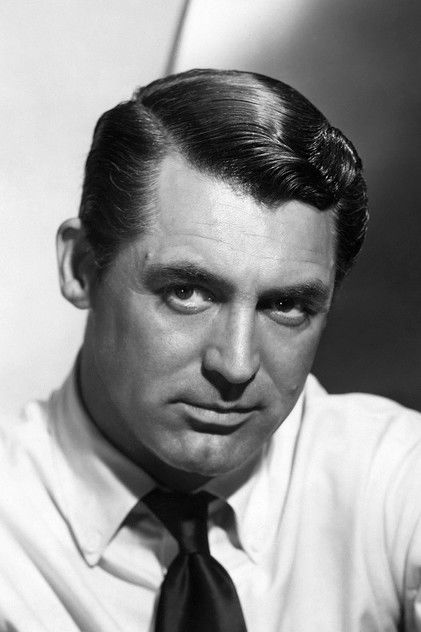
Cary Grant as C.K. Dexter Haven
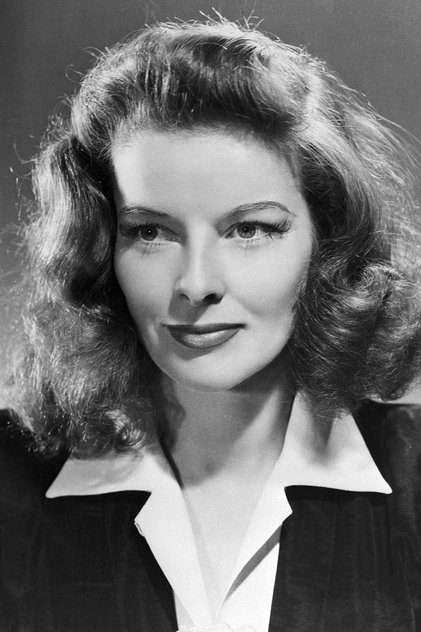
Katharine Hepburn as Tracy Lord
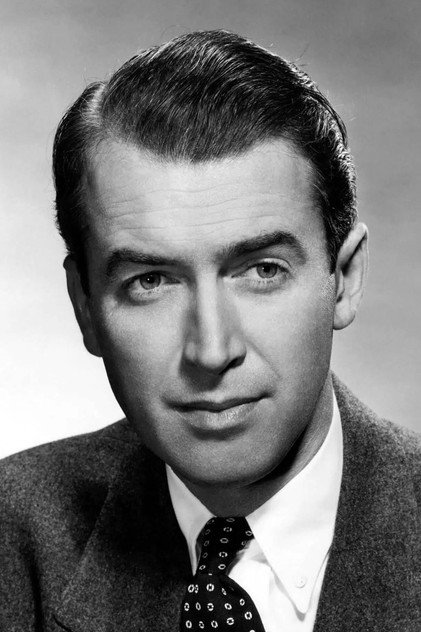
James Stewart as Macaulay 'Mike' Connor
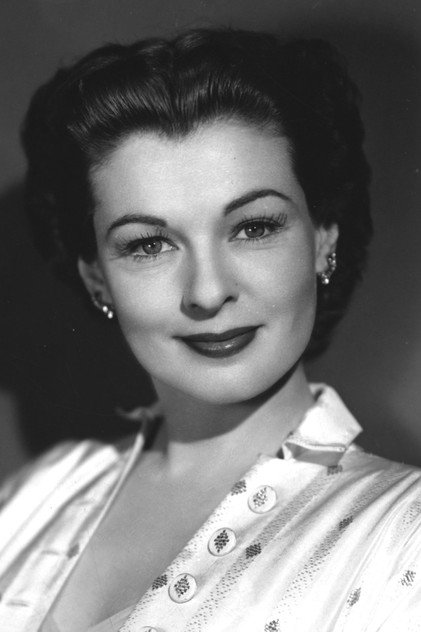
Ruth Hussey as Elizabeth 'Liz' Imbrie
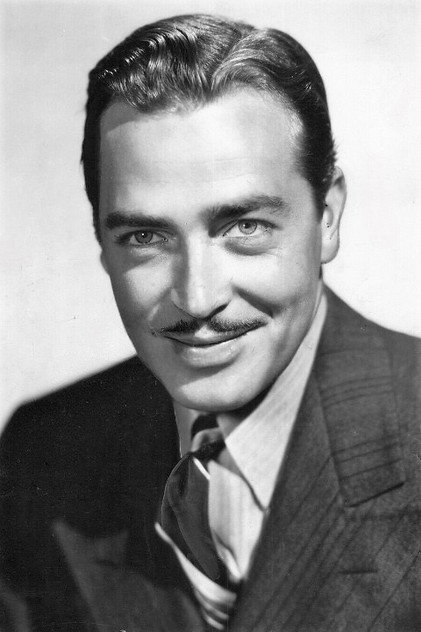
John Howard as George Kittredge
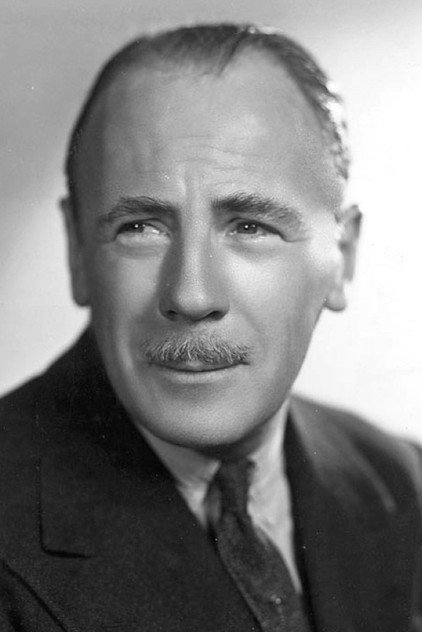
Roland Young as Uncle Willie
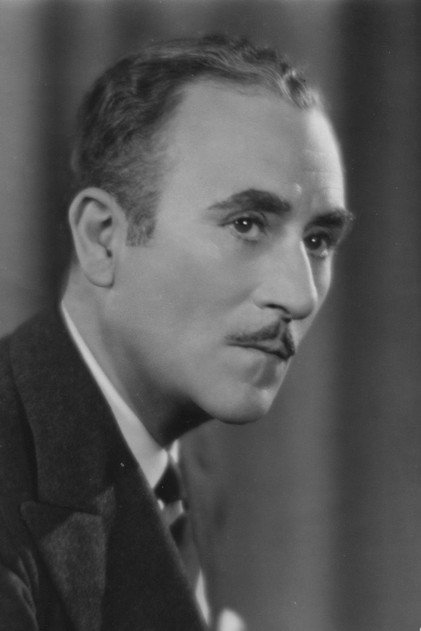
John Halliday as Seth Lord
Full billed cast of The Philadelphia Story (1940).
Players in billing order, with the characters they play.
- Cary Grantas C.K. Dexter Haven
- Katharine Hepburnas Tracy Lord
- James Stewartas Macaulay 'Mike' Connor
- Ruth Husseyas Elizabeth 'Liz' Imbrie
- John Howardas George Kittredge
- Roland Youngas Uncle Willie
- John Hallidayas Seth Lord
- Mary Nashas Margaret Lord
- Virginia Weidleras Dinah Lord
- Henry Daniellas Sidney Kidd
- Lionel Papeas Edward
- Rex Evansas Thomas
- King Baggotas Wedding Guest (uncredited)
- Hillary Brookeas Main Line Society Woman (uncredited)
- Veda Bucklandas Elsie (uncredited)
- Lita Chevretas Manicurist (uncredited)
- Russ Clarkas John the Chauffeur (uncredited)
- David Clydeas Mac (uncredited)
- Robert De Bruceas Dr. Parsons (uncredited)
- Dorothy Fayas Main Line Society Woman (uncredited)
- Claude Kingas Uncle Willie's Butler (uncredited)
- Eric Mayneas Wedding Guest (uncredited)
- Florine McKinneyas Main Line Society Woman (uncredited)
- Lee Phelpsas Bartender (uncredited)
- Hilda Plowrightas Librarian (uncredited)
- Helene Reynoldsas Main Line Society Woman (uncredited)
- Mildred Shayas Main Line Society Woman (uncredited)
- Joseph Sweeneyas Butler (uncredited)
- Sally Cleavesas Party Guest (uncredited)
- Oliver Crossas Wedding Guest (uncredited)
- Dick Gordonas Wedding Guest (uncredited)
- Sam Harrisas Party Guest (uncredited)
- Frank McLureas Wedding Guest (uncredited)
- Paul Poweras Wedding Guest (uncredited)
- Ellinor Vanderveeras Party Guest (uncredited)
- Florence Wixas Party Guest (uncredited)
Crew.
- Art DirectionCedric Gibbons
- Costume DesignAdrian
- DirectorGeorge Cukor
- Director of PhotographyJoseph Ruttenberg
- EditorFrank Sullivan
- Original Music ComposerFranz Waxman
- ProducerJoseph L. Mankiewicz
- ScreenplayDonald Ogden Stewart
- ScreenplayWaldo Salt
Players in common.
A quiet dispatch,
once a month.
One considered essay in your inbox each month. No promotions, no algorithms, no forwarding. Unsubscribe with a single click.
Other studies.
Cary Grant and Deborah Kerr headline an elegant romantic comedy exploring whether the perfect partner exists—or whether perfection itself is an illusion.
A thoughtful wartime satire blending romance, comedy, and commentary on celebrity culture.
Cary Grant and Audrey Hepburn create one of cinema's most elegant romantic mysteries—a thrilling game of deception, danger, and unexpected love.