← Explore
Director and Screenwriter · 1909–1993
Joseph L. Mankiewicz
Joseph L. Mankiewicz was born in 1909 in Wilkes-Barre, Pennsylvania, into a family of writers; his older brother Herman J. Mankiewicz co-wrote Citizen Kane (1941). Joseph began as a screenwriter and title-card writer in Hollywood in the late 1920s before rising to producer and then director, becoming known for dense, literate dialogue and a fondness for narrated flashback structures.
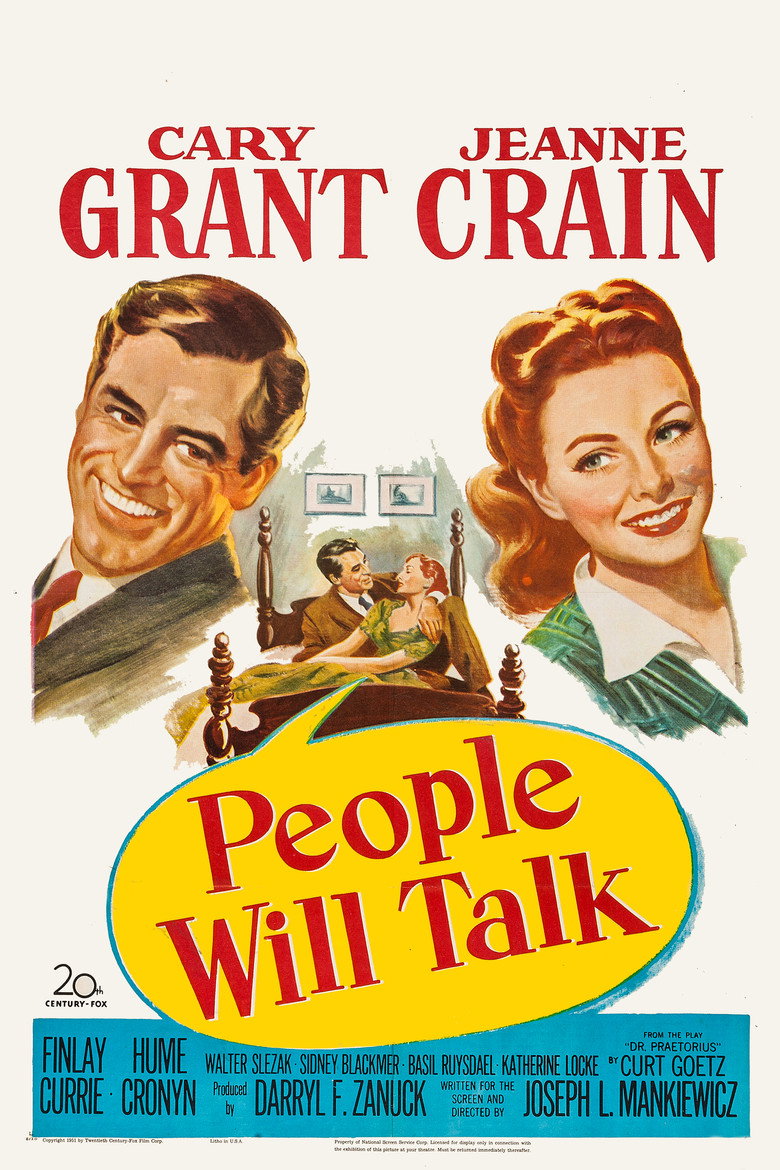
He achieved a feat unmatched before or since: winning consecutive Academy Awards for both Best Director and Best Screenplay in back-to-back years, for A Letter to Three Wives (1949) and All About Eve (1950), the latter also winning Best Picture and remaining one of the most quoted screenplays in American film. He directed Cary Grant in People Will Talk (1951), an unusually philosophical comedy-drama in which Grant played an unorthodox doctor.
Mankiewicz went on to direct large-scale prestige productions including Julius Caesar (1953), Suddenly, Last Summer (1959) with Katharine Hepburn, and the notoriously troubled Cleopatra (1963) starring Elizabeth Taylor, whose budget overruns and production chaos became as famous as the film itself. He continued directing into the 1970s, closing his career with the acclaimed two-hander Sleuth (1972), which earned him a final Academy Award nomination for Best Director.
He died in 1993 in Bedford, New York. Mankiewicz is remembered as the writer-director most identified with sophisticated adult dialogue in mid-century Hollywood, and his historic double Oscar sweep remains a record no other filmmaker has equaled.