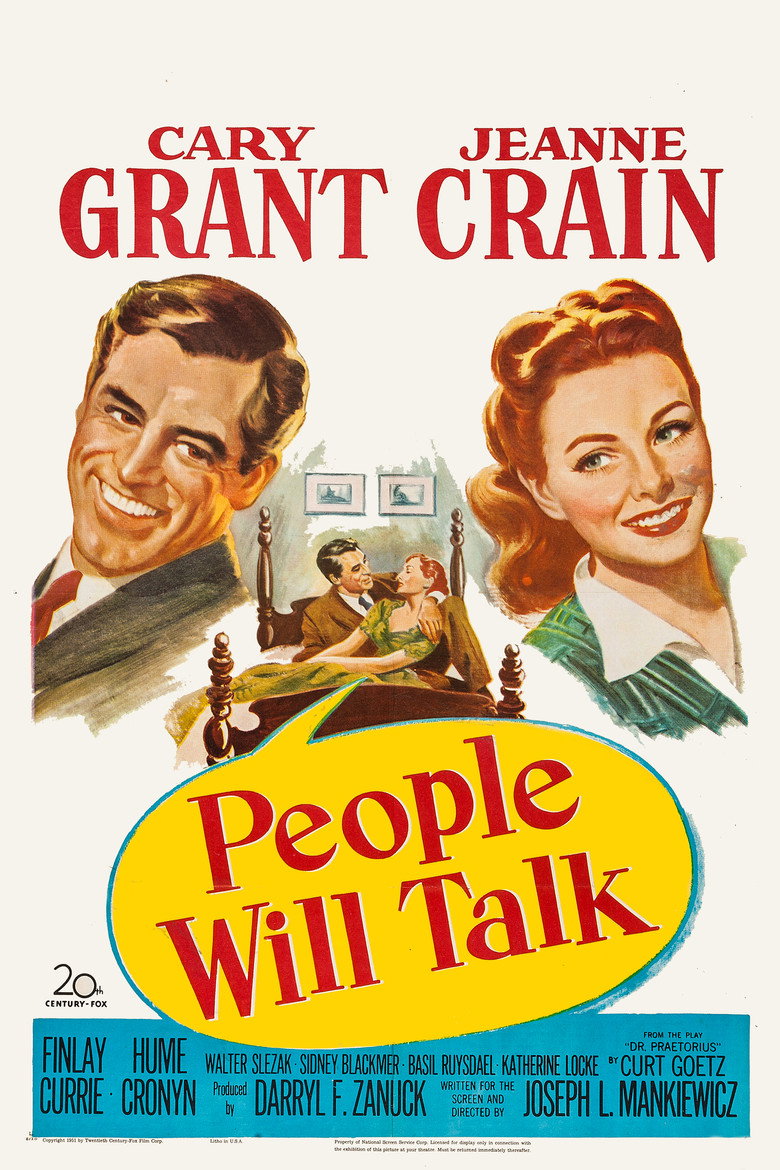
People Will Talk
Cary Grant delivers one of the most compassionate performances of his career as Dr. Noah Praetorius, an unconventional physician whose humanity is tested by prejudice, rumor, and institutional politics.
Editorial ratings
- Cary Grant
- Story
- Direction
- Cinematography
- Entertainment
- Historical importance
A successful, unorthodox doctor befriends a young woman with suicidal ideations due to her pregnancy by her ex, a military reservist killed in action.
Cary Grant plays Noah Praetorius, under the direction of Joseph L. Mankiewicz, released in 1951.
Featured quote
“Compassion above judgment.”
Introduction
Grant embraces a deeply human role that explores medicine, morality, and compassion.
The Story
Dr. Noah Praetorius defends both his patients and his principles.
Production & Behind the Scenes
Mankiewicz adapts Arthur Schnitzler's ideas into an original American drama.
Cary Grant's Performance
A masterclass in warmth, restraint, and emotional truth.
Direction & Themes
Compassion, prejudice, forgiveness, and the purpose of medicine.
Historical Context
Progressive treatment of controversial postwar social issues.
Legacy & Influence
Widely recognized today as one of Grant's crowning achievements.
Gallery
Production & release
1950
Screenplay Developed
Screenplay developed.
Early 1951
Production Begins
Production begins.
August 29, 1951
Premiere
Premiere.
1950s
Critical Acclaim
Critical acclaim grows.
Today
Legacy
Considered one of Grant's finest performances.
Cast.
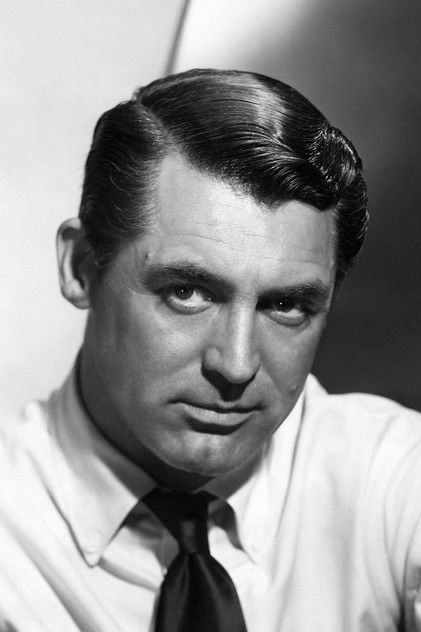
Cary Grant as Noah Praetorius
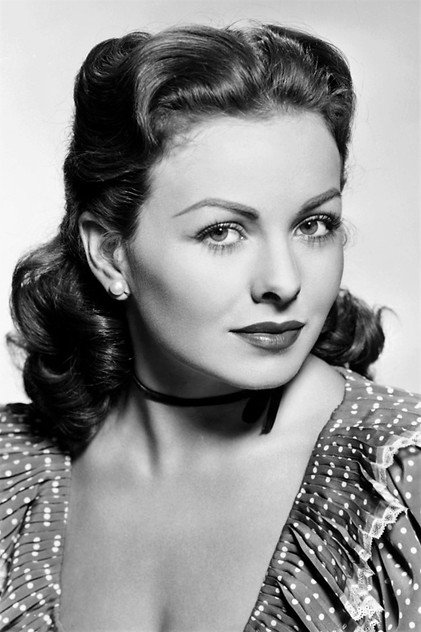
Jeanne Crain as Deborah Higgins
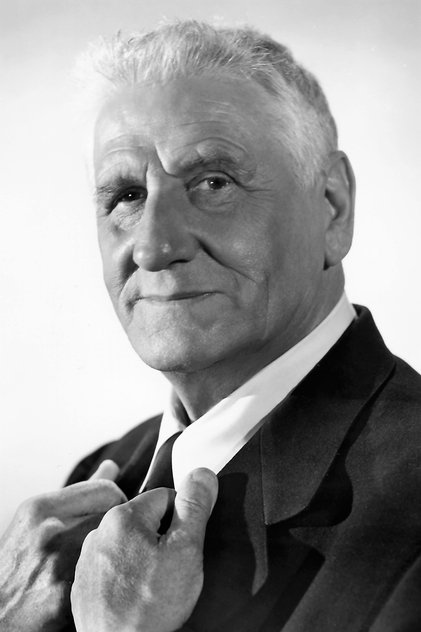
Finlay Currie as Shunderson
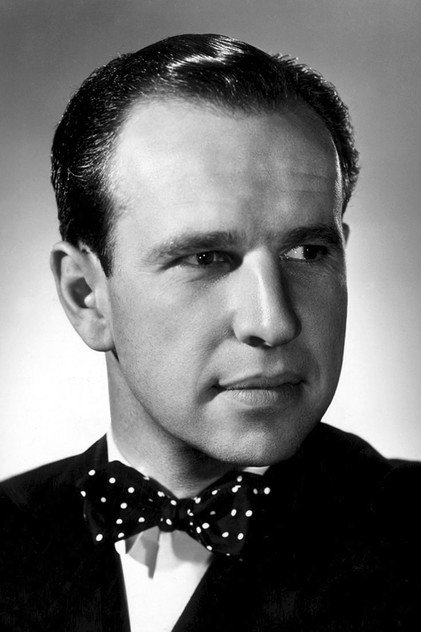
Hume Cronyn as Rodney Elwell
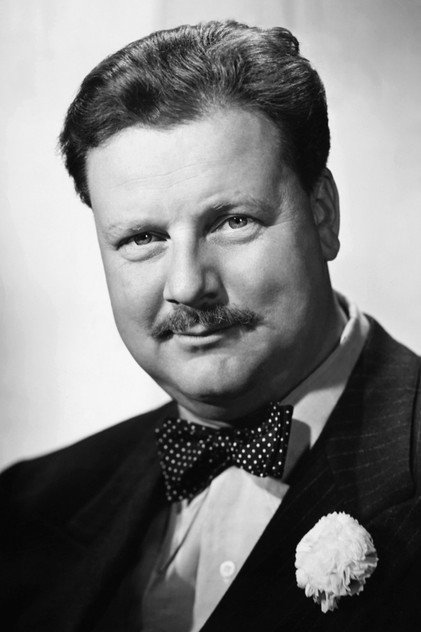
Walter Slezak as Barker
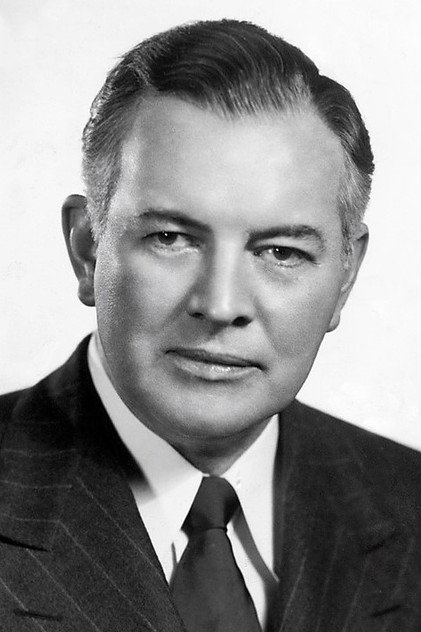
Sidney Blackmer as Arthur Higgins
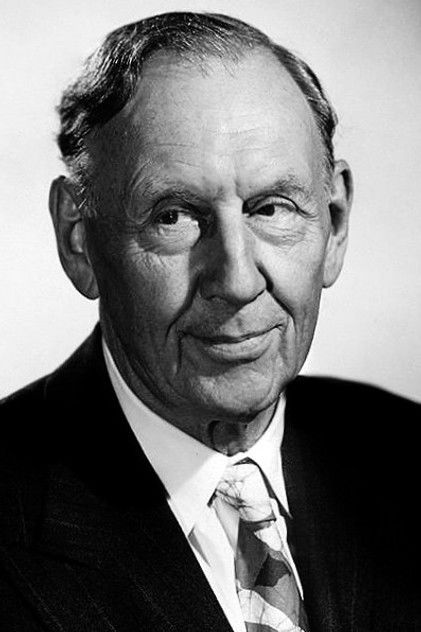
Basil Ruysdael as Lyman Brockwell
Full billed cast of People Will Talk (1951).
Players in billing order, with the characters they play.
- Cary Grantas Noah Praetorius
- Jeanne Crainas Deborah Higgins
- Finlay Currieas Shunderson
- Hume Cronynas Rodney Elwell
- Walter Slezakas Barker
- Sidney Blackmeras Arthur Higgins
- Basil Ruysdaelas Lyman Brockwell
- Katherine Lockeas Miss James
- Margaret Hamiltonas Sarah Pickett (uncredited)
- Jack Kellyas Student (uncredited)
- Paul Leesas Student (uncredited)
- Leon Tyleras Student (uncredited)
- Jo Gilbertas Nurse (uncredited)
- Tina Blagoias Concertgoer (uncredited)
- Helen Dicksonas Concertgoer (uncredited)
- Bess Flowersas Concertgoer (uncredited)
- Robert Hainesas Concertgoer (uncredited)
- Sam Harrisas Concertgoer (uncredited)
- Gail Bonneyas Dean's Secretary (uncredited)
- William Bryantas Student Manager (uncredited)
- James Carlisleas Trial Spectator (uncredited)
- Julia Deanas Old Lady (uncredited)
- John Davidsonas Faculty Board Member (uncredited)
- Wally Deanas Faculty Board Member (uncredited)
- Stuart Holmesas Faculty Board Member (uncredited)
- Hans Moebusas Faculty Board Member (uncredited)
- Lawrence A. Williamsas Faculty Board Member (uncredited)
- Lawrence Dobkinas Business Manager (uncredited)
- Bill Dyeras Car Attendant (uncredited)
- Billy Houseas Coonan (uncredited)
- Kay Lavelleas Bella (uncredited)
- Carl M. Levinessas Concertgoer (uncredited)
- Adele Longmireas Mabel (uncredited)
- Joyce Mackenzieas Gussie (uncredited)
- Ray Montgomeryas Doctor (uncredited)
- Ann Morrisonas Dietician (uncredited)
- Al Murphyas Photographer (uncredited)
- George Offerman, Jr.as Uriah Haskins (uncredited)
- Parley Baeras Toy Store Salesman (uncredited)
- Loretta Russellas Concertgoer (uncredited)
Crew.
- Art DirectionGeorge W. Davis
- Art DirectionLyle R. Wheeler
- DirectorJoseph L. Mankiewicz
- Director of PhotographyMilton Krasner
- EditorBarbara McLean
- ProducerDarryl F. Zanuck
- WriterJoseph L. Mankiewicz
Players in common.
Quotations from People Will Talk
The Quotebook →“I consider faith properly injected into a patient as effective in maintaining life as adrenaline, and a belief in miracles has been the difference between living and dying as often as any surgeon’s scalpel.”
Dr. Noah Praetorius · 1951VerifiedScreen dialogue, spoken by Dr. Noah Praetorius in People Will Talk (1951).
“Professor Elwell, you are the only man I know who can say ‘malignant’ the way other people say ‘Bingo!’”
Dr. Noah Praetorius · 1951VerifiedScreen dialogue, spoken by Dr. Noah Praetorius in People Will Talk (1951).
A quiet dispatch,
once a month.
One considered essay in your inbox each month. No promotions, no algorithms, no forwarding. Unsubscribe with a single click.
Other studies.
Cary Grant and Deborah Kerr headline an elegant romantic comedy exploring whether the perfect partner exists—or whether perfection itself is an illusion.
A thoughtful wartime satire blending romance, comedy, and commentary on celebrity culture.
Cary Grant and Audrey Hepburn create one of cinema's most elegant romantic mysteries—a thrilling game of deception, danger, and unexpected love.