Once Upon a Honeymoon
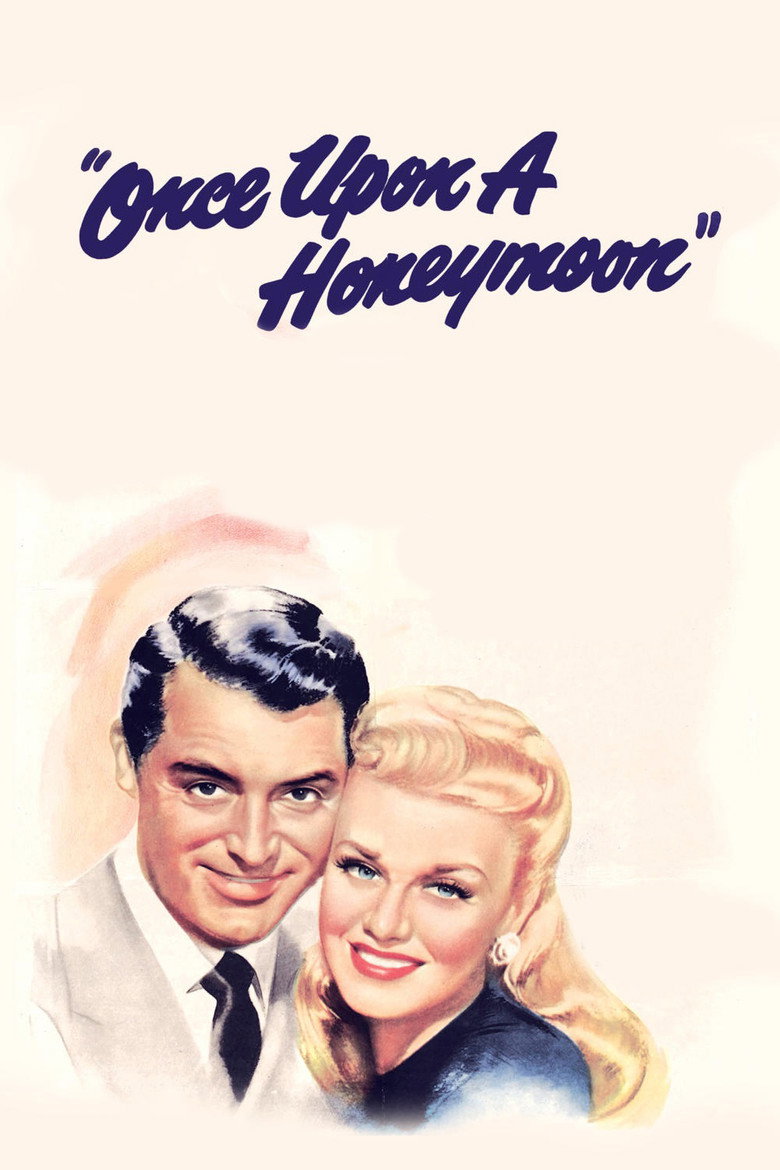
Cary Grant and Ginger Rogers embark on a romantic adventure across wartime Europe in a comedy of deception, danger, and discovery.
Editorial ratings
- Cary Grant
- Story
- Direction
- Cinematography
- Entertainment
- Historical importance
A radio correspondent tries to rescue a burlesque queen from her marriage to a Nazi official.
Cary Grant plays Patrick O'Toole, under the direction of Leo McCarey, released in 1942.
Featured quote
“Not so loud? I always talk loud when I’m mad! You’re lucky I don’t jump up and down!”
Patrick 'Pat' O'Toole — The radio reporter Pat O'Toole erupts during one of the film's comic confrontations.
Introduction
Released in 1942, the film captures Cary Grant moving beyond pure romantic comedy into stories shaped by global conflict and responsibility.
The Story
Patrick O'Toole follows Katie O'Hara across Europe after discovering her new husband may have connections to Nazi Germany, leading to a journey involving romance, espionage, and discovery.
Production & Behind the Scenes
Directed by Leo McCarey, who previously worked with Grant on The Awful Truth, the film attempted to combine romantic comedy with wartime themes and political awareness.
Cary Grant's Performance
Grant portrays Patrick O'Toole as a bridge between his charming romantic roles and the more mature dramatic performances that would define his 1940s career.
Direction & Themes
Leo McCarey explores appearance versus reality, awakening, responsibility, and the challenges of understanding a changing world.
Historical Context
Released during World War II, the film reflects Hollywood's effort to address global events through familiar entertainment forms.
Legacy & Influence
Although not among Grant's most famous films, it remains historically valuable as a record of his artistic transition during wartime.
Gallery
Production & release
1937
The Awful Truth establishes Grant and McCarey's legendary collaboration.
1938
Grant and Rogers appear together in Vivacious Lady.
1940–1941
Grant expands his range through The Philadelphia Story, His Girl Friday, Suspicion, and Penny Serenade.
1942
Once Upon a Honeymoon released during World War II.
Collaborators.
Leo McCarey was born in 1898 in Los Angeles and began his film career in the silent era, working as a gag writer and director for Hal Roach Studios in the 1920s, where he is widely credited with pairing Stan Laurel and Oliver Hardy as a comedy team. His directing method, carried into features, favored improvisation: he preferred to arrive on set with a situation rather than a finished script and let his actors discover the scene in the moment. That approach produced two of Cary Grant's most acclaimed comedic performances. The Awful Truth (1937), starring Grant and Irene Dunne, won McCarey the Academy Award for Best Director and is considered a founding text of the screwball genre, its dialogue and physical comedy substantially improvised on set. Twenty years later, McCarey directed Grant again in An Affair to Remember (1957), a lush romantic drama opposite Deborah Kerr that was itself a remake of McCarey's own 1939 film Love Affair, starring Irene Dunne and Charles Boyer. McCarey's other major works include the Marx Brothers' Duck Soup (1933) and Going My Way (1944), for which he won two additional Academy Awards, for directing and for writing the original story, along with a Best Picture win as producer. His body of work spans nearly every major American comic register of the 1930s and 1940s. He died in 1969 in Santa Monica, California. McCarey is remembered as one of the defining architects of American screen comedy's tonal range, and his two very different films with Cary Grant — one a brittle marital farce, the other an unabashed tearjerking romance — demonstrate the breadth of Grant's range under a director he trusted to improvise.
Ginger Rogers began as a vaudeville and Broadway performer before moving into film in the early 1930s, where she is most enduringly remembered for the ten musicals she made opposite Fred Astaire at RKO between 1933 and 1949, including "Top Hat" (1935), "Swing Time" (1936), and "Shall We Dance" (1937). Their partnership defined the Hollywood musical of the decade and made Rogers, in the choreographer Hermes Pan's phrase, the equal partner who "gave him sex" as Astaire gave the pairing style. Rogers deliberately sought roles outside the musical genre to avoid being confined to the Astaire partnership, and the strategy paid off when she won the Academy Award for Best Actress for the straight dramatic role of "Kitty Foyle" (1940), a performance with no dancing at all. She continued acting in film, on stage, and in television into the 1960s and beyond, and worked twice with Cary Grant in romantic-comedy vehicles during his freelance period at RKO in the 1940s, in productions distinct from both her Astaire musicals and her later dramatic work.
Cast.
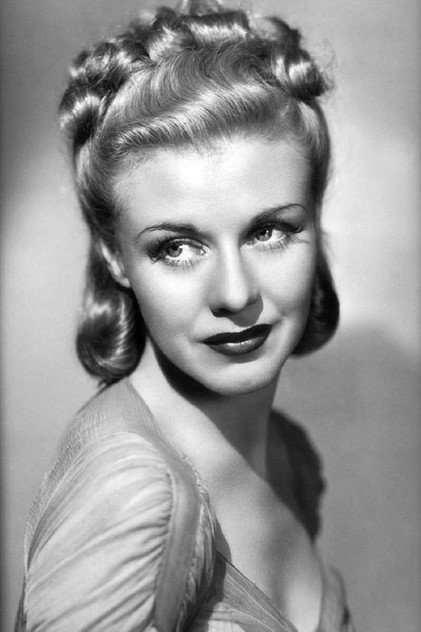
Ginger Rogers as Katherine Butt-Smith
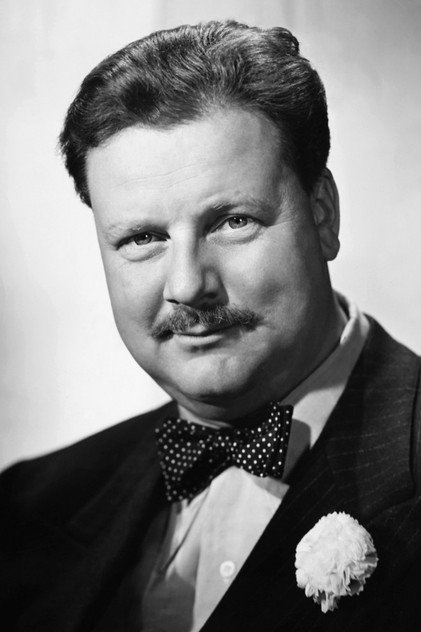
Walter Slezak as Baron Franz Von Luber
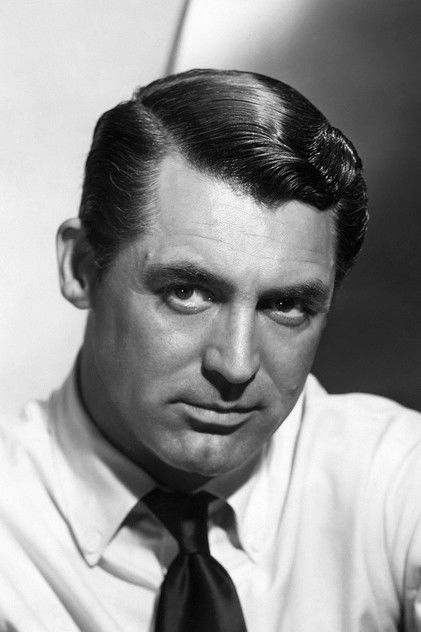
Cary Grant as Patrick O'Toole
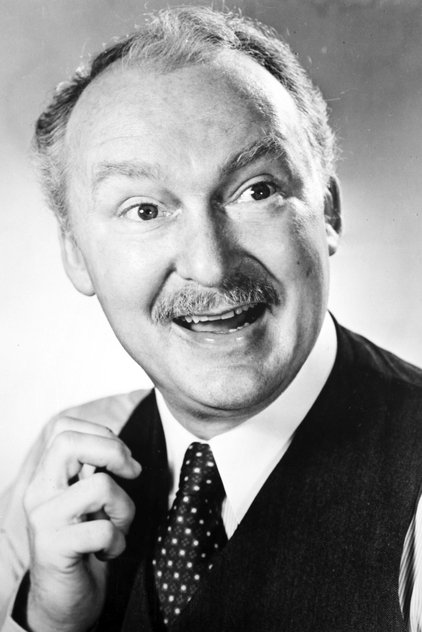
Albert Dekker as Gaston Le Blanc
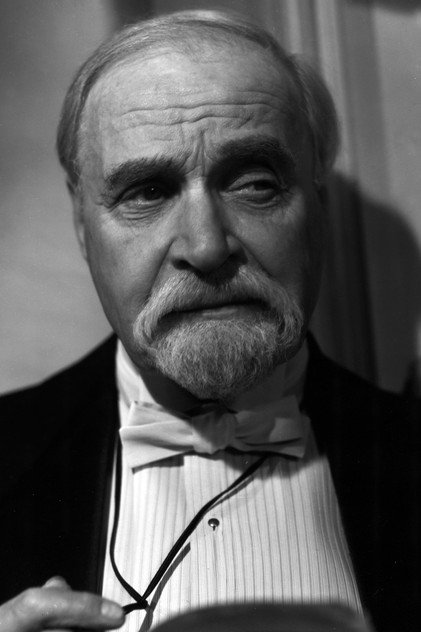
Albert Bassermann as General Borelski
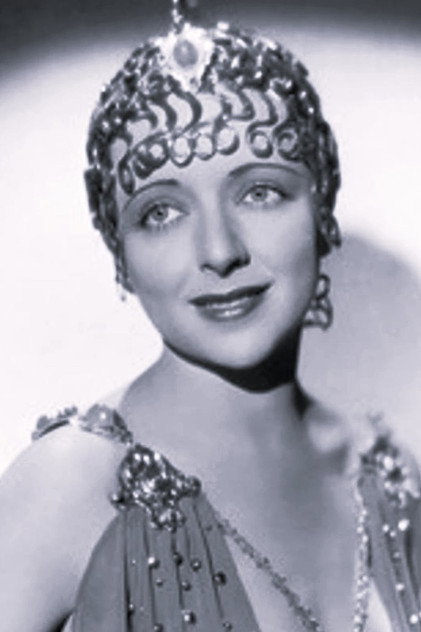
Ferike Boros as Elsa
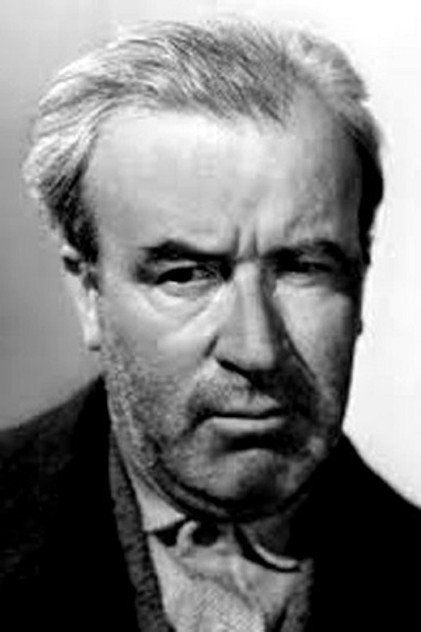
Harry Shannon as Ed Cumberland
Full billed cast of Once Upon a Honeymoon (1942).
Players in billing order, with the characters they play.
- Cary Grantas Patrick O'Toole
- Ginger Rogersas Katherine Butt-Smith
- Walter Slezakas Baron Franz Von Luber
- Albert Dekkeras Gaston Le Blanc
- Albert Bassermannas General Borelski
- Ferike Borosas Elsa
- Harry Shannonas Ed Cumberland
- Natasha Lytessas Anna
- John Banneras Von Kleinoch (uncredited)
- Hans Jobyas Kleinoch's Driver (uncredited)
- Hans Conriedas Vienna Tailor's Fitter (uncredited)
- Fred Nibloas Ship's Captain (uncredited)
- Fred Aldrichas German Storm Trooper (uncredited)
- Frank Altenas Official Saying 'Spontaneity' (uncredited)
- Felix Baschas Herr Kelman (uncredited)
- Brandon Beachas Civilian (uncredited)
- Walter Bonnas German Officer (uncredited)
- Ace Bragunieras Pilot (uncredited)
- Walter Byronas Guard (uncredited)
- Gordon B. Clarkeas German Officer (uncredited)
- Alexis Davidoffas Traveler in Warsaw (uncredited)
- Boyd Davisas Chamberlain (uncredited)
- Claudine De Lucas Hotel Proprietess (uncredited)
- Jimmy Dimeas German Storm Trooper (uncredited)
- Joseph Diskayas Warsaw Desk Clerk (uncredited)
- Carl Ekbergas Adolf Hitler (uncredited)
- Bess Flowersas Bridge Player (uncredited)
- Arno Freyas German Officer (uncredited)
- Hans Fuerbergas German Storm Trooper (uncredited)
- Russell Gaigeas Baron's Guest (uncredited)
- Steven Gerayas Café Waiter (uncredited)
- Frederick Giermannas German Getting Film from Le Blanc (uncredited)
- Henry Guttmanas German Storm Trooper (uncredited)
- Sam Harrisas Bridge Player (uncredited)
- Ernst Hauessermannas German Getting Film from Le Blanc (uncredited)
- Dell Hendersonas American Attaché (uncredited)
- George Irvingas American Consul (uncredited)
- Joseph Kamarytas Czech Official (uncredited)
- Manart Kippenas German Officer (uncredited)
- Nicholai Konovaloffas Traveler in Warsaw (uncredited)
Crew.
- Art DirectionAlbert S. D'Agostino
- Art DirectionAlfred Herman
- DirectorLeo McCarey
- Director of PhotographyGeorge Barnes
- EditorTheron Warth
- Original Music ComposerRobert Emmett Dolan
- ScreenplaySheridan Gibney
- StorySheridan Gibney
- StoryLeo McCarey
A quiet dispatch,
once a month.
One considered essay in your inbox each month. No promotions, no algorithms, no forwarding. Unsubscribe with a single click.
Other studies.
Cary Grant and Deborah Kerr headline an elegant romantic comedy exploring whether the perfect partner exists—or whether perfection itself is an illusion.
A thoughtful wartime satire blending romance, comedy, and commentary on celebrity culture.
Cary Grant and Audrey Hepburn create one of cinema's most elegant romantic mysteries—a thrilling game of deception, danger, and unexpected love.