Monkey Business
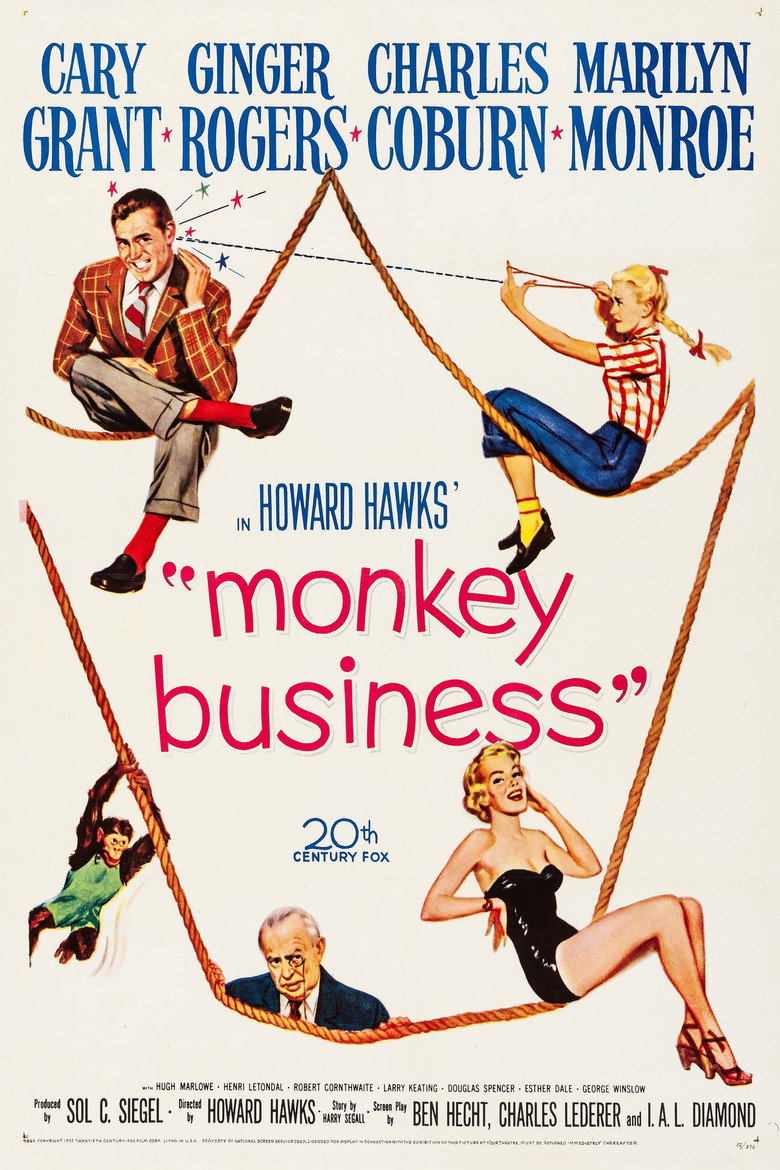
Howard Hawks reunites Cary Grant and Ginger Rogers in a fantasy comedy about a youth serum that turns respectable adults into exuberant children at heart.
Editorial ratings
- Cary Grant
- Story
- Direction
- Cinematography
- Entertainment
- Historical importance
Research chemist Barnaby Fulton works on a fountain of youth pill for a chemical company. One of the labs chimps gets loose in the laboratory and mixes chemicals, but then pours the mix into the water cooler. When trying one of his own samples, washed down with water from the cooler, Fulton begins to act just like a twenty-year-old and believes his potion is working. Soon his wife and boss are also behaving like children.
Cary Grant plays Barnaby Fulton, under the direction of Howard Hawks, released in 1952.
Featured quote
“The child hidden within every adult.”
Introduction
Howard Hawks uses a whimsical scientific premise to examine adulthood and playfulness.
The Story
A laboratory chimpanzee accidentally creates a youth serum, sending Barnaby and those around him into comic regression.
Production & Behind the Scenes
The film reunited Hawks with Grant and paired them with Ginger Rogers and a rising Marilyn Monroe.
Cary Grant's Performance
A masterclass in physical comedy, timing, and fearless commitment.
Howard Hawks' Direction & Themes
A witty meditation on aging, science, and the child hidden within every adult.
Historical Context
Reflects postwar optimism and America's fascination with science and youth.
Legacy & Influence
An enduring fantasy comedy that influenced later age-transformation films.
Gallery
Production & release
1951
Screenplay Assembled
Screenplay assembled.
Early 1952
Production Begins
Production begins.
September 5, 1952
Released
Released.
1952
Commercial Success
Major commercial success.
Today
Legacy
Considered one of Grant's greatest comedies.
Collaborators.
Howard Hawks worked across nearly every major American film genre — screwball comedy, gangster picture, western, war film, noir, musical — with a directorial style so understated that his authorship went largely unrecognised by American critics until French New Wave writers, particularly at Cahiers du cinéma, championed him in the 1950s and 1960s as a defining auteur of Hollywood cinema. Hawks favored fast, overlapping dialogue, self-sufficient professional characters, and a recurring interest in tight groups bound by competence and loyalty rather than sentiment, visible across films as different as "Scarface" (1932), "Bringing Up Baby" (1938), "Only Angels Have Wings" (1939), and "Red River" (1948). He directed Cary Grant more often than any director besides Alfred Hitchcock, across five films spanning nearly fifteen years and several genres, including two of the defining screwball comedies of the studio era. Hawks received an Academy Honorary Award in 1975 in recognition of a career that had never won him a competitive Oscar.
Ginger Rogers began as a vaudeville and Broadway performer before moving into film in the early 1930s, where she is most enduringly remembered for the ten musicals she made opposite Fred Astaire at RKO between 1933 and 1949, including "Top Hat" (1935), "Swing Time" (1936), and "Shall We Dance" (1937). Their partnership defined the Hollywood musical of the decade and made Rogers, in the choreographer Hermes Pan's phrase, the equal partner who "gave him sex" as Astaire gave the pairing style. Rogers deliberately sought roles outside the musical genre to avoid being confined to the Astaire partnership, and the strategy paid off when she won the Academy Award for Best Actress for the straight dramatic role of "Kitty Foyle" (1940), a performance with no dancing at all. She continued acting in film, on stage, and in television into the 1960s and beyond, and worked twice with Cary Grant in romantic-comedy vehicles during his freelance period at RKO in the 1940s, in productions distinct from both her Astaire musicals and her later dramatic work.
Charles Douville Coburn was born in Macon, Georgia, on 19 June 1877, and raised in Savannah. He began working in theaters as a boy, ushering and eventually managing a Savannah playhouse before moving into acting. He spent decades on the American stage, including running his own Shakespearean touring company with his first wife, Ivah Wills Coburn, and became a respected figure in New York theater and a founder of what became The Players club scene long before Hollywood took any interest in him. Coburn did not begin appearing regularly in films until 1933, when he was already in his mid-fifties, following the death of his wife. He quickly became one of the era's most reliable character actors, specializing in blustery, monocled tycoons and grandfatherly figures whose gruffness typically concealed a soft-hearted core. His late start did not slow him: he worked steadily and prolifically through the 1930s, 1940s and into the 1950s. His peak years came in his sixties and seventies, when he received three consecutive Academy Award nominations for Best Supporting Actor: for The Devil and Miss Jones (1941), for which he lost, The More the Merrier (1943), for which he won, and The Green Years (1946). He continued working in film, radio and eventually television into his eighties. Coburn died in New York City on 30 August 1961, at eighty-four, having appeared in roughly ninety films over a nearly thirty-year screen career that began only after most actors' careers were winding down.
Cast.
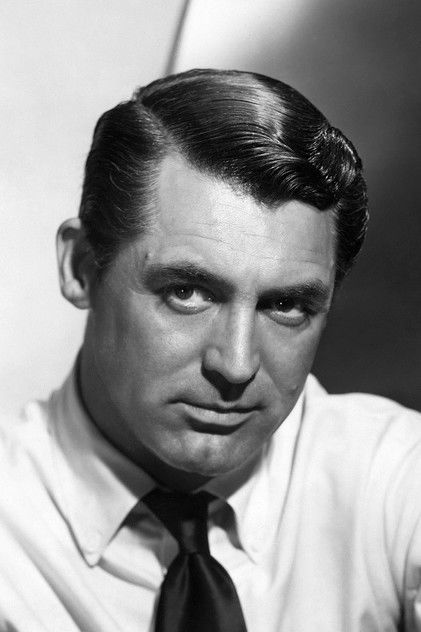
Cary Grant as Barnaby Fulton
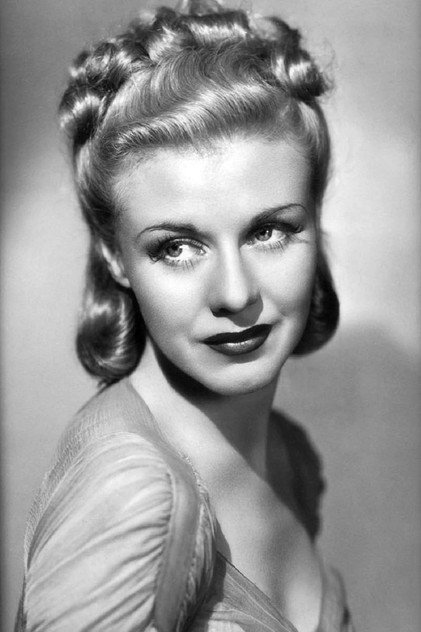
Ginger Rogers as Edwina Fulton
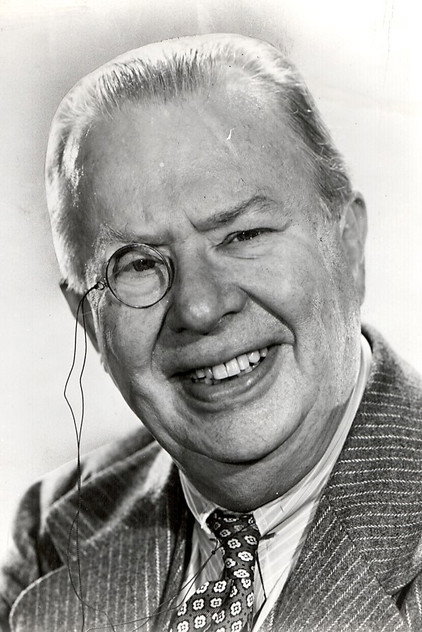
Charles Coburn as Oliver Oxley
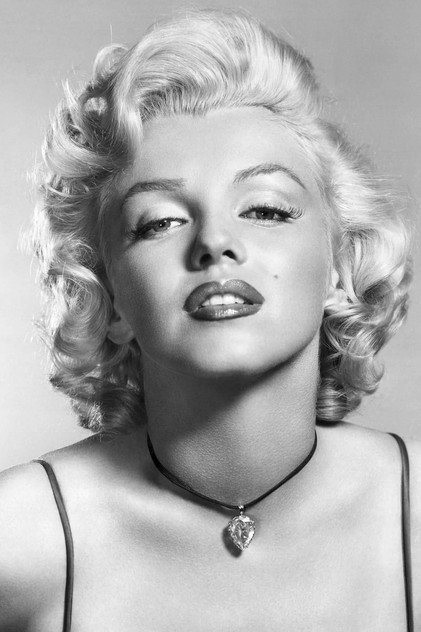
Marilyn Monroe as Lois Laurel
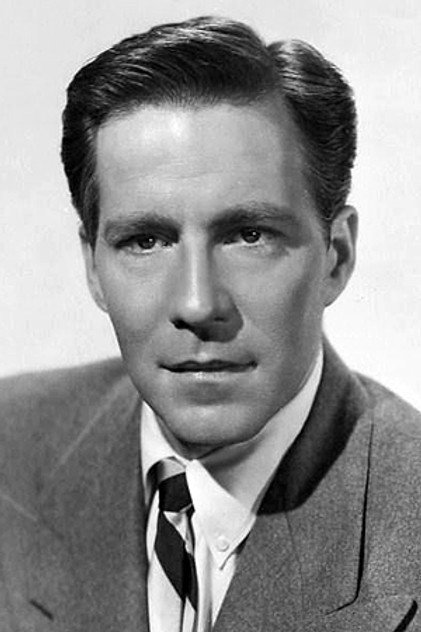
Hugh Marlowe as Hank Entwhistle
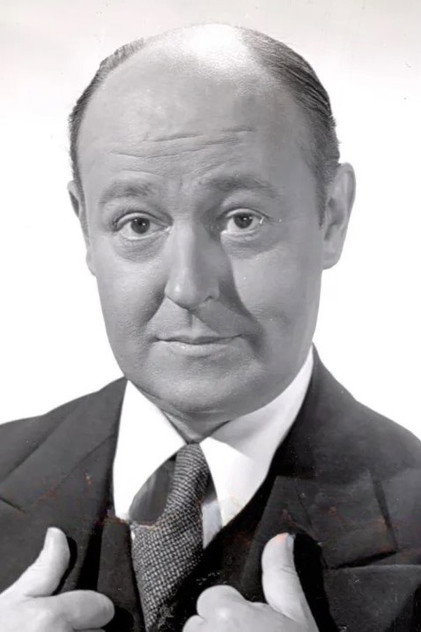
Henri Letondal as Jerome Kitzel
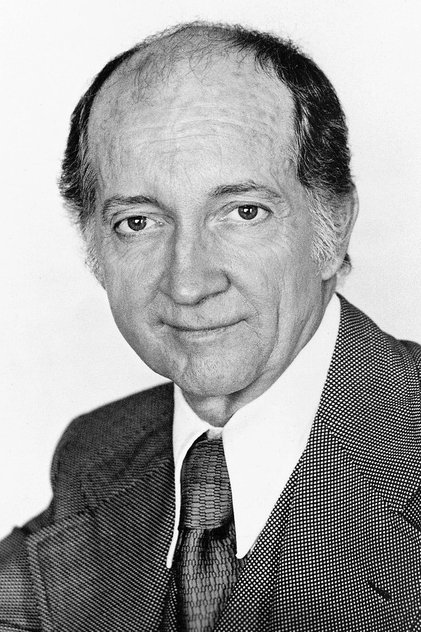
Robert Cornthwaite as Dr. Zoldeck
Full billed cast of Monkey Business (1952).
Players in billing order, with the characters they play.
- Cary Grantas Barnaby Fulton
- Ginger Rogersas Edwina Fulton
- Charles Coburnas Oliver Oxley
- Marilyn Monroeas Lois Laurel
- Hugh Marloweas Hank Entwhistle
- Henri Letondalas Jerome Kitzel
- Robert Cornthwaiteas Dr. Zoldeck
- Larry Keatingas GJ Culverly
- Douglas Spenceras Dr. Brunner
- Esther Daleas Mrs. Rhinelander
- George Winslowas Little Indian
- Marjorie Hollidayas Oxley Receptionist (uncredited)
- Harry Carey Jr.as Reporter (uncredited)
- Nico Minardosas Man at Pool (uncredited)
- Charlotte Austinas Student (uncredited)
- Harry Bartellas Scientist (uncredited)
- Faire Binneyas Dowager (uncredited)
- Tex Brodusas Club Patron (uncredited)
- Olive Careyas Johnny's Mother (uncredited)
- Harry Carteras Scientist (uncredited)
- Melinda Caseyas Girl (uncredited)
- Ronnie Clarkas Boy (uncredited)
- Russ Clarkas Policeman (uncredited)
- Heinie Conklinas House Painter (uncredited)
- George Eldredgeas Mr. Peabody (uncredited)
- Kathleen Freemanas Mrs. Brannigan (uncredited)
- Terry Goodmanas Boy (uncredited)
- Dabbs Greeras Cabbie (uncredited)
- Howard Hawksas Narrator (voice) (uncredited)
- George Hoaglandas Club Patron (uncredited)
- Perk Lazelleas Club Patron (uncredited)
- Rudy Leeas Boy (uncredited)
- Louis Lettierias Boy (uncredited)
- Mickey Littleas Boy (uncredited)
- Emmett Lynnas Gus (uncredited)
- Paul Maxeyas Board Member (uncredited)
- John McKeeas Photographer (uncredited)
- Bill McLeanas Bellboy (uncredited)
- Joseph Mellas Barber (uncredited)
- Christopher Milneas Johnny (uncredited)
Crew.
- Art DirectionGeorge Patrick
- Art DirectionLyle R. Wheeler
- DirectorHoward Hawks
- Director of PhotographyMilton Krasner
- EditorWilliam B. Murphy
- Original Music ComposerLeigh Harline
- ProducerSol C. Siegel
- ScreenplayI. A. L. Diamond
- ScreenplayCharles Lederer
- ScreenplayBen Hecht
- StoryHarry Segall
A quiet dispatch,
once a month.
One considered essay in your inbox each month. No promotions, no algorithms, no forwarding. Unsubscribe with a single click.
Other studies.
Cary Grant and Deborah Kerr headline an elegant romantic comedy exploring whether the perfect partner exists—or whether perfection itself is an illusion.
A thoughtful wartime satire blending romance, comedy, and commentary on celebrity culture.
Cary Grant and Audrey Hepburn create one of cinema's most elegant romantic mysteries—a thrilling game of deception, danger, and unexpected love.