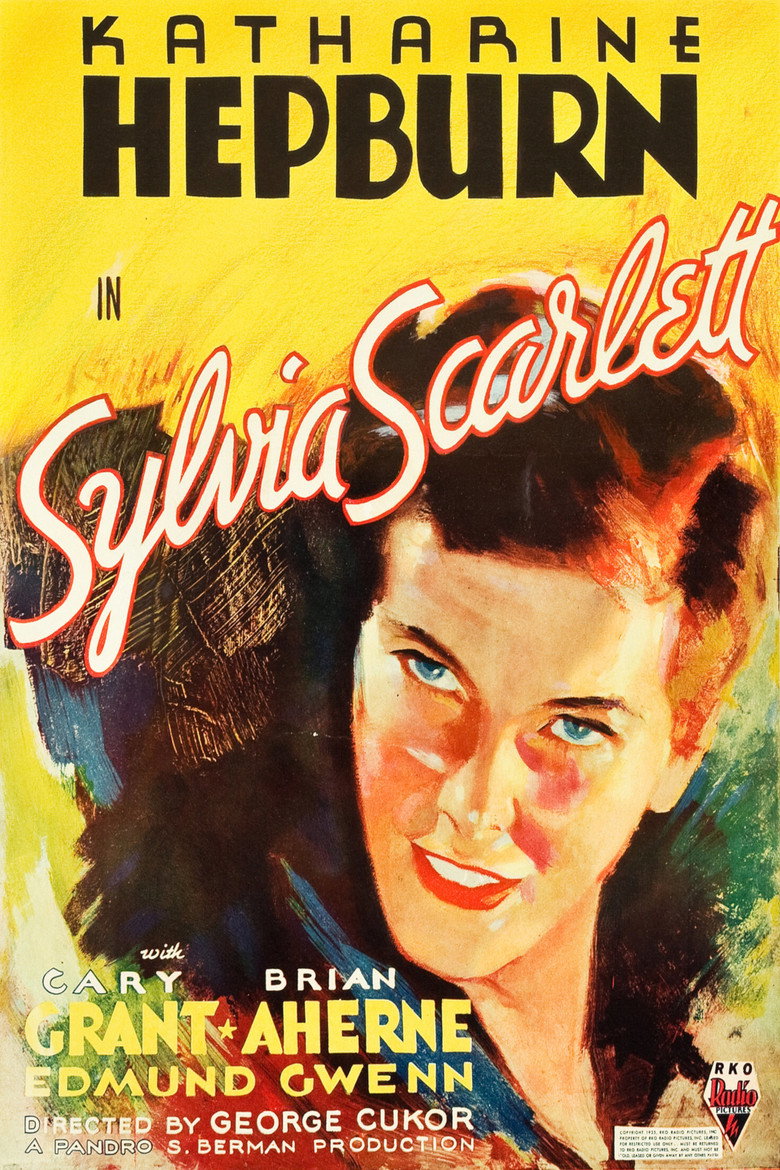
Sylvia Scarlett
The groundbreaking first screen collaboration between Cary Grant and Katharine Hepburn.
Editorial ratings
- Cary Grant
- Story
- Direction
- Cinematography
- Entertainment
- Historical importance
When her father decides to flee to England, young Sylvia Scarlett must become Sylvester Scarlett and protect her father every step of the way, with the questionable help of plenty others.
Cary Grant plays Jimmy Monkley, under the direction of George Cukor, released in 1935.
Featured quote
“The film captures the moment Cary Grant's distinctive screen persona began to emerge and launched his legendary partnership with Katharine Hepburn.”
Introduction
An ambitious adaptation blending romance, drama, comedy, and adventure while introducing Grant and Hepburn's legendary partnership.
The Story
Sylvia disguises herself as a boy while fleeing England, meeting charming rogue Jimmy Monkley as identities and relationships evolve.
Production & Behind the Scenes
George Cukor guided Hepburn and Grant through one of RKO's most daring productions, now recognized as far ahead of its time.
Cary Grant's Performance
Jimmy Monkley marks the emergence of the effortless charisma that would define Cary Grant.
George Cukor's Direction & Themes
Explores identity, performance, freedom, and authenticity with uncommon sophistication.
Historical Context
Released during the early Production Code era, challenging conventions of gender and romance.
Legacy & Influence
Now celebrated as a landmark in Grant's development and a pioneering Hollywood classic.
Gallery
Production & release
Early 1935
Production begins.
Mid 1935
Filming completed.
December 1935
Released by RKO.
Late 1935
Commercial disappointment.
1960s onward
Critical reassessment.
Today
Regarded as a landmark film.
Collaborators.
Katharine Hepburn was born in 1907 in Hartford, Connecticut, to a socially prominent, progressive family; her mother was a suffragist and birth-control advocate, and Hepburn credited this upbringing for her lifelong independence from Hollywood convention. She began on stage and entered film in 1932 with A Bill of Divorcement, winning her first Academy Award for Best Actress just two years later for Morning Glory (1933). Her collaborations with Cary Grant span some of the most celebrated comedies of the studio era: Sylvia Scarlett (1935), directed by George Cukor, in which Hepburn spent much of the film disguised as a boy; Bringing Up Baby (1938), directed by Howard Hawks, now regarded as a defining screwball comedy though it was a box-office disappointment on release; Holiday (1938), also directed by Cukor; and The Philadelphia Story (1940), which reunited her with Cukor and paired her with both Grant and James Stewart, reviving her career after she had been controversially labeled "box office poison" by exhibitors in 1938. Hepburn went on to a decades-long professional and personal partnership with Spencer Tracy, appearing in nine films together including Adam's Rib (1949) and Guess Who's Coming to Dinner (1967), and she ultimately won a record four Academy Awards for Best Actress — for Morning Glory, Guess Who's Coming to Dinner (1967), The Lion in Winter (1968), and On Golden Pond (1981) — a mark no other performer has matched. She died in 2003 in Old Saybrook, Connecticut. Hepburn is remembered as the actress who most successfully resisted the studio system's demands on women, maintaining independence in dress, romance, and career choices across seven decades, and her four films with Cary Grant remain central texts of American screen comedy.
George Cukor came to Hollywood in 1929 after directing on the New York stage, and quickly established a reputation, across his years at MGM and elsewhere, as one of the studio system's finest directors of actors, credited with drawing career-defining performances from a long list of leading women. That reputation earned him the reductive and, in his view, unfair label of a "woman's director," which he resented as a dismissal of range he had also demonstrated with male stars and ensemble casts. Cukor's career included a brief, high-profile removal from "Gone with the Wind" (1939) early in production, and a body of work spanning sophisticated comedy, adapted literary drama, and later musicals. He worked repeatedly with Katharine Hepburn across eight films and with Cary Grant on three occasions in the years bridging screwball comedy and prestige drama. He won the Academy Award for Best Director for "My Fair Lady" (1964), after five earlier nominations, capping a career of more than fifty years that stretched from early sound pictures to studio-era classics to late-career musicals.
Cast.
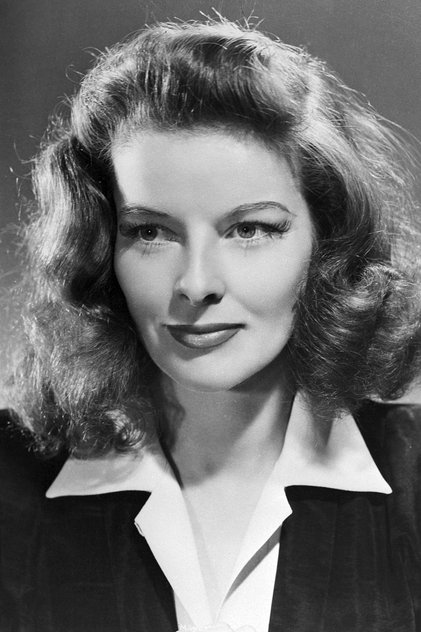
Katharine Hepburn as Sylvia Scarlett
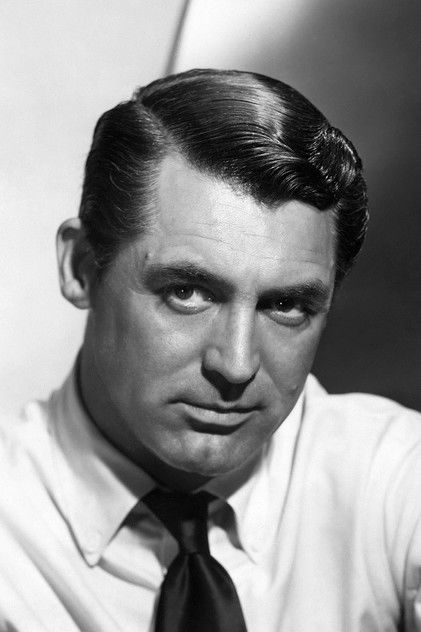
Cary Grant as Jimmy Monkley
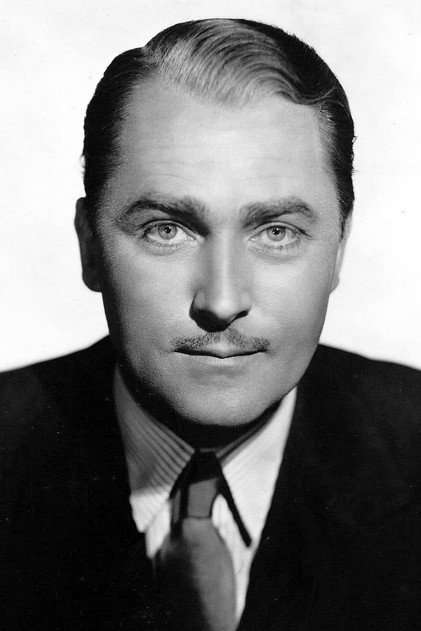
Brian Aherne as Michael Fane
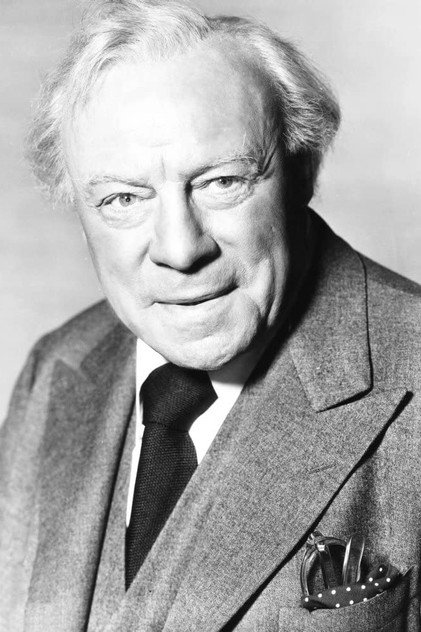
Edmund Gwenn as Henry Scarlett

Natalie Paley as Lily
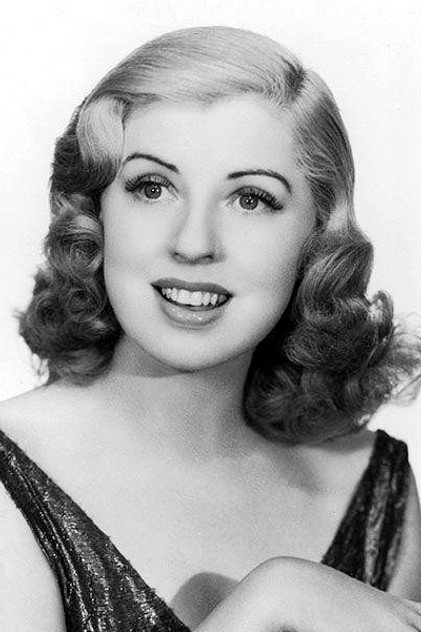
Dennie Moore as Maudie Tilt
Robert Adair as Turnkey
Full billed cast of Sylvia Scarlett (1935).
Players in billing order, with the characters they play.
- Katharine Hepburnas Sylvia Scarlett
- Cary Grantas Jimmy Monkley
- Brian Aherneas Michael Fane
- Edmund Gwennas Henry Scarlett
- Natalie Paleyas Lily
- Dennie Mooreas Maudie Tilt
- Lennox Pawleas Drunk
- Harrold Cheeversas Bobby
- Lionel Papeas Sergeant Major
- Robert Adairas Turnkey
- Peter Hobbesas Steward
- Leonard Mudieas Steward
- Jacques Vanaireas Steward
- Frank Moranas Minor Role (uncredited)
Crew.
- Art DirectionVan Nest Polglase
- Costume DesignBernard Newman
- Costume DesignMuriel King
- DirectorGeorge Cukor
- Director of PhotographyJoseph H. August
- EditorJane Loring
- Original Music ComposerRoy Webb
- ProducerPandro S. Berman
- ScreenplayMortimer Offner
- ScreenplayJohn Collier
- ScreenplayGladys Unger
Players in common.
Also featuring Katharine Hepburn, Lionel Pape.
Also featuring Robert Adair.
Also featuring Katharine Hepburn.
Also featuring Robert Adair.
A quiet dispatch,
once a month.
One considered essay in your inbox each month. No promotions, no algorithms, no forwarding. Unsubscribe with a single click.
Other studies.
Cary Grant and Deborah Kerr headline an elegant romantic comedy exploring whether the perfect partner exists—or whether perfection itself is an illusion.
A thoughtful wartime satire blending romance, comedy, and commentary on celebrity culture.
Cary Grant and Audrey Hepburn create one of cinema's most elegant romantic mysteries—a thrilling game of deception, danger, and unexpected love.