Born to Be Bad
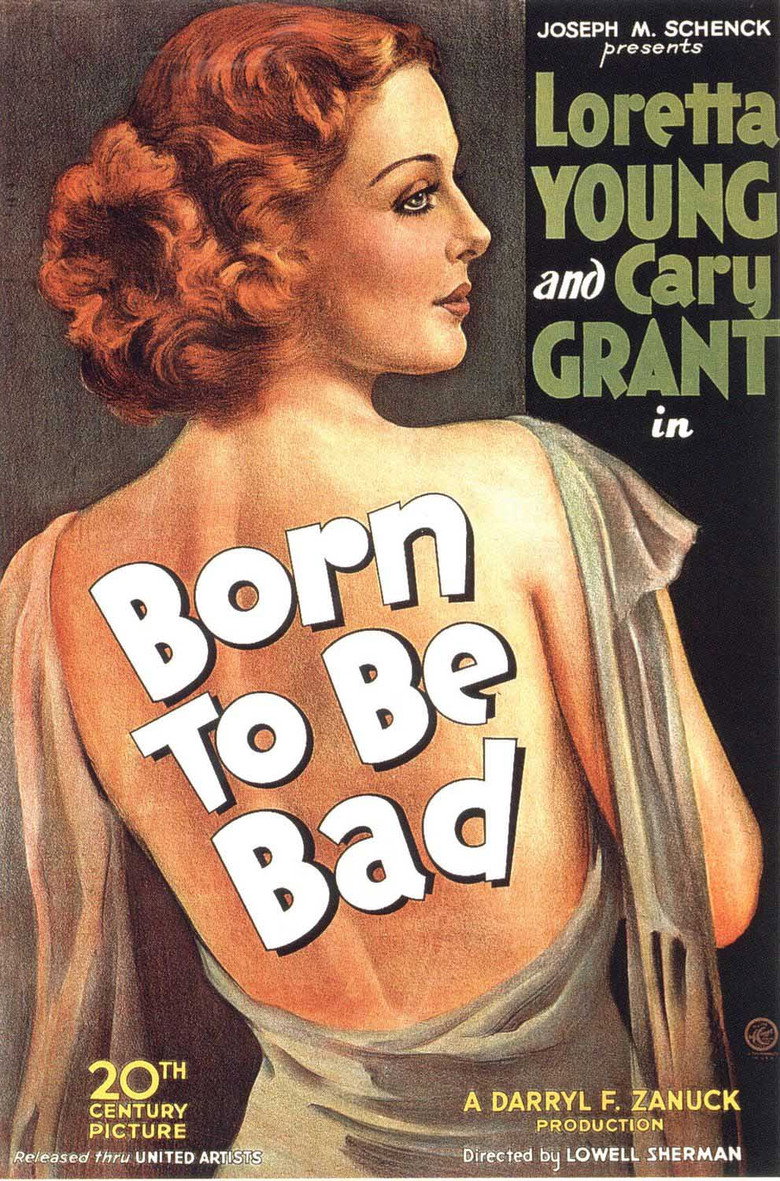
A socially conscious drama revealing Cary Grant's growing dramatic range as Dr. Henry Stafford.
Editorial ratings
- Cary Grant
- Story
- Direction
- Cinematography
- Entertainment
- Historical importance
Letty, a young woman who ended up pregnant, unmarried and on the streets at fifteen is bitter and determined that her child will not grow up to be taken advantage of. Letty teaches her child to lie, steal, cheat and anything else he'll need to be street smart.
Cary Grant plays Malcolm Trevor, under the direction of Lowell Sherman, released in 1934.
Introduction
A thoughtful Universal drama exploring juvenile delinquency and redemption.
The Story
Troubled teenager Letty Strong finds hope through family, compassion, and guidance.
Production & Behind the Scenes
Adapted from Anita Loos' novel and one of Lowell Sherman's final films.
Cary Grant's Performance
Grant delivers an understated, humane portrayal of Dr. Henry Stafford.
Direction & Themes
Compassion, redemption, environment, responsibility, and emotional healing.
Historical Context
An early Production Code-era social drama reflecting changing attitudes toward child welfare.
Legacy & Influence
An overlooked but important dramatic milestone in Cary Grant's career.
Gallery
Production & release
Early 1934
Adaptation Developed
Universal develops the adaptation.
Mid-1934
Production Begins
Production begins.
November 30, 1934
Theatrical Release
Film released.
December 1934
Lowell Sherman Dies
Lowell Sherman dies shortly after release.
Cast.
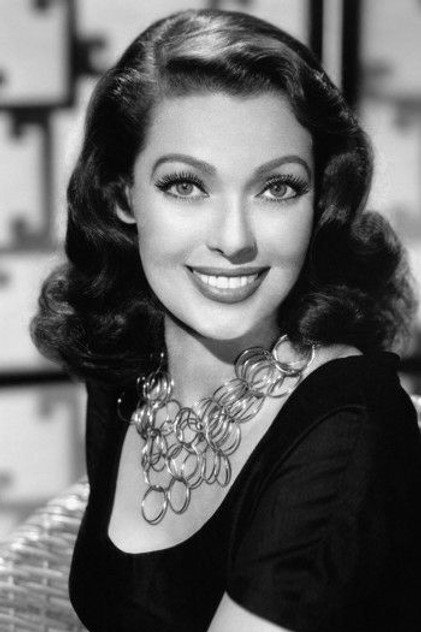
Loretta Young as Letty Strong
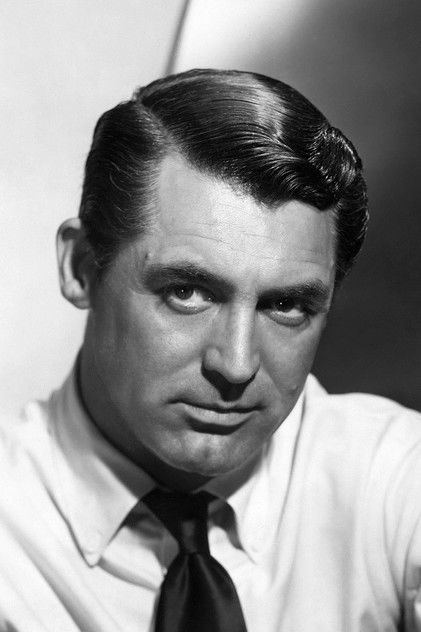
Cary Grant as Malcolm Trevor
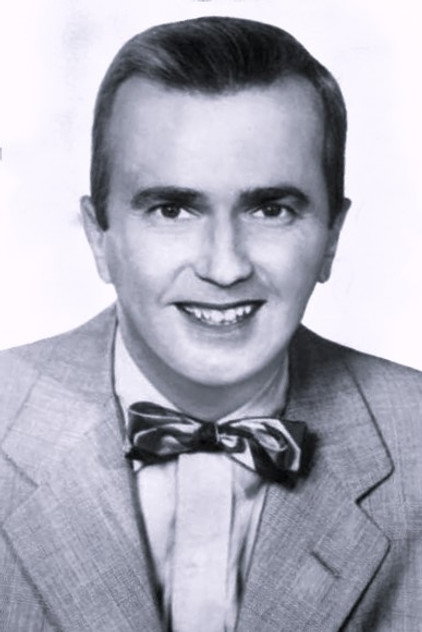
Jackie Kelk as Mickey Strong
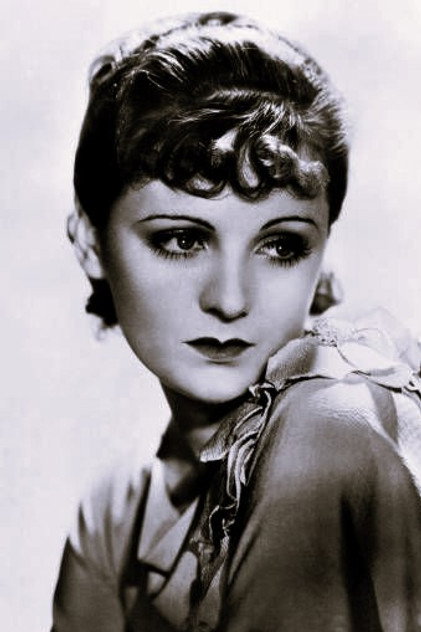
Marion Burns as Mrs. Trevor
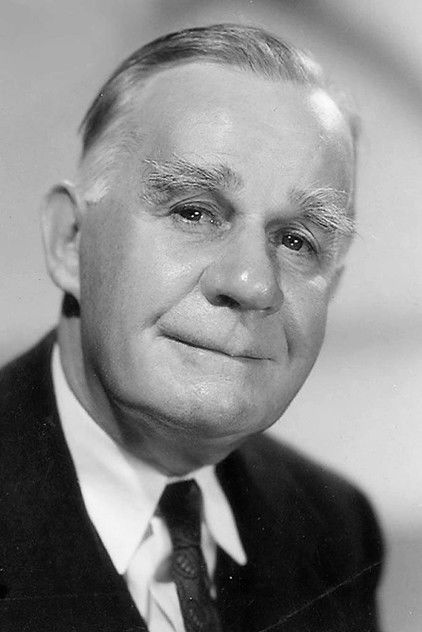
Henry Travers as Fuzzy
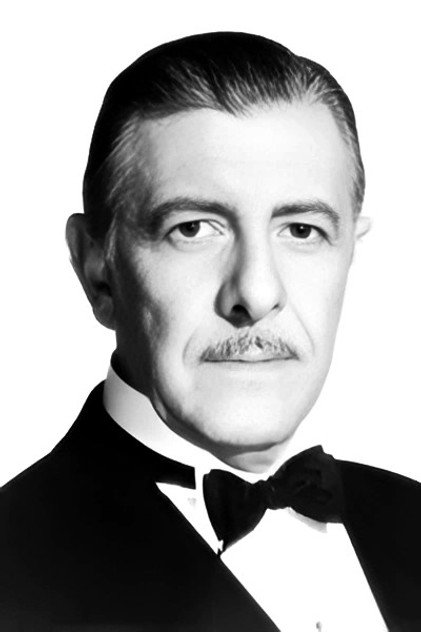
Paul Harvey as Attorney Brian
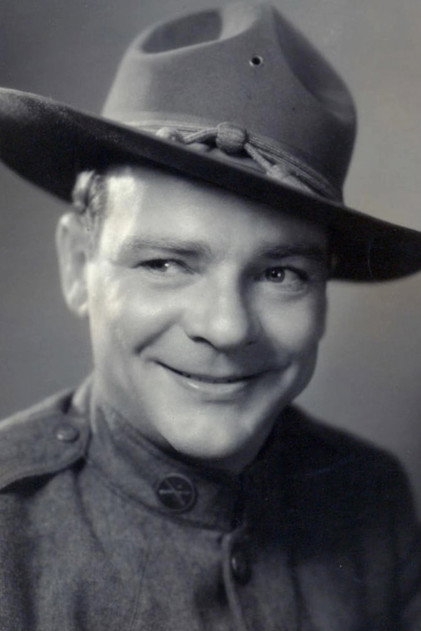
Russell Hopton as Steve Karns
Full billed cast of Born to Be Bad (1934).
Players in billing order, with the characters they play.
- Loretta Youngas Letty Strong
- Cary Grantas Malcolm Trevor
- Jackie Kelkas Mickey Strong
- Marion Burnsas Mrs. Trevor
- Henry Traversas Fuzzy
- Paul Harveyas Attorney Brian
- Russell Hoptonas Steve Karns
- Harry Greenas Adolph
Crew.
- Art DirectionRichard Day
- Art DirectionJoseph C. Wright
- Costume DesignGwen Wakeling
- DirectorLowell Sherman
- Director of PhotographyBarney McGill
- EditorMaurice Wright
- Original Music ComposerAlfred Newman
- ProducerDarryl F. Zanuck
- ScreenplayRalph Graves
A quiet dispatch,
once a month.
One considered essay in your inbox each month. No promotions, no algorithms, no forwarding. Unsubscribe with a single click.
Other studies.
Cary Grant and Deborah Kerr headline an elegant romantic comedy exploring whether the perfect partner exists—or whether perfection itself is an illusion.
A thoughtful wartime satire blending romance, comedy, and commentary on celebrity culture.
Cary Grant and Audrey Hepburn create one of cinema's most elegant romantic mysteries—a thrilling game of deception, danger, and unexpected love.