← Explore
Director · 1904–1975
George Stevens
George Stevens began his film career as a cameraman, shooting Laurel and Hardy short comedies in the late 1920s before moving into directing in the 1930s. He built a reputation as one of Hollywood's most meticulous craftsmen, working across genres from adventure and comedy to social drama and epic western over a career spanning three decades.
During the Second World War, Stevens headed a military film unit that documented the Normandy landings and the liberation of the Dachau concentration camp; the footage he shot was later used as evidence at the Nuremberg trials. Colleagues and biographers have consistently identified this wartime experience as a turning point that darkened the tone of his postwar work, moving him away from the lighter comedies of his earlier career.
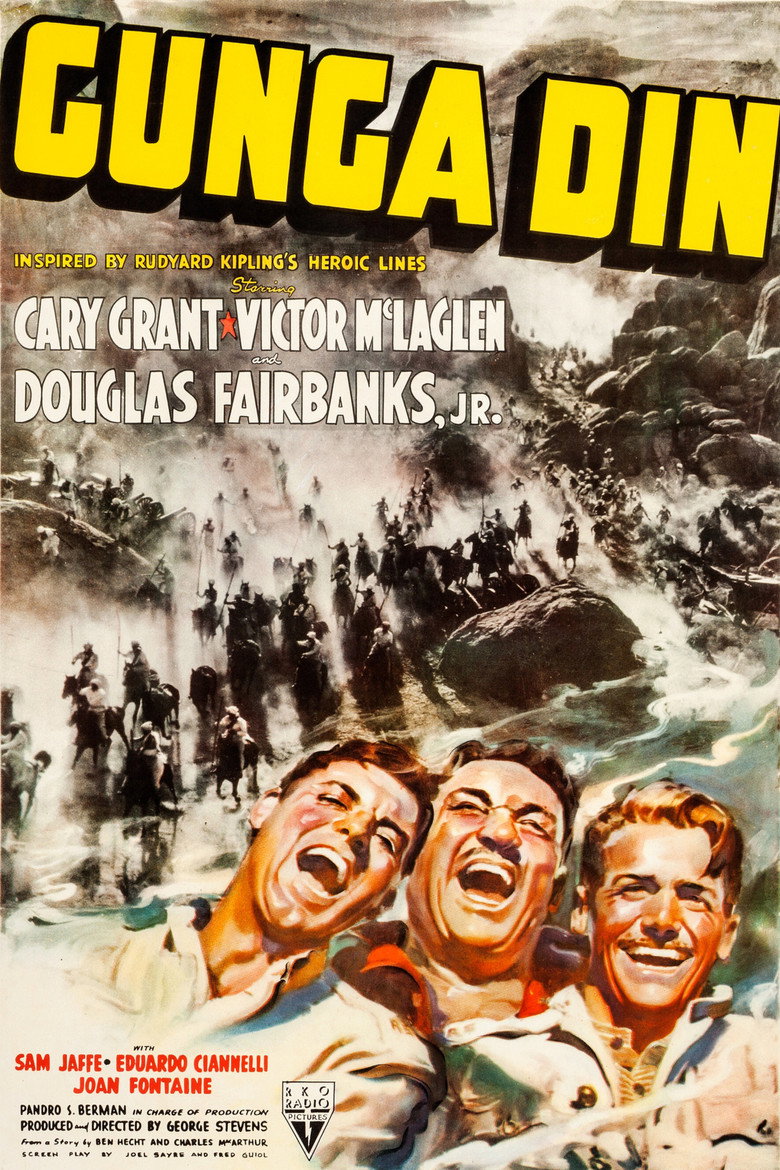
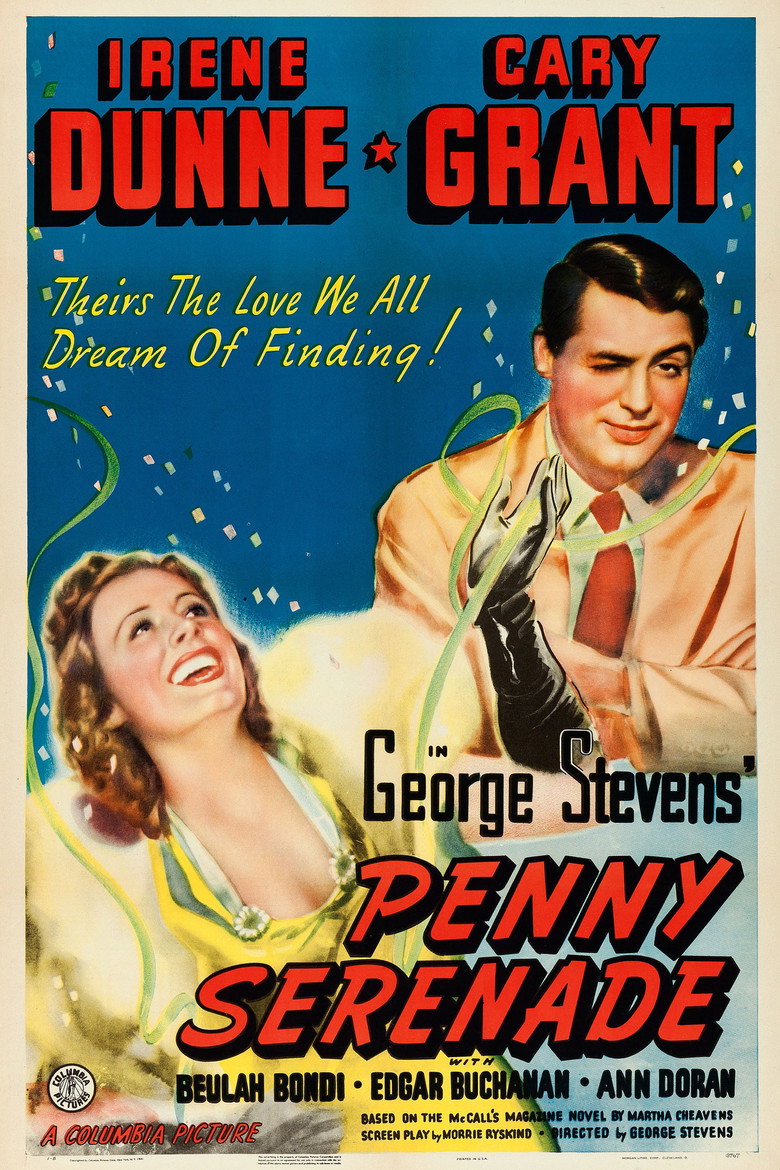
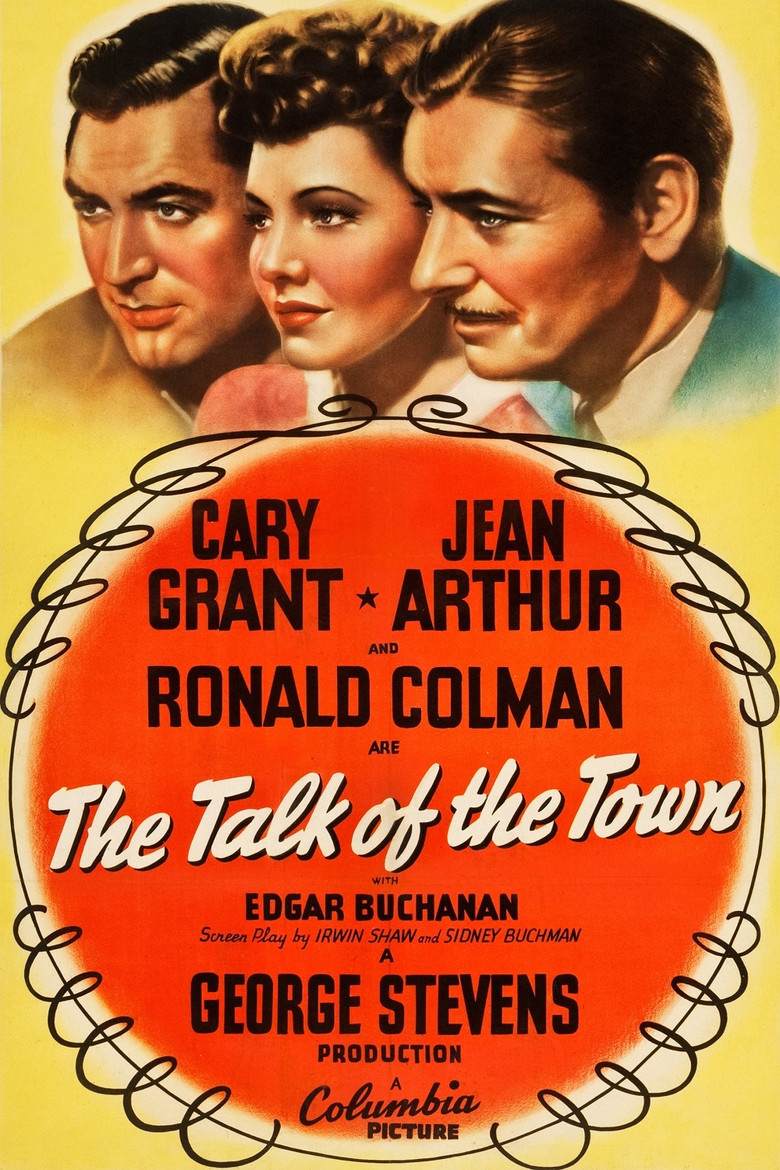
His postwar films included "A Place in the Sun" (1951), "Shane" (1953), and "Giant" (1956), for which he won two Academy Awards for Best Director, and later "The Diary of Anne Frank" (1959) and "The Greatest Story Ever Told" (1965). His prewar work with Cary Grant, by contrast, belongs to the more purely entertainment-driven period before his wartime service.