The Talk of the Town
Justice. Conscience. Romance.
Editorial ratings
- Cary Grant
- Story
- Direction
- Cinematography
- Entertainment
- Historical importance
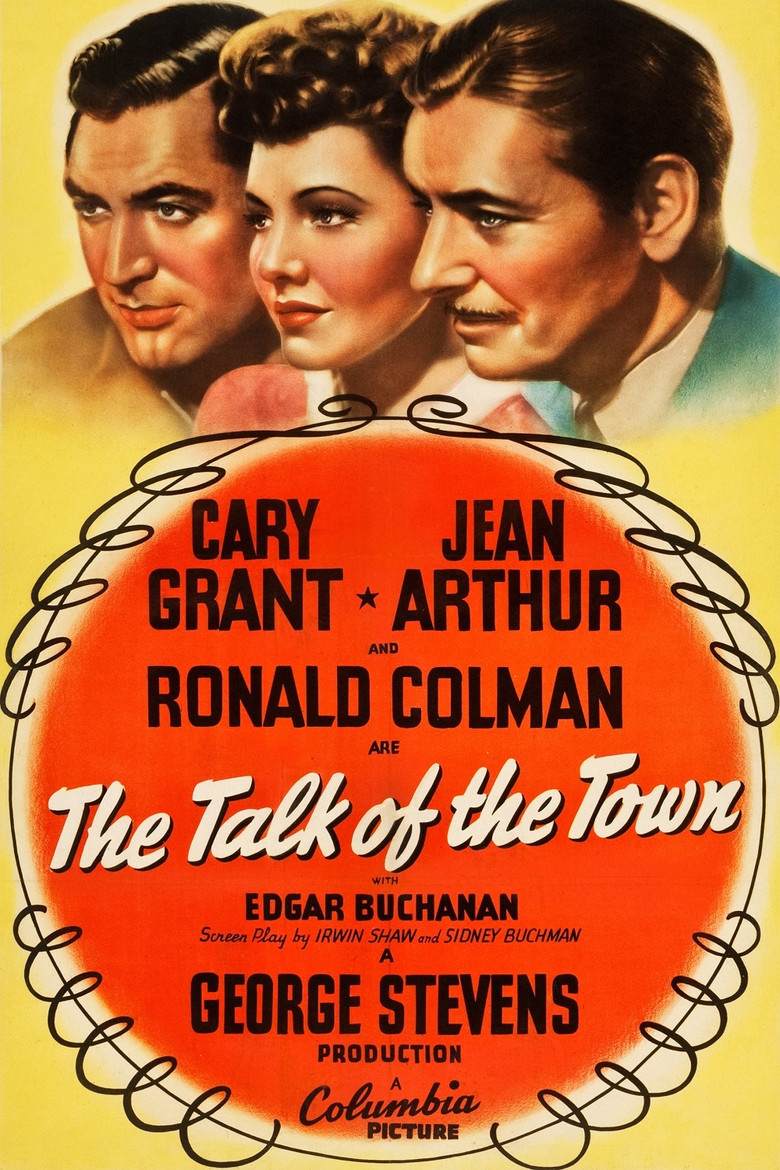
Hilarity ensues when a falsely accused fugitive from justice hides at the house of his childhood friend, which she has recently rented to a high-principled law teacher.
Cary Grant plays Leopold Dilg, under the direction of George Stevens, released in 1942.
Featured quote
“One of Cary Grant's most intellectually ambitious performances.”
Introduction
George Stevens' acclaimed wartime drama examines justice through an exceptional ensemble cast at the height of their powers.
The Story
Wrongly accused Leopold Dilg hides while seeking the truth, forming an unlikely friendship with a future Supreme Court justice and the schoolteacher who harbors them both.
Production & Behind the Scenes
Meticulous direction, outstanding writing, and seven Academy Award nominations mark this as one of Columbia's finest wartime prestige productions.
Cary Grant's Performance
Grant balances warmth, conviction, humor, and vulnerability in one of his richest characterizations.
George Stevens' Direction & Themes
Justice, democracy, truth, friendship, and conscience are explored with remarkable humanity.
Historical Context
Released during World War II, the film celebrates democratic ideals and the rule of law at a moment when both were under global threat.
Legacy & Influence
Recognized today as one of the finest films of Grant's mature career.
Gallery
Production & release
1941
Development begins at Columbia Pictures.
Early 1942
Principal photography.
August 28, 1942
Film released.
1943
Seven Academy Award nominations.
Today
Considered one of Cary Grant's finest dramatic performances.
Collaborators.
George Stevens began his film career as a cameraman, shooting Laurel and Hardy short comedies in the late 1920s before moving into directing in the 1930s. He built a reputation as one of Hollywood's most meticulous craftsmen, working across genres from adventure and comedy to social drama and epic western over a career spanning three decades. During the Second World War, Stevens headed a military film unit that documented the Normandy landings and the liberation of the Dachau concentration camp; the footage he shot was later used as evidence at the Nuremberg trials. Colleagues and biographers have consistently identified this wartime experience as a turning point that darkened the tone of his postwar work, moving him away from the lighter comedies of his earlier career. His postwar films included "A Place in the Sun" (1951), "Shane" (1953), and "Giant" (1956), for which he won two Academy Awards for Best Director, and later "The Diary of Anne Frank" (1959) and "The Greatest Story Ever Told" (1965). His prewar work with Cary Grant, by contrast, belongs to the more purely entertainment-driven period before his wartime service.
Jean Arthur was born Gladys Georgianna Greene in 1900 in Plattsburgh, New York, and worked as a photographer's model before entering silent films in the early 1920s, where she found little success. Her career was remade by talking pictures, which revealed a voice — husky, cracking upward into a squeak at moments of feeling — that became one of the most distinctive instruments in American comedy. She rose to stardom at Columbia Pictures under Frank Capra, starring in Mr. Deeds Goes to Town (1936) and Mr. Smith Goes to Washington (1939), and became closely associated with Howard Hawks and George Stevens as well. Her two films with Cary Grant, Only Angels Have Wings (1939) and The Talk of the Town (1942), fall within this peak period and rank among the era's most admired blends of comedy and feeling. Arthur was famously reluctant about her own stardom, reportedly suffering severe stage fright and camera anxiety throughout her career despite her success, and she walked away from studio contracts more than once, including a public dispute with Columbia's Harry Cohn. She largely retired from film after Shane (1953), attempting a brief return to television and stage work, including a much-discussed 1967 Broadway run in The Freaking Out of Stephanie Blake that closed quickly, and a short-lived 1966 CBS sitcom, The Jean Arthur Show. She died in 1991 in Carmel, California. Arthur is remembered today as the definitive voice of Depression-era American comedy, an actress whose visible discomfort with fame paradoxically deepened the authenticity of the everywoman characters she played.
Cast.
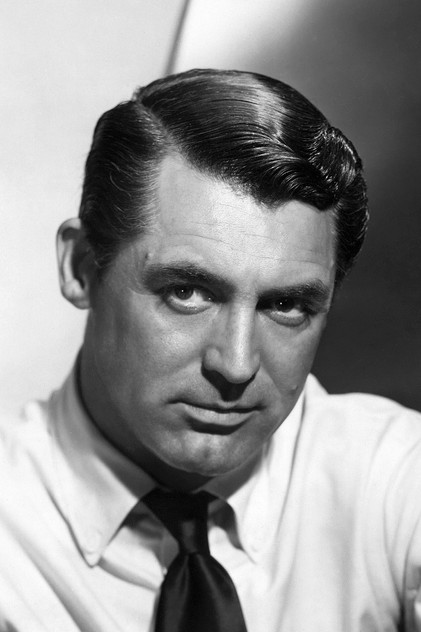
Cary Grant as Leopold Dilg
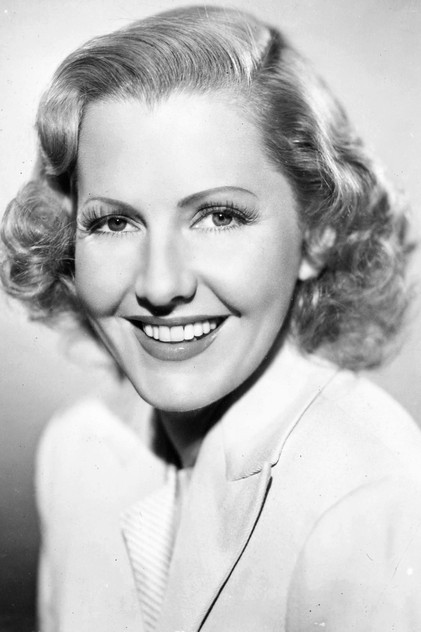
Jean Arthur as Nora Shelley
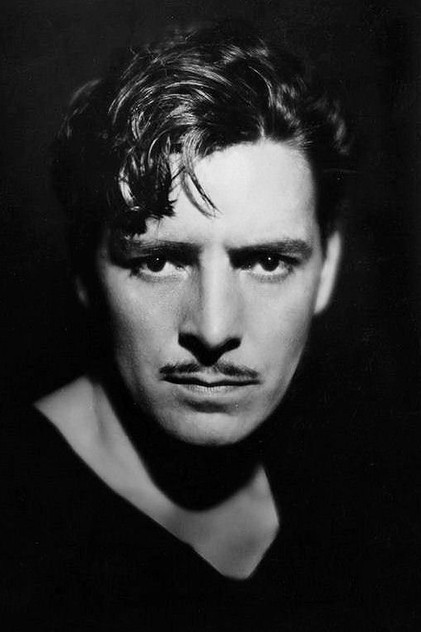
Ronald Colman as Michael Lightcap
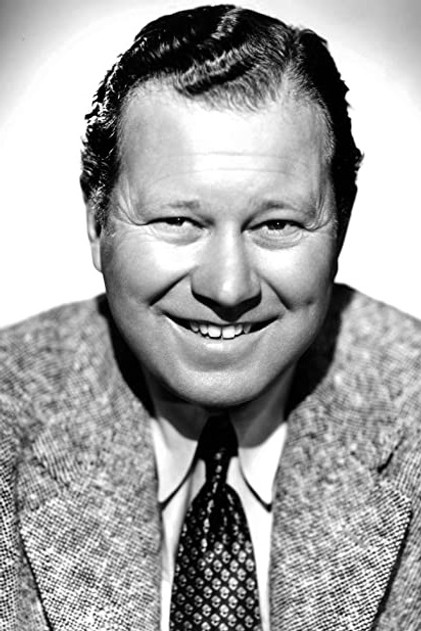
Edgar Buchanan as Sam Yates
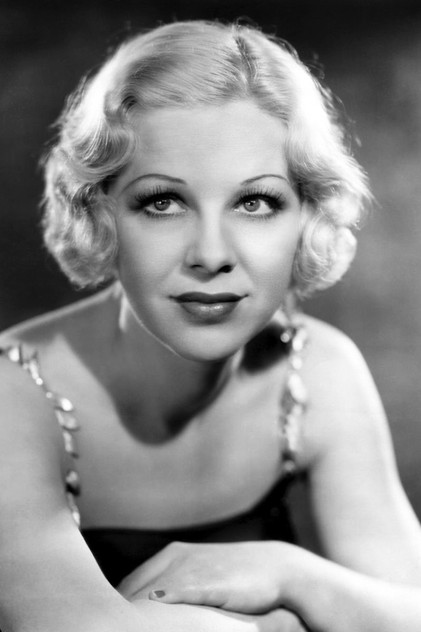
Glenda Farrell as Regina Bush
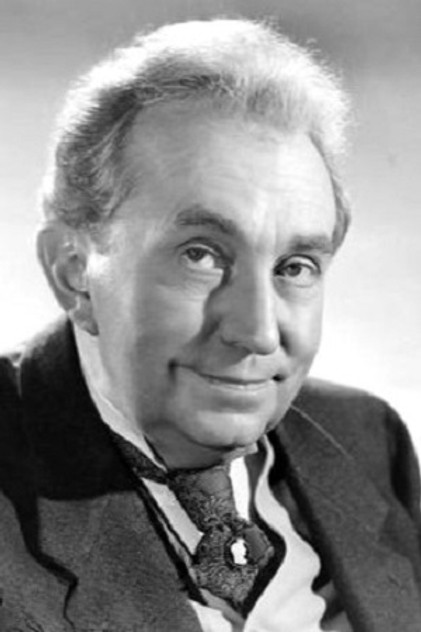
Charles Dingle as Andrew Holmes
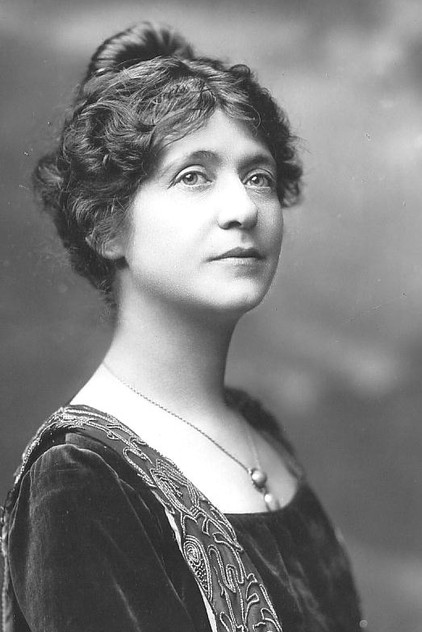
Emma Dunn as Mrs. Shelley
Full billed cast of The Talk of the Town (1942).
Players in billing order, with the characters they play.
- Cary Grantas Leopold Dilg
- Jean Arthuras Nora Shelley
- Ronald Colmanas Michael Lightcap
- Edgar Buchananas Sam Yates
- Glenda Farrellas Regina Bush
- Charles Dingleas Andrew Holmes
- Emma Dunnas Mrs. Shelley
- Rex Ingramas Tilney
- Leonid Kinskeyas Jan Pulaski
- Tom Tyleras Clyde Bracken
- Don Beddoeas Police Chief
- William Benedictas Western Union Boy (uncredited)
- Ferike Borosas Mrs. Pulaski (uncredited)
- Al Bridgeas Desk Sergeant (uncredited)
- Lloyd Bridgesas Donald Forrester (uncredited)
- Leslie Brooksas Secretary (uncredited)
- Jack Carras Usher (uncredited)
- Gino Corradoas Nightclub Waiter (uncredited)
- Joe Cunninghamas McGuire (uncredited)
- Clyde Fillmoreas James Boyd (uncredited)
- Frank McLureas Nightclub Patron (uncredited)
- Clarence Museas Supreme Court Doorkeeper (uncredited)
- Frank O'Connoras Courtroom Spectator (uncredited)
- Blanche Paysonas Supreme Court Spectator (uncredited)
- Dewey Robinsonas Irate Man at Burned Mill (uncredited)
- Mabel Toddas Operator (uncredited)
- George Wattsas Judge Grunstadt (uncredited)
- Lee 'Lasses' Whiteas Hound Keeper (uncredited)
- Max Wagneras Moving Man (uncredited)
- Frank Millsas Townsman (uncredited)
Crew.
- Art DirectionLionel Banks
- Costume DesignIrene
- DirectorGeorge Stevens
- Director of PhotographyTed Tetzlaff
- EditorOtto Meyer
- Original Music ComposerFriedrich Hollaender
- ProducerGeorge Stevens
- ScreenplayIrwin Shaw
- ScreenplaySidney Buchman
- StorySidney Harmon
Players in common.
Quotations from The Talk of the Town
The Quotebook →“I don’t approve of, but I like people who think in terms of ideal conditions. They’re the dreamers, poets, tragic figures in this world, but interesting.”
Leopold Dilg · 1942VerifiedScreen dialogue, spoken by Leopold Dilg in The Talk of the Town (1942).
“Stop saying ‘Leopold’ like that, tenderly. It sounds funny. You can’t do it with a name like Leopold.”
Leopold Dilg · 1942VerifiedScreen dialogue, spoken by Leopold Dilg in The Talk of the Town (1942).
“Well, it’s a form of self-expression. Some people write books. Some people write music. I make speeches on street corners.”
Leopold Dilg · 1942VerifiedScreen dialogue, spoken by Leopold Dilg in The Talk of the Town (1942).
“What is the law? It’s a gun pointed at somebody’s head. All depends upon which end of the gun you stand, whether the law is just or not.”
Leopold Dilg · 1942VerifiedScreen dialogue, spoken by Leopold Dilg in The Talk of the Town (1942).
A quiet dispatch,
once a month.
One considered essay in your inbox each month. No promotions, no algorithms, no forwarding. Unsubscribe with a single click.
Other studies.
Cary Grant and Deborah Kerr headline an elegant romantic comedy exploring whether the perfect partner exists—or whether perfection itself is an illusion.
A thoughtful wartime satire blending romance, comedy, and commentary on celebrity culture.
Cary Grant and Audrey Hepburn create one of cinema's most elegant romantic mysteries—a thrilling game of deception, danger, and unexpected love.