Only Angels Have Wings
A breathtaking aviation drama where courage, professionalism, and sacrifice define the true meaning of heroism.
Editorial ratings
- Cary Grant
- Story
- Direction
- Cinematography
- Entertainment
- Historical importance
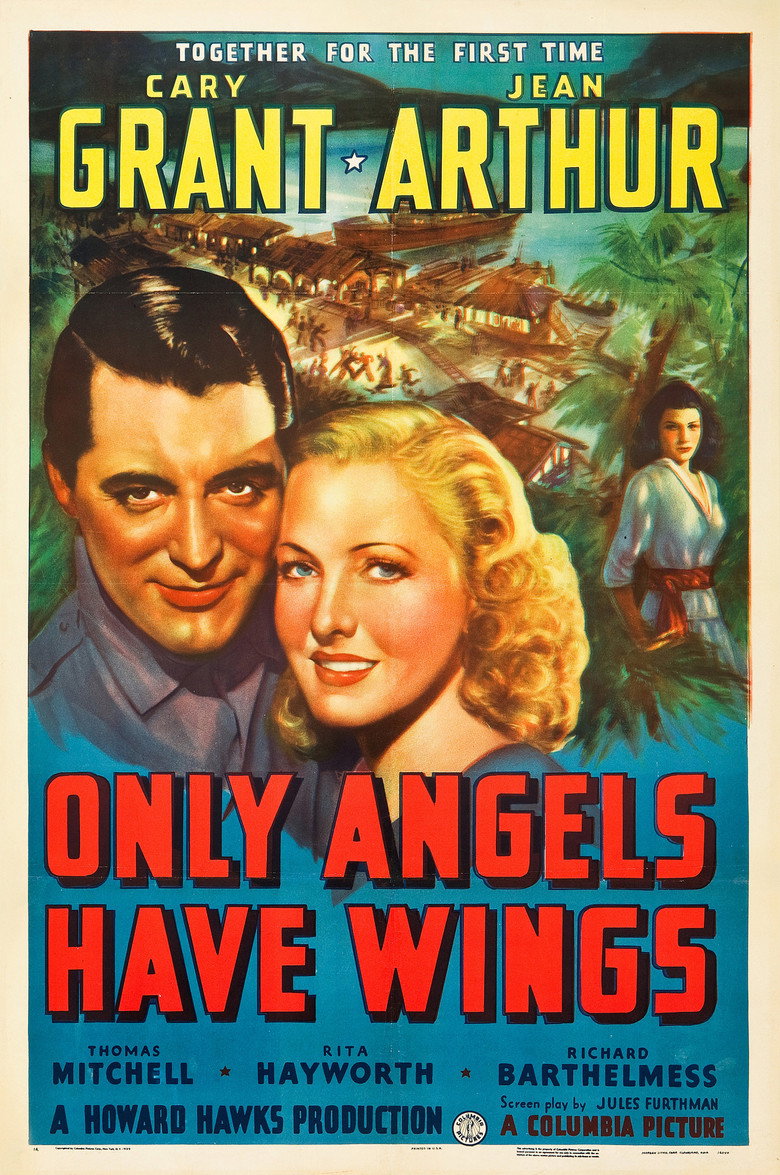
A traveling performer arrives at a remote South American port town where the head of an air freight service must risk his pilots' lives to earn a major contract.
Cary Grant plays Geoff Carter, under the direction of Howard Hawks, released in 1939.
Featured quote
“You've got to do the job.”
Introduction
A mature aviation drama exploring leadership, romance, and responsibility.
The Story
Bonnie Lee enters Geoff Carter's perilous world of elite mail pilots.
Production & Behind the Scenes
Inspired by Howard Hawks' own aviation experience and featuring remarkable practical flying effects.
Cary Grant's Performance
Grant's restrained portrayal of Geoff Carter ranks among his greatest dramatic achievements.
Howard Hawks' Direction & Themes
Professionalism, competence, teamwork, and emotional discipline define the film.
Historical Context
Released during Hollywood's legendary year of 1939.
Legacy & Influence
One of the most influential aviation dramas ever produced.
Gallery
Production & release
1938
Story developed
Hawks develops the story from his aviation experience.
Early 1939
Filming completed
Production wraps at Columbia Pictures.
May 15, 1939
Premiere
Only Angels Have Wings opens in theaters.
Late 1939
Critical acclaim
Recognized among the year's finest films.
1950s–1980s
Reputation grows
Enshrined by critics and filmmakers as a Hawks masterpiece.
Today
An aviation masterpiece
Recognized as one of the greatest aviation films ever made.
Collaborators.
Howard Hawks worked across nearly every major American film genre — screwball comedy, gangster picture, western, war film, noir, musical — with a directorial style so understated that his authorship went largely unrecognised by American critics until French New Wave writers, particularly at Cahiers du cinéma, championed him in the 1950s and 1960s as a defining auteur of Hollywood cinema. Hawks favored fast, overlapping dialogue, self-sufficient professional characters, and a recurring interest in tight groups bound by competence and loyalty rather than sentiment, visible across films as different as "Scarface" (1932), "Bringing Up Baby" (1938), "Only Angels Have Wings" (1939), and "Red River" (1948). He directed Cary Grant more often than any director besides Alfred Hitchcock, across five films spanning nearly fifteen years and several genres, including two of the defining screwball comedies of the studio era. Hawks received an Academy Honorary Award in 1975 in recognition of a career that had never won him a competitive Oscar.
Jean Arthur was born Gladys Georgianna Greene in 1900 in Plattsburgh, New York, and worked as a photographer's model before entering silent films in the early 1920s, where she found little success. Her career was remade by talking pictures, which revealed a voice — husky, cracking upward into a squeak at moments of feeling — that became one of the most distinctive instruments in American comedy. She rose to stardom at Columbia Pictures under Frank Capra, starring in Mr. Deeds Goes to Town (1936) and Mr. Smith Goes to Washington (1939), and became closely associated with Howard Hawks and George Stevens as well. Her two films with Cary Grant, Only Angels Have Wings (1939) and The Talk of the Town (1942), fall within this peak period and rank among the era's most admired blends of comedy and feeling. Arthur was famously reluctant about her own stardom, reportedly suffering severe stage fright and camera anxiety throughout her career despite her success, and she walked away from studio contracts more than once, including a public dispute with Columbia's Harry Cohn. She largely retired from film after Shane (1953), attempting a brief return to television and stage work, including a much-discussed 1967 Broadway run in The Freaking Out of Stephanie Blake that closed quickly, and a short-lived 1966 CBS sitcom, The Jean Arthur Show. She died in 1991 in Carmel, California. Arthur is remembered today as the definitive voice of Depression-era American comedy, an actress whose visible discomfort with fame paradoxically deepened the authenticity of the everywoman characters she played.
Cast.
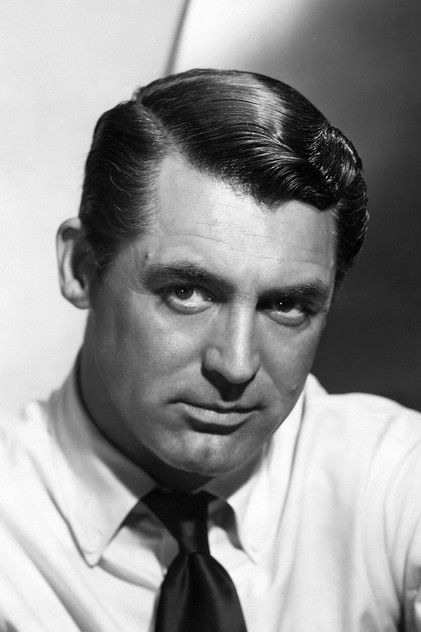
Cary Grant as Geoff Carter
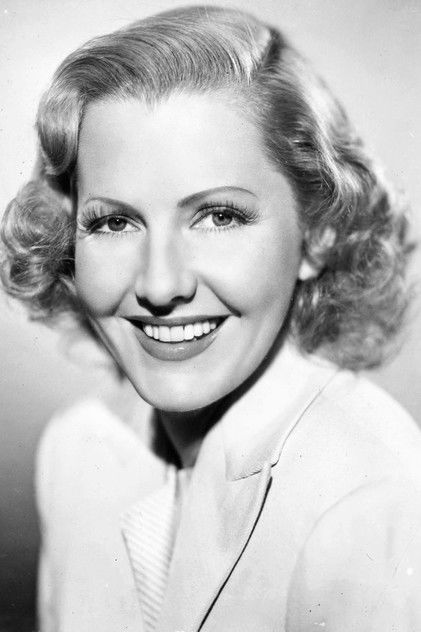
Jean Arthur as Bonnie Lee
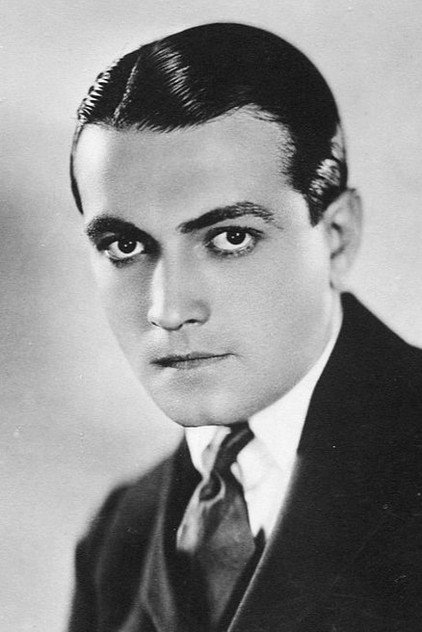
Richard Barthelmess as Bat MacPherson
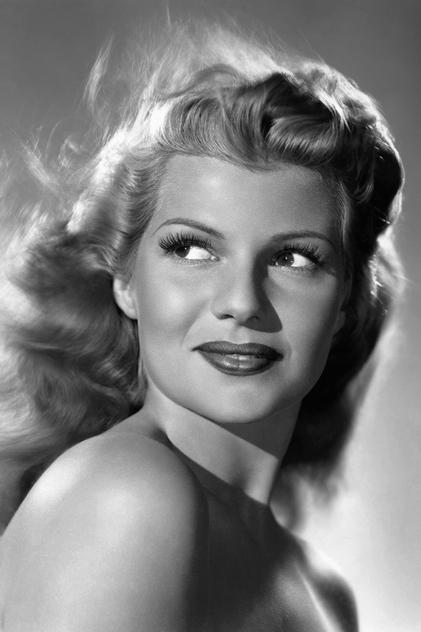
Rita Hayworth as Judy
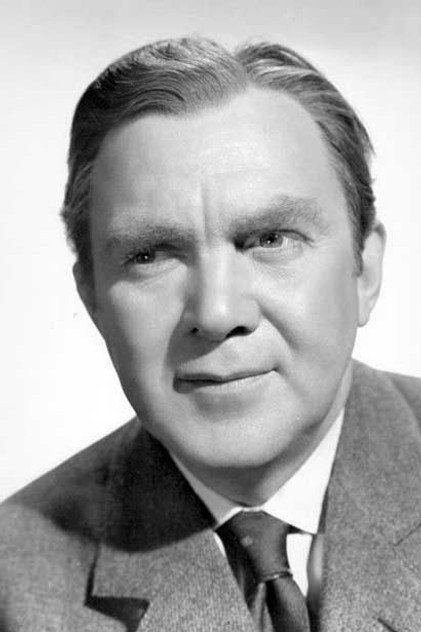
Thomas Mitchell as Kid Dabb
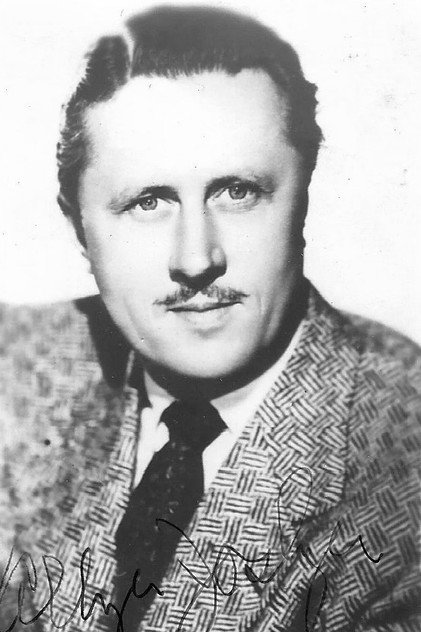
Allyn Joslyn as Les Peters
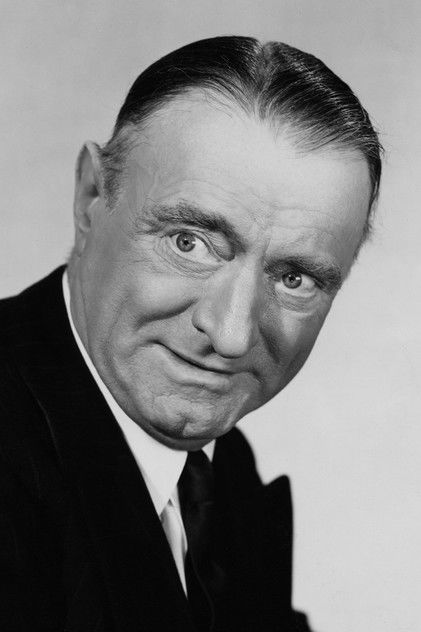
Sig Ruman as Dutchy
Full billed cast of Only Angels Have Wings (1939).
Players in billing order, with the characters they play.
- Cary Grantas Geoff Carter
- Jean Arthuras Bonnie Lee
- Richard Barthelmessas Bat MacPherson
- Rita Hayworthas Judy
- Thomas Mitchellas Kid Dabb
- Allyn Joslynas Les Peters
- Sig Rumanas Dutchy
- Victor Kilianas Sparks
- John Carrollas Gent Shelton
- Don 'Red' Barryas Tex
- Noah Beery Jr.as Joe Souther
- Manuel Álvarez Macisteas Singer
- Milisa Sierraas Lily
- Lucio Villegasas Doctor
- Pat Flahertyas Mike
- Pedro Regasas Pancho
- Pat Westas Baldy
- Stanley Brownas Harkwright Jr. (uncredited)
- Cecilia Callejoas Felice Torras (uncredited)
- Candy Candidoas Bass Player (uncredited)
- Vernon Dentas Ship's Captain (uncredited)
- Forbes Murrayas Mr. Harkwright (uncredited)
- Robert Sterlingas (uncredited)
- Rafael Alcaydeas Rafael (uncredited)
- Enrique Acostaas Tourist (uncredited)
- Dick Botilleras Tourist (uncredited)
- Curley Dresdenas Mechanic (uncredited)
- James Millicanas Mechanic (uncredited)
- Wilson Bengeas Assistant Purser (uncredited)
- Lew Davisas Shorty (uncredited)
- Eddie Fosteras Mechanic (uncredited)
- Ed Randolphas Mechanic (uncredited)
- Al Rheinas Mechanic (uncredited)
- Ky Robinsonas Mechanic (uncredited)
- Harry A. Baileyas Tourist (uncredited)
- Raúl Lechugaas Tourist (uncredited)
- Tessie Murrayas Tourist (uncredited)
- Aurora Navarroas Tourist (uncredited)
- Elena Duránas Elena Silva (uncredited)
- Budd Fineas First Mate (uncredited)
Crew.
- Art DirectionLionel Banks
- Costume DesignRobert Kalloch
- DirectorHoward Hawks
- Director of PhotographyJoseph Walker
- EditorViola Lawrence
- Original Music ComposerDimitri Tiomkin
- ProducerHoward Hawks
- ScreenplayJules Furthman
Quotations from Only Angels Have Wings
The Quotebook →“Sure it was your fault. You were gonna have dinner with him, the Dutchman hired him, I sent him up on schedule, the fog came in, a tree got in the way. All your fault. Forget it.”
Cary Grant as Geoff Carter · 1939VerifiedSpoken as Geoff Carter in Only Angels Have Wings (1939).
“In about a week, you’ll either collect or lose your shirt.”
Cary Grant as Geoff Carter · 1939VerifiedSpoken as Geoff Carter in Only Angels Have Wings (1939).
A quiet dispatch,
once a month.
One considered essay in your inbox each month. No promotions, no algorithms, no forwarding. Unsubscribe with a single click.
Other studies.
Cary Grant and Deborah Kerr headline an elegant romantic comedy exploring whether the perfect partner exists—or whether perfection itself is an illusion.
A thoughtful wartime satire blending romance, comedy, and commentary on celebrity culture.
Cary Grant and Audrey Hepburn create one of cinema's most elegant romantic mysteries—a thrilling game of deception, danger, and unexpected love.