← Explore
Actress · 1898–1990
Irene Dunne
Irene Dunne was born Irene Marie Dunn in 1898 in Louisville, Kentucky, and trained as a coloratura soprano before failing an audition for the Metropolitan Opera, a rejection that redirected her toward Broadway and then Hollywood. She arrived in film in the early 1930s already an accomplished singer, which shaped her early run of maternal melodramas and operettas, including Cimarron (1931), for which she received an Academy Award nomination.
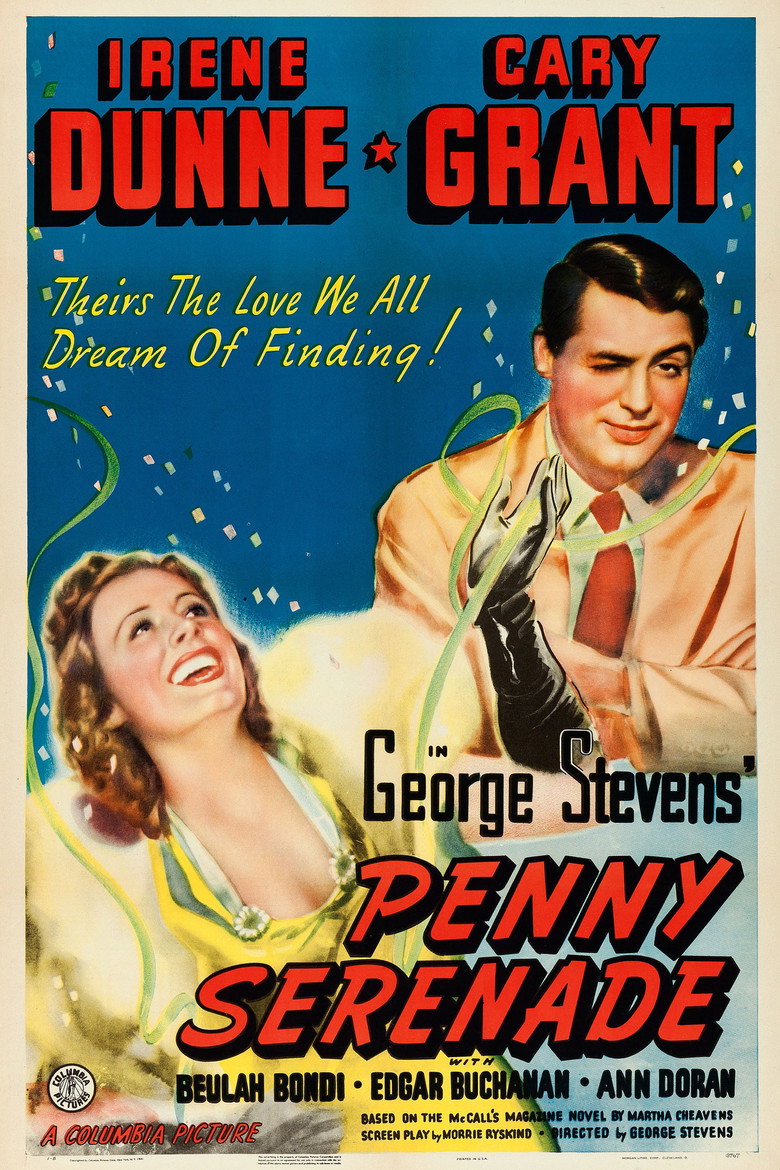
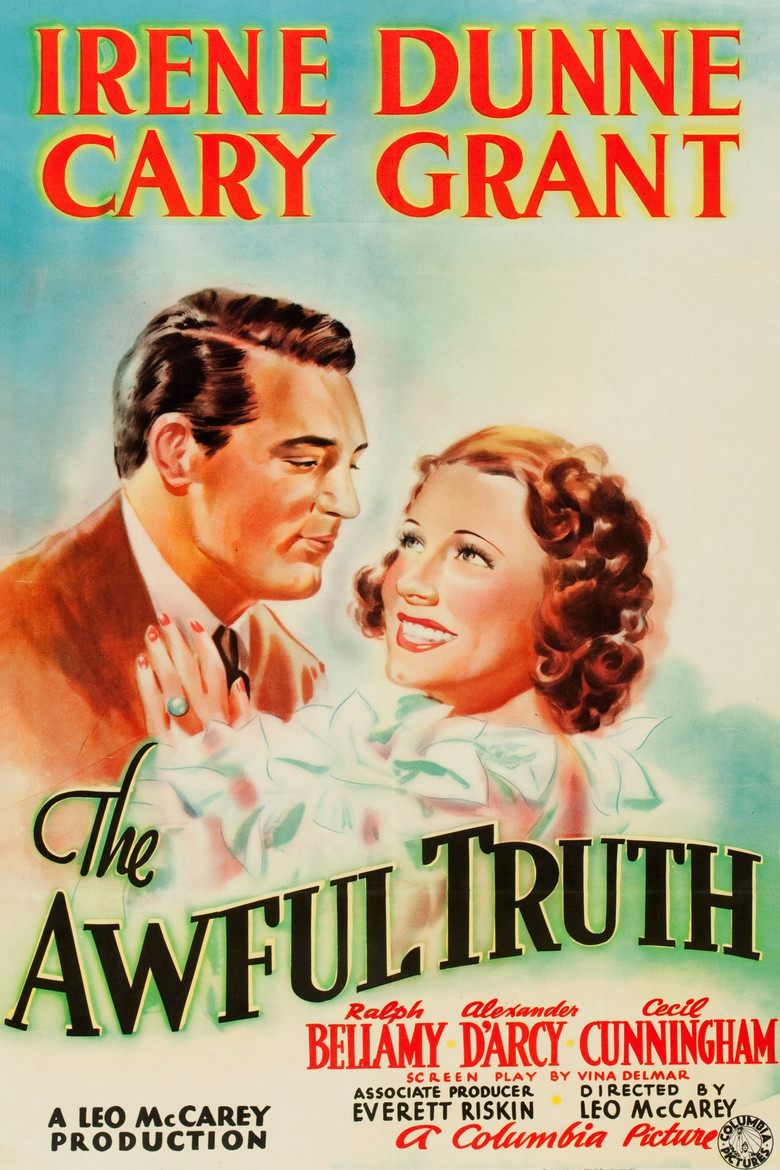
Dunne's gift, rarer than it sounds, was moving convincingly between registers: she could anchor a tearjerker like Penny Serenade (1941) and, in the same period, hold her own in the fastest screwball dialogue Hollywood produced. Leo McCarey's The Awful Truth (1937) proved decisive, pairing her improvisational precision with Cary Grant's and earning her one of her five Best Actress nominations; she never won a competitive Oscar despite the nominations, a fact often noted as one of the Academy's stranger oversights.
She continued through the 1940s in prestige pictures such as I Remember Mama (1948), then retired from acting in 1952 while still a bankable star, turning to Republican Party activism and a UN delegate appointment under Eisenhower. She died in 1990 in Los Angeles.
Dunne's reputation endures less through a signature role than through consistency: she rarely gave a careless performance, and film historians regularly cite her as the most technically accomplished comedienne of the era who never received the top prize her peers took for granted.
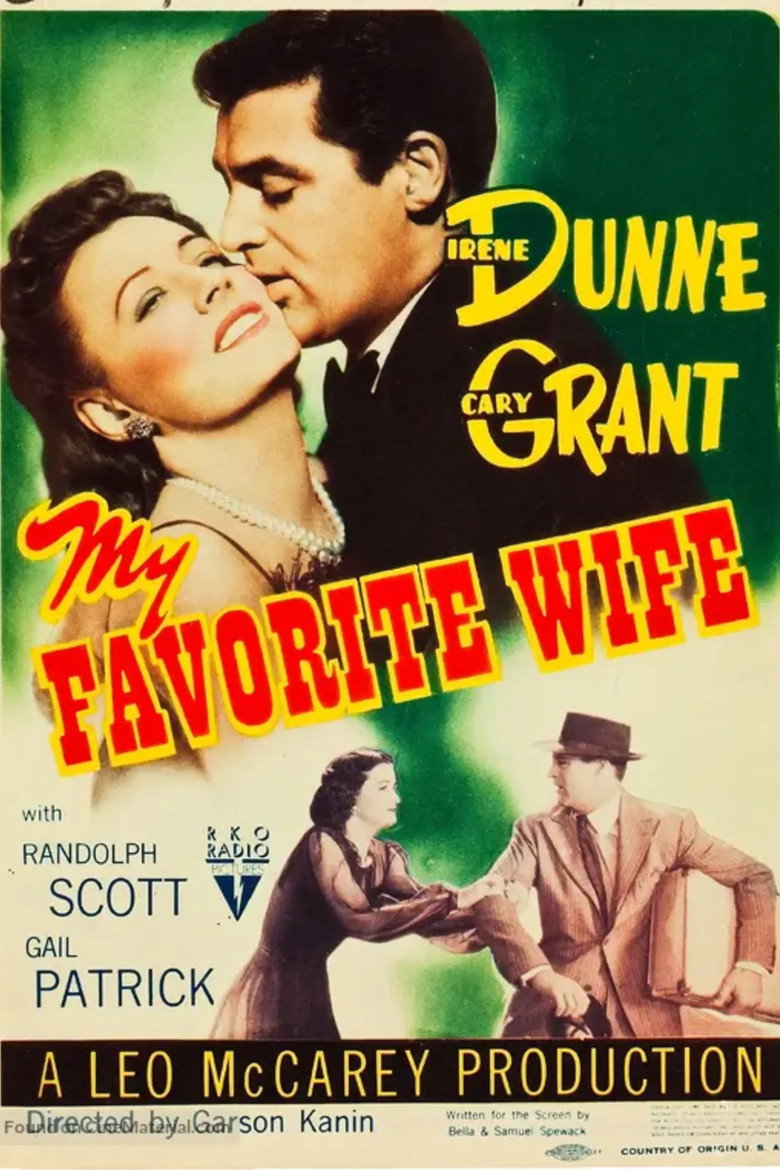
Featured Films Together
In His Own Words
“I loved working with Cary — every minute of it. Between takes he was so amusing with his cockney stories. I was his best audience. I laughed and laughed and laughed. The more I laughed, the more he went on.”