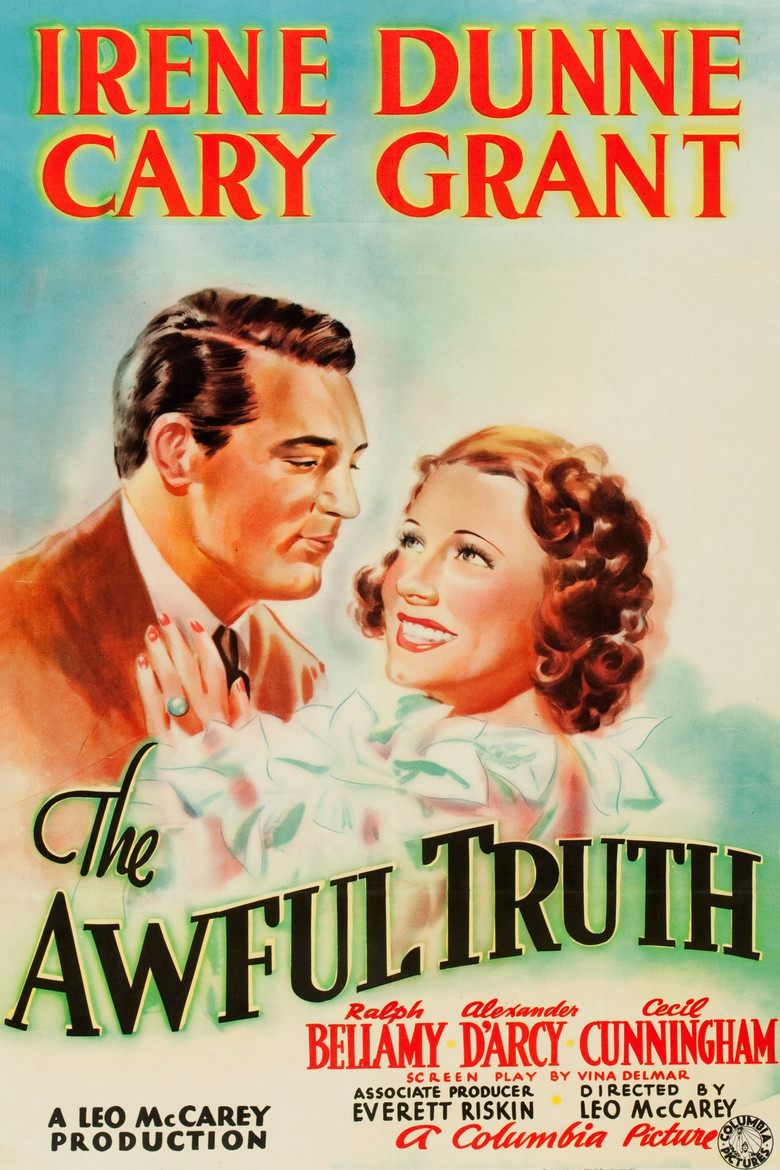
The Awful Truth
Leo McCarey • 1937
Editorial ratings
- Cary Grant
- Story
- Direction
- Cinematography
- Entertainment
- Historical importance
Unfounded suspicions lead a married couple to begin divorce proceedings, whereupon they start undermining each other's attempts to find new romance.
Cary Grant plays Jerry Warriner, under the direction of Leo McCarey, released in 1937.
Featured quote
“Stop acting and simply be yourself.”
Leo McCarey to Cary Grant
Introduction
A landmark romantic comedy that established Cary Grant's defining screen identity through Leo McCarey's relaxed, actor-focused direction.
The Story
Two divorced spouses repeatedly sabotage each other's new relationships before realizing they remain deeply in love.
Production & Behind the Scenes
McCarey's improvisational methods encouraged Grant to trust his natural instincts, fundamentally changing his career.
Cary Grant's Performance
Grant blends charm, vulnerability, sophistication, and comic timing into the first fully realized version of his legendary persona.
Leo McCarey's Direction & Themes
Themes of pride, forgiveness, marriage, and emotional honesty are explored with warmth and spontaneity.
Historical Context
Released during the golden age of screwball comedy, the film became a milestone for Columbia Pictures and Grant's career.
Legacy & Influence
Its structure and emotional intelligence continue to shape modern romantic comedies.
Gallery
Production & release
Early 1937
Production begins
Filming commences at Columbia Pictures.
Summer 1937
Improvisational rehearsals
McCarey works loosely with the cast.
October 21, 1937
Release
The Awful Truth opens in theaters.
March 1938
Best Director Oscar
Leo McCarey wins the Academy Award.
1940s–1960s
Reputation grows
Recognized as a screwball landmark.
Today
Romantic comedy masterpiece
Considered the film where Grant became Grant.
Cast.
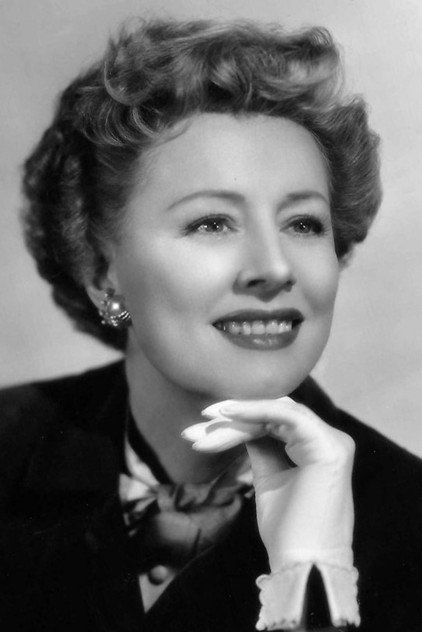
Irene Dunne as Lucy Warriner
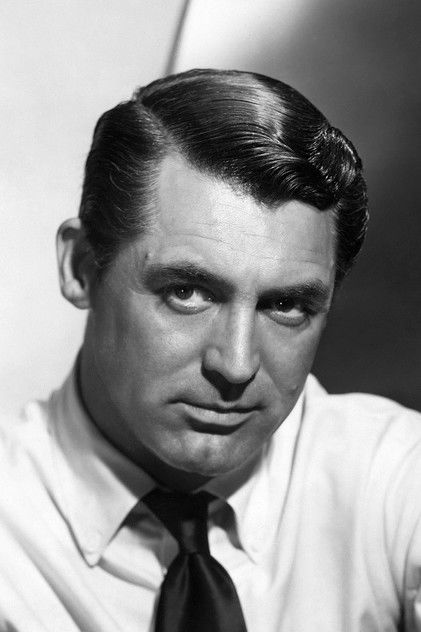
Cary Grant as Jerry Warriner
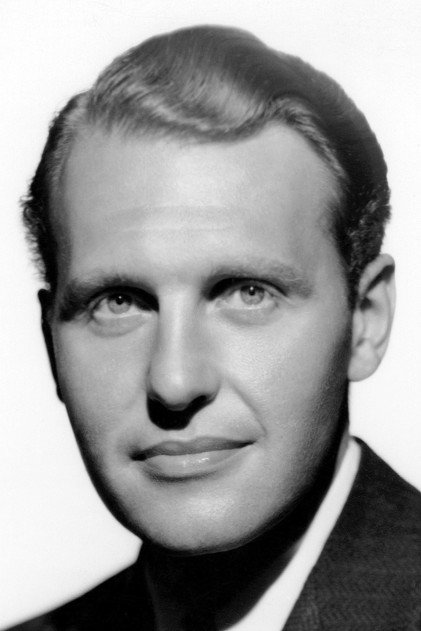
Ralph Bellamy as Dan Leeson
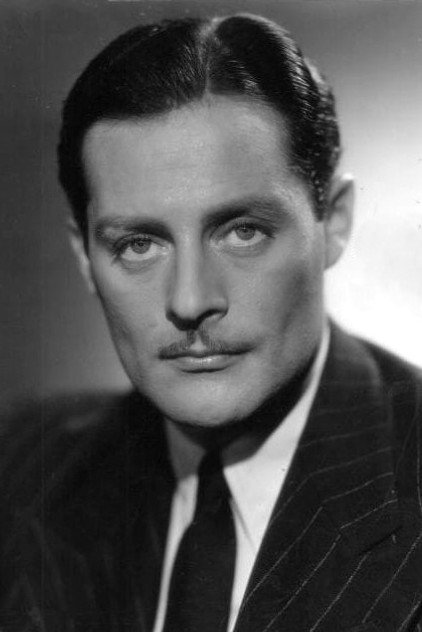
Alexander D'Arcy as Armand Duvalle
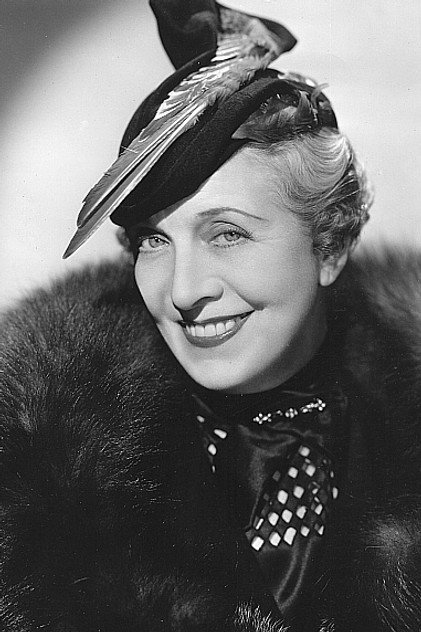
Cecil Cunningham as Aunt Patsy
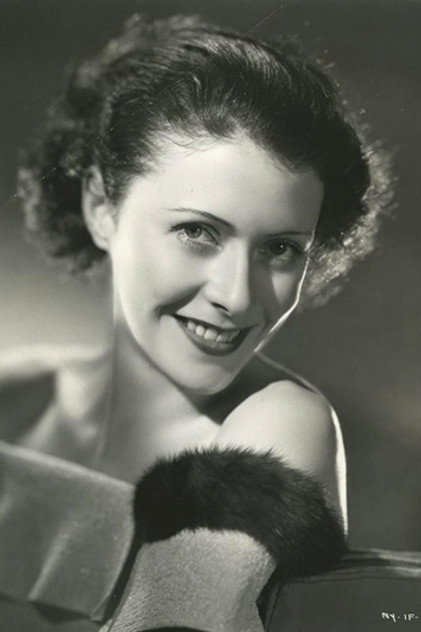
Molly Lamont as Barbara Vance
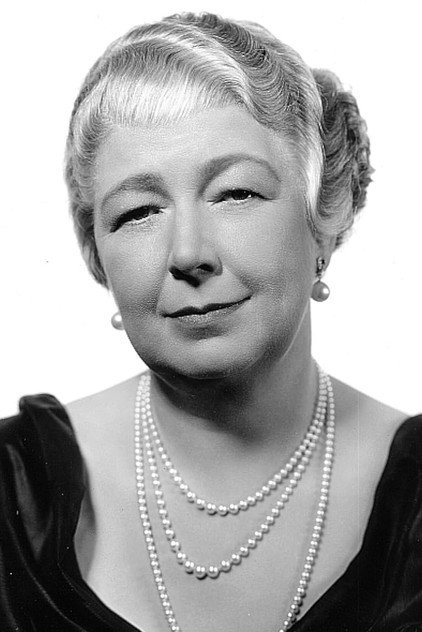
Esther Dale as Mrs. Leeson
Full billed cast of The Awful Truth (1937).
Players in billing order, with the characters they play.
- Irene Dunneas Lucy Warriner
- Cary Grantas Jerry Warriner
- Ralph Bellamyas Dan Leeson
- Alexander D'Arcyas Armand Duvalle
- Cecil Cunninghamas Aunt Patsy
- Molly Lamontas Barbara Vance
- Esther Daleas Mrs. Leeson
- Joyce Comptonas Dixie Belle Lee
- Robert Allenas Frank Randall
- Robert Warwickas Mr. Vance
- Mary Forbesas Mrs. Vance
- Claud Allisteras Lord Fabian (uncredited)
- Al Bridgeas Motor Cop (uncredited)
- Edgar Dearingas Motor Cop (uncredited)
- Wyn Cahoonas Mrs. Barnsley (uncredited)
- Sarah Edwardsas Lucy's Attorney's Wife (uncredited)
- Bess Flowersas Viola Heath (uncredited)
- Mitchell Harrisas Jerry's Attorney (uncredited)
- Dell Hendersonas Vance's Butler (uncredited)
- Scott Kolkas Mr. Barnsley (uncredited)
- Bert Moorhouseas Nightclub Patron (uncredited)
- Miki Moritaas Armand's Servant (uncredited)
- Edmund Mortimeras Lucy's Attorney (uncredited)
- Zita Moultonas Lady Fabian (uncredited)
- George C. Pearceas 'Dad' (uncredited)
- Edward Peil Sr.as Bailiff (uncredited)
- Paul Stantonas Judge (uncredited)
- John Tyrrellas Hank (uncredited)
- Frank C. Wilsonas Master of Ceremonies (uncredited)
- Ruth Cherringtonas (uncredited)
- Dora Clementas (uncredited)
- Arthur Stuart Hullas (uncredited)
- Frank McLureas (uncredited)
- Frances Raymondas (uncredited)
- Bruce Sidneyas (uncredited)
- Lee Willardas (uncredited)
- Skippyas Mr. Smith (uncredited)
Crew.
- Art DirectionStephen Goosson
- Art DirectionLionel Banks
- Costume DesignRobert Kalloch
- DirectorLeo McCarey
- Director of PhotographyJoseph Walker
- EditorAl Clark
- Original Music ComposerBen Oakland
- ProducerLeo McCarey
- ScreenplayViña Delmar
Players in common.
Quotations from The Awful Truth
The Quotebook →“I loved working with Cary — every minute of it. Between takes he was so amusing with his cockney stories. I was his best audience. I laughed and laughed and laughed. The more I laughed, the more he went on.”
Irene DunneAttributedAttributed recollection of working with Grant; the original interview and date have not been established.
“I’m going out to get some popcorn and pink lemonade. I’ve just seen a three-ring circus.”
Cary Grant as Jerry Warriner · 1937VerifiedSpoken as Jerry Warriner in The Awful Truth (1937).
“I wish Lucy would go out and get some fun for herself now and again. It would do her good. That’s the trouble with most marriages today. People are always imagining things. The road to Reno is paved with suspicions.”
Cary Grant as Jerry Warriner · 1937VerifiedSpoken as Jerry Warriner in The Awful Truth (1937).
A quiet dispatch,
once a month.
One considered essay in your inbox each month. No promotions, no algorithms, no forwarding. Unsubscribe with a single click.
Other studies.
Cary Grant and Deborah Kerr headline an elegant romantic comedy exploring whether the perfect partner exists—or whether perfection itself is an illusion.
A thoughtful wartime satire blending romance, comedy, and commentary on celebrity culture.
Cary Grant and Audrey Hepburn create one of cinema's most elegant romantic mysteries—a thrilling game of deception, danger, and unexpected love.