Blonde Venus
A wealthy playboy becomes entangled with a cabaret singer caught between a devoted husband and a life of hardship.
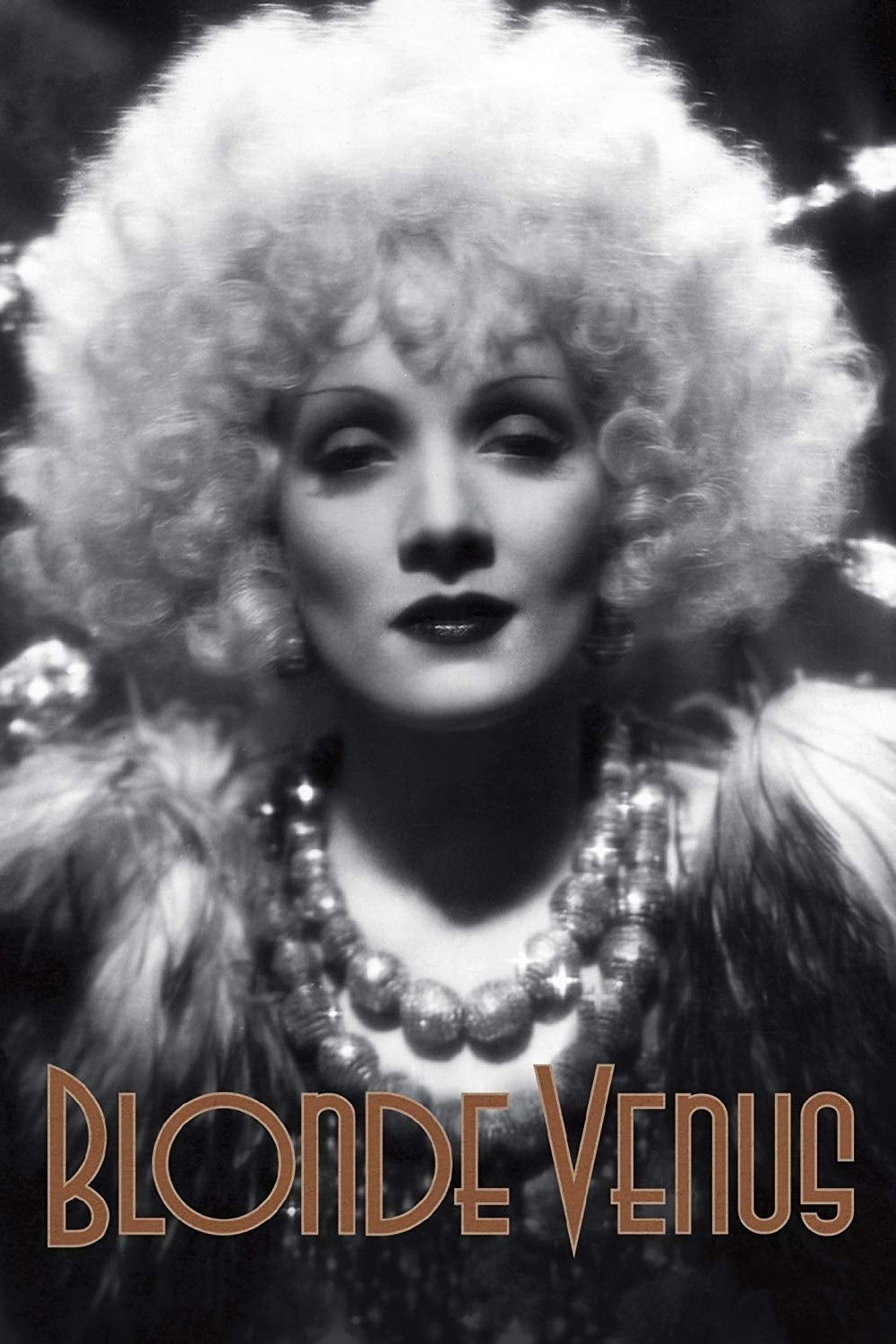
In an effort to be able to afford expensive treatment for her gravely ill American husband, a retired German entertainer returns to the cabaret as Blonde Venus and catches the eye of a wealthy politician.
Cary Grant plays Nick Townsend, under the direction of Josef von Sternberg, released in 1932.
The Story
Blonde Venus casts Cary Grant, only a few pictures into his American career, as Nick Townsend, a wealthy playboy who becomes entangled with Helen Faraday (Marlene Dietrich), a former cabaret singer who returns to the nightclub stage to pay for her chemist husband's costly medical treatment. When the husband recovers and learns of her liaison with Townsend, Helen flees with their young son, sinking into poverty and eventually resuming her career as a Paris chanteuse before an ambiguous, melodramatic reconciliation.
Grant's Townsend is a supporting figure in a story built entirely around Dietrich's star persona, but the role gave him his first extended exposure opposite one of Paramount's biggest names, in a production personally shaped by director Josef von Sternberg.
Production Context
Released in September 1932, Blonde Venus was directed by Josef von Sternberg for Paramount Pictures, reuniting him with Dietrich after their earlier collaborations Morocco and Shanghai Express. The production was famously contentious: Sternberg and Paramount clashed over the story and the studio briefly assigned another director before Dietrich insisted Sternberg return. The finished film bears his signature visual extravagance, including the celebrated nightclub number in which Dietrich emerges from a gorilla suit.
For Grant, still establishing himself after his 1932 debut in This Is the Night, the picture was a significant early showcase, placing him alongside an established international star in a prestige Paramount production, even as the role itself remained conventionally drawn.
Why It Mattered Then
In 1932, Blonde Venus mattered chiefly as a Dietrich vehicle and a Sternberg exercise in stylized melodrama, part of the cycle of "fallen woman" pictures that Paramount used to capitalize on Dietrich's exotic screen image during the pre-Code era. For Grant, appearing opposite Dietrich lent him valuable visibility and glamour by association at a moment when the studio was still deciding what kind of leading man he would become.
Why It Matters Today
Modern audiences and historians return to Blonde Venus primarily for Sternberg's visual daring and Dietrich's performance, but it also holds a specific interest for students of Grant's career: it captures him in transition, still developing the poise and comic timing that would define his later stardom, cast instead as a conventional romantic rival in someone else's story. Seen alongside his pre-Code work of the same period, it illustrates how far Grant's screen persona still had to travel before Hollywood recognized what to do with him.
Gallery
Full billed cast of Blonde Venus (1932).
Players in billing order, with the characters they play.
- Marlene Dietrichas Helen Faraday, aka Helen Jones
- Herbert Marshallas Edward 'Ned' Faraday
- Cary Grantas Nick Townsend
- Dickie Mooreas Johnny Faraday
- Gene Morganas Ben Smith
- Rita La Royas 'Taxi Belle' Hooper
- Robert Emmett O'Connoras Dan O'Connor
- Sidney Toleras Detective Wilson
- Morgan Wallaceas Dr. Pierce
- Al Bridgeas Bouncer (uncredited)
- Marcelle Cordayas Helen's Maid in France (uncredited)
- Cecil Cunninghamas Cabaret Manager in Norfolk (uncredited)
- Sterling Hollowayas Joe, Hiker (uncredited)
- Hattie McDanielas Cora, Helen's Maid in New Orleans (uncredited)
- Dennis O'Keefeas (uncredited)
- Dewey Robinsonas Restaurant Owner (uncredited)
- Bess Flowersas (uncredited)
- Francis Saylesas Charlie Blaine (uncredited)
- Glen Cavenderas Ship's Officer (uncredited)
- Émile Chautardas Chautard, Cabaret Manager in France (uncredited)
- Clifford Dempseyas Judge in New Orleans (uncredited)
- Charles Gemoraas Helen Faraday in Gorilla Suit (uncredited)
- Robert Gravesas (uncredited)
- Elsa Janssenas Gossiping Tenant (uncredited)
- Bessie Lyleas Viola, Hotel Maid in Norfolk (uncredited)
- Charles Mortonas Bob, Hiker (uncredited)
- Evelyn Preeras (uncredited)
- Gertrude Shortas Sally, Receptionist at Talent Agency (uncredited)
- Pat Somersetas Henry Johnson (uncredited)
- Larry Steersas Hotel Manager in Baltimore (uncredited)
- Kent Tayloras Hiker (uncredited)
- Jerry Tuckeras (uncredited)
- Lloyd Whitlockas (uncredited)
- James Kilgannonas Landlord (uncredited)
- Mary Gordonas Landlady (uncredited)
- Harold Berquistas Angry Man in Nightclub (uncredited)
- Mildred Washingtonas Dancer (uncredited)
- Oscar Smithas Charlie, the Bartender (uncredited)
Crew.
- Art DirectionWiard B. Ihnen
- Costume DesignTravis Banton
- Costume DesignCharles Gemora
- DirectorJosef von Sternberg
- Director of PhotographyBert Glennon
- EditorJosef von Sternberg
- Original Music ComposerJohn Leipold
- Original Music ComposerOscar Potoker
- Original Music ComposerPaul Marquardt
- Original Music ComposerW. Franke Harling
- ProducerJosef von Sternberg
- WriterS.K. Lauren
- WriterJules Furthman
- WriterJosef von Sternberg
Players in common.
A quiet dispatch,
once a month.
One considered essay in your inbox each month. No promotions, no algorithms, no forwarding. Unsubscribe with a single click.
Other studies.
Cary Grant and Deborah Kerr headline an elegant romantic comedy exploring whether the perfect partner exists—or whether perfection itself is an illusion.
A thoughtful wartime satire blending romance, comedy, and commentary on celebrity culture.
Cary Grant and Audrey Hepburn create one of cinema's most elegant romantic mysteries—a thrilling game of deception, danger, and unexpected love.