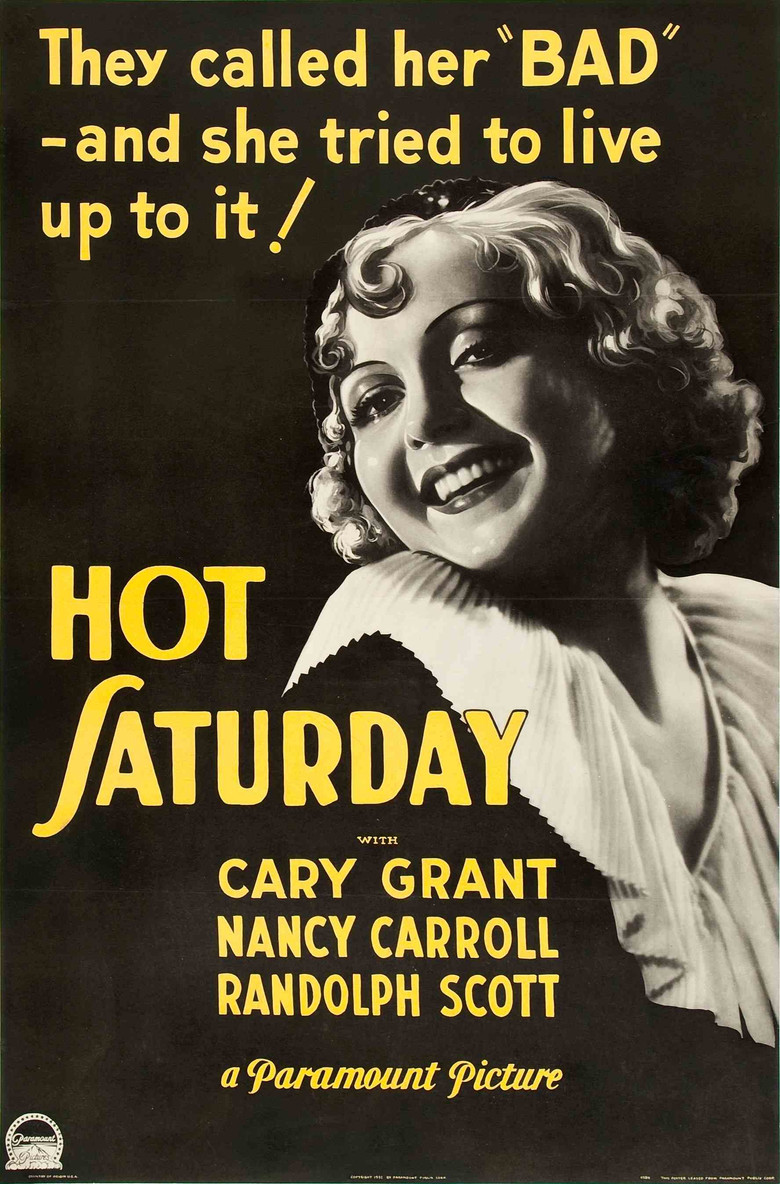
Hot Saturday
One of the earliest glimpses of the sophisticated Cary Grant the world would soon come to adore.
Editorial ratings
- Cary Grant
- Story
- Direction
- Cinematography
- Entertainment
- Historical importance
A pretty but virtuous small-town bank clerk is the victim of a vicious rumor from an unsuccessful suitor that she spent the night with a notorious womanizer.
Cary Grant plays Romer Sheffield, under the direction of William A. Seiter, released in 1932.
Introduction
An important Pre-Code drama showing Cary Grant's rapid development during his first Hollywood year.
The Story
Ruth Brock's reputation is destroyed by rumor while Romer Sheffield offers quiet compassion.
Production & Behind the Scenes
Directed by William A. Seiter with Nancy Carroll and Cary Grant for Paramount.
Cary Grant's Performance
Grant reveals the emerging sophistication and generosity that would define his career.
William A. Seiter's Direction & Themes
Themes of reputation, hypocrisy, class, compassion, and public judgment.
Historical Context
A notable Pre-Code production reflecting early 1930s Hollywood freedom.
Legacy & Influence
Now valued as one of the clearest bridges between Grant's early work and later stardom.
Gallery
Production & release
Early 1932
Development
Paramount develops the novel for the screen.
Mid-1932
Production
Principal photography.
October 8, 1932
Release
Film released.
1933
Breakthrough
Cary Grant's breakthrough follows with She Done Him Wrong.
Cast.
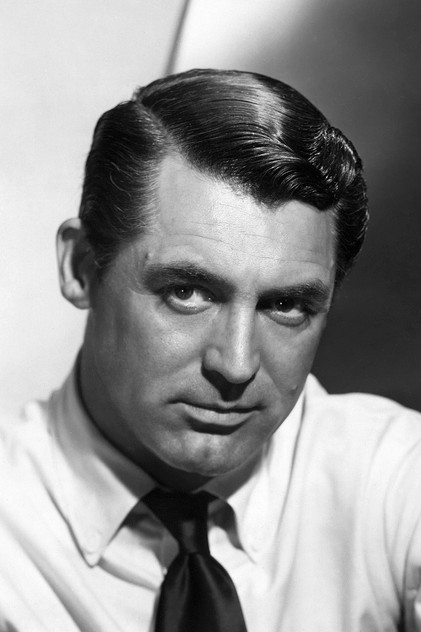
Cary Grant as Romer Sheffield
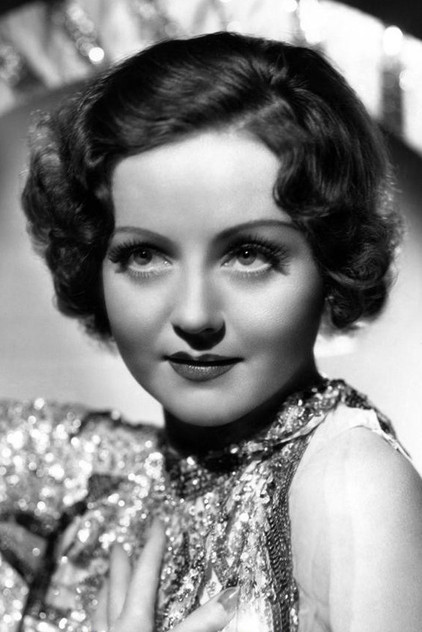
Nancy Carroll as Ruth Brock
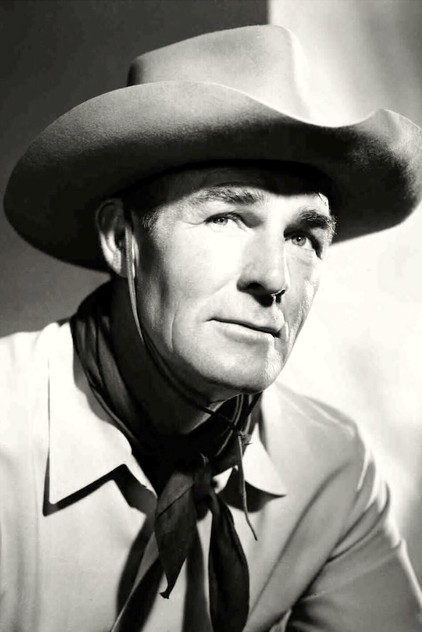
Randolph Scott as Bill Fadden
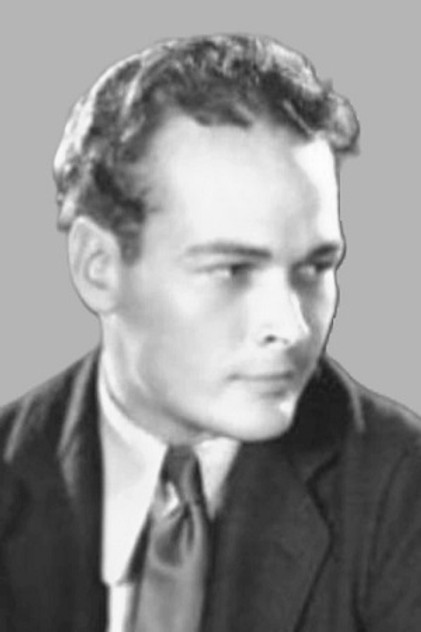
Edward Woods as Conny Billop
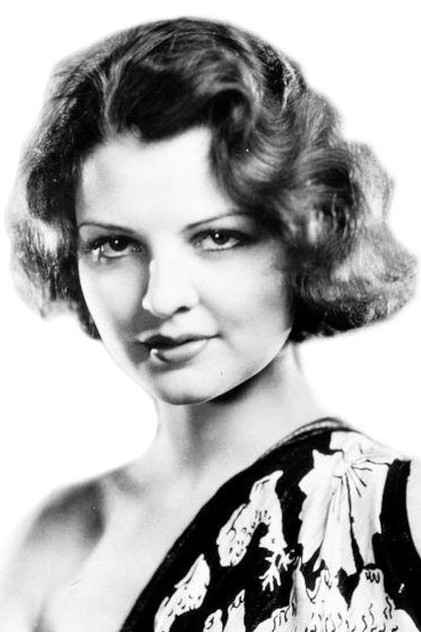
Lilian Bond as Eva Randolph
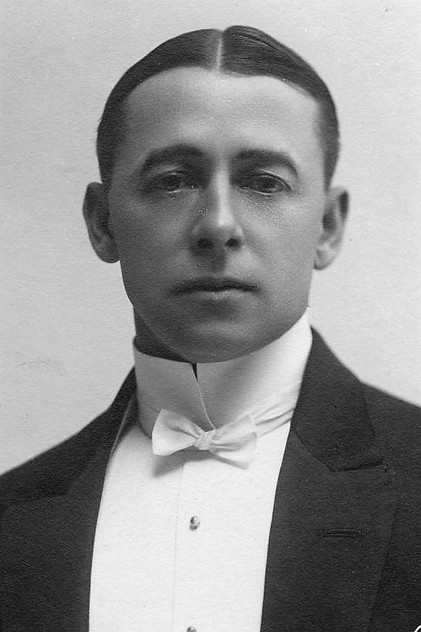
William Collier Sr. as Mr. Brock
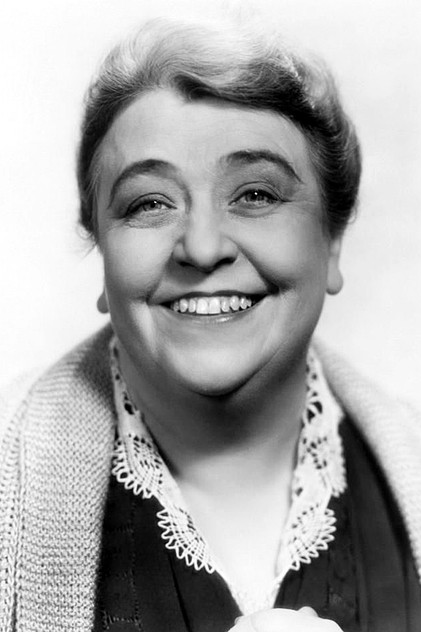
Jane Darwell as Mrs. Brock
Full billed cast of Hot Saturday (1932).
Players in billing order, with the characters they play.
- Cary Grantas Romer Sheffield
- Nancy Carrollas Ruth Brock
- Randolph Scottas Bill Fadden
- Edward Woodsas Conny Billop
- Lilian Bondas Eva Randolph
- William Collier Sr.as Mr. Brock
- Jane Darwellas Mrs. Brock
- Stanley Smithas Joe
- Rita La Royas Camille
- Rose Coghlanas Annie Brock
- Oscar Apfelas Mr. Randolph
- Jessie Arnoldas Aunt Minnie
- Grady Suttonas Archie
- Mark Strongas Bank Teller (uncredited)
- Nora Cecilas Gossip on Telephone (Uncredited)
- Billy Engleas Third Bank Teller (Uncredited)
- Kenner G. Kempas Party Guest (Uncredited)
- Dave O'Brienas Party Guest (Uncredited)
- Henry Roquemoreas Second Bank Teller (Uncredited)
- Frederick Sullivanas Bank Customer (Uncredited)
- Marjorie Mainas Gossip in Window (uncredited)
Crew.
- DirectorWilliam A. Seiter
- Director of PhotographyArthur L. Todd
- Original Music ComposerJohn Leipold
- ScreenplaySeton I. Miller
A quiet dispatch,
once a month.
One considered essay in your inbox each month. No promotions, no algorithms, no forwarding. Unsubscribe with a single click.
Other studies.
Cary Grant and Deborah Kerr headline an elegant romantic comedy exploring whether the perfect partner exists—or whether perfection itself is an illusion.
A thoughtful wartime satire blending romance, comedy, and commentary on celebrity culture.
Cary Grant and Audrey Hepburn create one of cinema's most elegant romantic mysteries—a thrilling game of deception, danger, and unexpected love.