Woman Accused
A suspenseful Pre-Code mystery where Cary Grant edges closer to stardom.
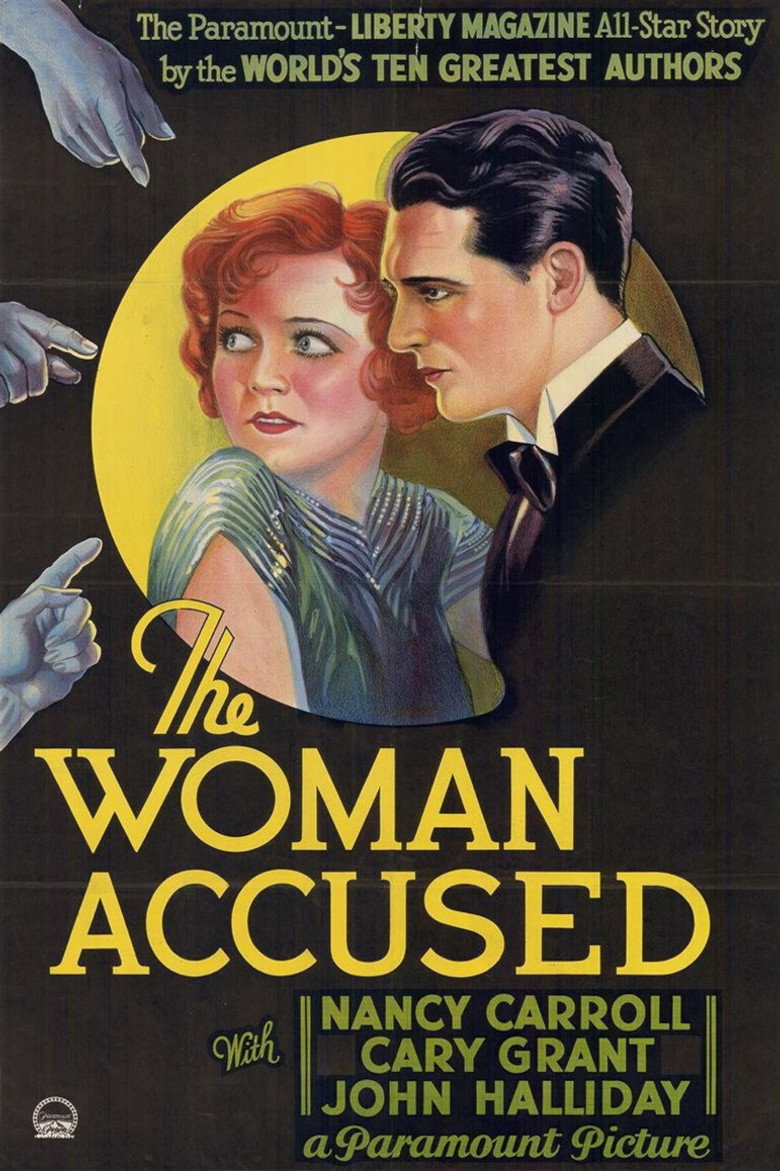
Editorial ratings
- Cary Grant
- Story
- Direction
- Cinematography
- Entertainment
- Historical importance
Jeffrey and Glenda are two lovers about to embark on a three-day cruise to nowhere. Their plan is to be married on board by the ship's captain. As Glenda is packing to leave, she receives a threatening phone call from her obsessed, former lover Leo. Glenda confronts Leo and tells him that it's over. Leo, a high-powered attorney calls a hit man to have Jeffrey eliminated. Glenda knocks Leo over the head before he can give the hit man a name. Leo is dead. Glenda sneaks back into her apartment, goes off on the cruise with Jeffrey and pretends that all is swell. Leo's partner, Stephen Bessemer, suspects Glenda and follows her to the ship. Bessemer stages a mock trial aboard the ship and cleverly draws a confession from Glenda. Jeffrey, also an attorney, represents Glenda when she is arrested upon arriving on shore. A skeptical district attorney, and the fact that Jeffrey horsewhips the star witness (the hit man), combine to get Glenda completely off the hook.
Cary Grant plays Jeffrey Baxter, under the direction of Paul Sloane, released in 1933.
Featured quote
“An essential transitional film documenting Grant's emergence as a leading man.”
Introduction
A stylish Paramount mystery blending romance, suspense, and psychological drama.
The Story
Jeff Baxter helps Glenda O'Brien clear her name while uncovering the truth behind a murder accusation.
Production & Behind the Scenes
Adapted from Edgar Wallace and photographed by Karl Struss with elegant Paramount production values.
Cary Grant's Performance
Grant displays effortless confidence, sincerity, and romantic authority.
Paul Sloane's Direction & Themes
Trust, justice, moral courage, and appearances versus reality shape the suspense.
Historical Context
Produced during the final full year of Hollywood's Pre-Code era, just before Grant's breakthrough.
Legacy & Influence
Today appreciated as one of Grant's key transitional performances.
Gallery
Production & release
Late 1932
Production begins at Paramount.
January 27, 1933
Woman Accused released theatrically.
February 1933
She Done Him Wrong premieres, launching Grant's stardom.
Mid-1934
Production Code enforcement begins, ending the Pre-Code era.
Today
Recognized as a key transitional Cary Grant film.
Cast.
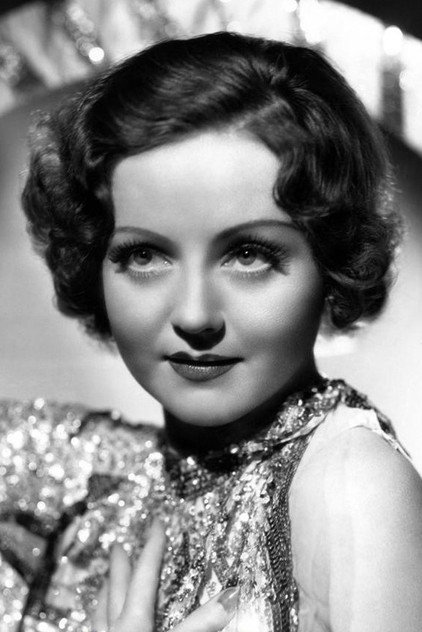
Nancy Carroll as Glenda O'Brien
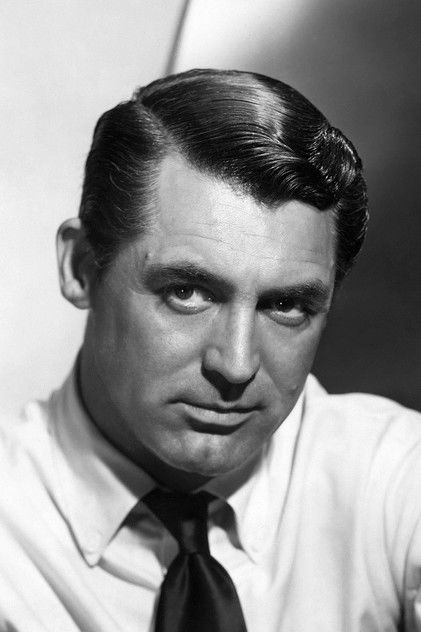
Cary Grant as Jeffrey Baxter
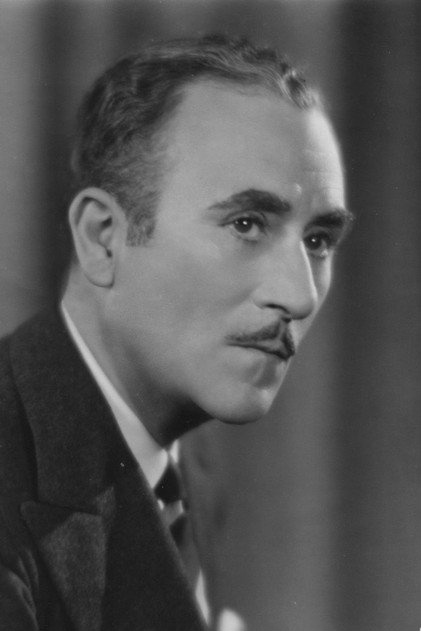
John Halliday as Stephen Bessemer
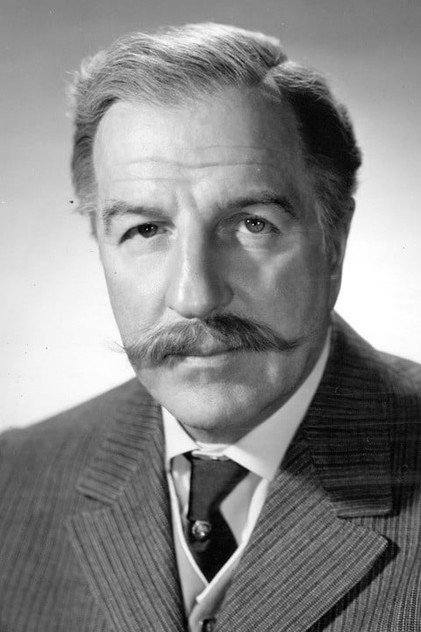
Louis Calhern as Leo Young
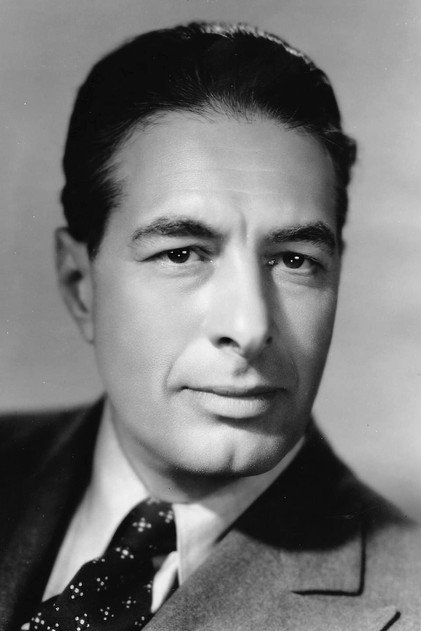
Irving Pichel as District Attorney Clark
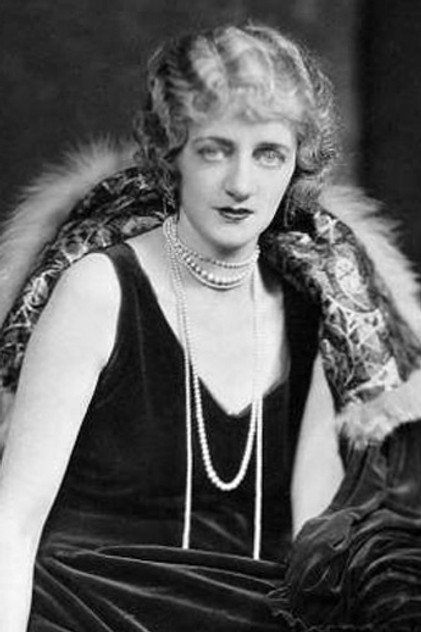
Norma Mitchell as Martha
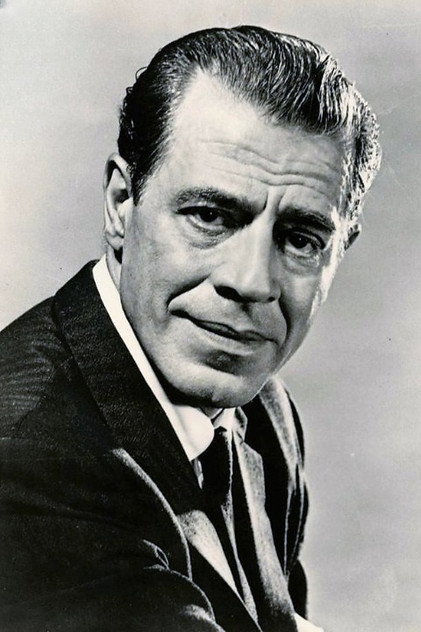
Jack La Rue as Little Maxie
Full billed cast of Woman Accused (1933).
Players in billing order, with the characters they play.
- Nancy Carrollas Glenda O'Brien
- Cary Grantas Jeffrey Baxter
- John Hallidayas Stephen Bessemer
- Louis Calhernas Leo Young
- Irving Pichelas District Attorney Clark
- Norma Mitchellas Martha
- Jack La Rueas Little Maxie
- Frank Sheridanas Police Inspector
- John Lodgeas Dr. Simpson
- Lona Andreas Cora Matthews
- Harry Holmanas Judge Osgood
- Dennis Beaufortas Boy (uncredited)
- Jay Belascoas Tony Graham (uncredited)
- Buster Brodieas Bald Man on Mock Jury (uncredited)
- William J. Kellyas Steamship Captain (uncredited)
- Gregory Golubeffas Bandleader (uncredited)
- Jenny Grayas Water Sprite (uncredited)
- Amo Ingrahamas Girl (uncredited)
- Dolly Jarvisas Water Sprite (uncredited)
- Hélène Lambertas Water Sprite (uncredited)
- Gertrude Messingeras Evelyn Craig (uncredited)
- Dennis O'Keefeas Party Extra (uncredited)
- Gaylord Pendletonas Boy (uncredited)
- Steve Pendletonas Tony (uncredited)
- Robert Quirkas Cheerleader (uncredited)
- Phillips Smalleyas Haskins (uncredited)
- Larry Steersas Ship’s Passenger (uncredited)
- Donald Stuartas Steward (uncredited)
- Gwen Zetteras Water Sprite (uncredited)
Crew.
- Costume DesignTravis Banton
- DirectorPaul Sloane
- Director of PhotographyKarl Struss
- ScreenplayBayard Veiller
- StoryPolan Banks
- StoryRupert Hughes
- StorySophie Kerr
- StoryUrsula Parrott
- StoryVicki Baum
- StoryViña Delmar
- StoryZane Grey
- StoryGertrude Atherton
- StoryIrvin S. Cobb
- StoryJ.P. McEvoy
A quiet dispatch,
once a month.
One considered essay in your inbox each month. No promotions, no algorithms, no forwarding. Unsubscribe with a single click.
Other studies.
Cary Grant and Deborah Kerr headline an elegant romantic comedy exploring whether the perfect partner exists—or whether perfection itself is an illusion.
A thoughtful wartime satire blending romance, comedy, and commentary on celebrity culture.
Cary Grant and Audrey Hepburn create one of cinema's most elegant romantic mysteries—a thrilling game of deception, danger, and unexpected love.