← Explore
Actress and Singer · 1901–1992
Marlene Dietrich
Marlene Dietrich was born Maria Magdalene Dietrich in 1901 in Berlin, Germany, and rose to international fame under director Josef von Sternberg, first in the German film The Blue Angel (1930) and then in a series of Hollywood collaborations at Paramount that established her as one of the era's most stylized and controlled screen performers, known for androgynous fashion choices and a cultivated remoteness on camera.
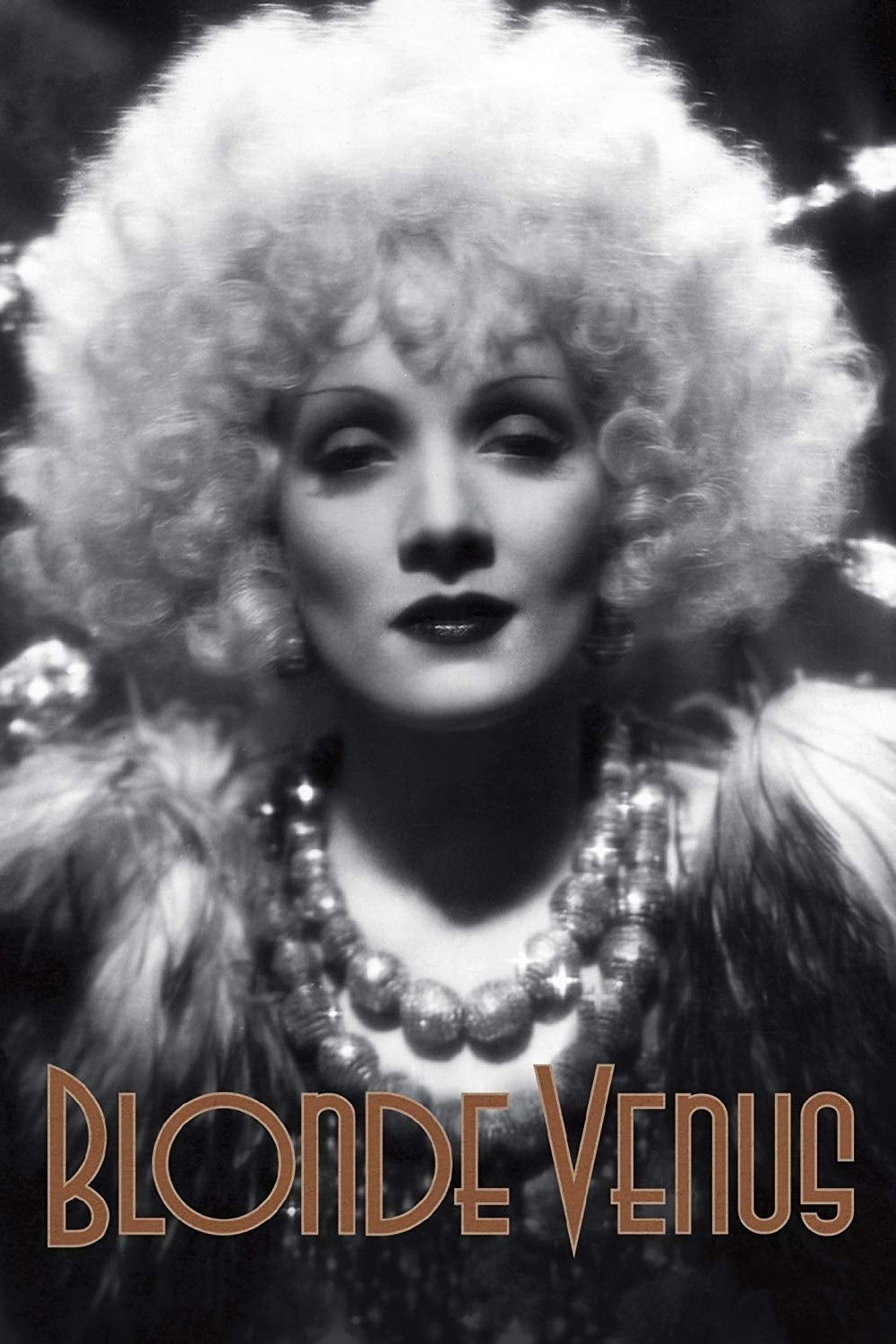
In Blonde Venus (1932), also directed by von Sternberg, Dietrich starred opposite Herbert Marshall and a young Cary Grant, then early in his film career, playing the wealthy admirer of Dietrich's nightclub-singer character. Dietrich herself had written the original story treatment, titled "Mother Love," on which the film was based.
Dietrich renounced Nazi Germany in the 1930s, became a naturalized United States citizen in 1939, and during the Second World War toured extensively for the USO, performing for Allied troops close to the front lines in North Africa and Europe — service for which she later received the U.S. Medal of Freedom and French honors including the Légion d'honneur. Her wartime commitment is considered by biographers to be as central to her legacy as her film career.
She continued performing as a cabaret and concert artist for decades after her film career slowed, touring internationally into the 1970s. She died in 1992 in Paris. Dietrich is remembered as a performer who exercised near-total authorship over her own image, and as one of the clearest examples in Hollywood history of a star whose wartime political conduct became inseparable from her artistic legacy.