← Explore
Actress · 1921–2007
Deborah Kerr
Deborah Jane Trimmer was born in Helensburgh, Dunbartonshire, Scotland, on 30 September 1921. She trained as a ballet dancer as a child before shifting to acting, studying at her aunt's drama school in Bristol, and made her stage debut with the Oxford Repertory Theatre in 1938 under the stage name Deborah Kerr. Her early film work in Britain, including Major Barbara (1941) and The Life and Death of Colonel Blimp (1943), established her as a leading young actress noted for a restrained, ladylike screen presence.
She moved to Hollywood in the mid-1940s under contract to MGM, where the studio typically cast her in refined, decorous roles — a persona she deliberately upended in From Here to Eternity (1953), playing an adulterous army wife in a famously passionate beach scene with Burt Lancaster, a performance that earned one of her six Academy Award nominations for Best Actress. None of the six converted to a win, a record she shared with Thelma Ritter and Glenn Close until it was later matched again.
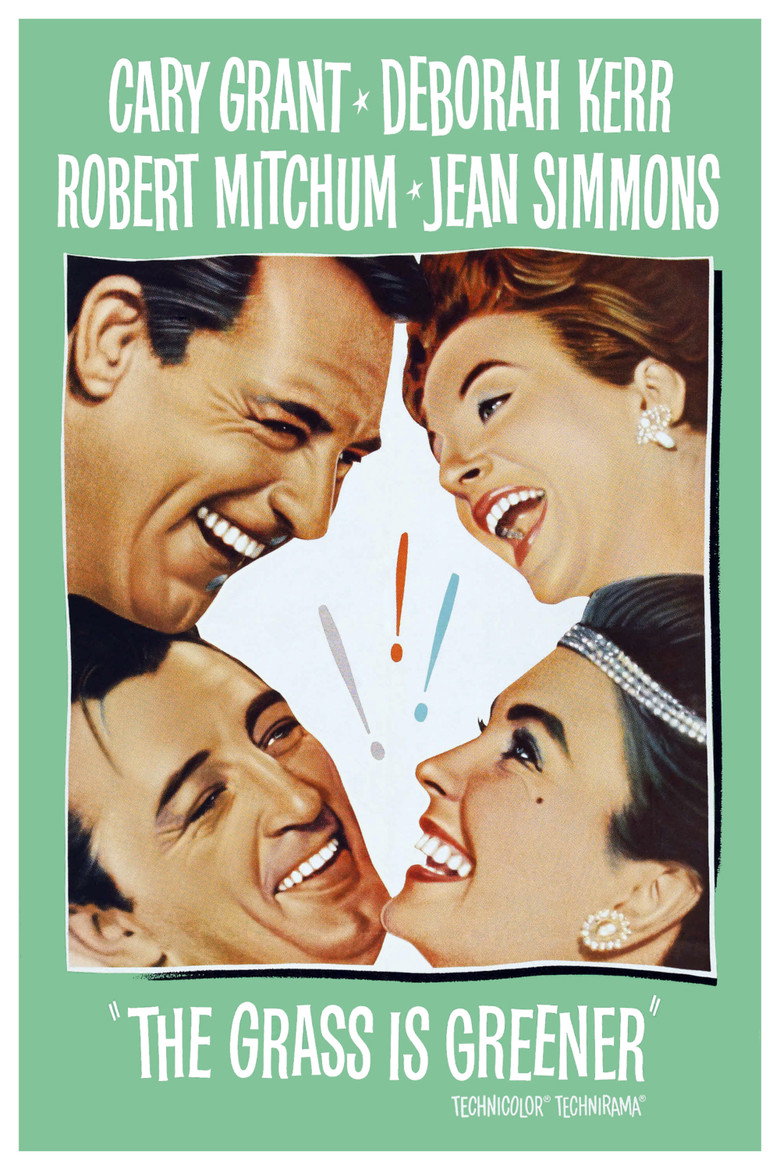
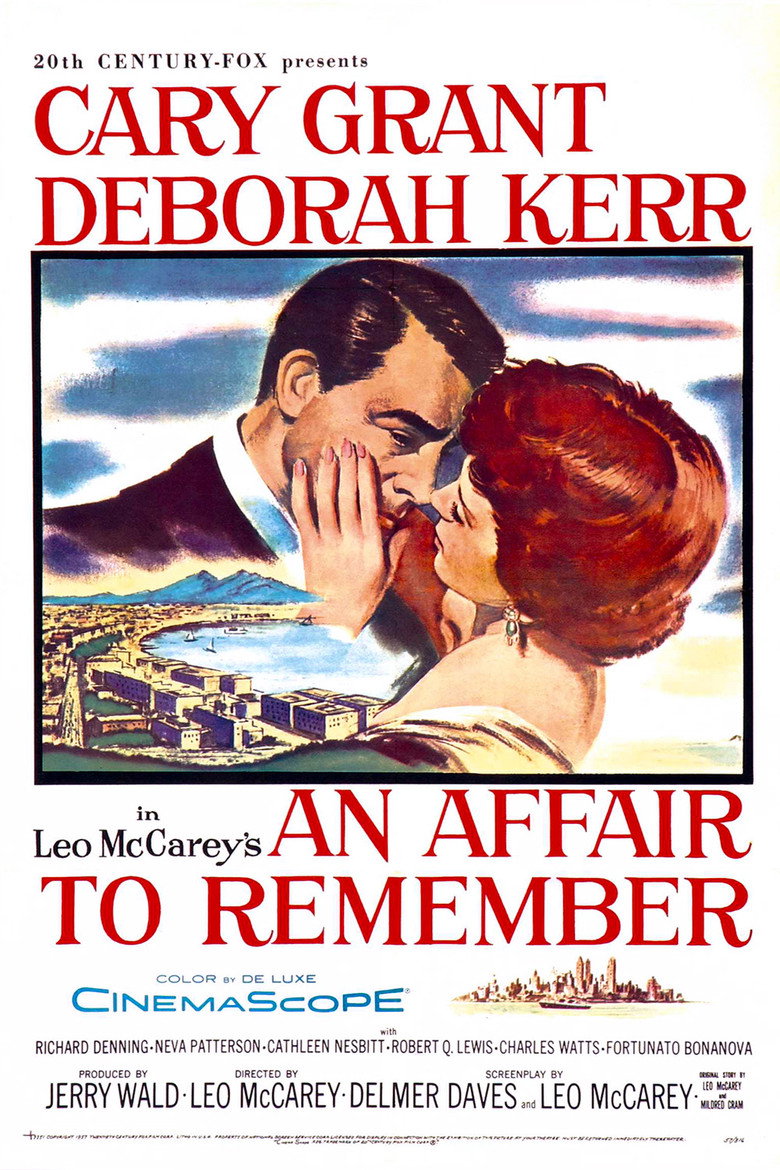
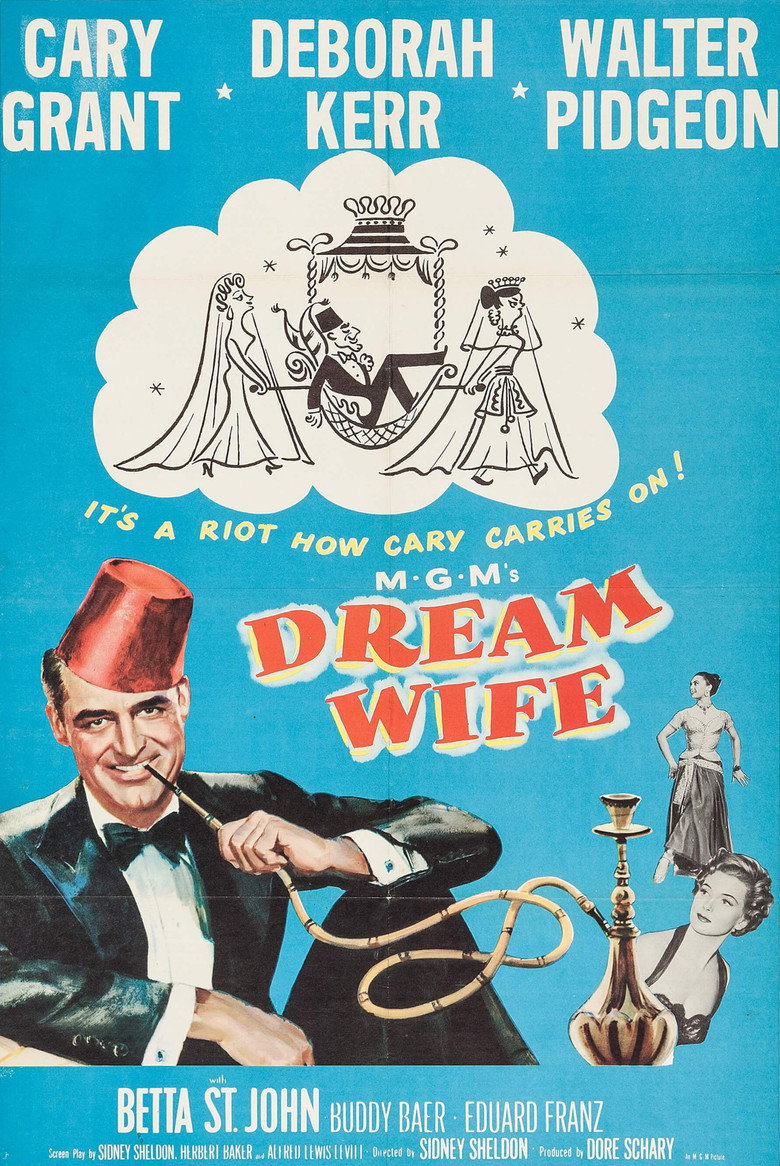
Her range across the 1950s was wide: the prim schoolteacher opposite Yul Brynner in The King and I (1956), the disturbed governess in The Innocents (1961), and the nun opposite Robert Mitchum in Heaven Knows, Mr. Allison (1957). Her three films with Cary Grant across the 1950s and early 1960s — Dream Wife (1953), An Affair to Remember (1957) and The Grass Is Greener (1960) — cemented a screen partnership audiences returned to repeatedly.
Kerr largely retired from film in the late 1960s to focus on stage work, and received an Honorary Academy Award in 1994 in recognition of her career. She died in Suffolk, England, on 16 October 2007, at eighty-six.