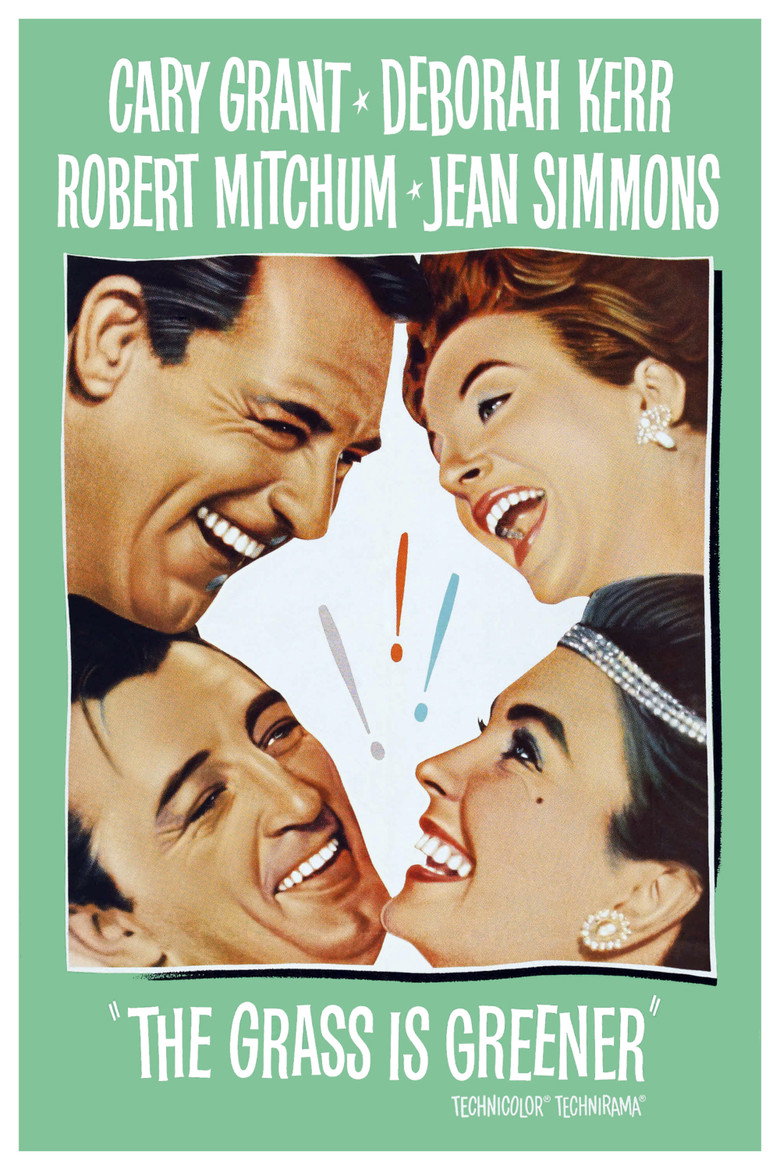
The Grass Is Greener
Cary Grant, Deborah Kerr, Robert Mitchum, and Jean Simmons headline an elegant comedy of wit, temptation, and enduring love.
Editorial ratings
- Cary Grant
- Story
- Direction
- Cinematography
- Entertainment
- Historical importance
Victor and Hillary are down on their luck to the point that they allow tourists to take guided tours of their castle. But Charles Delacro, a millionaire oil tycoon, visits, and takes a liking to more than the house. Soon, Hattie Durant gets involved and they have a good old fashioned love triangle.
Cary Grant plays Victor Rhyall, under the direction of Stanley Donen, released in 1960.
Featured quote
“Victor Rhyall embodies Grant's mature screen persona—kind, composed, emotionally intelligent, and effortlessly sophisticated.”
Introduction
Victor and Hilary Rhyall face unexpected romantic complications when an American visitor falls for Lady Hilary.
The Story
An elegant love triangle becomes a thoughtful exploration of commitment, temptation, and rediscovering enduring love.
Production & Behind the Scenes
Stanley Donen's third collaboration with Cary Grant, adapted from the successful stage play with a distinguished cast.
Cary Grant's Performance
Grant delivers one of his most restrained and emotionally intelligent performances as Victor Rhyall.
Stanley Donen's Direction & Themes
Donen explores marriage, partnership, changing British society, and emotional maturity with understated elegance.
Historical Context
Reflects Britain's changing aristocracy and evolving attitudes toward marriage and postwar social change.
Legacy & Influence
Now appreciated as one of Grant's finest mature romantic comedies and a standout comedy of manners.
Gallery
Production & release
Late 1950s
Rights acquired.
1960
Principal photography in England.
December 1960
U.S. release.
1961
Critical praise for cast.
Today
Considered a hidden gem.
Collaborators.
Stanley Donen was born in Columbia, South Carolina, in 1924 and co-directed Singin' in the Rain (1952) with Gene Kelly at the age of twenty-seven, a film now widely regarded as the finest example of the Hollywood musical. He spent much of the rest of his career demonstrating that his gifts extended well beyond the musical form, moving into stylish, cosmopolitan comedies and thrillers through the 1950s and 1960s. Donen directed Grant in four films, more than any director besides Alfred Hitchcock: the naval comedy Kiss Them for Me (1957); Indiscreet (1958), opposite Ingrid Bergman; The Grass Is Greener (1960), opposite Deborah Kerr; and Charade (1963), opposite Audrey Hepburn. Charade, made when Grant was fifty-nine, is often cited as the finest performance of his late career; Donen and screenwriter Peter Stone built the film explicitly around Grant's own reluctance to play a conventional romance with a much younger co-star, writing his discomfort with the age gap directly into the dialogue rather than concealing it. Donen's other landmark work includes On the Town (1949), also co-directed with Kelly, Funny Face (1957) with Audrey Hepburn and Fred Astaire, and Two for the Road (1967), a nonlinear marriage drama that marked a further departure from musical comedy into something cooler and more melancholic. He received an Honorary Academy Award in 1998, having never won a competitive Oscar for directing, and died in New York in 2019. Charade remains so tonally close to a Hitchcock thriller that it is routinely described as the best film Hitchcock never made.
Deborah Jane Trimmer was born in Helensburgh, Dunbartonshire, Scotland, on 30 September 1921. She trained as a ballet dancer as a child before shifting to acting, studying at her aunt's drama school in Bristol, and made her stage debut with the Oxford Repertory Theatre in 1938 under the stage name Deborah Kerr. Her early film work in Britain, including Major Barbara (1941) and The Life and Death of Colonel Blimp (1943), established her as a leading young actress noted for a restrained, ladylike screen presence. She moved to Hollywood in the mid-1940s under contract to MGM, where the studio typically cast her in refined, decorous roles — a persona she deliberately upended in From Here to Eternity (1953), playing an adulterous army wife in a famously passionate beach scene with Burt Lancaster, a performance that earned one of her six Academy Award nominations for Best Actress. None of the six converted to a win, a record she shared with Thelma Ritter and Glenn Close until it was later matched again. Her range across the 1950s was wide: the prim schoolteacher opposite Yul Brynner in The King and I (1956), the disturbed governess in The Innocents (1961), and the nun opposite Robert Mitchum in Heaven Knows, Mr. Allison (1957). Her three films with Cary Grant across the 1950s and early 1960s — Dream Wife (1953), An Affair to Remember (1957) and The Grass Is Greener (1960) — cemented a screen partnership audiences returned to repeatedly. Kerr largely retired from film in the late 1960s to focus on stage work, and received an Honorary Academy Award in 1994 in recognition of her career. She died in Suffolk, England, on 16 October 2007, at eighty-six.
Noël Coward was born in Teddington, southwest London, in 1899, to a modest lower-middle-class family, and by his twenties had built himself — through writing, performance and a meticulously constructed transatlantic accent — into the era's defining English wit. He wrote and often starred in his own material: the comedies Private Lives (1930) and Design for Living (1932), the operetta-adjacent Bitter Sweet, and later the wartime patriotic film In Which We Serve (1942), which he wrote, produced, co-directed and starred in. Coward and Grant were friends for decades, a relationship rooted partly in shared origins: both men were English, both from unglamorous backgrounds — Coward from Teddington, Grant from Bristol — and both assembled a polished, placeless English-American diction and manner as adults rather than inheriting one. Biographers have repeatedly read the two men's self-fashioning against each other, and Coward's own persona is often cited as a template, alongside Grant's, for the idea of a completely self-invented public self. Coward's other landmark works include the ghost comedy Blithe Spirit (1941) and the screenplay for David Lean's Brief Encounter (1945), both drawn from his stage writing, which helped define a particular strain of English romantic restraint on screen. He was a prolific songwriter as well as playwright, and his cabaret performances in later life, notably in Las Vegas in 1955, extended his career into a second act as a live performer. Coward received an Honorary Academy Award in 1943 for In Which We Serve and was knighted in 1970, four years before his death in Jamaica in 1973, having spent his final decades largely resident on the island.
Cast.
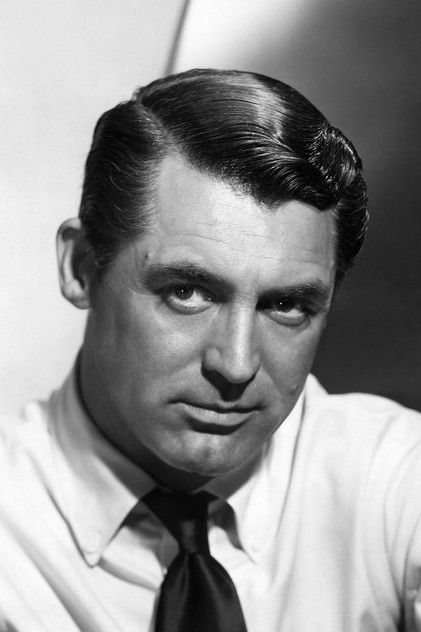
Cary Grant as Victor Rhyall
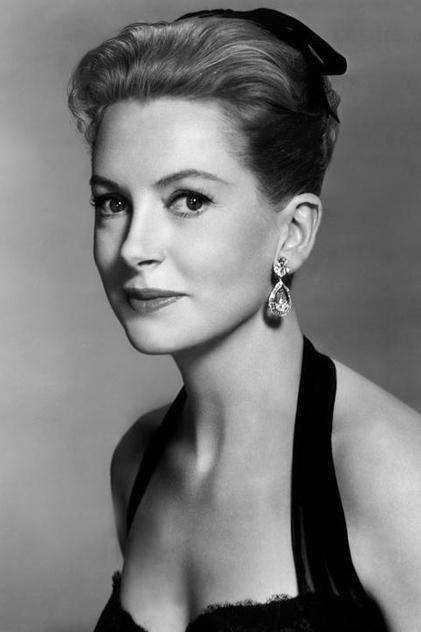
Deborah Kerr as Hilary Rhyall
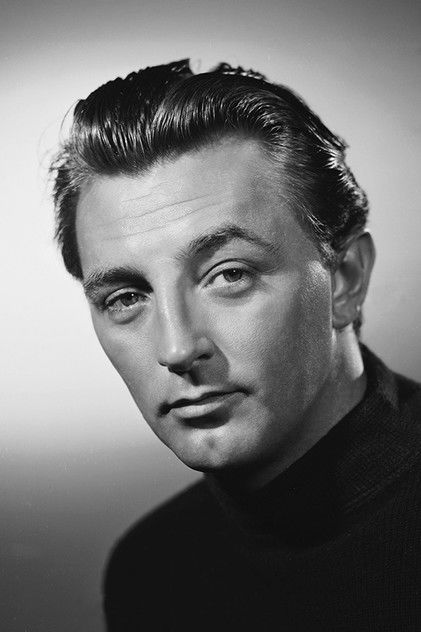
Robert Mitchum as Charles Delacro
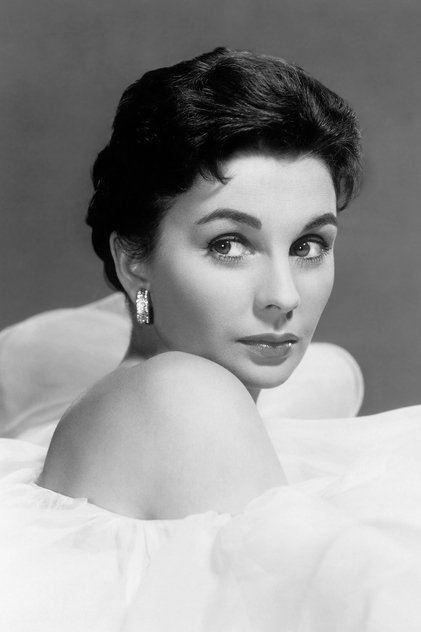
Jean Simmons as Hattie Durant
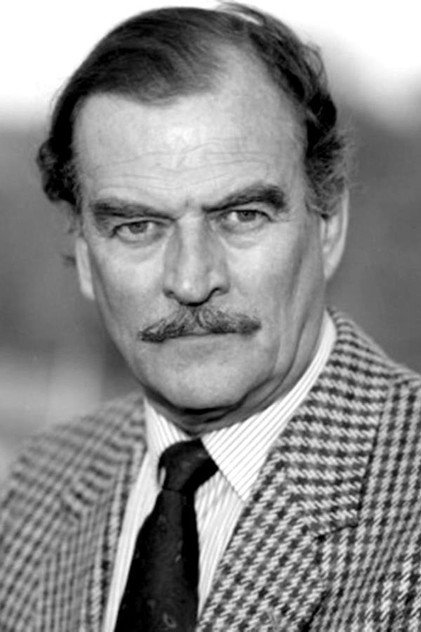
Moray Watson as Trevor Sellers
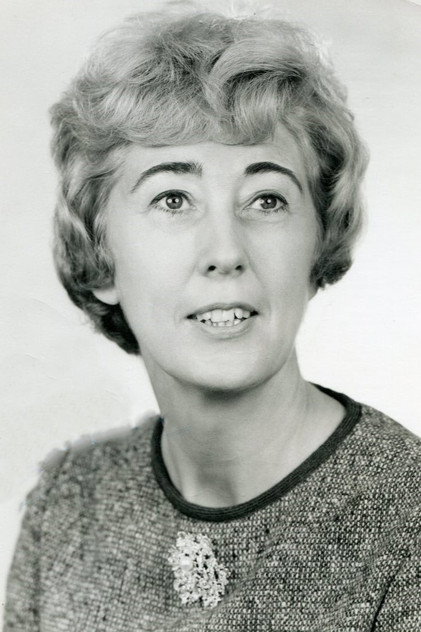
Joan Benham as Hairdresser's Receptionist (uncredited)
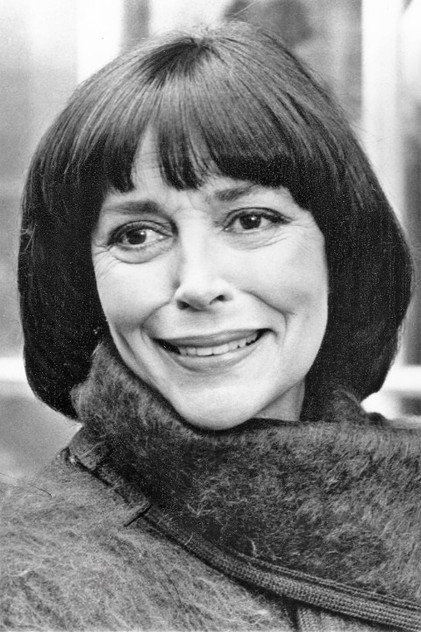
Gwen Watford as Hairdresser's Receptionist (uncredited)
Full billed cast of The Grass Is Greener (1960).
Players in billing order, with the characters they play.
- Cary Grantas Victor Rhyall
- Deborah Kerras Hilary Rhyall
- Robert Mitchumas Charles Delacro
- Jean Simmonsas Hattie Durant
- Moray Watsonas Trevor Sellers
- Joan Benhamas Hairdresser's Receptionist (uncredited)
- Gwen Watfordas Hairdresser's Receptionist (uncredited)
- Elisabeth Orionas Fair-Haired Woman (uncredited)
Crew.
- Art DirectionPaul Sheriff
- Costume DesignHardy Amies
- Costume DesignChristian Dior
- DirectorStanley Donen
- Director of PhotographyChristopher Challis
- EditorJim Clark
- ProducerStanley Donen
- ScreenplayMargaret Vyner
- ScreenplayHugh Williams
Players in common.
A quiet dispatch,
once a month.
One considered essay in your inbox each month. No promotions, no algorithms, no forwarding. Unsubscribe with a single click.
Other studies.
Cary Grant and Deborah Kerr headline an elegant romantic comedy exploring whether the perfect partner exists—or whether perfection itself is an illusion.
A thoughtful wartime satire blending romance, comedy, and commentary on celebrity culture.
Cary Grant and Audrey Hepburn create one of cinema's most elegant romantic mysteries—a thrilling game of deception, danger, and unexpected love.