The Pride and the Passion
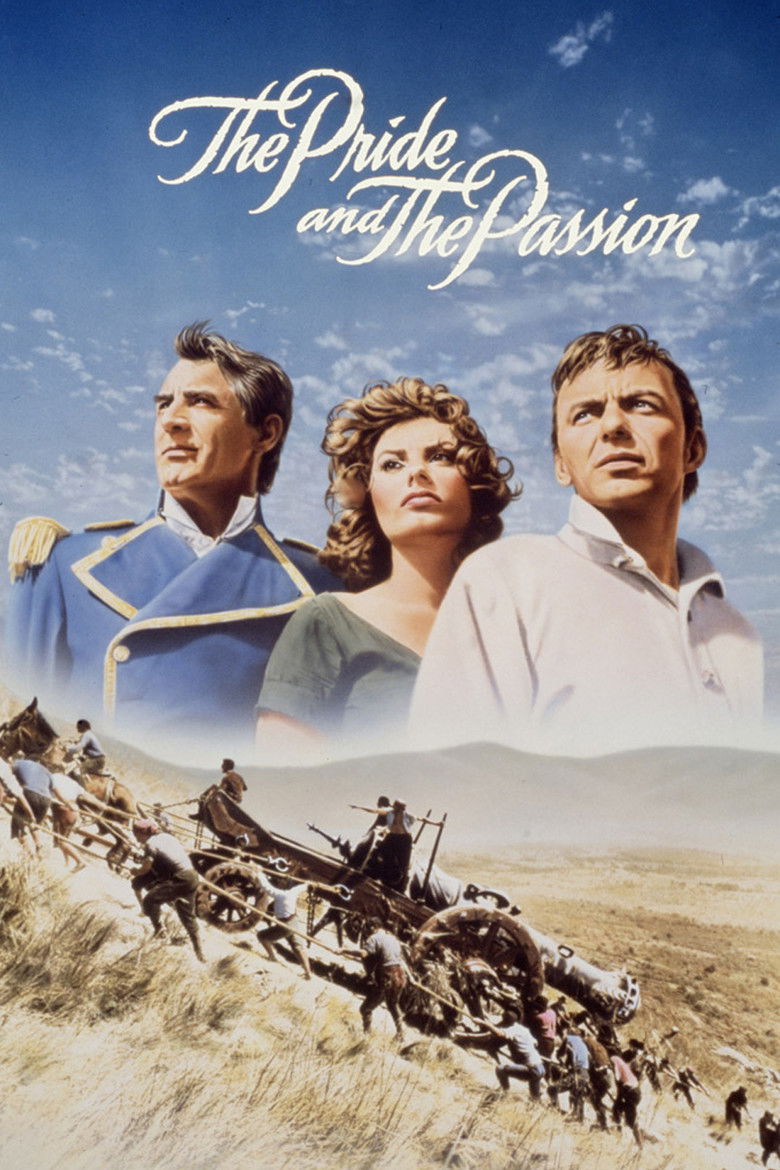
Cary Grant, Sophia Loren, and Frank Sinatra lead Stanley Kramer's sweeping historical epic about transporting a massive cannon across wartime Spain during the Peninsular War.
Editorial ratings
- Cary Grant
- Story
- Direction
- Cinematography
- Entertainment
- Historical importance
During the Napoleonic Wars, when the French have occupied Spain, some Spanish guerrilla soldiers are going to move a big cannon across Spain in order to help the British defeat the French. A British officer is there to accompany the Spanish and along the way, he falls in love with the leader's girl.
Cary Grant plays Anthony, under the direction of Stanley Kramer, released in 1957.
Featured quote
“The film showcases Grant's mature screen presence, portraying leadership and integrity while anchoring one of the grandest productions of his career.”
Introduction
Grant stars as Captain Anthony Trumbull, a disciplined British officer helping Spanish resistance fighters transport an enormous cannon.
The Story
An arduous mission across occupied Spain becomes a testament to courage, cooperation, and perseverance.
Production & Behind the Scenes
Shot on location throughout Spain. Famous for the Cary Grant–Sophia Loren romance and its massive practical production.
Cary Grant's Performance
Grant anchors the ensemble with quiet authority, professionalism, and understated leadership.
Stanley Kramer's Direction & Themes
Explores sacrifice, leadership, national identity, and the power of collective effort.
Historical Context
Set during the Peninsular War and reflecting postwar interest in stories of resistance and liberation.
Legacy & Influence
Remembered for its scale, authentic locations, and unique place within Cary Grant's career.
Gallery
Production & release
1956
Production begins
Stanley Kramer assembles cast and crew.
Late 1956
Filming across Spain
Principal photography on location.
During production
Grant & Loren romance
Their off-screen relationship attracts worldwide press.
July 10, 1957
Film released
United Artists premieres the epic.
Today
Enduring appreciation
Recognized as a landmark of practical filmmaking.
Collaborators.
Sophia Loren was born Sofia Villani Scicolone outside Naples in 1934 and grew up in poverty during and after the Second World War before becoming, over the following decades, the most internationally successful Italian actress in film history and, in 1962, the first performer to win a competitive Academy Award for a foreign-language performance, for Vittorio De Sica's Two Women (1960). Loren co-starred with Grant twice in the late 1950s. The first, The Pride and the Passion (1957), a large-scale historical epic shot in Spain, brought the two together while Grant was still married to Betsy Drake; during production Grant fell in love with Loren and reportedly proposed marriage. Loren declined and, that same year, married producer Carlo Ponti, to whom she remained married for the rest of his life. The two actors reunited the following year for the comedy Houseboat (1958), filmed after Loren's refusal; Betsy Drake had originally been credited with the film's story, and her credit was removed from the finished picture, a detail biographers connect directly to the romantic complications of the prior year. Loren's career beyond these two films is extensive: alongside Two Women, she starred in Yesterday, Today and Tomorrow (1963) and Marriage Italian Style (1964), both opposite Marcello Mastroianni and directed by De Sica, and later in Ettore Scola's A Special Day (1977). She received an Honorary Academy Award in 1991 for her body of work, cementing a career that began in postwar poverty and became one of the defining screen presences of European cinema.
Frank Sinatra rose to fame as a big band vocalist in the early 1940s before a sharp mid-decade decline in his recording career and public standing. His comeback began with an Academy Award-winning supporting performance in "From Here to Eternity" (1953), after which he rebuilt himself as both a major recording artist, through a run of concept albums for Capitol Records with arranger Nelson Riddle, and a leading man in film. Through the late 1950s and 1960s Sinatra was the central figure of the loosely defined "Rat Pack," a circle of Hollywood and Las Vegas entertainers that also included Dean Martin, Sammy Davis Jr., Peter Lawford, and Joey Bishop, and he starred in films including "The Man with the Golden Arm" (1955), "The Manchurian Candidate" (1962), and "Ocean's 11" (1960). Sinatra and Cary Grant moved in overlapping social circles in Hollywood and Palm Springs for decades but were never cast together on screen; their connection was personal rather than professional, that of two of the era's most recognisable stars socialising within the same Hollywood milieu rather than collaborators on a film.
Cast.
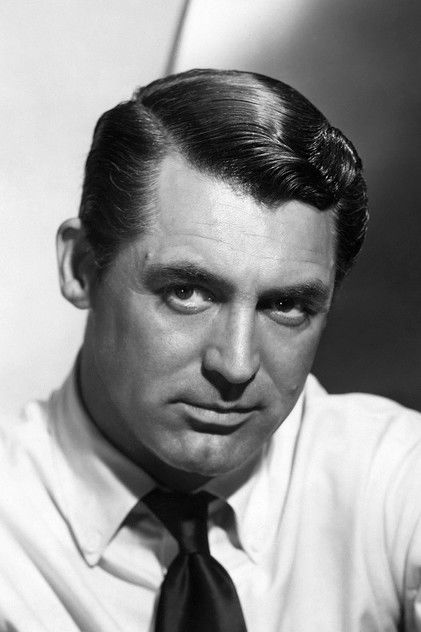
Cary Grant as Anthony
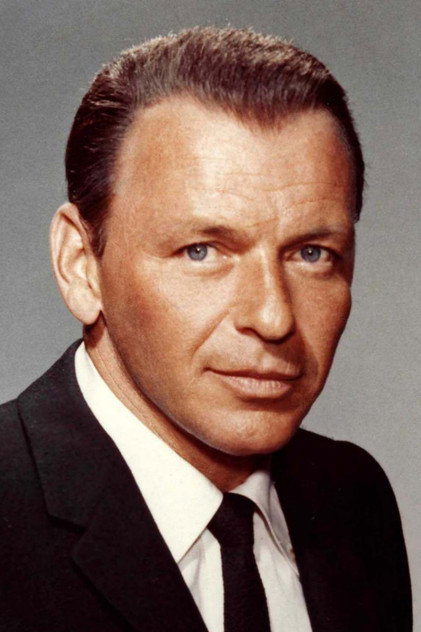
Frank Sinatra as Miguel
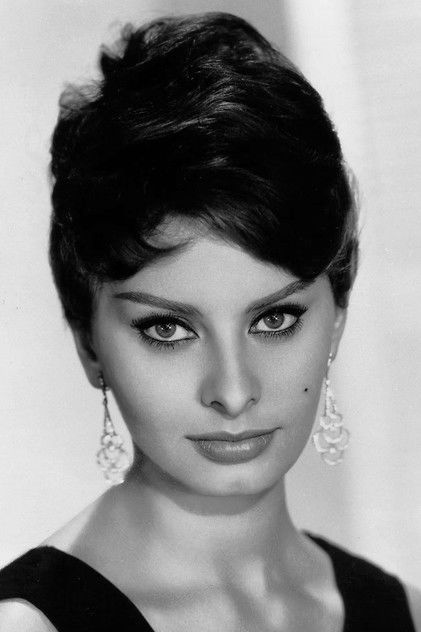
Sophia Loren as Juana
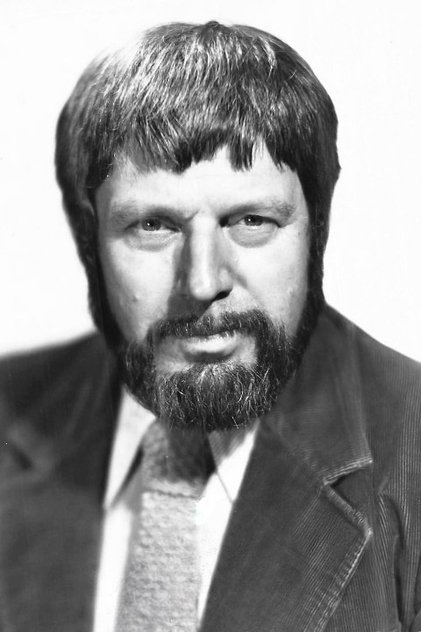
Theodore Bikel as General Jouvet
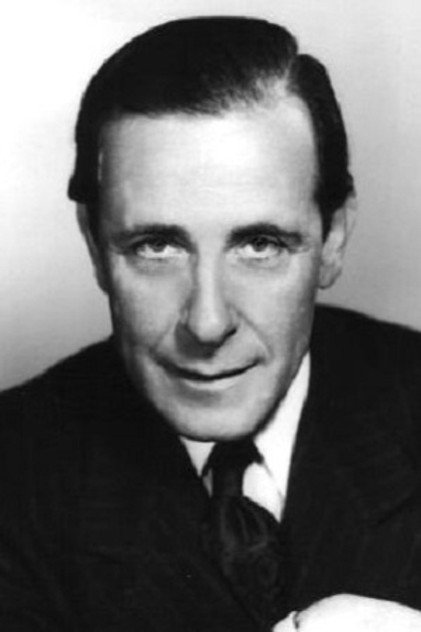
John Wengraf as Sermaine
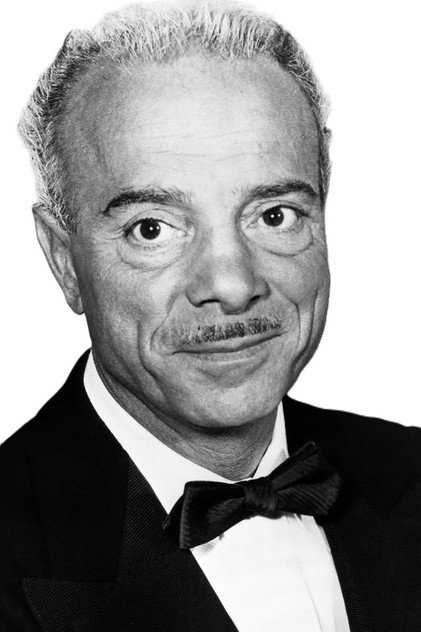
Jay Novello as Ballinger
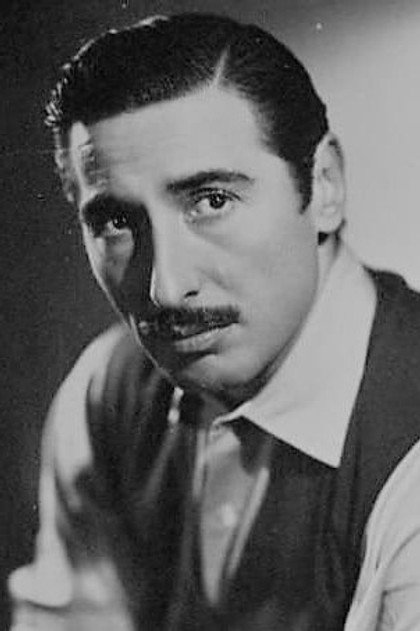
José Nieto as Carlos
Full billed cast of The Pride and the Passion (1957).
Players in billing order, with the characters they play.
- Cary Grantas Anthony
- Frank Sinatraas Miguel
- Sophia Lorenas Juana
- Theodore Bikelas General Jouvet
- John Wengrafas Sermaine
- Jay Novelloas Ballinger
- José Nietoas Carlos
- Carlos Larrañagaas Jose
- Philip Van Zandtas Vidal
- Paco El Laberintoas Manolo
- Julián Ugarteas Enrique
- Félix de Pomésas Bishop
- Carlos Casaravillaas Leonardo
- Juan Olaguibelas Ramon
- Nana DeHerreraas Maria
- Carlos Díaz de Mendozaas Francisco
- Luis Guedesas French Soldier
- Barta Barrias (uncredited)
- Xan das Bolasas (uncredited)
Crew.
- Art DirectionFernando Carrere
- Costume DesignJoe King
- DirectorStanley Kramer
- Director of PhotographyFranz Planer
- EditorEllsworth Hoagland
- EditorFrederic Knudtson
- Original Music ComposerGeorge Antheil
- ProducerStanley Kramer
- Production DesignRudolph Sternad
- ScreenplayEdward Anhalt
- ScreenplayEdna Anhalt
A quiet dispatch,
once a month.
One considered essay in your inbox each month. No promotions, no algorithms, no forwarding. Unsubscribe with a single click.
Other studies.
Cary Grant and Deborah Kerr headline an elegant romantic comedy exploring whether the perfect partner exists—or whether perfection itself is an illusion.
A thoughtful wartime satire blending romance, comedy, and commentary on celebrity culture.
Cary Grant and Audrey Hepburn create one of cinema's most elegant romantic mysteries—a thrilling game of deception, danger, and unexpected love.