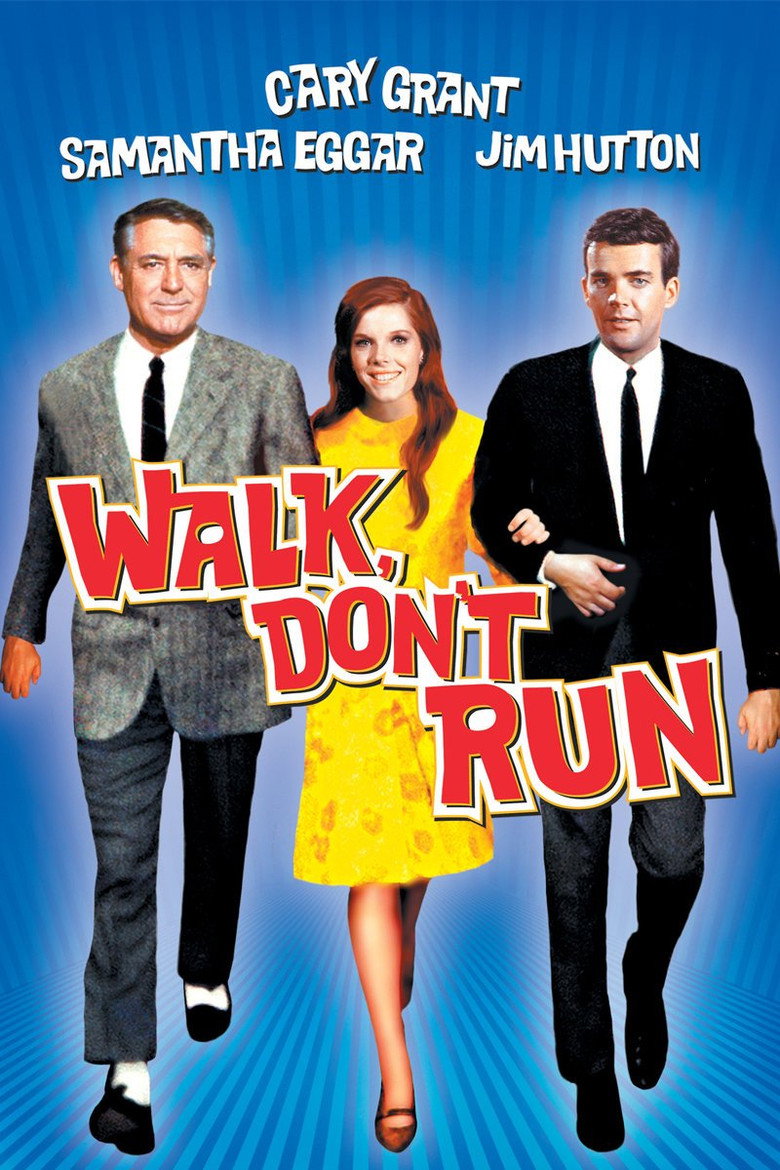
Walk, Don't Run
Cary Grant's unforgettable farewell to the silver screen.
Editorial ratings
- Cary Grant
- Story
- Direction
- Cinematography
- Entertainment
- Historical importance
During the housing shortage of the 1964 Summer Olympic Games, two men and a woman share a small apartment in Tokyo, and the older man soon starts playing Cupid to the younger pair.
Cary Grant plays Sir William Rutland, under the direction of Charles Walters, released in 1966.
Featured quote
“A fitting and graceful conclusion to one of the greatest careers in motion picture history.”
Introduction
A warm remake of The More the Merrier set against the Tokyo Olympics.
The Story
Sir William Rutland gently engineers a romance between two young roommates.
Production & Behind the Scenes
Filmed in Tokyo with music by Quincy Jones and directed by Charles Walters.
Cary Grant's Performance
A mature, generous, and effortless final screen performance.
Charles Walters' Direction & Themes
Themes of kindness, matchmaking, generational transition, and optimism.
Historical Context
Captures modern Tokyo and Cary Grant's retirement from acting.
Legacy & Influence
Widely regarded as one of cinema's most graceful farewell performances.
Gallery
Production & release
1964
Filmed during the Tokyo Olympics.
June 15, 1966
Film released.
1966
Cary Grant retires from acting.
Later decades
Reputation grows as Grant's farewell film.
Collaborators.
Charles Powell Walters was born in Pasadena, California, on 17 November 1911. He trained as a dancer and began his career on Broadway in the 1930s, appearing in musicals and eventually choreographing, before Metro-Goldwyn-Mayer brought him to Hollywood in the early 1940s to stage dance numbers for its musicals. He choreographed for films including Meet Me in St. Louis (1944) before moving into directing, and quickly became one of MGM's most trusted directors of musicals and light comedy through the 1940s and 1950s. His work was marked by fluid camera movement built around dance staging and an ability to draw relaxed, warm performances from stars like Judy Garland, Fred Astaire, and Leslie Caron. Easter Parade (1948), pairing Astaire and Garland, and Lili (1953), starring Caron, were among his most celebrated films; Lili earned him an Academy Award nomination for Best Director. He continued into the 1950s and 1960s with films including High Society (1956), a musical remake of The Philadelphia Story starring Grace Kelly, Bing Crosby and Frank Sinatra, and The Unsinkable Molly Brown (1964). His final feature was Walk, Don't Run (1966), a comedy that turned out to mark the end of another career besides his own: it was Cary Grant's last film. Walters worked afterward in television before retiring. He died in Malibu, California, on 13 August 1982.
Samantha Eggar was born in London in 1939 and moved fluidly between British and American productions from the mid-1960s onward, building an international career that began with a striking dramatic breakthrough and continued through decades of film and television work. Her defining early role came in William Wyler's The Collector (1965), playing a young woman held captive by an obsessive butterfly collector, a performance that won her the Best Actress award at the Cannes Film Festival and an Academy Award nomination for Best Actress. She followed it with the title role opposite Rex Harrison in Doctor Dolittle (1967), one of the more expensive and troubled productions of its decade, and later took a very different kind of genre role in David Cronenberg's body-horror film The Brood (1979), which became a cult touchstone in later decades. Eggar co-starred with Grant in Walk, Don't Run (1966), a comedy set during the Tokyo Olympics and a loose remake of the 1943 film The More the Merrier. It proved to be Grant's final theatrical film; he was fifty-eight when it was released and did not appear in another feature for the remaining twenty years of his life, later citing a wish to spend more time with his young daughter, Jennifer, born the previous year. Eggar continued working steadily in film and television for decades afterward. Her connection to Grant is defined by that single film, but it carries particular historical weight as the closing credit of his acting career.
Cast.
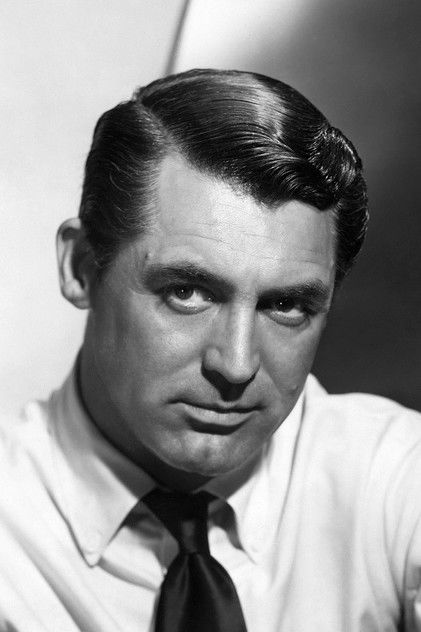
Cary Grant as Sir William Rutland
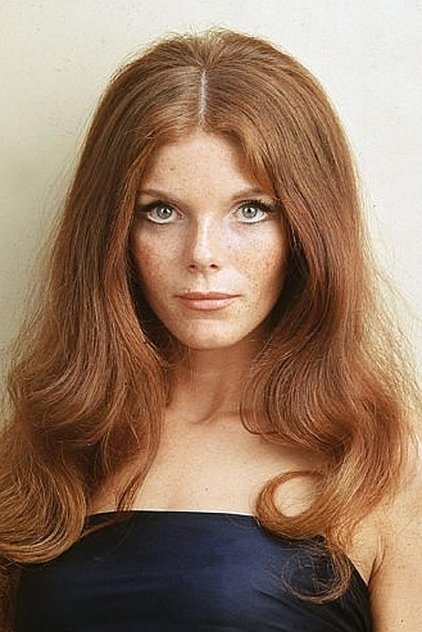
Samantha Eggar as Christine Easton
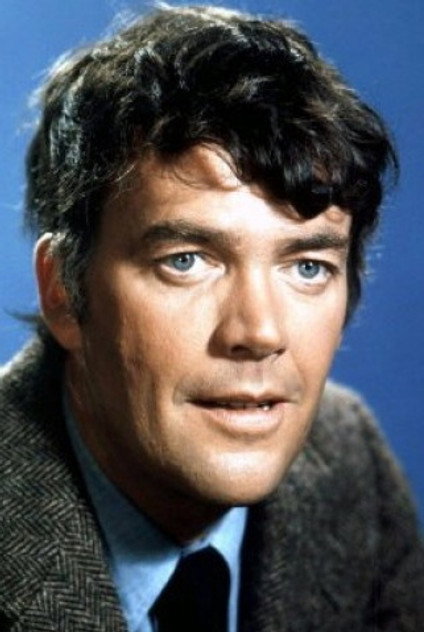
Jim Hutton as Steve Davis
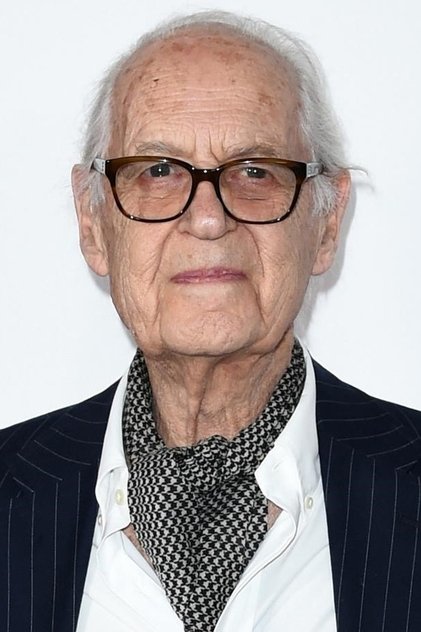
John Standing as Julius D. Haversack
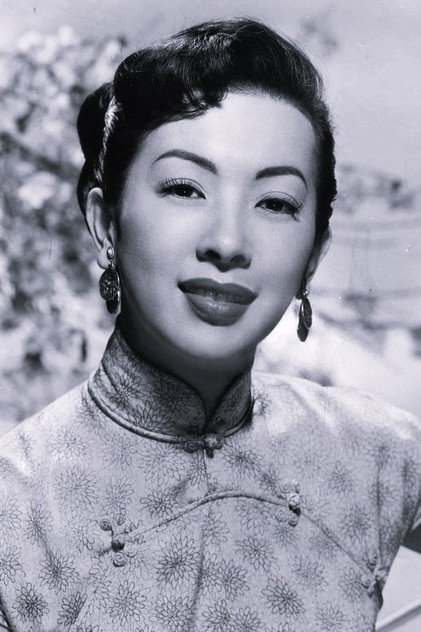
Miiko Taka as Aiko Kurawa
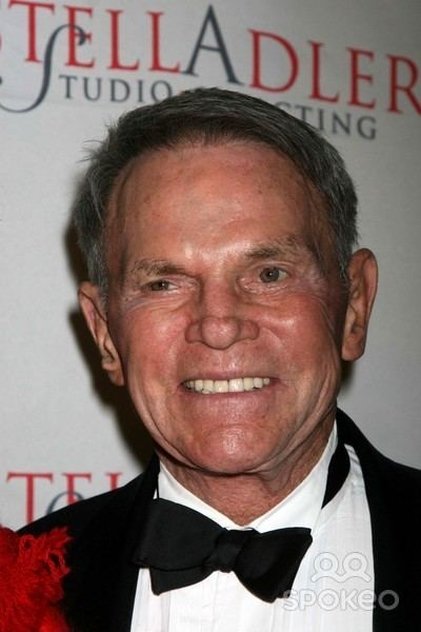
Ted Hartley as Yuri Andreyovitch
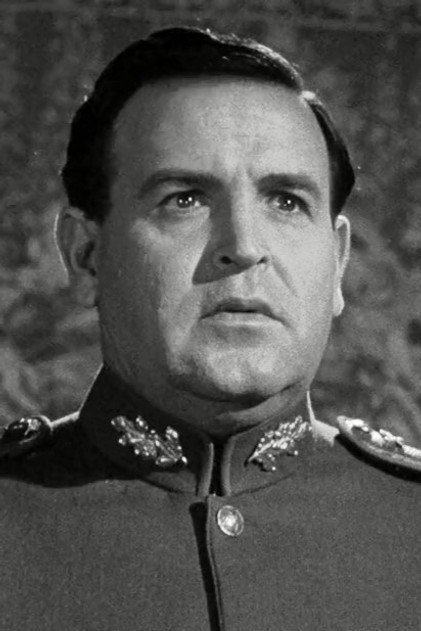
Ben Astar as Dimitri
Full billed cast of Walk, Don't Run (1966).
Players in billing order, with the characters they play.
- Cary Grantas Sir William Rutland
- Samantha Eggaras Christine Easton
- Jim Huttonas Steve Davis
- John Standingas Julius D. Haversack
- Miiko Takaas Aiko Kurawa
- Ted Hartleyas Yuri Andreyovitch
- Ben Astaras Dimitri
- George Takeias Police Captain
- Teru Shimadaas Mr. Kurawa
- Lois Kiuchias Mrs. Kurawa
- C.K. Yangas Chinese Athlete
Crew.
- Costume DesignMorton Haack
- DirectorCharles Walters
- Director of PhotographyHarry Stradling Sr.
- EditorJames Wells
- EditorWalter Thompson
- Original Music ComposerQuincy Jones
- ProducerSol C. Siegel
- Production DesignJoseph C. Wright
- ScreenplaySol Saks
- StoryFrank Ross
- StoryRobert Russell
A quiet dispatch,
once a month.
One considered essay in your inbox each month. No promotions, no algorithms, no forwarding. Unsubscribe with a single click.
Other studies.
Cary Grant and Deborah Kerr headline an elegant romantic comedy exploring whether the perfect partner exists—or whether perfection itself is an illusion.
A thoughtful wartime satire blending romance, comedy, and commentary on celebrity culture.
Cary Grant and Audrey Hepburn create one of cinema's most elegant romantic mysteries—a thrilling game of deception, danger, and unexpected love.