← Explore
Composer · 1911–1975
Bernard Herrmann
Bernard Herrmann was born Max Herman in New York City on 29 June 1911, the son of Jewish immigrants from Russia. He studied at New York University and the Juilliard School, and by his early twenties was composing and conducting for CBS Radio, where he led the CBS Symphony Orchestra and worked closely with Orson Welles on the Mercury Theatre on the Air, including the 1938 "War of the Worlds" broadcast.
That collaboration carried into film: Herrmann's first score was for Welles's Citizen Kane (1941), for which he received an Academy Award nomination, and the same year he won the Oscar for The Devil and Daniel Webster. Through the 1940s and 1950s he built a body of concert and film work marked by unconventional orchestration — low brass, unusual string writing, ostinato figures repeated to hypnotic effect — that departed sharply from the lush Romantic idiom of most Hollywood scoring of the period.
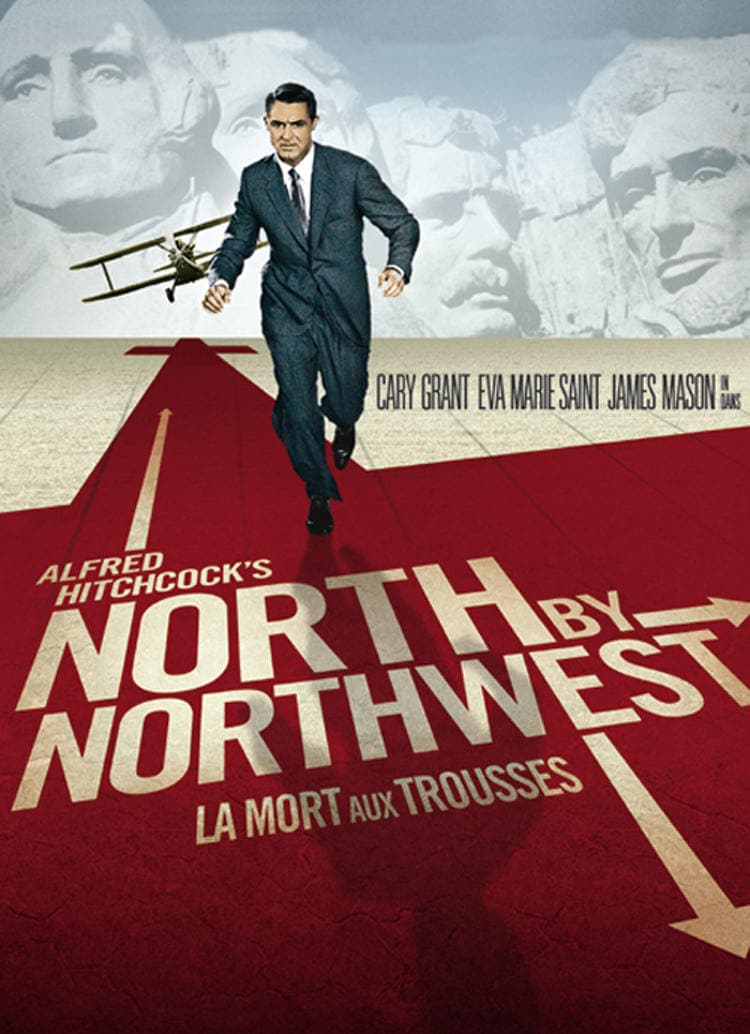
His most celebrated period was his partnership with Alfred Hitchcock, beginning with The Trouble with Harry (1955) and running through Vertigo (1958), North by Northwest (1959), Psycho (1960) and Marnie (1964). The screeching string figure he wrote for Psycho's shower scene, over Hitchcock's initial instruction that the scene have no music at all, became one of the most recognized passages in film history. The partnership ended in 1966 when Hitchcock, under studio pressure to modernize, rejected Herrmann's score for Torn Curtain and fired him; the two men never spoke again.
Herrmann continued scoring films into the 1970s, including Truffaut's Fahrenheit 451 (1966) and Scorsese's Taxi Driver, which he completed the day before he died in Los Angeles on 24 December 1975. It was released the following year and earned him a posthumous Academy Award nomination.