Crisis
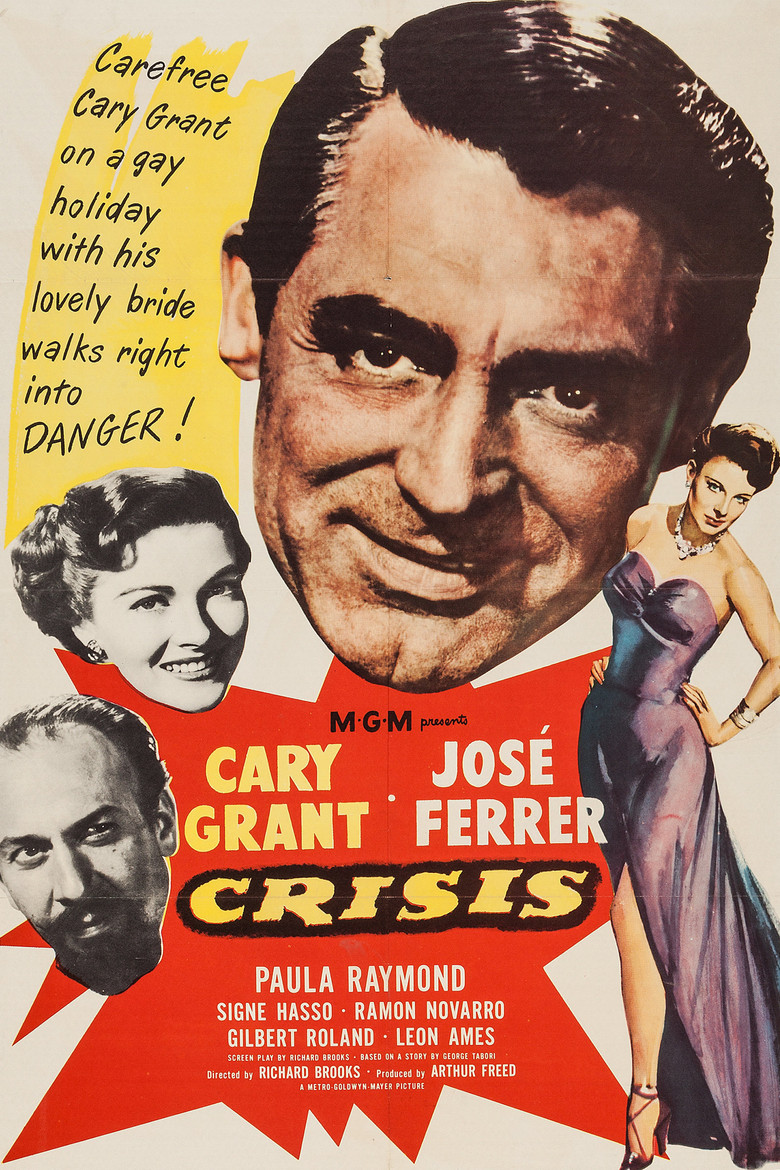
Cary Grant abandons comedy for a gripping political drama, portraying renowned neurosurgeon Dr. Eugene Ferguson, who must decide whether saving a dictator's life is compatible with his medical ethics.
Editorial ratings
- Cary Grant
- Story
- Direction
- Cinematography
- Entertainment
- Historical importance
An American doctor gets caught in the middle of a revolution when he's forced to operate on a South American dictator.
Cary Grant plays Dr. Eugene Norland Ferguson, under the direction of Richard Brooks, released in 1950.
Featured quote
“Medicine above politics.”
Introduction
Grant steps away from comedy into an intelligent political drama.
The Story
Dr. Eugene Ferguson must save the life of a brutal dictator while revolution unfolds.
Production & Behind the Scenes
Richard Brooks adapts George Tabori's novel into a morally complex drama.
Cary Grant's Performance
A masterclass in restraint, intelligence, and authenticity.
Richard Brooks' Direction & Themes
Explores ethics, power, neutrality, and conscience.
Historical Context
Reflects postwar political instability and Cold War anxieties.
Legacy & Influence
Now appreciated as one of Grant's most intellectually ambitious films.
Gallery
Production & release
1949
Novel Adapted
Novel adapted.
Early 1950
Production Begins
Production begins.
July 7, 1950
Premiere
Premiere.
1950
Reception
Strong reviews, modest box office.
Today
Reassessment
Reassessed as an important Grant drama.
Cast.
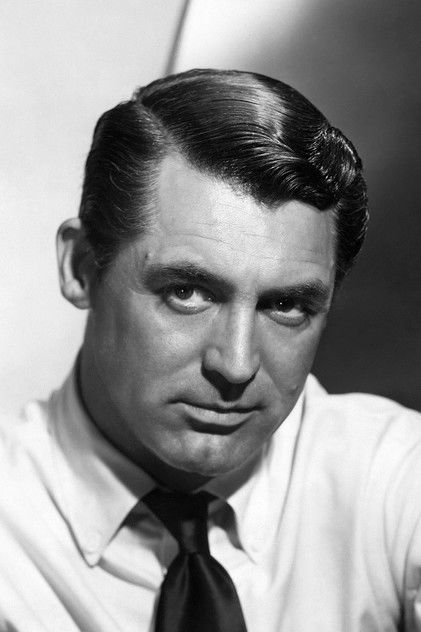
Cary Grant as Dr. Eugene Norland Ferguson
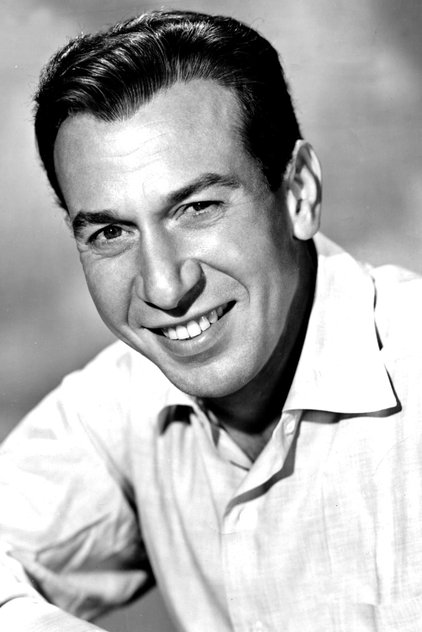
José Ferrer as Raoul Farrago
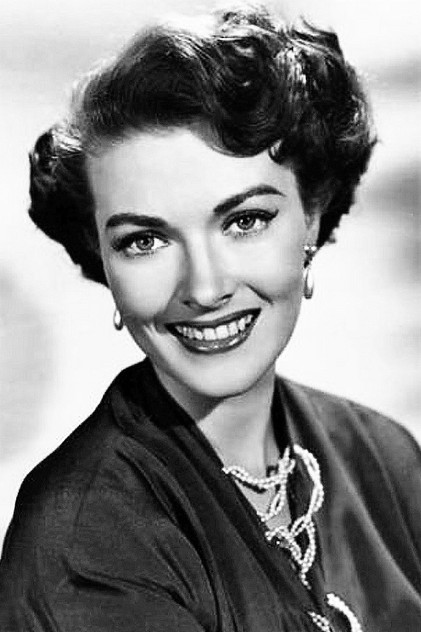
Paula Raymond as Helen Ferguson
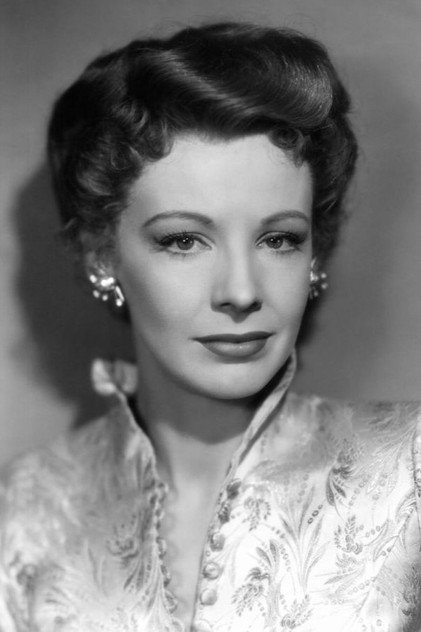
Signe Hasso as Senora Isabel Farrago
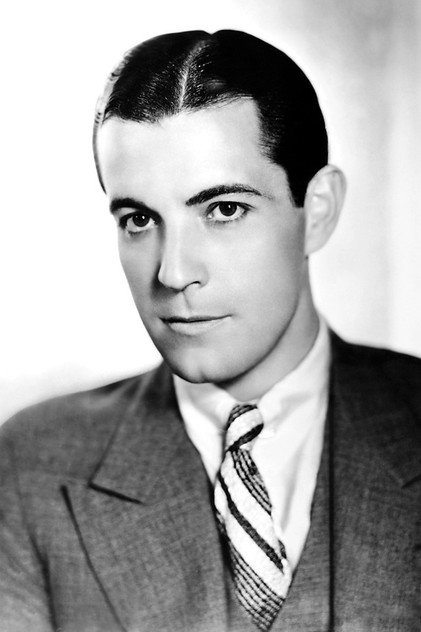
Ramon Novarro as Colonel Adragon
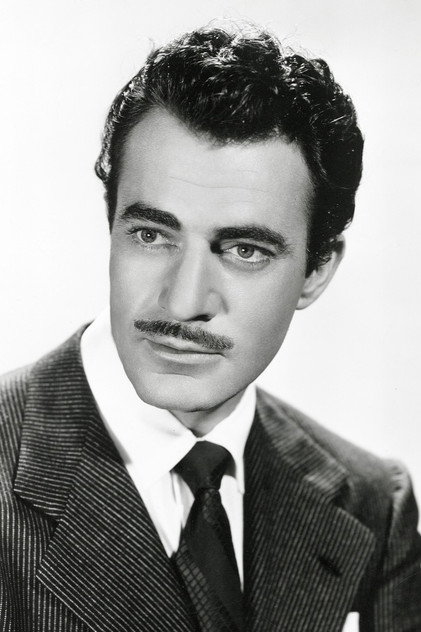
Gilbert Roland as Roland Gonzales
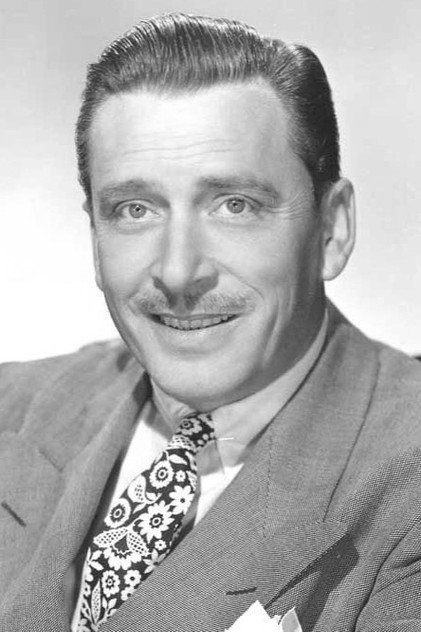
Leon Ames as Sam Proctor
Full billed cast of Crisis (1950).
Players in billing order, with the characters they play.
- Cary Grantas Dr. Eugene Norland Ferguson
- José Ferreras Raoul Farrago
- Paula Raymondas Helen Ferguson
- Signe Hassoas Senora Isabel Farrago
- Ramon Novarroas Colonel Adragon
- Gilbert Rolandas Roland Gonzales
- Leon Amesas Sam Proctor
- John Georgeas Man In Street Crowd (uncredited)
Crew.
- Art DirectionCedric Gibbons
- Art DirectionE. Preston Ames
- DirectorRichard Brooks
- Director of PhotographyRay June
- EditorRobert Kern
- Original Music ComposerMiklós Rózsa
- ProducerArthur Freed
- StoryGeorge Tabori
- WriterRichard Brooks
Players in common.
A quiet dispatch,
once a month.
One considered essay in your inbox each month. No promotions, no algorithms, no forwarding. Unsubscribe with a single click.
Other studies.
Cary Grant and Deborah Kerr headline an elegant romantic comedy exploring whether the perfect partner exists—or whether perfection itself is an illusion.
A thoughtful wartime satire blending romance, comedy, and commentary on celebrity culture.
Cary Grant and Audrey Hepburn create one of cinema's most elegant romantic mysteries—a thrilling game of deception, danger, and unexpected love.