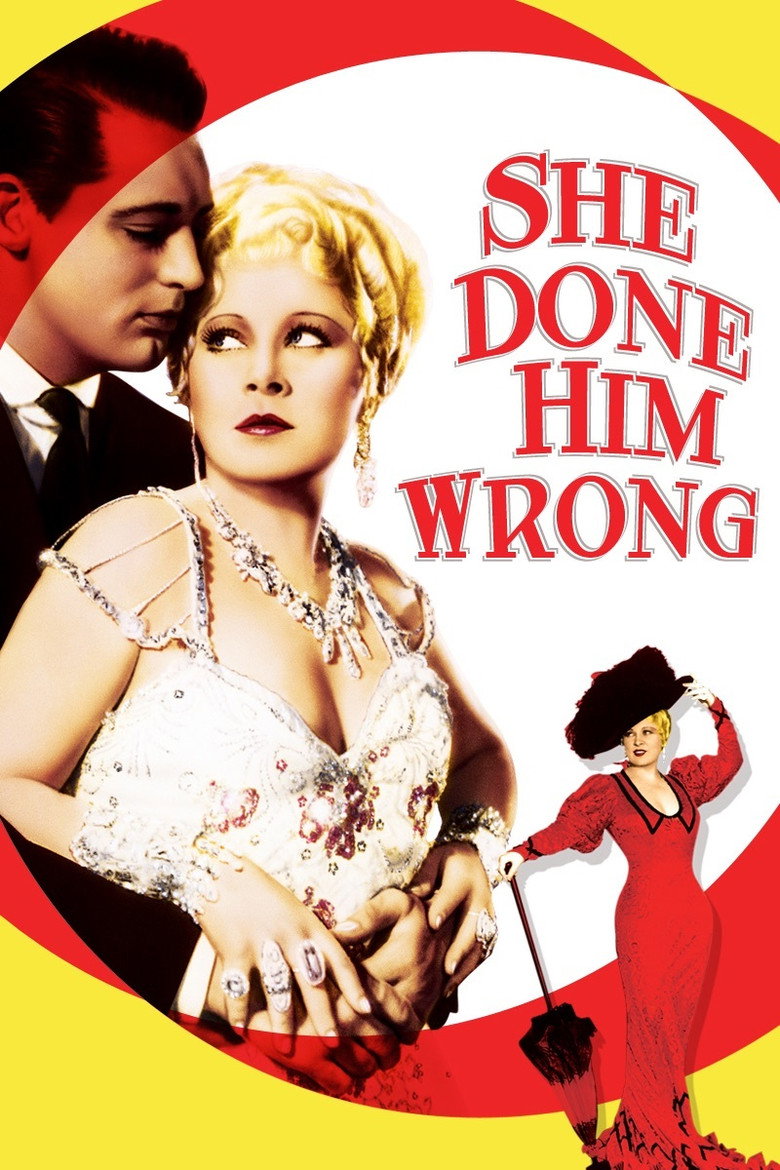
She Done Him Wrong
The film that introduced the world to Cary Grant.
Editorial ratings
- Cary Grant
- Story
- Direction
- Cinematography
- Entertainment
- Historical importance
New York singer and nightclub owner Lady Lou has more male friends than can be imagined. One is a vicious escaped criminal on the way to see 'his' girl, unaware she hasn't exactly been faithful in his absence. Help is at hand in the form of young Captain Cummings, a local temperance league leader.
Cary Grant plays Captain Cummings, under the direction of Lowell Sherman, released in 1933.
Featured quote
“The definitive breakthrough film—an essential cornerstone of Cary Grant's legacy and one of the greatest achievements of Pre-Code Hollywood.”
Introduction
Mae West's Broadway triumph became the film that changed Cary Grant's life and helped rescue Paramount.
The Story
Lady Lou navigates romance, crime, and redemption while falling for Captain Cummings.
Production & Behind the Scenes
Mae West selected Cary Grant herself, while Lowell Sherman and Charles Lang crafted a stylish Pre-Code classic.
Cary Grant's Performance
Grant reveals the complete screen persona that would define the next three decades.
Lowell Sherman's Direction & Themes
Themes of redemption, integrity, appearance versus reality, and female independence drive the story.
Historical Context
A defining Pre-Code success released during the Great Depression that launched Grant to stardom.
Legacy & Influence
One of Hollywood's most influential films and the true beginning of the Cary Grant legend.
Gallery
Production & release
1928
Diamond Lil debuts on Broadway.
Late 1932
Paramount adapts the play; Mae West selects Cary Grant.
February 3, 1933
Film premieres.
Summer 1933
I'm No Angel confirms Grant's stardom.
1996
Selected for the National Film Registry.
Cast.
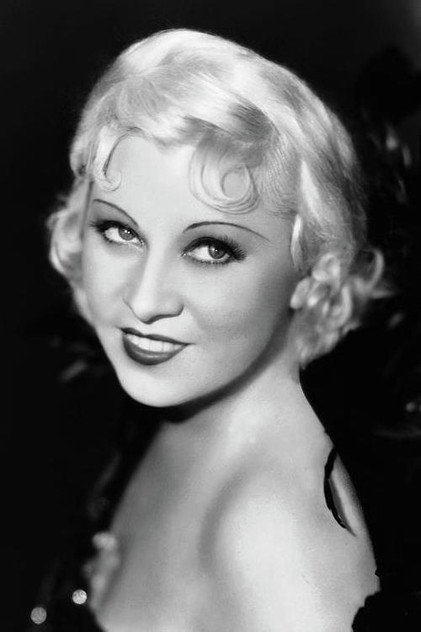
Mae West as Lady Lou
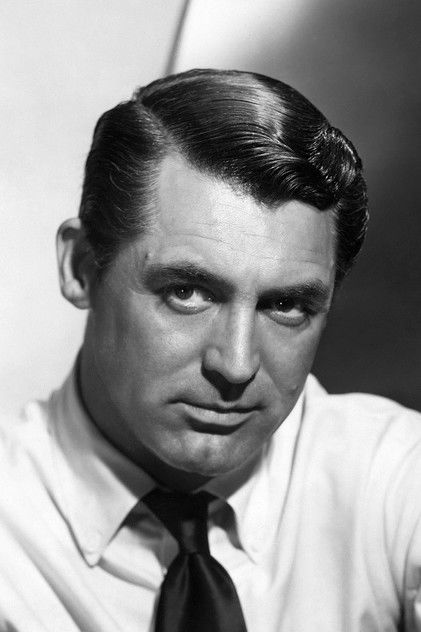
Cary Grant as Captain Cummings
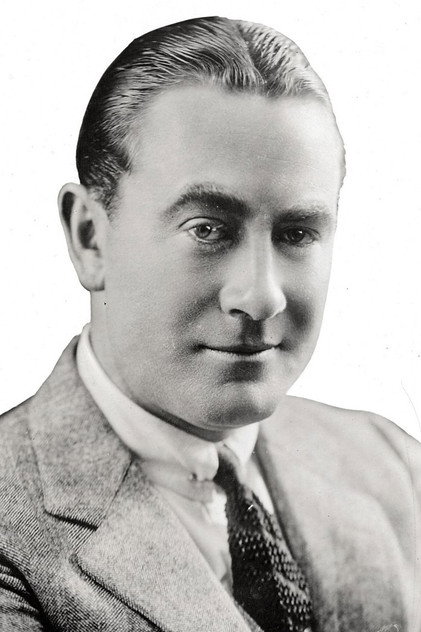
Owen Moore as Chick Clark
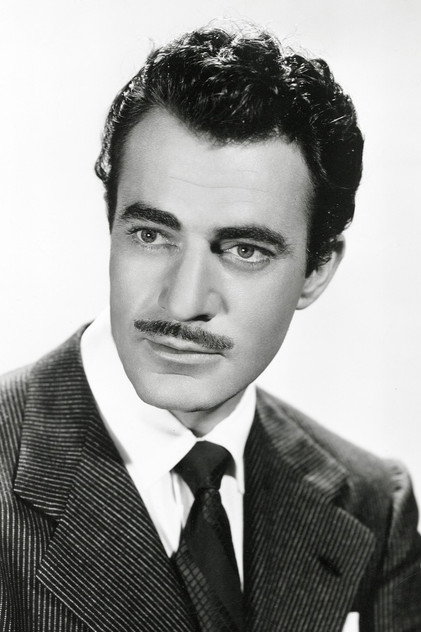
Gilbert Roland as Serge Stanieff
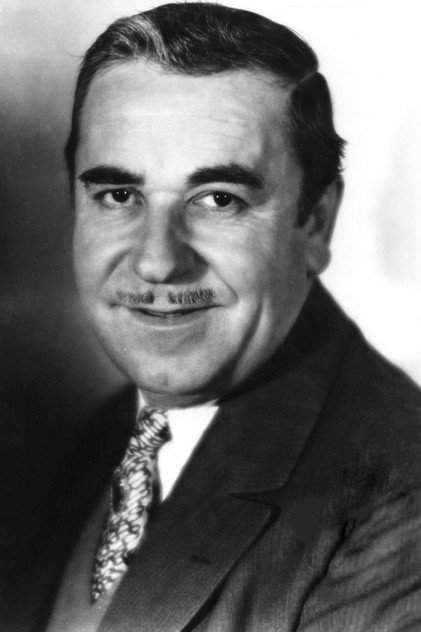
Noah Beery as Gus Jordan
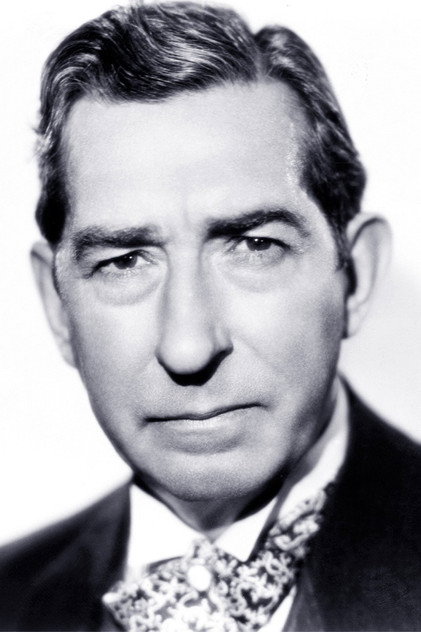
David Landau as Dan Flynn
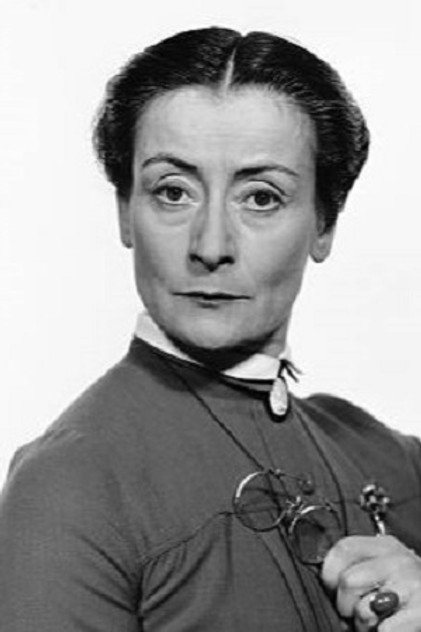
Rafaela Ottiano as Russian Rita
Full billed cast of She Done Him Wrong (1933).
Players in billing order, with the characters they play.
- Mae Westas Lady Lou
- Cary Grantas Captain Cummings
- Owen Mooreas Chick Clark
- Gilbert Rolandas Serge Stanieff
- Noah Beeryas Gus Jordan
- David Landauas Dan Flynn
- Rafaela Ottianoas Russian Rita
- Dewey Robinsonas Spider Kane
- Rochelle Hudsonas Sally
- Tammany Youngas Chuck Connors
- Fuzzy Knightas Rag Time Kelly
- Grace La Rueas Frances
- Robert Homansas Doheney
- Louise Beaversas Pearl
- Ernie Adamsas Man in Audience (uncredited)
- Billy Bletcheras Singing Waiter (uncredited)
- Wade Boteleras Dan's Pal (uncredited)
- Jack Carras Patron Who Hits His Girl (uncredited)
- Heinie Conklinas Street Cleaner (uncredited)
- Mike Donlinas Tout (uncredited)
- James Eaglesas Pete (uncredited)
- Fern Emmettas Woman in Conversation (uncredited)
- Harold Entwistleas Minor Role (uncredited)
- Mary Gordonas Cleaning Lady (uncredited)
- Aggie Herringas Mrs. Flaherty (uncredited)
- Al Hillas Barfly (uncredited)
- Arthur Housmanas Hungry Barfly (uncredited)
- Tom Kennedyas Big Bill - Bartender (uncredited)
- Lee Kohlmaras Jacobson (uncredited)
- Michael Markas Janitor (uncredited)
- Tom McGuireas Mike - Lou's Coachman (uncredited)
- Frank Millsas Barfly (uncredited)
- Frank Moranas Framed Convict (uncredited)
- Lee Phelpsas Waiter -Singer (uncredited)
- Fred Santleyas The Tenor (uncredited)
- Billy B. Vanas Pianist (uncredited)
- Ellinor Vanderveeras Well-Wisher in Audience (uncredited)
- Harry Wallaceas Steak McGarry (uncredited)
- Harry Warrenas Waiter (uncredited)
- Leo Whiteas Pedestrian Tipping Hat to Lou (uncredited)
Crew.
- Art DirectionRobert Usher
- Costume DesignEdith Head
- DirectorLowell Sherman
- Director of PhotographyCharles Lang
- EditorAlexander Hall
- Original Music ComposerJohn Leipold
- ScreenplayJohn Bright
- ScreenplayHarvey F. Thew
- WriterMae West
Quotations from She Done Him Wrong
The Quotebook →“Haven’t you ever met a man that could make you happy?”
Captain Cummings · 1933VerifiedScreen dialogue, spoken by Captain Cummings in She Done Him Wrong (1933).
“I’m sorry you think more of your diamonds than you do of your soul.”
Captain Cummings · 1933VerifiedScreen dialogue, spoken by Captain Cummings in She Done Him Wrong (1933).
“Well, surely you don’t mind my holding your hand?”
Captain Cummings · 1933VerifiedScreen dialogue, spoken by Captain Cummings in She Done Him Wrong (1933).
A quiet dispatch,
once a month.
One considered essay in your inbox each month. No promotions, no algorithms, no forwarding. Unsubscribe with a single click.
Other studies.
Cary Grant and Deborah Kerr headline an elegant romantic comedy exploring whether the perfect partner exists—or whether perfection itself is an illusion.
A thoughtful wartime satire blending romance, comedy, and commentary on celebrity culture.
Cary Grant and Audrey Hepburn create one of cinema's most elegant romantic mysteries—a thrilling game of deception, danger, and unexpected love.