Indiscreet
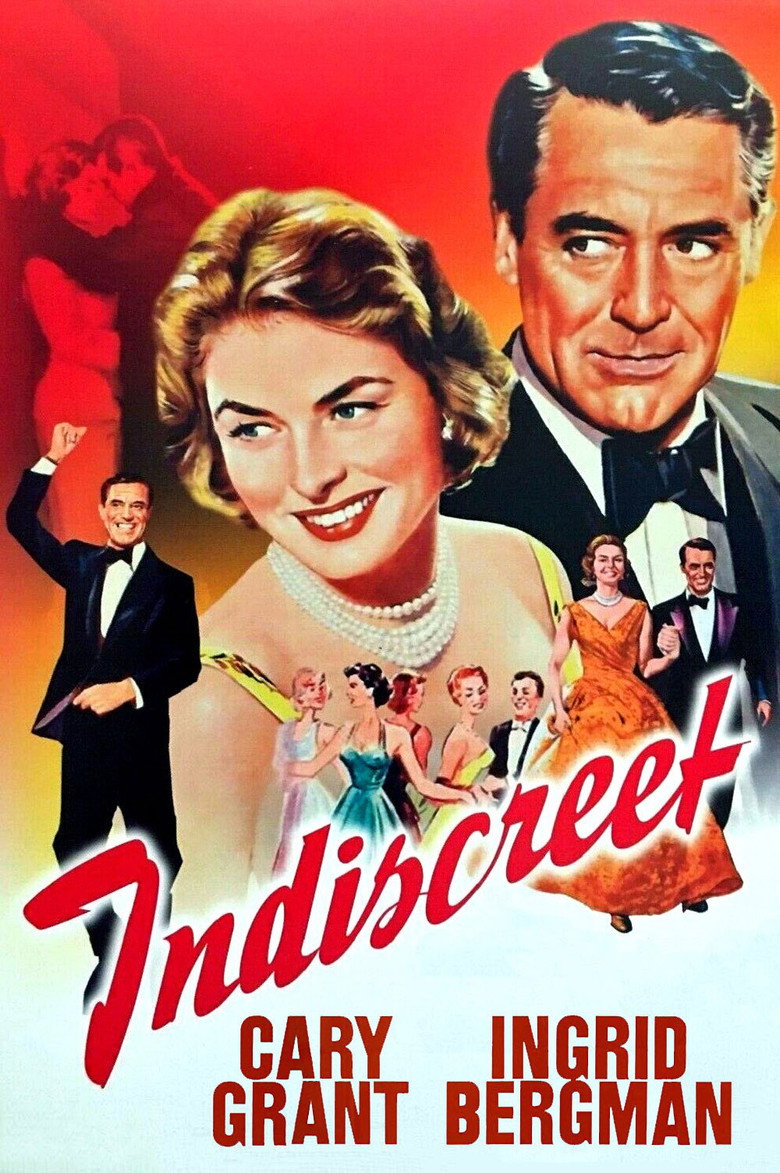
Cary Grant and Ingrid Bergman reunite in one of Hollywood's finest sophisticated romantic comedies, exploring love, trust, deception, and commitment.
Editorial ratings
- Cary Grant
- Story
- Direction
- Cinematography
- Entertainment
- Historical importance
Anna Kalman is an accomplished actress who has given up hope of finding the man of her dreams. While talking about this subject with her sister, in walks Philip Adams and she realizes that this is the charming, smart, and handsome man she has been waiting for.
Cary Grant plays Philip Adams, under the direction of Stanley Donen, released in 1958.
Featured quote
“Women are not the sensitive sex. That’s one of the grand delusions of literature. Men are the true romanticists.”
Cary Grant as Philip Adams — Philip Adams lectures Anna Kalman on love.
Introduction
Anna Kalman falls for economist Philip Adams, unaware that his claim of being married is an elaborate fiction.
The Story
A romance built on deception evolves into a playful battle of wits before honesty ultimately prevails.
Production & Behind the Scenes
Second Grant–Stanley Donen collaboration; adapted from Norman Krasna's Kind Sir; famous 'drunken telephone' sequence.
Cary Grant's Performance
One of Grant's defining mature performances, balancing charm, vulnerability, and impeccable comic timing.
Stanley Donen's Direction & Themes
Explores commitment, honesty, emotional vulnerability, and sophisticated adult relationships.
Historical Context
Reflects changing attitudes toward romance, independent filmmaking, and postwar London.
Legacy & Influence
Widely regarded as one of the finest romantic comedies of the 1950s and a cornerstone of Grant's later career.
Gallery
Production & release
1953
Kind Sir premieres
Norman Krasna's play opens on Broadway.
1957
Rights acquired
Production begins under Grandon Productions.
Early 1958
Principal photography
Filming in London.
June–July 1958
Film released
Warner Bros. distributes internationally.
Today
Enduring classic
Recognized as one of the great sophisticated comedies.
Collaborators.
Ingrid Bergman began her acting career in Sweden in the 1930s before Hollywood producer David O. Selznick brought her to the United States in 1939 to remake her Swedish hit "Intermezzo." She became one of the era's most acclaimed leading women, working in English, Swedish, and Italian across a career spanning more than five decades, and won three competitive Academy Awards, a rare feat matched by few actors of any era. Her international stardom was interrupted in the late 1940s by a public scandal when she left her husband for the Italian director Roberto Rossellini while still married, a relationship condemned on the floor of the United States Senate; she worked mainly in Europe with Rossellini through the following years before an American comeback sealed by her second Best Actress Oscar for "Anastasia" (1956). Bergman starred opposite Cary Grant twice for Alfred Hitchcock, in "Notorious" (1946), a wartime espionage thriller opposite Grant and Claude Rains, and again in the lighter romantic comedy "Indiscreet" (1958), after both her exile and comeback. She continued working until shortly before her death in 1982, winning her third Academy Award, for Best Supporting Actress, for "Murder on the Orient Express" (1974).
Stanley Donen was born in Columbia, South Carolina, in 1924 and co-directed Singin' in the Rain (1952) with Gene Kelly at the age of twenty-seven, a film now widely regarded as the finest example of the Hollywood musical. He spent much of the rest of his career demonstrating that his gifts extended well beyond the musical form, moving into stylish, cosmopolitan comedies and thrillers through the 1950s and 1960s. Donen directed Grant in four films, more than any director besides Alfred Hitchcock: the naval comedy Kiss Them for Me (1957); Indiscreet (1958), opposite Ingrid Bergman; The Grass Is Greener (1960), opposite Deborah Kerr; and Charade (1963), opposite Audrey Hepburn. Charade, made when Grant was fifty-nine, is often cited as the finest performance of his late career; Donen and screenwriter Peter Stone built the film explicitly around Grant's own reluctance to play a conventional romance with a much younger co-star, writing his discomfort with the age gap directly into the dialogue rather than concealing it. Donen's other landmark work includes On the Town (1949), also co-directed with Kelly, Funny Face (1957) with Audrey Hepburn and Fred Astaire, and Two for the Road (1967), a nonlinear marriage drama that marked a further departure from musical comedy into something cooler and more melancholic. He received an Honorary Academy Award in 1998, having never won a competitive Oscar for directing, and died in New York in 2019. Charade remains so tonally close to a Hitchcock thriller that it is routinely described as the best film Hitchcock never made.
Cast.
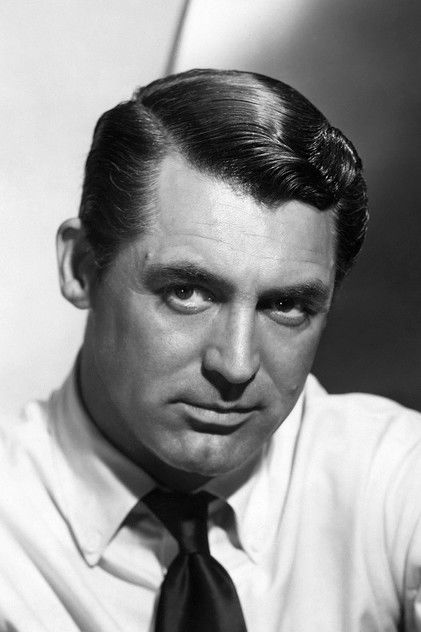
Cary Grant as Philip Adams
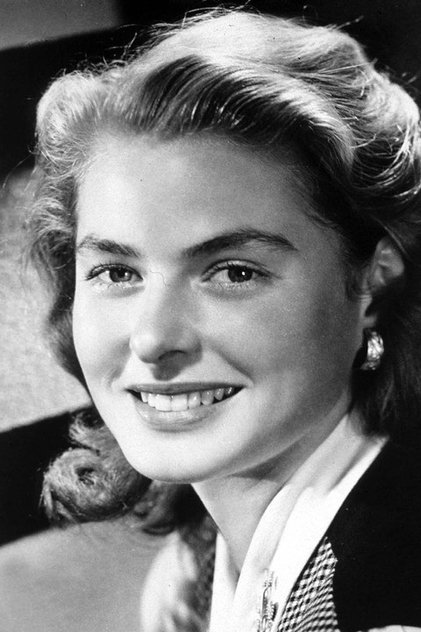
Ingrid Bergman as Anna Kalman
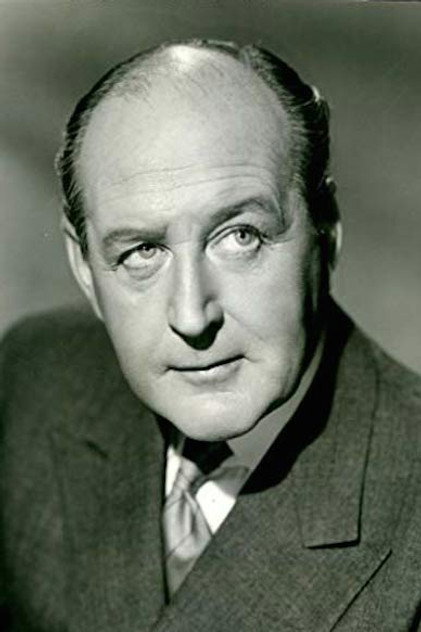
Cecil Parker as Alfred Munson
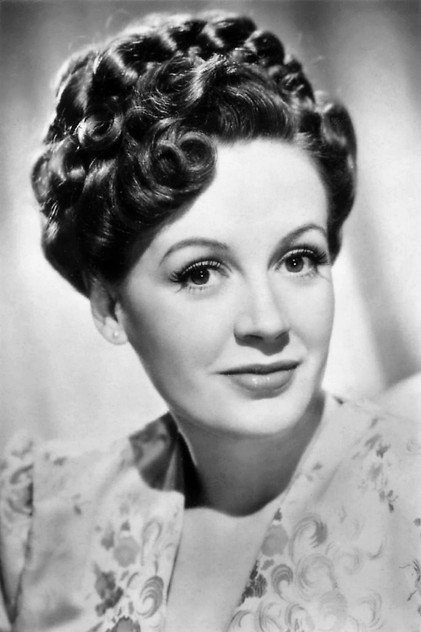
Phyllis Calvert as Mrs. Margaret Munson
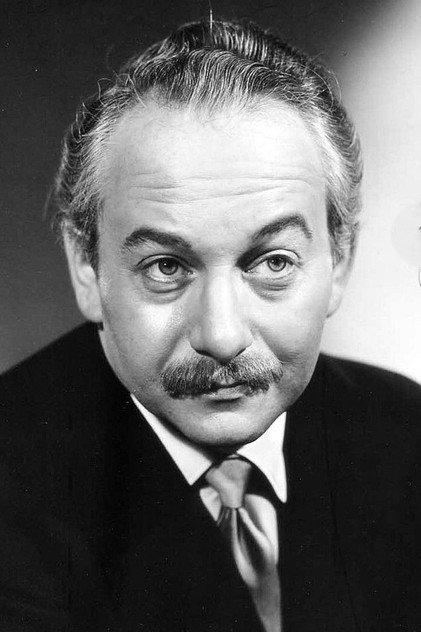
David Kossoff as Carl Banks
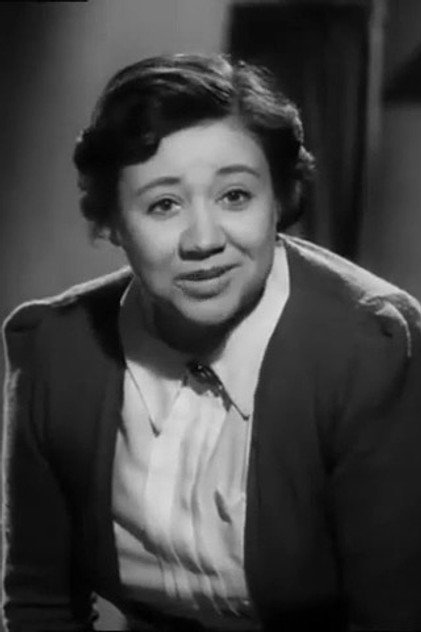
Megs Jenkins as Doris Banks
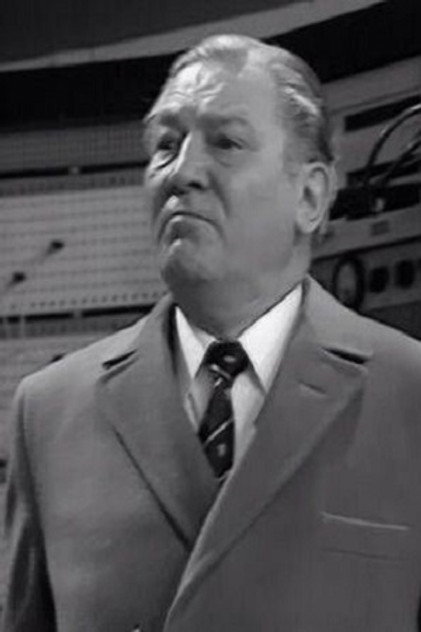
Martin Boddey as Albert
Full billed cast of Indiscreet (1958).
Players in billing order, with the characters they play.
- Cary Grantas Philip Adams
- Ingrid Bergmanas Anna Kalman
- Cecil Parkeras Alfred Munson
- Phyllis Calvertas Mrs. Margaret Munson
- David Kossoffas Carl Banks
- Megs Jenkinsas Doris Banks
- Michael Anthonyas Oscar
- David Cooteas Charles
- Martin Boddeyas Albert
- Robert Desmondas Young Man (uncredited)
- Oliver Johnstonas Finleigh
- Middleton Woodsas Finleigh's clerk
- Eric Francisas Lift operator
- Richard Vernonas Leading man in play
Crew.
- Art DirectionDonald M. Ashton
- DirectorStanley Donen
- Director of PhotographyFreddie Young
- EditorJack Harris
- Original Music ComposerKen Jones
- Original Music ComposerRichard Rodney Bennett
- ProducerSydney Streeter
- ProducerStanley Donen
- ScreenplayNorman Krasna
A quiet dispatch,
once a month.
One considered essay in your inbox each month. No promotions, no algorithms, no forwarding. Unsubscribe with a single click.
Other studies.
Cary Grant and Deborah Kerr headline an elegant romantic comedy exploring whether the perfect partner exists—or whether perfection itself is an illusion.
A thoughtful wartime satire blending romance, comedy, and commentary on celebrity culture.
Cary Grant and Audrey Hepburn create one of cinema's most elegant romantic mysteries—a thrilling game of deception, danger, and unexpected love.