None But the Lonely Heart
Cary Grant abandons elegance and comedy to deliver one of the most deeply emotional performances of his career—a story of family, regret, and redemption.
Editorial ratings
- Cary Grant
- Story
- Direction
- Cinematography
- Entertainment
- Historical importance
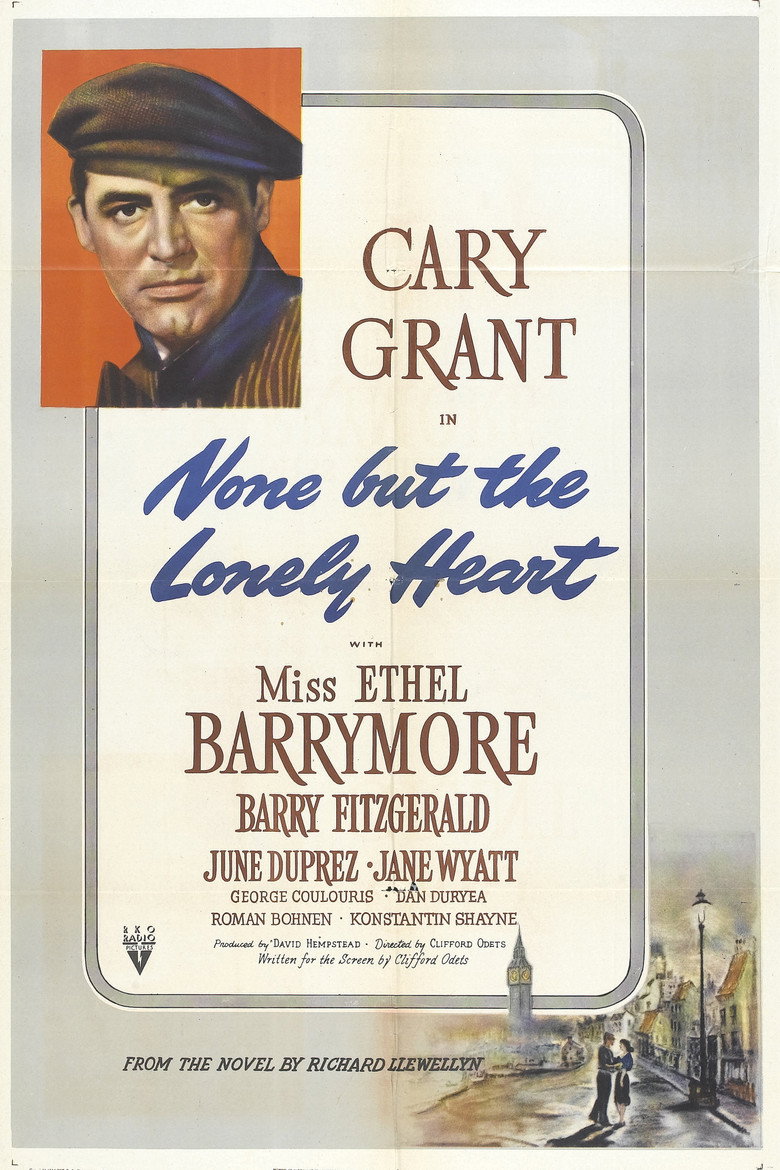
When an itinerant reluctantly returns home to help his sickly mother run her shop, they're both tempted to turn to crime to help make ends meet.
Cary Grant plays Ernie Mott, under the direction of Clifford Odets, released in 1944.
Featured quote
“I’m so broke I’m in two halves.”
Ernie Mott — Ernie Mott, a restless drifter in London's East End, laments his poverty.
Introduction
Released in 1944, the film challenged Cary Grant to abandon his familiar sophistication and portray a troubled young man searching for purpose and redemption.
The Story
Ernie Mott returns home and confronts poverty, family responsibility, and his complicated relationship with his mother, Ma Mott.
Production & Behind the Scenes
Directed by playwright Clifford Odets, the film emphasized character psychology, social realities, and emotional conflict.
Cary Grant's Performance
Grant removes the protective layer of charm and sophistication, creating a vulnerable portrait of a man struggling to find direction and meaning.
Direction & Themes
Clifford Odets explores redemption, family responsibility, class, identity, and personal growth.
Historical Context
Released near the end of World War II, the film reflected contemporary concerns about rebuilding lives, responsibility, and finding purpose.
Legacy & Influence
The film helped establish Cary Grant as a serious dramatic actor and remains one of the clearest examples of his emotional range.
Gallery
Production & release
1937
The Awful Truth establishes Grant as a star.
1941
Suspicion and Penny Serenade expand his range.
1943
Destination Tokyo and Mr. Lucky continue his dramatic evolution.
1944
None But the Lonely Heart released; Grant receives Best Actor nomination and Barrymore wins Supporting Actress.
Cast.
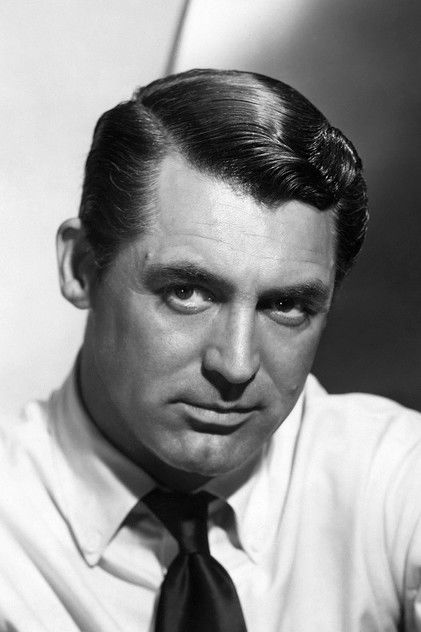
Cary Grant as Ernie Mott
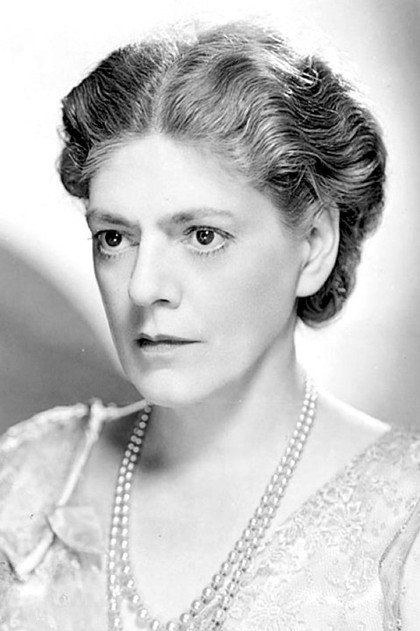
Ethel Barrymore as Ma Mott
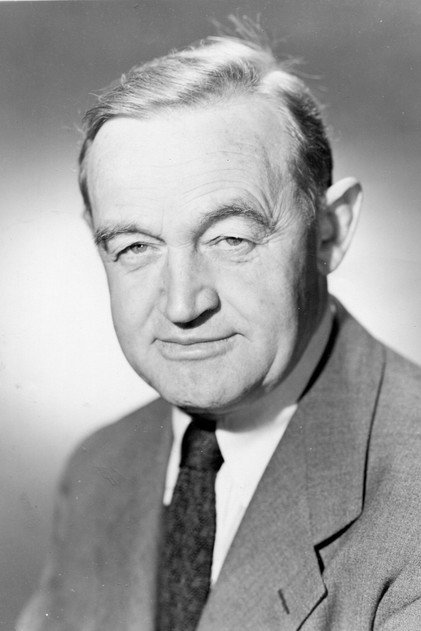
Barry Fitzgerald as Henry Twite
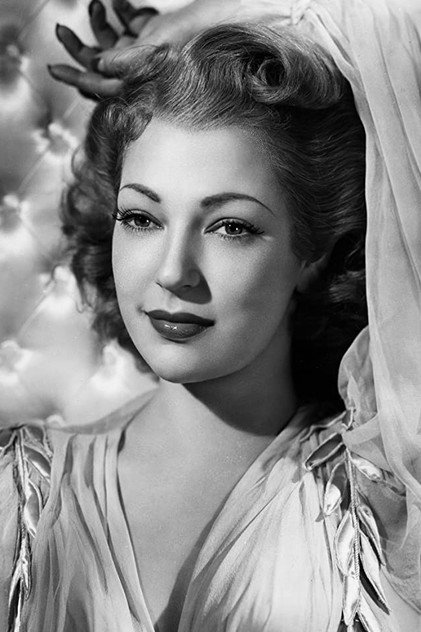
June Duprez as Ada Brantline
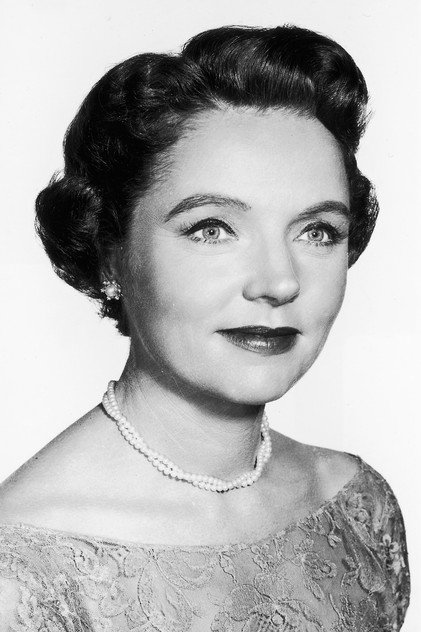
Jane Wyatt as Aggie Hunter
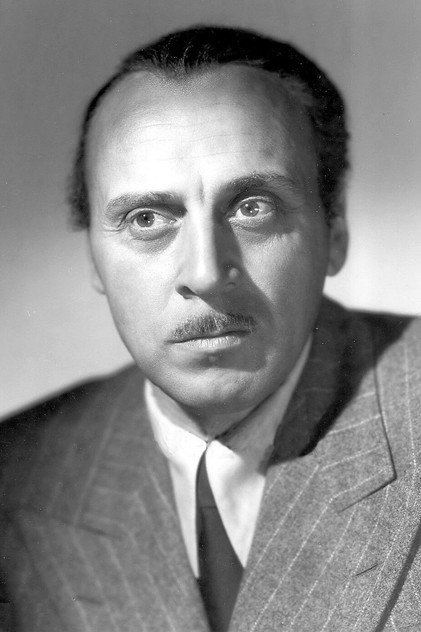
George Coulouris as Jim Mordinoy
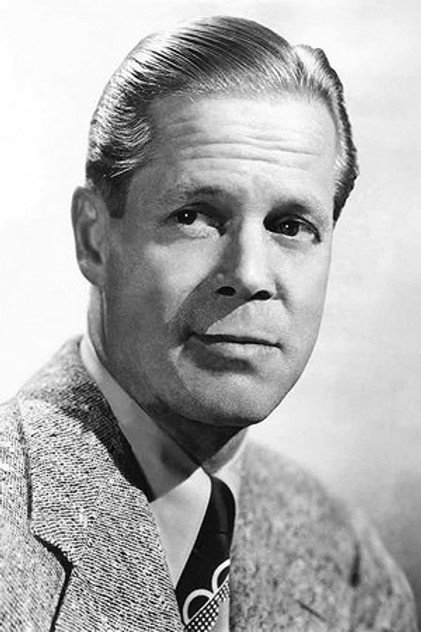
Dan Duryea as Lew Tate
Full billed cast of None But the Lonely Heart (1944).
Players in billing order, with the characters they play.
- Cary Grantas Ernie Mott
- Ethel Barrymoreas Ma Mott
- Barry Fitzgeraldas Henry Twite
- June Duprezas Ada Brantline
- Jane Wyattas Aggie Hunter
- George Coulourisas Jim Mordinoy
- Dan Duryeaas Lew Tate
- Roman Bohnenas Dad Pettyjohn
- Konstantin Shayneas Ike Weber
- Colin Kennyas Policeman Outside (uncredited)
Crew.
- Art DirectionAlbert S. D'Agostino
- Art DirectionJack Okey
- Costume DesignRenié
- DirectorClifford Odets
- Director of PhotographyGeorge Barnes
- EditorRoland Gross
- ProducerDavid Hempstead
- Production DesignMordecai Gorelik
- WriterClifford Odets
A quiet dispatch,
once a month.
One considered essay in your inbox each month. No promotions, no algorithms, no forwarding. Unsubscribe with a single click.
Other studies.
Cary Grant and Deborah Kerr headline an elegant romantic comedy exploring whether the perfect partner exists—or whether perfection itself is an illusion.
A thoughtful wartime satire blending romance, comedy, and commentary on celebrity culture.
Cary Grant and Audrey Hepburn create one of cinema's most elegant romantic mysteries—a thrilling game of deception, danger, and unexpected love.