Operation Petticoat
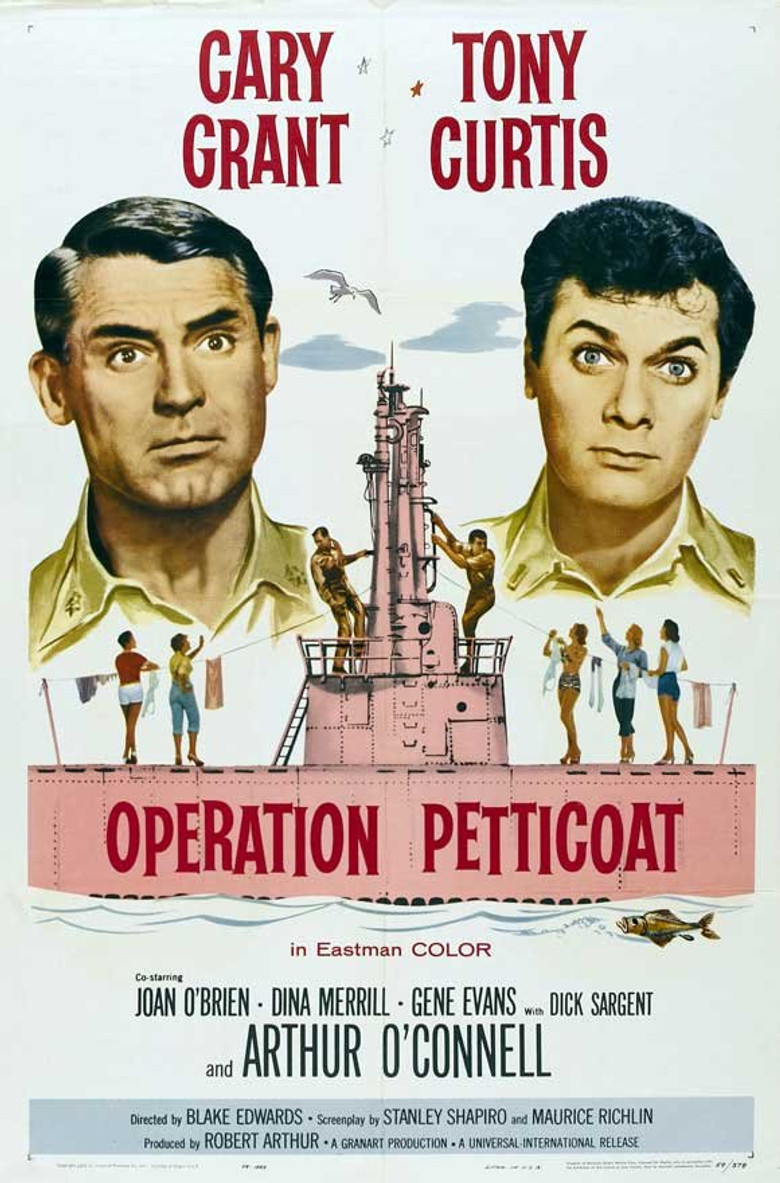
Cary Grant commands the unforgettable USS Sea Tiger—a damaged submarine that becomes legendary after being painted pink.
Editorial ratings
- Cary Grant
- Story
- Direction
- Cinematography
- Entertainment
- Historical importance
A World War II submarine commander finds himself stuck with a damaged sub, a con-man executive officer, and a group of army nurses.
Cary Grant plays Lieutenant Commander Matt Sherman, under the direction of Blake Edwards, released in 1959.
Featured quote
“We may be pink, and coming in by the grace of a woman’s brassiere, but we’re coming in!”
Cary Grant as Lt. Cmdr. Matt T. Sherman — Sherman brings his pink submarine home.
Introduction
Matt Sherman struggles to restore the USS Sea Tiger after Pearl Harbor while dealing with shortages, bureaucracy, and unexpected passengers.
The Story
The crew survives impossible situations through ingenuity, teamwork, and the unforgettable pink submarine.
Production & Behind the Scenes
Produced through Grant's Granart Company. Inspired by real wartime anecdotes. Marked Blake Edwards' breakthrough as a comedy director.
Cary Grant's Performance
Grant anchors the film with calm authority, allowing the comedy to emerge naturally through sincerity and impeccable timing.
Blake Edwards' Direction & Themes
Explores leadership, adaptability, teamwork, bureaucracy, and resourcefulness through escalating ensemble comedy.
Historical Context
Released just fourteen years after WWII, the film respectfully celebrates the ingenuity of those who served.
Legacy & Influence
A defining military comedy that influenced later ensemble comedies and showcased Cary Grant's mature screen persona.
Gallery
Production & release
1941
Pearl Harbor backdrop
The historical setting of the film's narrative.
1958
Production begins
Granart Company launches the project.
1959
Photography completed
Principal photography wraps.
December 1959
Film released
Universal releases the film to major box-office success.
1960
Academy nomination
Nominated for Best Original Screenplay.
Today
Classic status
Regarded as a classic military comedy.
Collaborators.
Blake Edwards was born William Blake Crump on 26 July 1922 in Tulsa, Oklahoma, into a family with roots in the film industry through his stepfather's side. He began in Hollywood as a bit-part actor in the 1940s before moving into writing, contributing radio scripts and screenplays, and then into television, where he created the series Peter Gunn (1958) and Mr. Lucky. His feature directing career opened with comedies and light dramas before Breakfast at Tiffany's (1961), starring Audrey Hepburn, established him as a major director able to mix romance, comedy and melancholy. He followed it with the far darker Days of Wine and Roses (1962), a study of alcoholism, demonstrating a range beyond the comic reputation he would later be known for. In 1963 he introduced Inspector Clouseau in The Pink Panther, launching a franchise with Peter Sellers that became the commercial backbone of his career across several sequels into the 1970s and 1980s. Edwards married the actress Julie Andrews in 1969, and the two frequently worked together, notably on 10 (1979), which made a star of Bo Derek, and Victor/Victoria (1982), for which Edwards received an Academy Award nomination for his screenplay. His career had highs and public failures alike, including expensive flops that damaged his standing with studios in the 1970s, but he continued directing into the 1990s. He received an Honorary Academy Award in 2004 for his body of work. Edwards died in Santa Monica, California, on 15 December 2010, aged eighty-eight, of complications from pneumonia.
Tony Curtis was born Bernard Schwartz in the Bronx in 1925 to Hungarian immigrant parents, and was open throughout his life about having consciously built his public persona from nothing — a self-transformation he credited explicitly to watching Cary Grant, whose own reinvention from working-class Bristol he cited as a direct model. Curtis co-starred with Grant in Blake Edwards's naval comedy Operation Petticoat (1959), playing a fast-talking junior officer opposite Grant's submarine commander. That same year, Curtis delivered the most famous celebrity impersonation ever committed to film: his performance in Billy Wilder's Some Like It Hot (1959), in which his character adopts a mock-wealthy suitor persona modeled directly on Grant's voice and manner. Grant's reported response, relayed in multiple later interviews, was that he did not actually talk like that — a remark that has become one of the most quoted lines in Grant's own biography, even though he never denied Curtis's admiration. Curtis's other major credits bracket that period: Sweet Smell of Success (1957), playing a venal press agent opposite Burt Lancaster; The Defiant Ones (1958), which brought him an Academy Award nomination for Best Actor; and Spartacus (1960), in Stanley Kubrick's epic. Across these roles Curtis moved between light comedy and serious drama more successfully than most of his contract-era contemporaries. He continued acting into the 2000s and died in Las Vegas in 2010, having spent much of his later career discussing, with evident affection, the debt his own screen persona owed to Grant's example.
Cast.
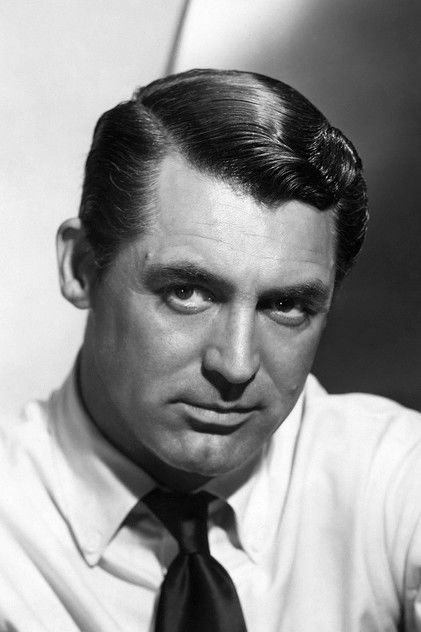
Cary Grant as Lieutenant Commander Matt Sherman
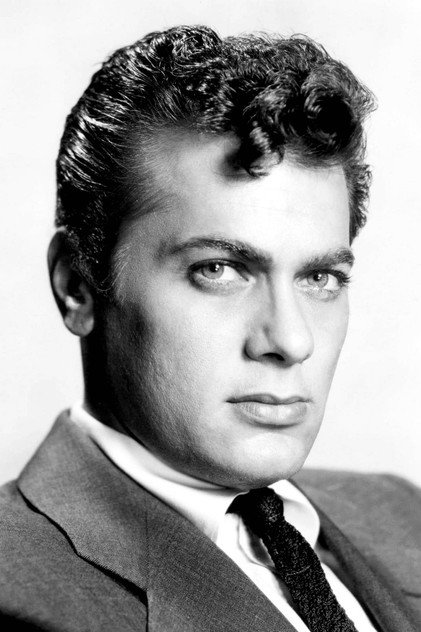
Tony Curtis as Lieutenant Nicholas Holden
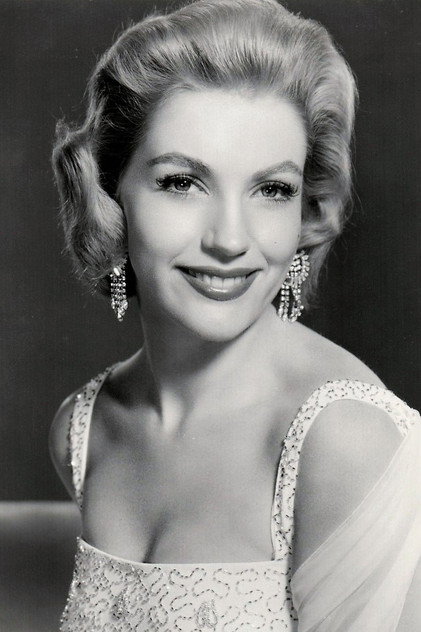
Joan O'Brien as 2nd Lieutenant Dolores Crandall
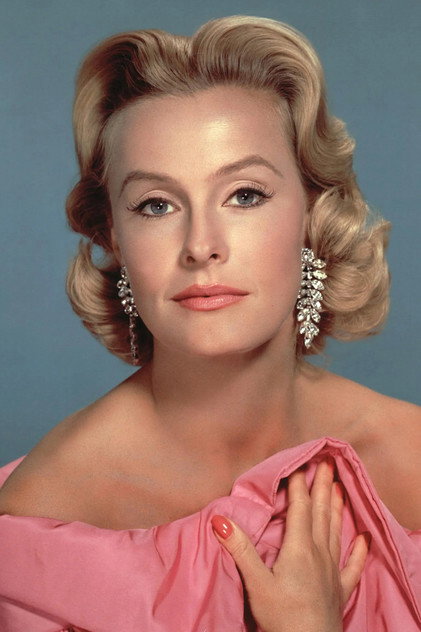
Dina Merrill as 2nd Lieutenant Barbara Duran
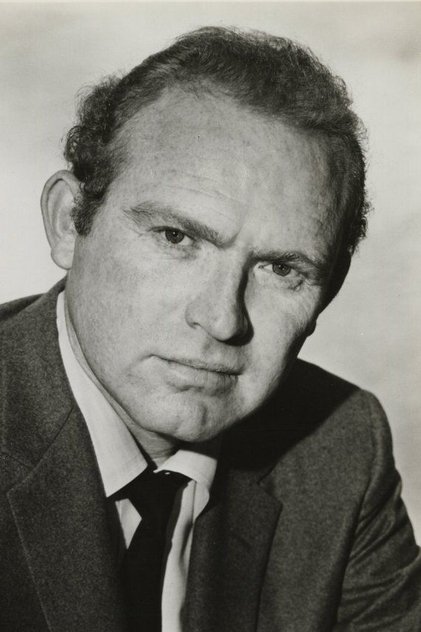
Gene Evans as Chief Molumphry
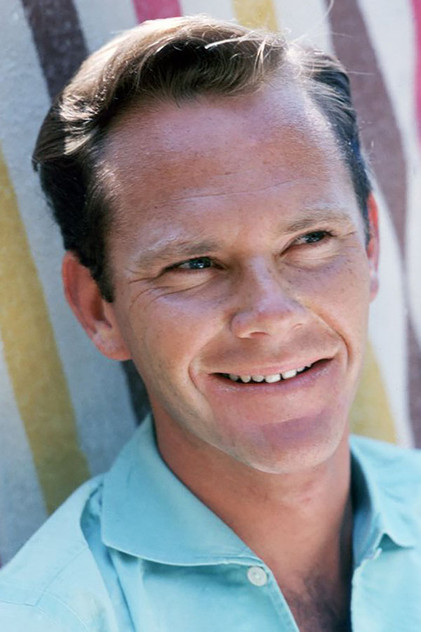
Dick Sargent as Ensign Stovall (as Richard Sargent)
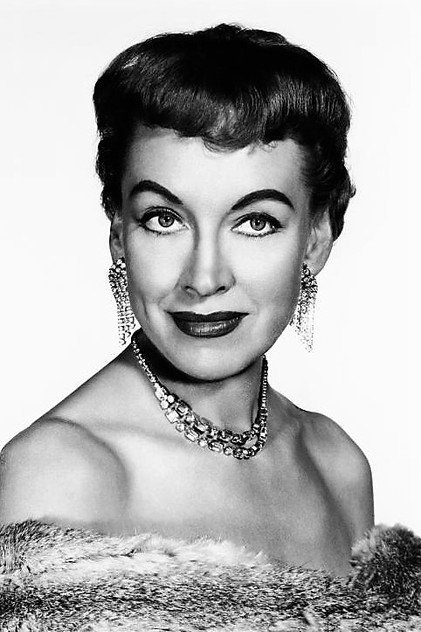
Virginia Gregg as Major Edna Heywood
Full billed cast of Operation Petticoat (1959).
Players in billing order, with the characters they play.
- Cary Grantas Lieutenant Commander Matt Sherman
- Tony Curtisas Lieutenant Nicholas Holden
- Joan O'Brienas 2nd Lieutenant Dolores Crandall
- Dina Merrillas 2nd Lieutenant Barbara Duran
- Gene Evansas Chief Molumphry
- Dick Sargentas Ensign Stovall (as Richard Sargent)
- Virginia Greggas Major Edna Heywood
- Robert F. Simonas Captain J.B. Henderson
- Robert Gistas Lieutenant Watson
- Gavin MacLeodas Yeoman Ernest Hunkle
- George Dunnas Prophet
- Dick Crockettas Petty Officer Harmon
- Madlyn Rhueas 2nd Lieutenant Reid
- Marion Rossas 2nd Lieutenant Colfax
- Clarence Lungas Sergeant Ramon Gillardo
- Frankie Darroas Pharmacist's Mate 3rd Class Dooley
- Tony Pastor Jr.as Fox
- Robert F. Hoyas Reiner
- Nicky Blairas Seaman Kraus
- John W. Morleyas Williams
- Arthur O'Connellas Chief Motor Machinist's Mate Sam Tostin
- Hal Bayloras Military Police Sergeant (uncredited)
- William Bryantas Crewman (uncredited)
- Bert Byersas Bowman (uncredited)
- Dick Callinanas Lieutenant Morrison (uncredited)
- Gordon Casellas Colonel Higginson (uncredited)
- Malcolm Cassellas Sailor (uncredited)
- H. Haile Chaceas Soldier (uncredited)
- Tony Corradoas Fireman Lye (uncredited)
- Dale Cummingsas Military Policeman (uncredited)
- Francis De Salesas Captain Kress (uncredited)
- Vince Deadrick Sr.as (uncredited)
- Alan Dexteras Navy Chief (uncredited)
- Tusi Faiivaeas Witch Doctor (uncredited)
- Paul Freesas Colonel in Jeep on Cebu (voice) (uncredited)
- Bob Gibsonas Seaman (uncredited)
- Larry Gillilandas Sailor (uncredited)
- Preston Hansonas Simpson (uncredited)
- Fred Harflinger IIas Sailor (uncredited)
- Harry Harvey Jr.as Soldier (uncredited)
Crew.
- Art DirectionRobert Emmet Smith
- Art DirectionAlexander Golitzen
- Costume DesignBill Thomas
- DirectorBlake Edwards
- Director of PhotographyRussell Harlan
- EditorTed J. Kent
- EditorFrank Gross
- ProducerRobert Arthur
- ScreenplayMaurice Richlin
- ScreenplayStanley Shapiro
- StoryPaul King
- StoryJoseph Stone
Quotations from Operation Petticoat
The Quotebook →A quiet dispatch,
once a month.
One considered essay in your inbox each month. No promotions, no algorithms, no forwarding. Unsubscribe with a single click.
Other studies.
Cary Grant and Deborah Kerr headline an elegant romantic comedy exploring whether the perfect partner exists—or whether perfection itself is an illusion.
A thoughtful wartime satire blending romance, comedy, and commentary on celebrity culture.
Cary Grant and Audrey Hepburn create one of cinema's most elegant romantic mysteries—a thrilling game of deception, danger, and unexpected love.