That Touch of Mink
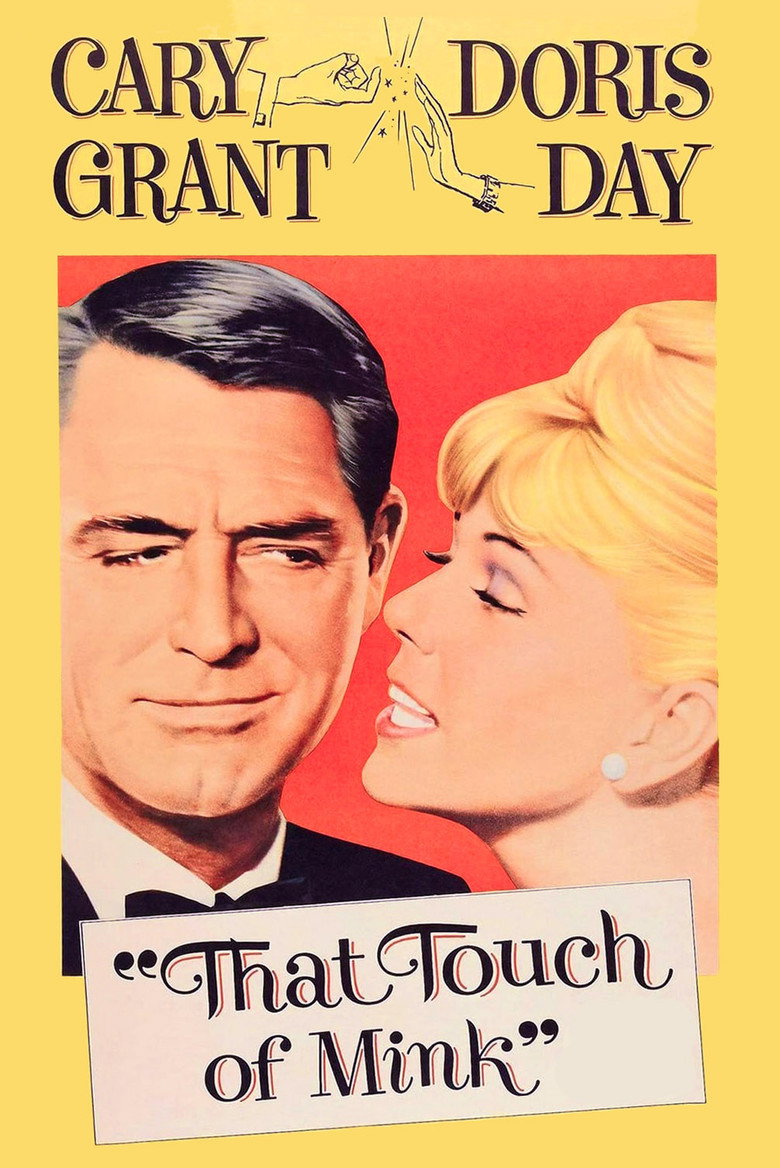
Cary Grant and Doris Day headline one of Hollywood's last great sophisticated romantic comedies.
Editorial ratings
- Cary Grant
- Story
- Direction
- Cinematography
- Entertainment
- Historical importance
Cathy Timberlake is en route to a job interview when a car transporting businessman Philip Shayne covers her in mud. He sends his assistant, Roger, to apologize, but upon meeting Cathy, Roger knows that she would be a suitable match for his boss. Despite their mutual attraction, Cathy and Philip want different things. Philip wants a fling, while Cathy wants a marriage. As they travel to exotic locales, their differing motivations are put to the test.
Cary Grant plays Philip Shayne, under the direction of Delbert Mann, released in 1962.
Featured quote
“Philip Shayne showcases Cary Grant's mature sophistication, impeccable comic timing, and enduring romantic appeal.”
Introduction
Grant's mature screen persona meets Doris Day's warmth in a romantic comedy exploring changing social values.
The Story
Millionaire Philip Shayne courts Cathy Timberlake, learning that love cannot be won through wealth alone.
Production & Behind the Scenes
Directed by Delbert Mann, filmed in New York with elegant production design and Academy Award-nominated craftsmanship.
Cary Grant's Performance
Grant delivers one of his finest late-career romantic comedy performances as Philip Shayne.
Delbert Mann's Direction & Themes
Themes include love versus convenience, integrity, commitment, and emotional maturity.
Historical Context
A snapshot of America on the eve of sweeping cultural change and one of the final classic studio-era romantic comedies.
Legacy & Influence
An enduring favorite and one of Cary Grant's biggest commercial successes.
Gallery
Production & release
Early 1962
Principal photography.
June 1962
Film released.
Late 1962
Major box-office success.
1963
Three Academy Award nominations.
Today
Recognized as a classic romantic comedy.
Collaborators.
Delbert Martin Mann Jr. was born in Lawrence, Kansas, on 30 January 1920, and grew up largely in Nashville, Tennessee. After service as a bomber pilot in the Second World War, he studied at Vanderbilt University and the Yale School of Drama before joining the ranks of directors working in live television drama during its 1950s golden age, directing extensively for NBC's Philco Television Playhouse and Goodyear Television Playhouse. His defining early work was directing the 1953 television broadcast of Paddy Chayefsky's Marty, a spare, unglamorous story of a lonely Bronx butcher, for the Philco Playhouse. He then directed the 1955 feature film adaptation with Ernest Borgnine in the lead role, and it became an unexpected sensation, winning the Academy Award for Best Picture, the Palme d'Or at Cannes, and earning Mann the Academy Award for Best Director — a rare instance of a filmmaker winning the top directing honor for what was essentially an intimate character study rather than a spectacle. Mann carried the same low-key sensibility into subsequent features, including Separate Tables (1958), the film version of Terence Rattigan's play, and moved fluidly between drama and romantic comedy, directing Lover Come Back (1961) with Doris Day and Rock Hudson before pairing Day with Cary Grant in That Touch of Mink (1962). He continued directing films and extensively for television into the 1980s and served as president of the Directors Guild of America from 1967 to 1971. He died in Los Angeles on 11 November 2007, at eighty-seven.
Doris Mary Anne Kappelhoff was born in Cincinnati, Ohio, on 3 April 1922. An injury from a car accident at age fifteen ended her early ambitions as a dancer, and she turned to singing, adopting the stage surname Day and rising to prominence as a vocalist with bandleader Les Brown's orchestra in the early 1940s, scoring a major hit with "Sentimental Journey" in 1945. She moved into film in 1948 with Romance on the High Seas and quickly became a major star of Warner Bros. musicals through the early 1950s, including Calamity Jane (1953), which produced her signature song "Secret Love." Her range expanded into dramatic and suspense roles, notably as the mother of a kidnapped child in Alfred Hitchcock's The Man Who Knew Too Much (1956), for which she also sang "Que Sera, Sera," later her best-known recording. Her career reached its commercial peak in a run of glossy romantic comedies beginning with Pillow Talk (1959) opposite Rock Hudson, which earned her an Academy Award nomination for Best Actress, and continuing through Lover Come Back (1961) and That Touch of Mink (1962) with Cary Grant. Through the first half of the 1960s she was consistently ranked among the top box-office draws in the country, male or female. She largely withdrew from films after The Ballad of Josie (1968) and moved into television with The Doris Day Show, retiring from acting altogether in the 1970s. She devoted the remainder of her life to animal welfare, founding the Doris Day Animal Foundation and the Doris Day Animal League, and received the Presidential Medal of Freedom in 2004. She died in Carmel Valley, California, on 13 May 2019, at ninety-seven.
Cast.
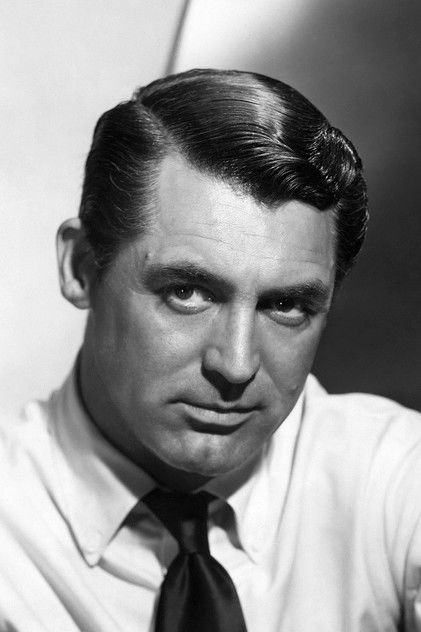
Cary Grant as Philip Shayne
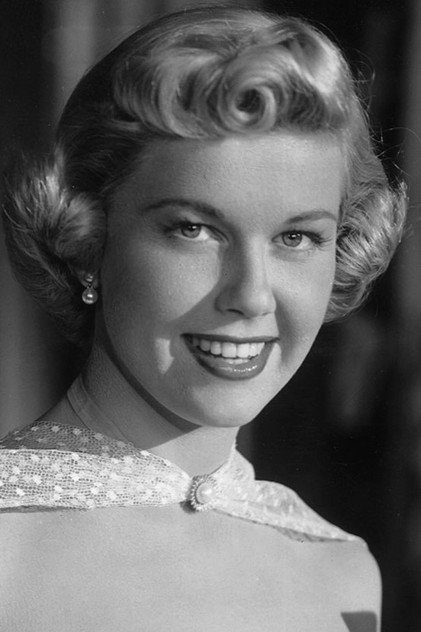
Doris Day as Cathy Timberlake
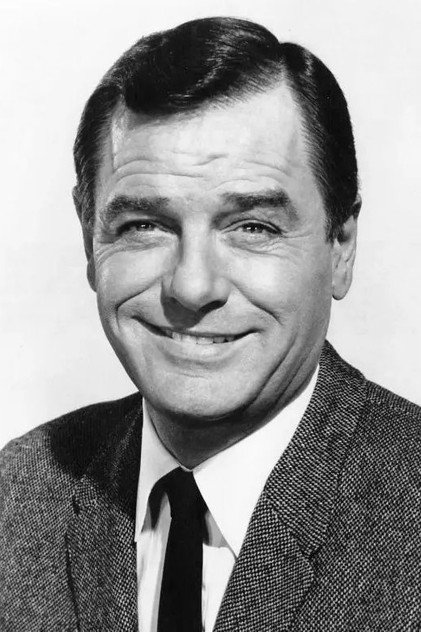
Gig Young as Roger
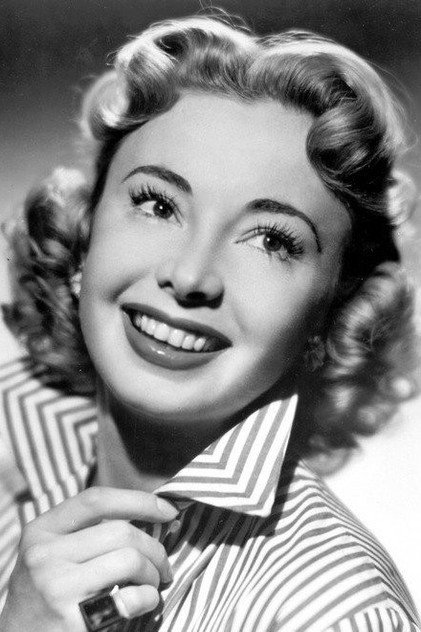
Audrey Meadows as Connie Emerson
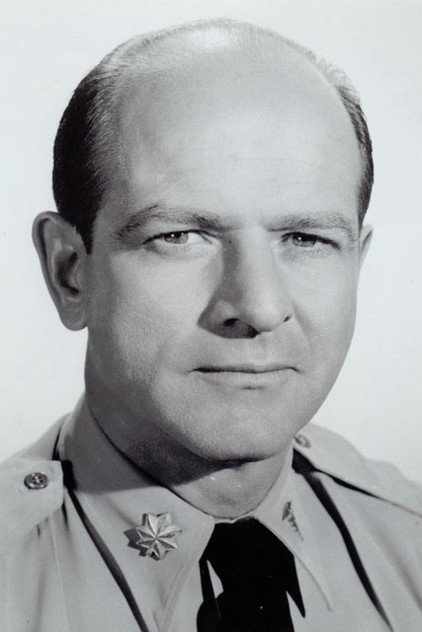
Alan Hewitt as Doctor Gruber
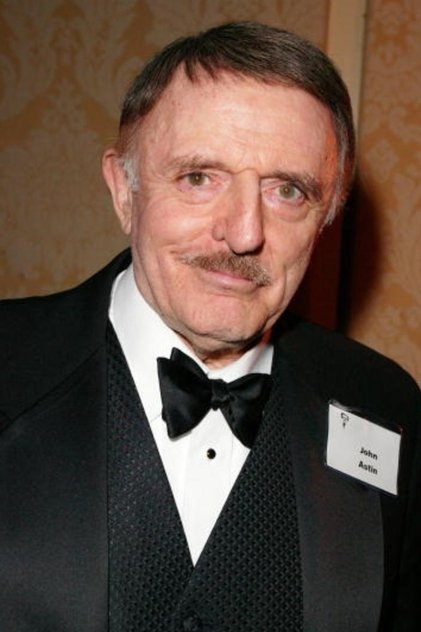
John Astin as Mr. Everett Beasley
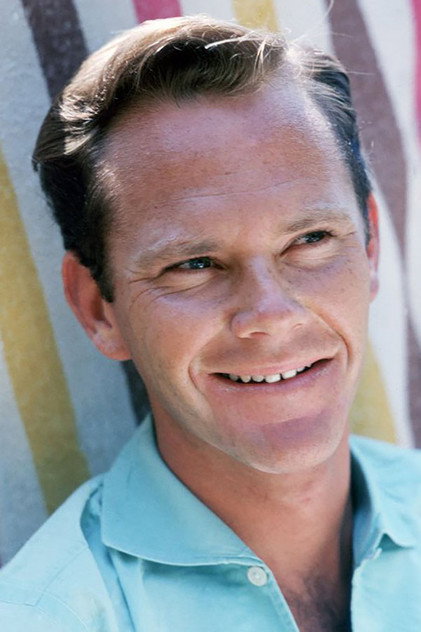
Dick Sargent as Harry Clark
Full billed cast of That Touch of Mink (1962).
Players in billing order, with the characters they play.
- Cary Grantas Philip Shayne
- Doris Dayas Cathy Timberlake
- Gig Youngas Roger
- Audrey Meadowsas Connie Emerson
- Alan Hewittas Doctor Gruber
- John Astinas Mr. Everett Beasley
- Dick Sargentas Harry Clark
- Jan Burrellas Miss Jones
- Alice Backesas Miriam
- Richard Deaconas Mr. Miller
- Billy M. Greeneas Al
- Jack Liveseyas Dr. Richardson
- Ralph Manzaas Taxi Driver
- Joey Fayeas Man with Cards by Pool
- Kathryn Givneyas Mrs. Haskell
- Helen Brownas Mrs. Farnum
- John Fiedleras Mr. Smith
- Barbara Collentineas Mrs. Smith
- Nelson Olmstedas Paul Hackett
- Mickey Mantleas Self
- Roger Marisas Self
- Yogi Berraas Self
- Leoda Richardsas Dress Salon Attendant (uncredited)
Crew.
- DirectorDelbert Mann
- Director of PhotographyRussell Metty
- EditorTed J. Kent
- Original Music ComposerGeorge Duning
- ProducerMartin Melcher
- ProducerStanley Shapiro
- ScreenplayNate Monaster
- ScreenplayStanley Shapiro
A quiet dispatch,
once a month.
One considered essay in your inbox each month. No promotions, no algorithms, no forwarding. Unsubscribe with a single click.
Other studies.
Cary Grant and Deborah Kerr headline an elegant romantic comedy exploring whether the perfect partner exists—or whether perfection itself is an illusion.
A thoughtful wartime satire blending romance, comedy, and commentary on celebrity culture.
Cary Grant and Audrey Hepburn create one of cinema's most elegant romantic mysteries—a thrilling game of deception, danger, and unexpected love.