The Eagle and the Hawk
Two Royal Flying Corps pilots endure the moral and physical toll of aerial combat in the First World War.
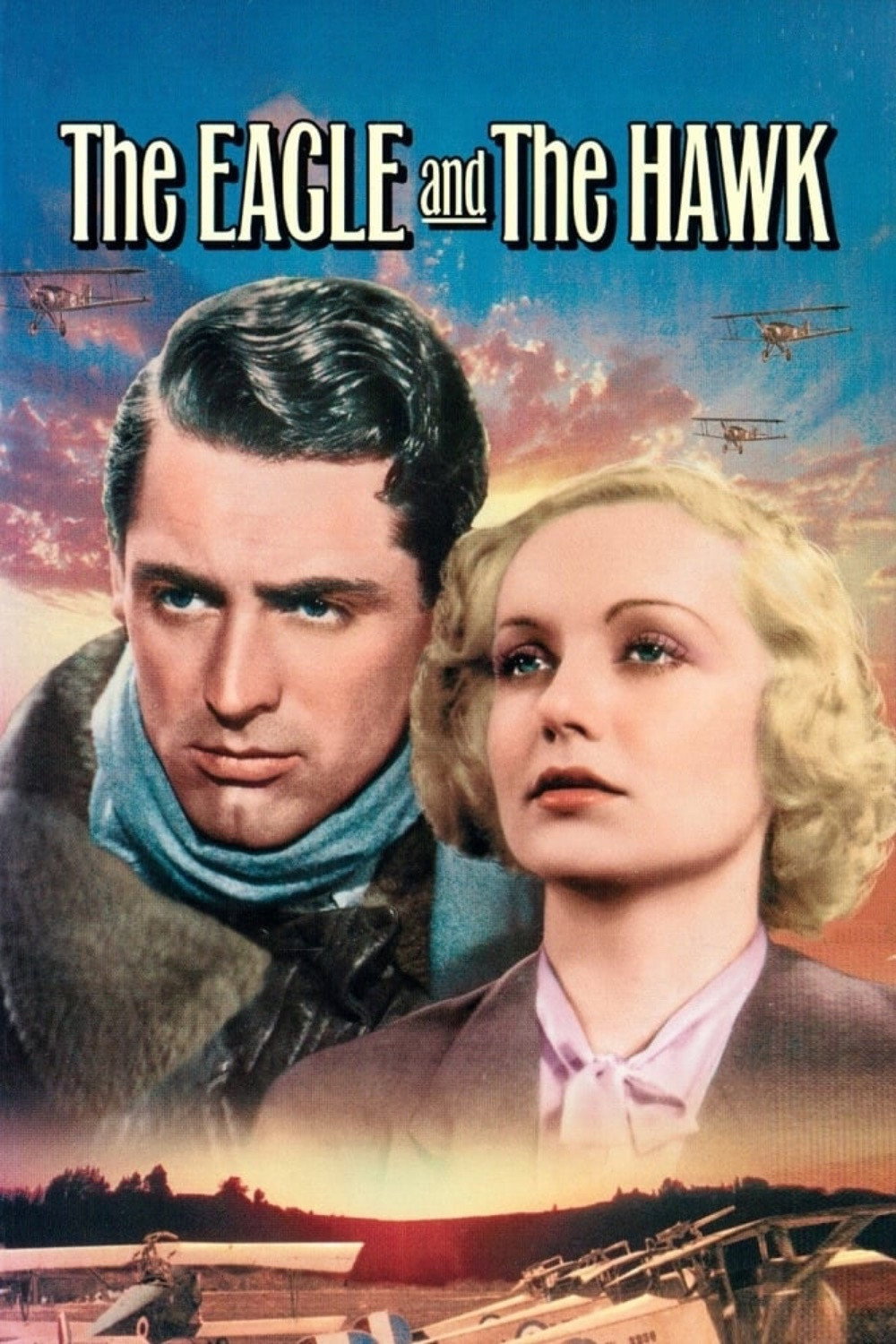
The pilots of a Royal Air Force squadron in World War I face not only physical but mental dangers in their struggle to survive while fighting the enemy.
Cary Grant plays Henry Crocker, under the direction of Stuart Walker, released in 1933.
The Story
Set among Royal Flying Corps pilots during the First World War, The Eagle and the Hawk follows Jerry Young (Fredric March), a gifted flier tormented by the mounting human cost of aerial combat, and Henry Crocker (Cary Grant), the hard-bitten observer-gunner who despises Young's squeamishness about killing. Carole Lombard appears briefly as a woman Young meets on leave, while Jack Oakie provides comic relief as a fellow pilot. The film builds to Young's psychological collapse and a startling final act in which Crocker takes drastic action to protect his friend's reputation.
Production Context
Released by Paramount in May 1933, The Eagle and the Hawk was credited to director Stuart Walker, though Mitchell Leisen shot much of the aerial and dramatic material and received credit for aerial sequences; the studio brought in an uncredited hand to reshape the picture during production, a common occurrence in the era's factory system. The screenplay drew on an original story by John Monk Saunders, who had also written Wings, and the film continued Hollywood's early-1930s fascination with the psychological toll of aviation warfare. Cary Grant, still only a year into his Paramount contract, took the supporting role of Crocker, working alongside March, an established star, and gaining further experience in dramatic ensemble work.
Why It Mattered Then
Arriving in the wake of Wings and other aviation pictures, The Eagle and the Hawk offered audiences a bleaker, more anti-war treatment of flying heroics, emphasizing trauma over spectacle. For Grant, the film mattered as another rung in Paramount's ongoing effort to determine his screen identity, placing him in uniform, in a serious drama, opposite two significant stars of the period in March and Lombard.
Why It Matters Today
The Eagle and the Hawk is remembered today as one of the more emotionally serious entries in the early sound era's aviation-war cycle, notable for its unusually candid treatment of combat fatigue. For Grant scholarship, it is chiefly of interest as evidence of the range of parts Paramount tried him in before Mae West and screwball comedy revealed the persona audiences would come to love — a reminder that Grant's early career was one of steady, unglamorous apprenticeship rather than instant stardom.
Gallery
Full billed cast of The Eagle and the Hawk (1933).
Players in billing order, with the characters they play.
- Fredric Marchas Jerry H. Young
- Cary Grantas Henry Crocker
- Jack Oakieas Mike 'Slug' Richards
- Carole Lombardas The Beautiful Lady
- Guy Standingas Major Dunham
- Forrester Harveyas Hogan
- Kenneth Howellas Lt. John Stevens
- Leyland Hodgsonas Lt. Kingsford
- Virginia Hammondas Lady Erskine
- Douglas Scottas Tommy Erskine
- Robert Seiteras Arnold Voss
- Adrienne D'Ambricourtas Fifi 'Fanny'
- Ted Billingsas Cockney Soldier (uncredited)
- Lane Chandleras Flier (uncredited)
- Paul Cremonesias French General (uncredited)
- Olaf Hyttenas Story-Telling Officer at Party (uncredited)
- Jacques Jou-Jervilleas French General's Aide (uncredited)
- Crauford Kentas General (uncredited)
- Mary MacLarenas Party Guest (uncredited)
- Dennis O'Keefeas Flier (uncredited)
- Ronald R. Rondellas Flier (uncredited)
- Russell Scottas Flight Sergeant (uncredited)
- Yorke Sherwoodas Taxi Driver (uncredited)
- Ellinor Vanderveeras Party Guest (uncredited)
Crew.
- Art DirectionRobert Odell
- Costume DesignTravis Banton
- DirectorStuart Walker
- Director of PhotographyHarry Fischbeck
- EditorJames Smith
- ProducerBayard Veiller
- StoryJohn Monk Saunders
- WriterSeton I. Miller
- WriterBogart Rogers
Players in common.
A quiet dispatch,
once a month.
One considered essay in your inbox each month. No promotions, no algorithms, no forwarding. Unsubscribe with a single click.
Other studies.
Cary Grant and Deborah Kerr headline an elegant romantic comedy exploring whether the perfect partner exists—or whether perfection itself is an illusion.
A thoughtful wartime satire blending romance, comedy, and commentary on celebrity culture.
Cary Grant and Audrey Hepburn create one of cinema's most elegant romantic mysteries—a thrilling game of deception, danger, and unexpected love.