Merrily We Go to Hell
Love, addiction, and modern marriage collide in one of Hollywood's boldest Pre-Code dramas.
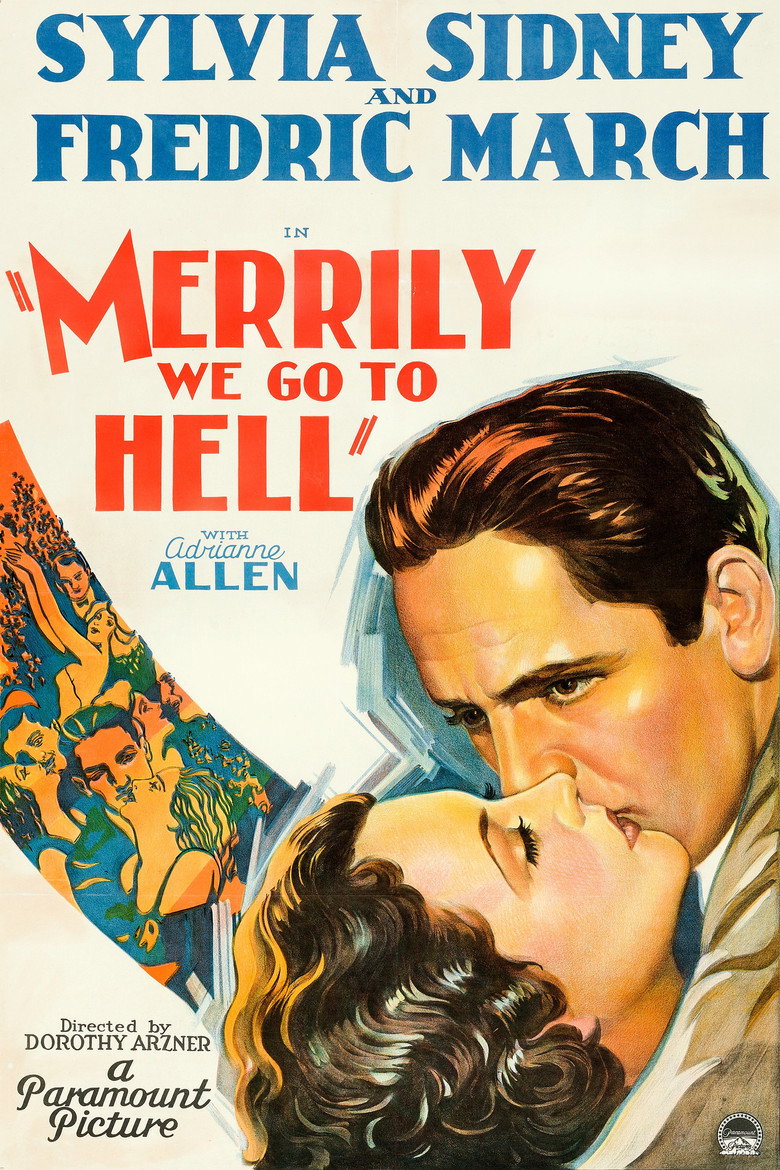
Editorial ratings
- Cary Grant
- Story
- Direction
- Cinematography
- Entertainment
- Historical importance
A drunken newspaperman, Jerry Corbett, is rescued from his alcoholic haze by an heiress, Joan Prentice, whose love sobers him up and encourages him to write a play, but he lapses back into dipsomania.
Cary Grant plays Charlie Baxter, under the direction of Dorothy Arzner, released in 1932.
Featured quote
“A landmark Dorothy Arzner production documenting Grant's continued artistic growth.”
Introduction
A sophisticated Pre-Code drama examining marriage, addiction, and emotional honesty.
The Story
Jerry Corbett's alcoholism threatens his marriage while Charlie Baxter offers Joan stability and friendship.
Production & Behind the Scenes
Dorothy Arzner's thoughtful direction and Paramount's sophisticated production created one of Pre-Code Hollywood's enduring classics.
Cary Grant's Performance
Grant's Charlie Baxter displays the elegance, restraint, and emotional intelligence that would soon define his career.
Dorothy Arzner's Direction & Themes
Marriage, addiction, female independence, emotional honesty, and personal responsibility shape this remarkably modern film.
Historical Context
Produced during Hollywood's brief Pre-Code era before the Production Code fundamentally changed American filmmaking.
Legacy & Influence
Today recognized as one of the finest Pre-Code dramas and an important milestone in Cary Grant's early career.
Gallery
Production & release
Early 1932
Production begins at Paramount.
June 30, 1932
Film released.
1932
Celebrated as one of Paramount's boldest adult dramas.
1934
Production Code enforcement changes Hollywood storytelling.
Today
Regarded as a masterpiece of Pre-Code cinema.
Cast.
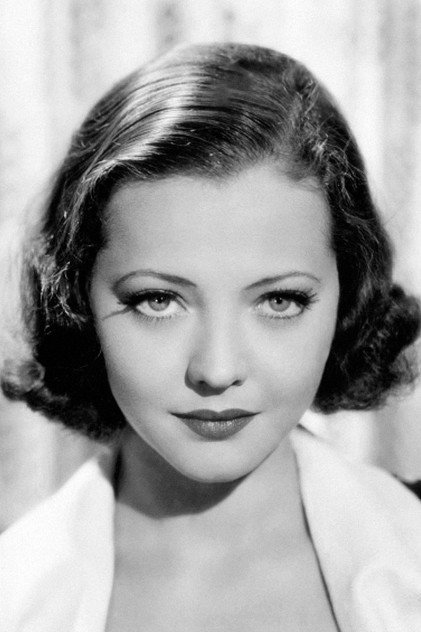
Sylvia Sidney as Joan Prentice
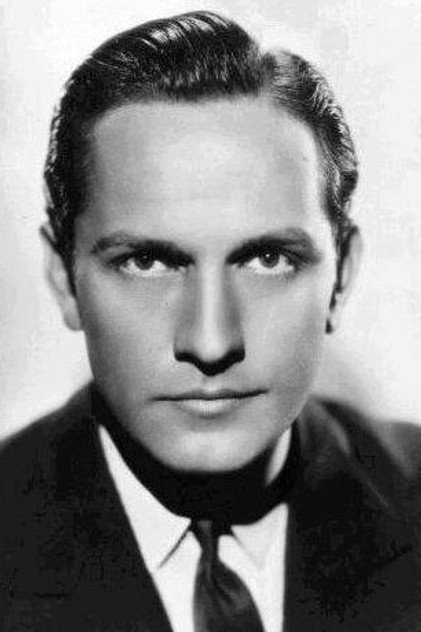
Fredric March as Jerry Corbett
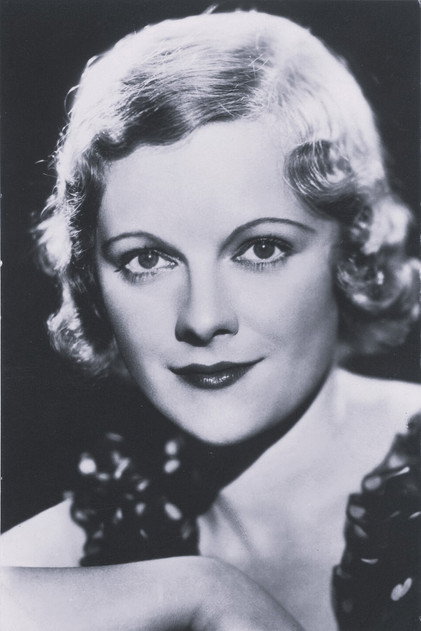
Adrianne Allen as Claire Hempstead
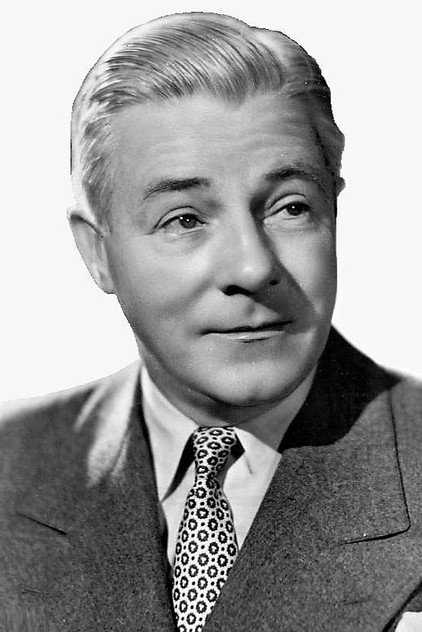
Richard 'Skeets' Gallagher as Buck
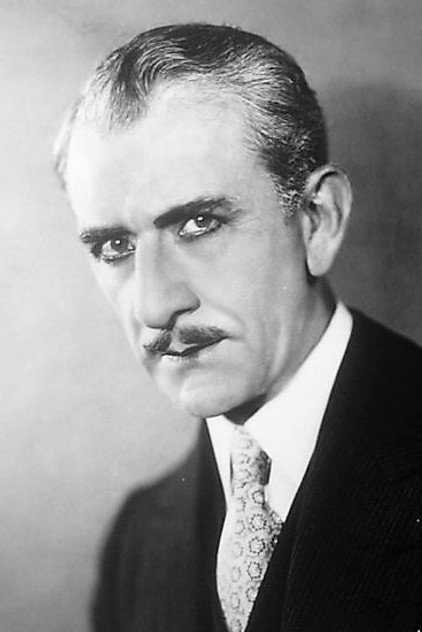
George Irving as Mr. Prentice
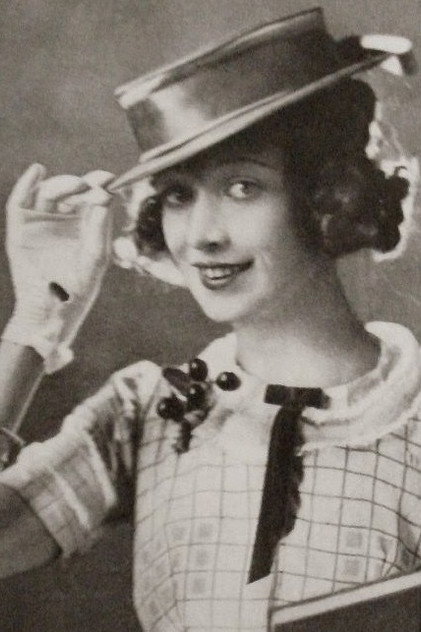
Esther Howard as Vi
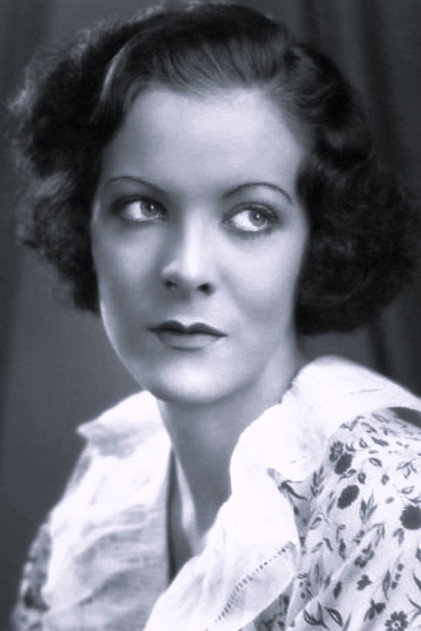
Florence Britton as Charlcie
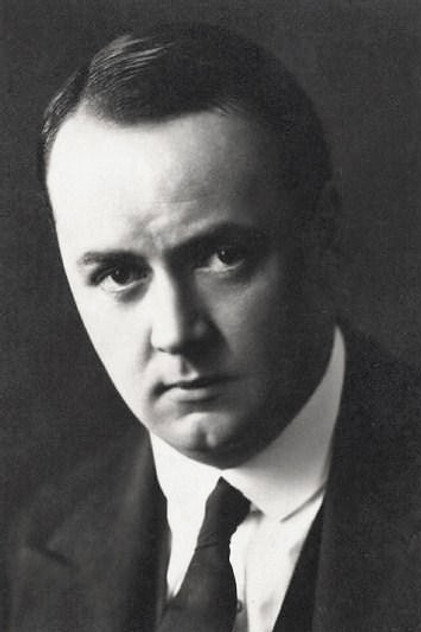
Charles Coleman as Richard Damery
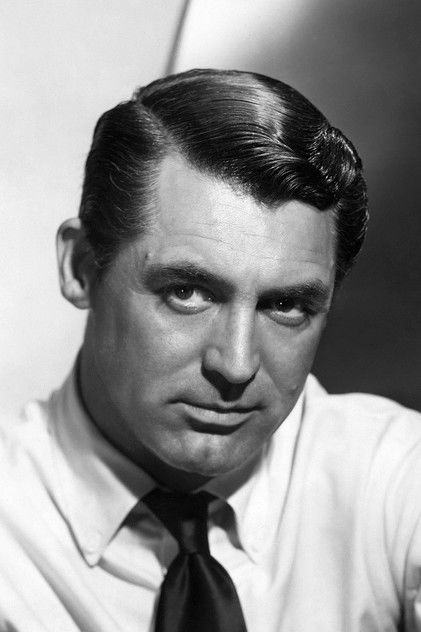
Cary Grant as Charlie Baxter
Full billed cast of Merrily We Go to Hell (1932).
Players in billing order, with the characters they play.
- Sylvia Sidneyas Joan Prentice
- Fredric Marchas Jerry Corbett
- Adrianne Allenas Claire Hempstead
- Richard 'Skeets' Gallagheras Buck
- George Irvingas Mr. Prentice
- Esther Howardas Vi
- Florence Brittonas Charlcie
- Charles Colemanas Richard Damery
- Cary Grantas Charlie Baxter
- Kent Tayloras Greg Boleslavsky
- Robert Greigas Baritone Bartender (uncredited)
- Ernie Adamsas Reporter (uncredited)
- Mildred Boydas June (uncredited)
- Edna Callahanas Bridesmaid (uncredited)
- Leonard Careyas Prentice's Butler (uncredited)
- Harry Cordingas Fred (uncredited)
- Milla Davenportas Prentice's Housekeeper (uncredited)
- Neal Doddas Minister (uncredited)
- Jay Eatonas Friend (uncredited)
- Bill Elliottas Party Guest (uncredited)
- Mary Halseyas Bridesmaid (uncredited)
- Theresa Harrisas Powder Room Attendant (uncredited)
- Amo Ingrahamas Bridesmaid (uncredited)
- LeRoy Masonas Party Guest (uncredited)
- Edwin Maxwellas Jake Symonds (uncredited)
- Edmund Mortimeras Party Guest (uncredited)
- William H. O'Brienas Waiter (uncredited)
- Dennis O'Keefeas Wedding Usher (uncredited)
- Tom Rickettsas Wedding Spectator (uncredited)
- Irene Robesonas Bridesmaid (uncredited)
- Pat Somersetas Friend (uncredited)
- Harry Strangas Taxicab Driver (uncredited)
- Gordon Westcottas Party Boy (uncredited)
Crew.
- DirectorDorothy Arzner
- Director of PhotographyDavid Abel
- EditorJane Loring
- Original Music ComposerJohn Leipold
- Original Music ComposerRudolph G. Kopp
- ScreenplayEdwin Justus Mayer
Players in common.
A quiet dispatch,
once a month.
One considered essay in your inbox each month. No promotions, no algorithms, no forwarding. Unsubscribe with a single click.
Other studies.
Cary Grant and Deborah Kerr headline an elegant romantic comedy exploring whether the perfect partner exists—or whether perfection itself is an illusion.
A thoughtful wartime satire blending romance, comedy, and commentary on celebrity culture.
Cary Grant and Audrey Hepburn create one of cinema's most elegant romantic mysteries—a thrilling game of deception, danger, and unexpected love.