Every Girl Should Be Married
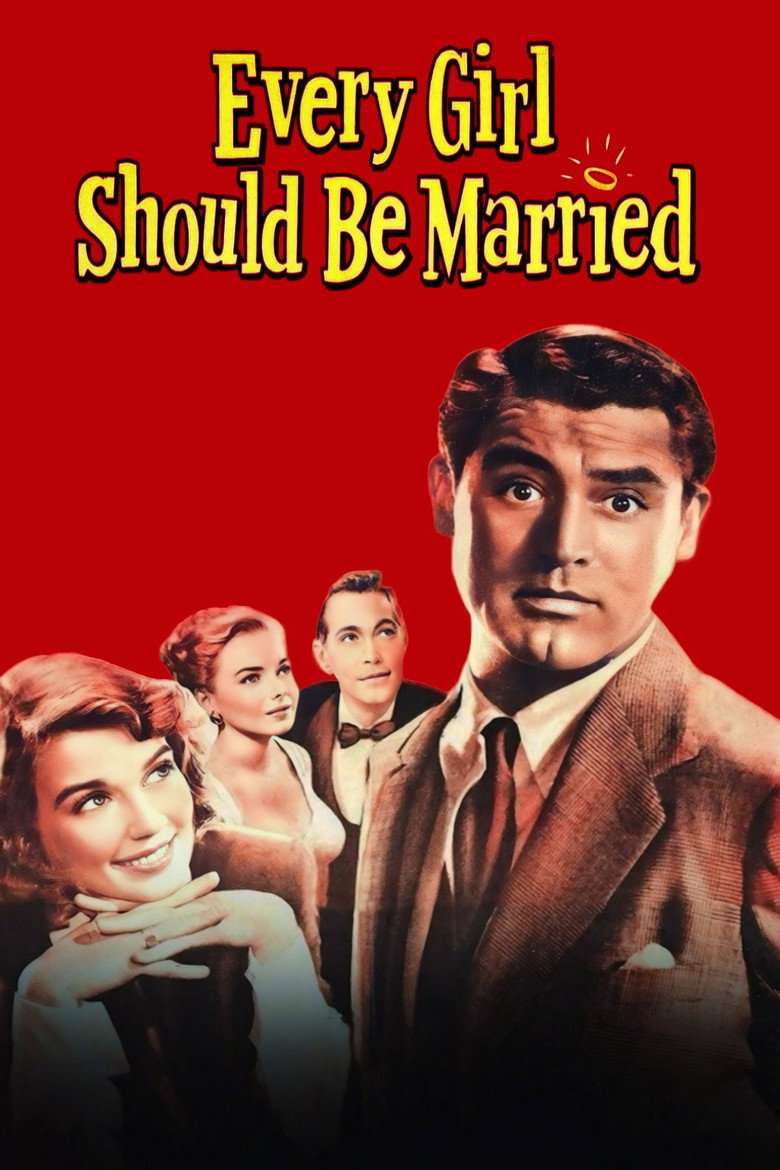
Department store saleswoman Anabel Sims decides that pediatrician Dr. Madison Brown is the perfect husband—and sets out to convince him.
Editorial ratings
- Cary Grant
- Story
- Direction
- Cinematography
- Entertainment
- Historical importance
Anabel Sims is determined to find the perfect husband. She thinks she's found her man in Madison Brown, a handsome pediatrician. She then prepares an elaborate scheme to trap him into marriage
Cary Grant plays Dr. Madison W. Brown, under the direction of Don Hartman, released in 1948.
Featured quote
“How in the world did Eve ever get Adam when she had no other woman to help her with the subtle little touches?”
Dr. Madison Brown — The paediatrician Madison Brown muses on courtship, unaware that he is the target of Anabel's marriage scheme.
Introduction
A transitional post-war romantic comedy that quietly challenged traditional courtship roles.
The Story
Anabel pursues Madison through wit, patience, and determination until both discover genuine compatibility.
Production & Behind the Scenes
Directed by Don Hartman for RKO; notable for introducing Betsy Drake into Cary Grant's life.
Cary Grant's Performance
Grant anchors the comedy through subtle reactions, warmth, and emotional maturity.
Direction & Themes
Explores initiative in love, partnership, emotional openness, and changing gender expectations.
Historical Context
Reflects post-war America and Grant's evolution toward more mature romantic roles.
Legacy & Influence
Remembered for its progressive heroine and the beginning of Grant and Drake's relationship.
Gallery
Production & release
Early 1948
Production Begins
RKO begins production under director Don Hartman.
1948
Grant and Drake Meet
Cary Grant and Betsy Drake meet during production.
November 25, 1948
Film Released
The film opens to modest but positive reception.
December 1949
Marriage
Grant and Drake marry.
Today
Underrated Classic
Appreciated as an underrated entry in Grant's filmography.
Cast.
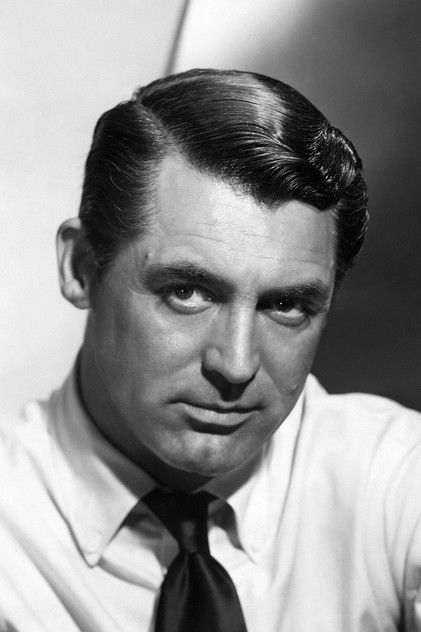
Cary Grant as Dr. Madison W. Brown
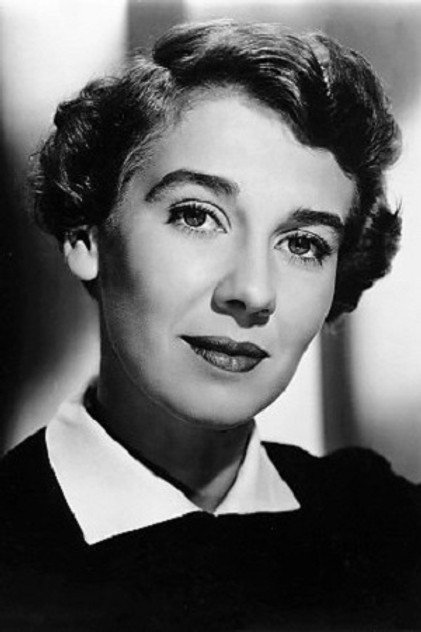
Betsy Drake as Anabel Sims
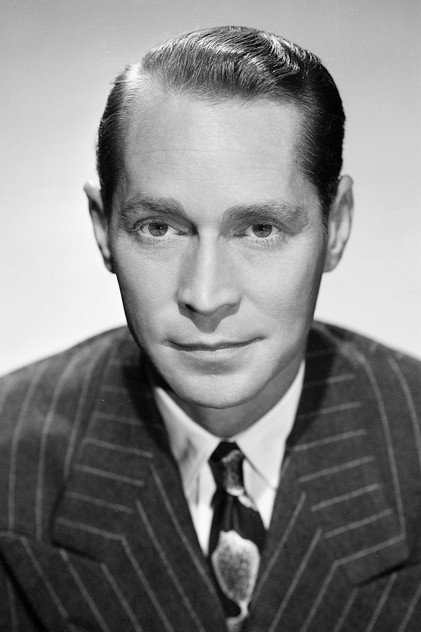
Franchot Tone as Roger Sanford
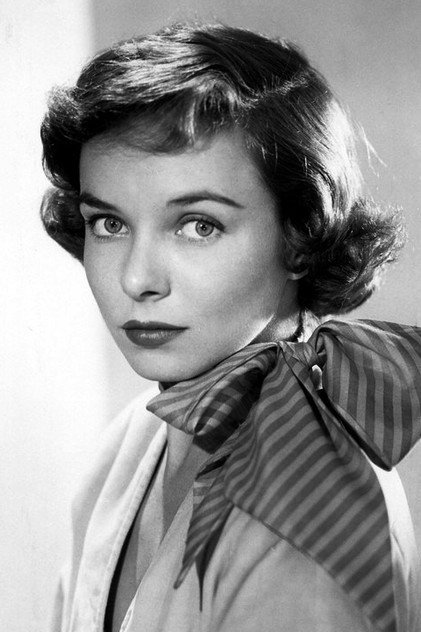
Diana Lynn as Julie Hudson
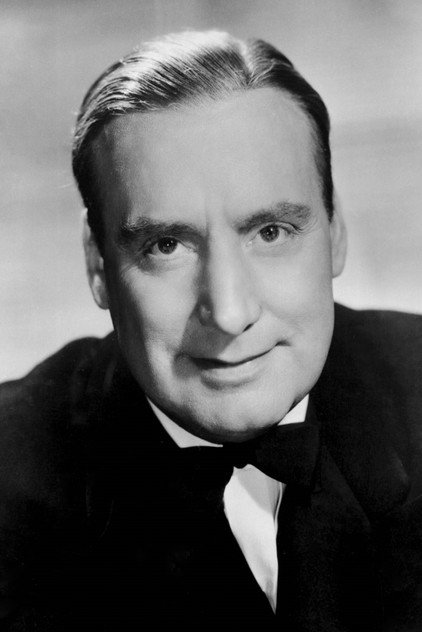
Alan Mowbray as Mr. Spitzer
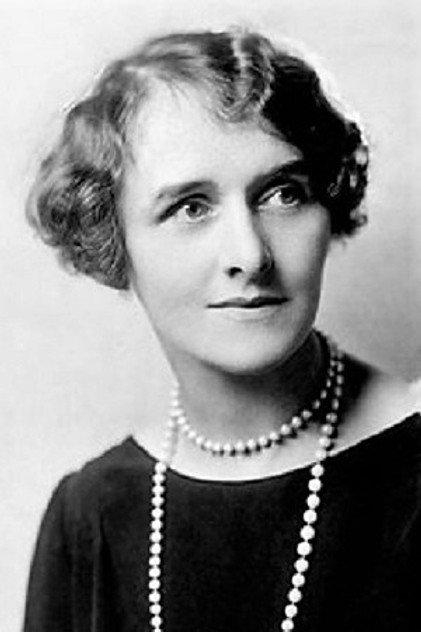
Elisabeth Risdon as Mary Nolan
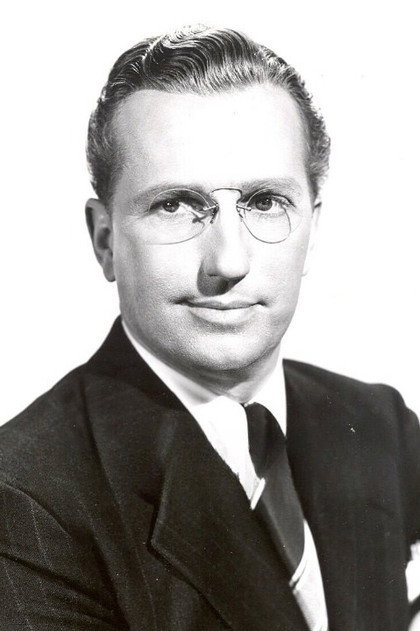
Richard Gaines as Sam McNutt
Full billed cast of Every Girl Should Be Married (1948).
Players in billing order, with the characters they play.
- Cary Grantas Dr. Madison W. Brown
- Betsy Drakeas Anabel Sims
- Franchot Toneas Roger Sanford
- Diana Lynnas Julie Hudson
- Alan Mowbrayas Mr. Spitzer
- Elisabeth Risdonas Mary Nolan
- Richard Gainesas Sam McNutt
- Harry Haydenas Gogarty
- Chick Chandleras Soda Clerk
- Leon Belascoas Violinist
- Fred Essleras Pierre
- Anna Q. Nilssonas Saleslady
- Bess Flowersas Pierre's Restaurant Patron (uncredited)
- Eddie Albertas Harry Proctor / 'Old' Joe (uncredited)
- James Griffithas Insurance Salesman (uncredited)
- Selmer Jacksonas Clergyman (uncredited)
Crew.
- Art DirectionAlbert S. D'Agostino
- Art DirectionCarroll Clark
- Costume DesignIrene Sharaff
- DirectorDon Hartman
- Director of PhotographyGeorge E. Diskant
- EditorHarry Marker
- Original Music ComposerLeigh Harline
- ProducerDon Hartman
- StoryEleanor Harris
- WriterDon Hartman
- WriterStephen Morehouse Avery
A quiet dispatch,
once a month.
One considered essay in your inbox each month. No promotions, no algorithms, no forwarding. Unsubscribe with a single click.
Other studies.
Cary Grant and Deborah Kerr headline an elegant romantic comedy exploring whether the perfect partner exists—or whether perfection itself is an illusion.
A thoughtful wartime satire blending romance, comedy, and commentary on celebrity culture.
Cary Grant and Audrey Hepburn create one of cinema's most elegant romantic mysteries—a thrilling game of deception, danger, and unexpected love.