The company he
kept.
A career is a series of collaborations, and a life is a series of people. This is the working directory of both — directors and co-stars, wives and family, the writers and designers whose work is inseparable from his. Each entry records what the documents support, and says so when they support very little.
Family and Marriages
The five wives, the parents, the daughter — and the man who trained him.
Harris was Grant's fifth and final wife, married on 11 April 1981 and remaining with him until his death on 29 November 1986 in Davenport, Iowa, where she was present when he collapsed before a performance of his touring stage show, A Conversation with Cary Grant. Their nine-year age difference of forty-seven years drew comment at the time, but the marriage is generally described by biographers as the calmest of Grant's five, unfolding away from the industry pressures that had shaped his earlier relationships.
Barbara Hutton was Cary Grant's second wife. They married on 8 July 1942 and divorced on 30 August 1945. The press dubbed them "Cash and Cary," a nickname coined for the disparity in their fortunes that Grant found demeaning and resented for years afterward. He insisted on a prenuptial arrangement and, at the divorce, refused any settlement or alimony from Hutton — a detail he referenced with evident satisfaction in later interviews, since it undercut the "fortune hunter" narrative attached to the marriage. Despite the divorce, the two remained on friendly terms, and Grant was among those who kept in contact with her in her later, more difficult years.
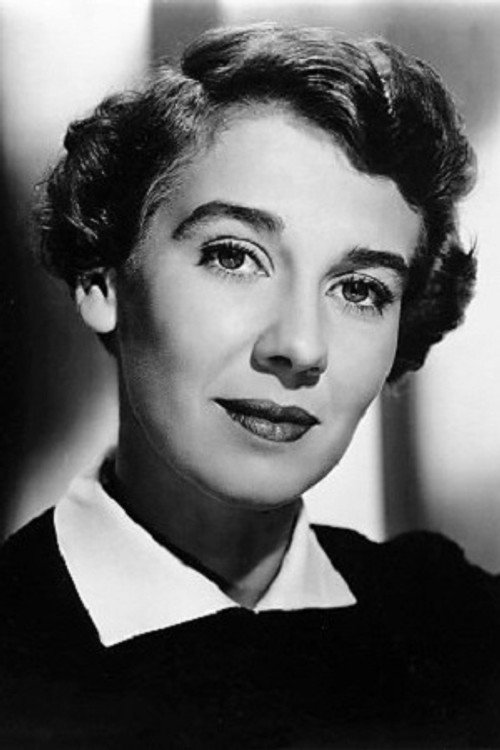
Betsy Drake was Cary Grant's third wife, and their marriage — from 25 December 1949 to 14 August 1962 — was the longest of his five. They met on the Queen Mary in 1947 and starred together in Every Girl Should Be Married (1948) before marrying. Drake introduced Grant to hypnotherapy in the 1950s and, in 1958, to the supervised LSD psychotherapy sessions conducted by Dr. Mortimer Hartman in Beverly Hills, treatment Grant later credited publicly with transforming his outlook on life. She contributed an early draft of the Houseboat (1958) screenplay, though her credit did not survive to the final film. Their separation is generally linked to Grant's relationship with his Houseboat co-star Sophia Loren.
Bob Pender was Cary Grant's first employer and effectively his first teacher in performance. Archie Leach joined the Pender Troupe around 1918 at fourteen and trained in acrobatics, stilt-walking, pantomime and knockabout comedy. He sailed with the troupe to New York on 21 July 1920 for an American vaudeville tour; when the troupe returned to England in 1922, Leach elected to stay behind in the United States, launching the path that eventually led to Hollywood. Grant repeatedly credited this training — the physical control, timing and fearlessness of a trained acrobat — as the foundation of his screen comedy.
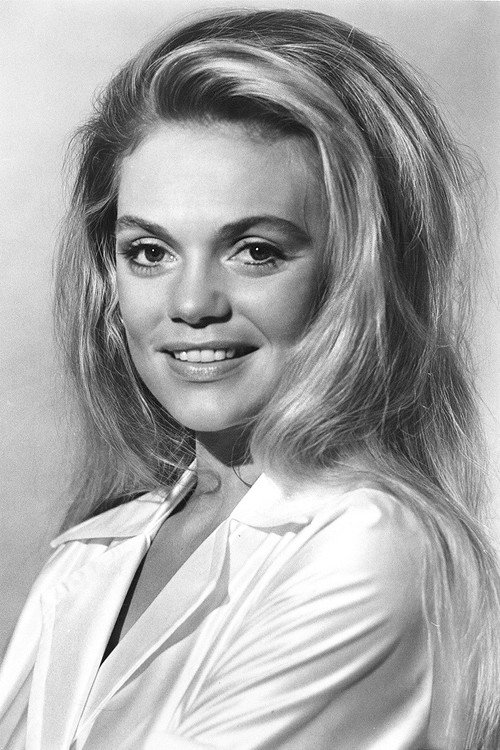
Dyan Cannon was Cary Grant's fourth wife. They married on 22 July 1965 and divorced on 21 March 1968. Their daughter, Jennifer Grant, born 26 February 1966, was Grant's only child, born when he was sixty-two. The divorce and subsequent custody proceedings were bitterly contested and extensively covered in the press, and Cannon's court testimony about Grant's past use of LSD became a widely reported element of the case.
Elias Leach was Cary Grant's father. His decision to commit Elsie to an asylum in 1915 and conceal the fact from their son, sustained until his own death in 1935, is the defining event of Grant's childhood and colours virtually every account of his adult character.
Elsie Leach was Cary Grant's mother. Her committal in 1915 and Grant's discovery in 1935 that she was alive — after believing her dead for two decades — is regarded as the central formative event of his life. He supported her financially until her death in 1973 and visited her in Bristol.
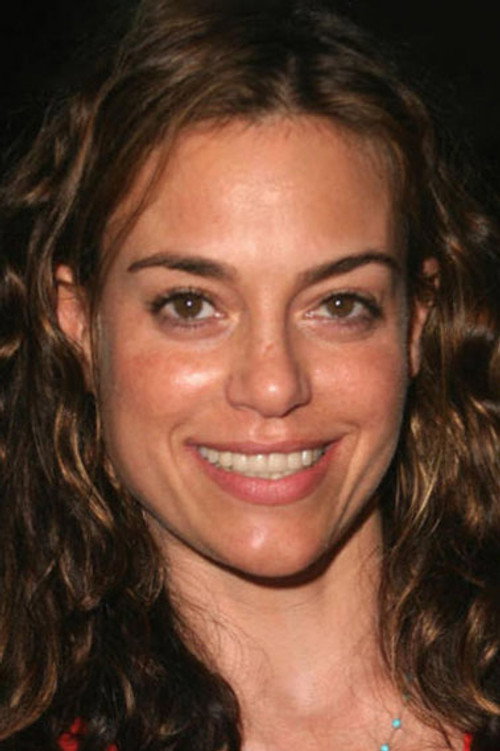
Jennifer Grant is Cary Grant's only child, born in 1966 to his fourth wife, Dyan Cannon; she did not appear in any of her father's films, as his acting career had effectively concluded before her childhood. Her documented connection to him is primarily personal and literary: she was raised in close contact with him after her parents' 1968 divorce, and in 2011 published the memoir Good Stuff: A Reminiscence of My Father, Cary Grant, drawing on his own letters and notes to her.
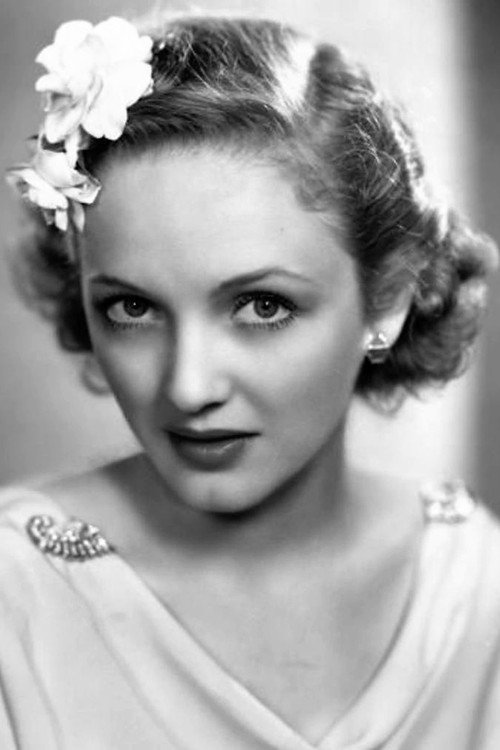
Grant's first wife. They married on 9 February 1934 and divorced on 26 March 1935. During the marriage Grant made an apparent suicide attempt, reported in the contemporary press; he later described the period as among the unhappiest of his life. Cherrill later married the Earl of Jersey.
Directors
The men who shaped the performances, from Cukor to Donen.
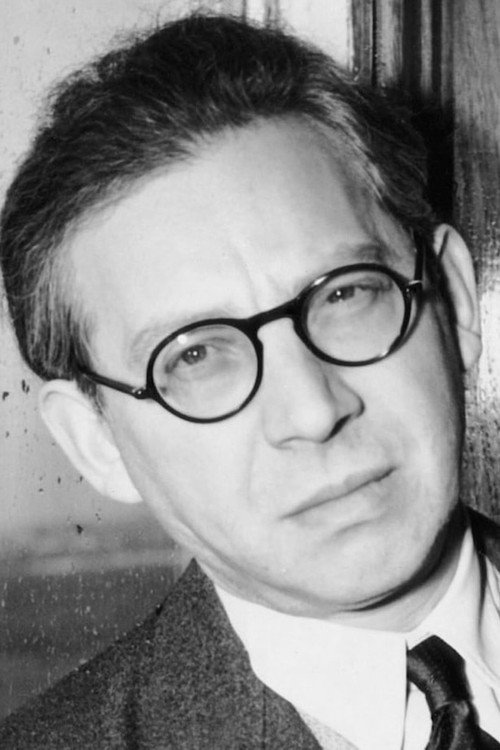
Korda produced The Amazing Quest of Ernest Bliss (1936), a British production made during Grant's brief return to England while he was extracting himself from his exclusive Paramount contract and establishing the freelance status that would define his later career. It was Grant's only picture for Korda, but it placed him, however briefly, within the same British production culture Korda had built from nothing, and it demonstrated that Grant already thought of himself as a portable commodity rather than a studio asset.
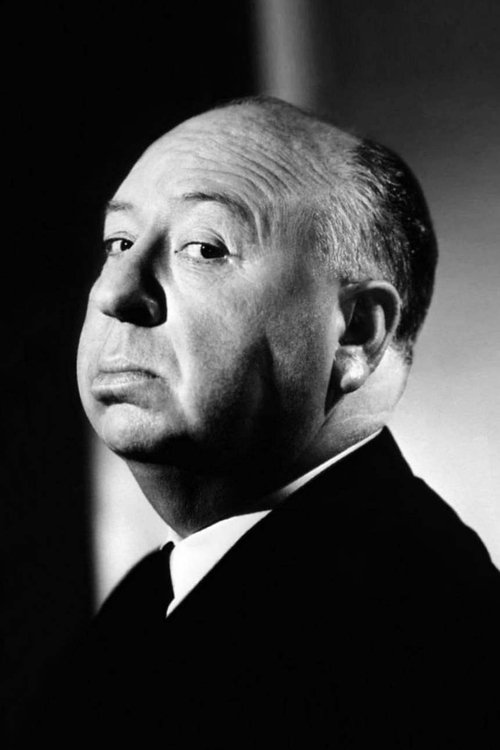
Grant and Hitchcock made four films together over eighteen years: Suspicion (1941), in which Grant's charm is deliberately read as possible menace; Notorious (1946), widely regarded as the peak achievement for both men; To Catch a Thief (1955), a glamorous location production shot on the French Riviera; and North by Northwest (1959), the culmination of their collaboration and one of the defining American thrillers. Hitchcock told interviewers that Grant was the only actor he ever loved, and their rapport allowed the director to use Grant's persona against itself in ways he could not attempt with more conventionally heroic stars.
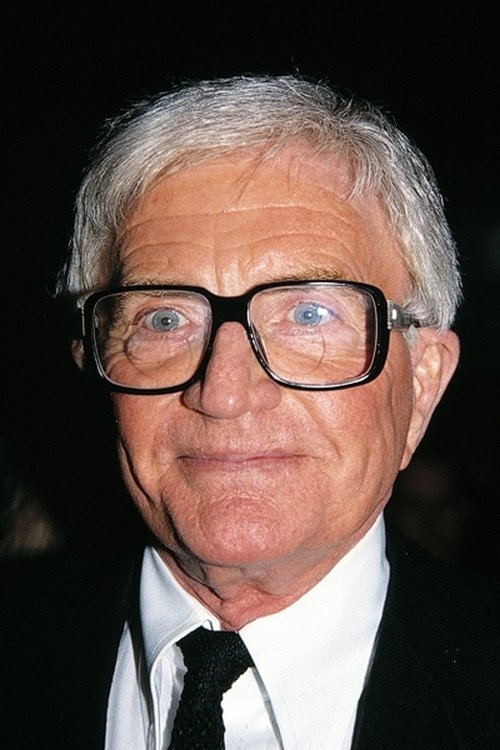
Edwards directed Cary Grant in Operation Petticoat (1959), a submarine comedy co-starring Tony Curtis that became one of the most commercially successful films of Grant's entire career. It was an early credit for Edwards, made before Breakfast at Tiffany's established his reputation, and remains the only film he and Grant made together.
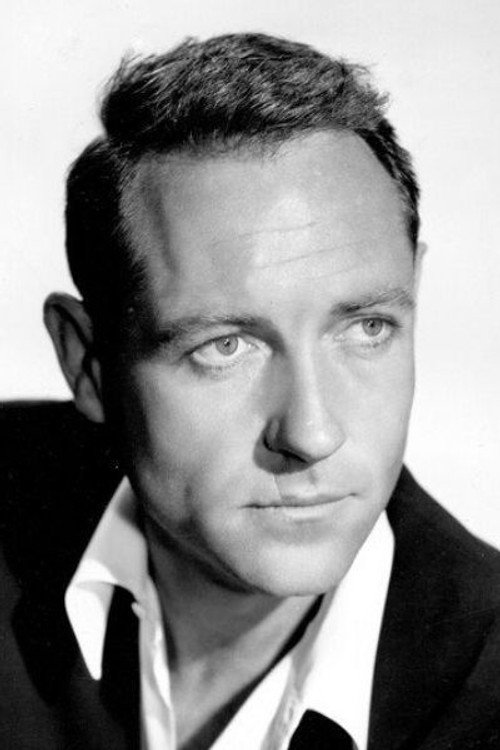
Walters directed Cary Grant in Walk, Don't Run (1966), a remake of The More the Merrier relocated to the Tokyo Olympics, in which Grant played matchmaker to a younger couple rather than the romantic lead. It proved to be Grant's final film; he retired from acting immediately afterward, at age sixty-two, and never returned to the screen.
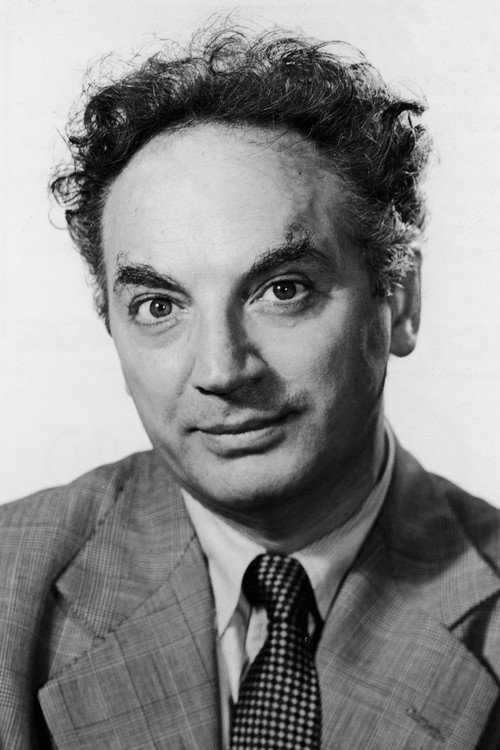
Odets wrote and directed None but the Lonely Heart (1944), casting Cary Grant against type as Ernie Mott, a rootless Cockney drifter in London's East End. Grant, eager to be taken seriously as a dramatic actor, took a reduced fee for the role and received his second Academy Award nomination for Best Actor for the performance — a rare instance of Grant working in overtly downbeat, socially conscious material.
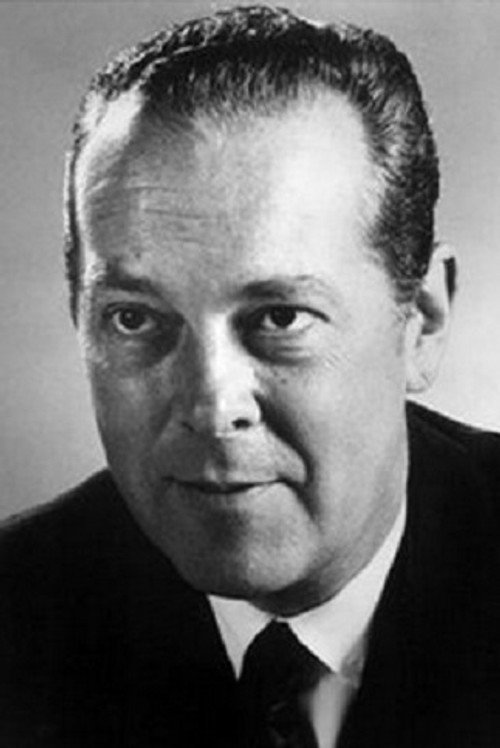
Mann directed Cary Grant in That Touch of Mink (1962), pairing him with Doris Day in a romantic comedy that became one of the biggest box-office successes of Grant's later career. It was Mann's only film with Grant.
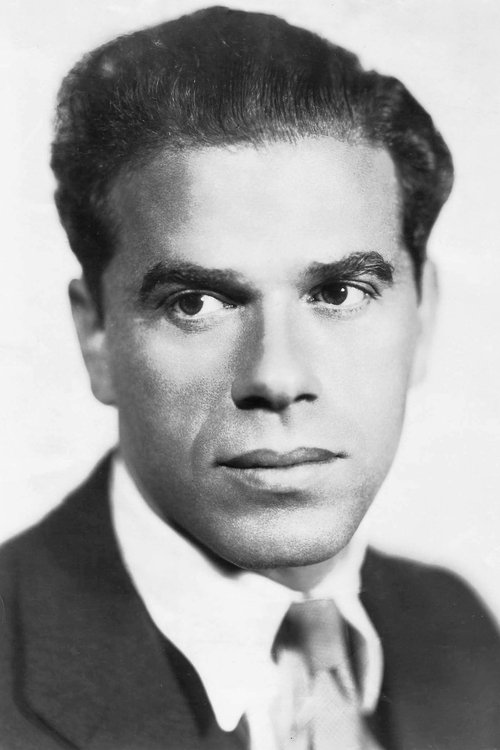
Frank Capra directed Cary Grant in "Arsenic and Old Lace" (1944), a black comedy about homicidal aunts that Warner Bros. had shot in 1941 but held from release until the Broadway run of the play closed. It was their only collaboration.
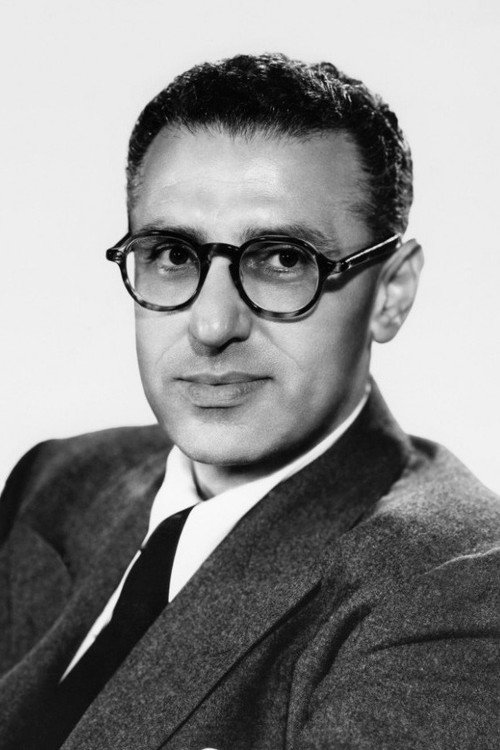
George Cukor directed Cary Grant in "Sylvia Scarlett" (1935), his first pairing with Katharine Hepburn; "Holiday" (1938), also with Hepburn; and "The Philadelphia Story" (1940), again with Hepburn, the film that helped restore both stars to top box-office standing after a difficult stretch.
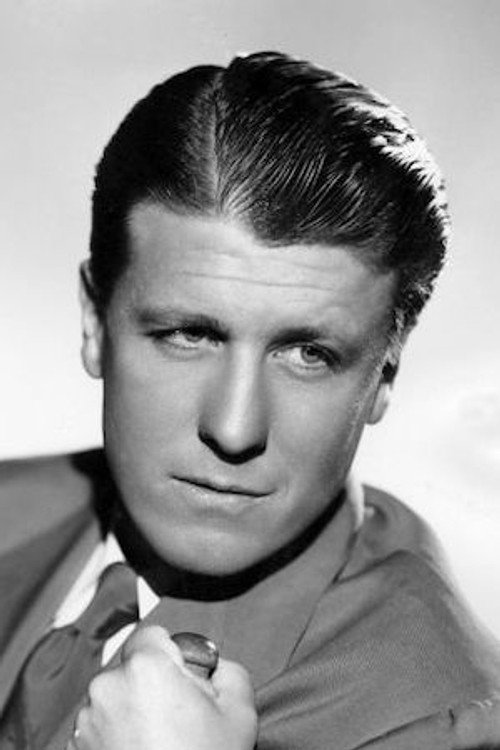
George Stevens directed Cary Grant in "Gunga Din" (1939), an adventure picture with Douglas Fairbanks Jr. and Victor McLaglen; "Penny Serenade" (1941), a domestic drama that earned Grant his first Academy Award nomination; and "The Talk of the Town" (1942), a comedy-drama with Jean Arthur and Ronald Colman.
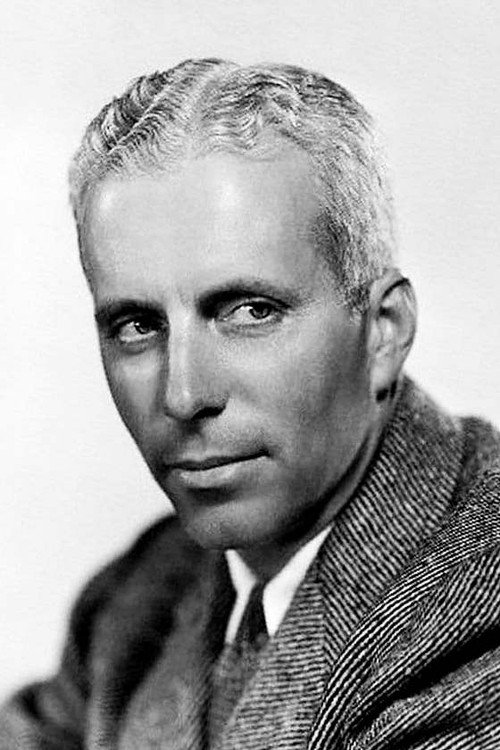
Howard Hawks directed Cary Grant in "Bringing Up Baby" (1938) with Katharine Hepburn, "Only Angels Have Wings" (1939) with Jean Arthur, "His Girl Friday" (1940) with Rosalind Russell, "I Was a Male War Bride" (1949) with Ann Sheridan, and "Monkey Business" (1952) with Ginger Rogers — five films across three genres and fourteen years.
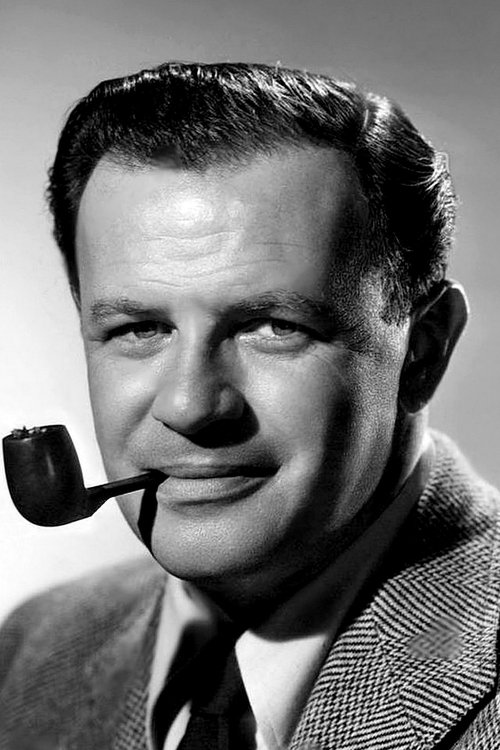
Mankiewicz directed Cary Grant in one film, People Will Talk (1951), a Twentieth Century-Fox comedy-drama in which Grant played Dr. Noah Praetorius, an unconventional physician who falls for a pregnant unmarried student played by Jeanne Crain; Mankiewicz also wrote the screenplay, adapted from Curt Goetz's play. No further collaborations between the two are documented.
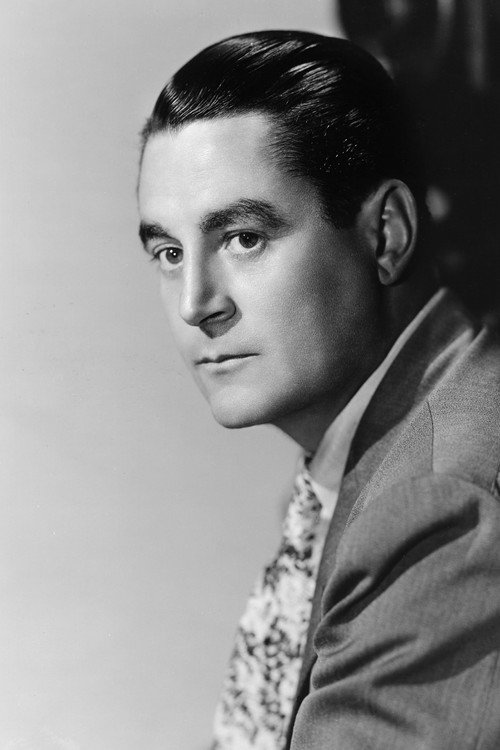
McCarey directed Cary Grant in two films: The Awful Truth (1937), also starring Irene Dunne, for which McCarey won the Academy Award for Best Director; and An Affair to Remember (1957), starring Deborah Kerr, a remake of McCarey's own Love Affair (1939). Grant later credited McCarey's improvisational directing style, learned in the Hal Roach comedy shorts, with drawing out some of his finest comic instincts.
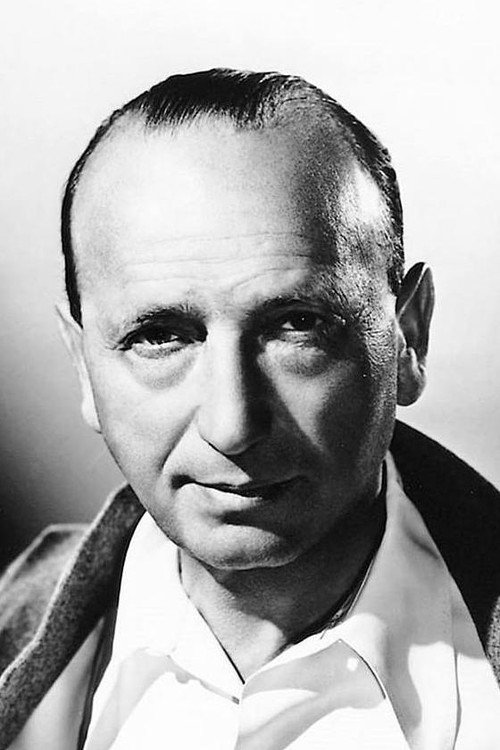
Directed Grant once, in Night and Day (1946), Warner Bros.' fictionalized biography of Cole Porter, with Grant playing the composer. Grant considered the film's script dishonest about Porter's life and found the production miserable; the two had no other professional connection.
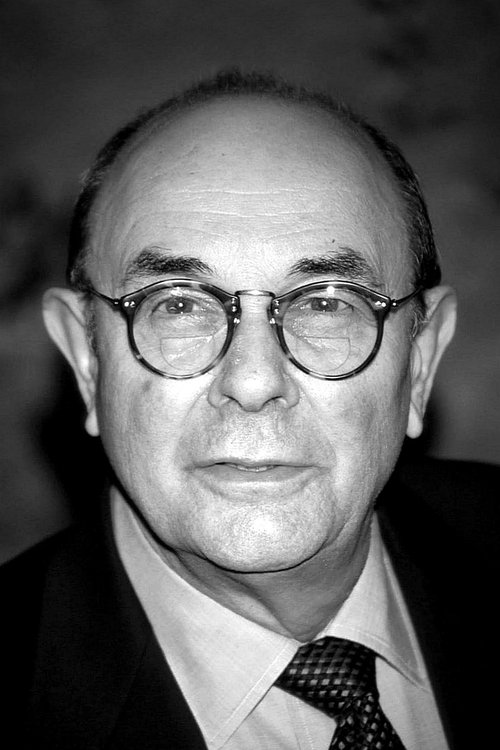
Directed Grant in four films — more than any director but Hitchcock: Kiss Them for Me (1957), Indiscreet (1958), The Grass Is Greener (1960), and Charade (1963). Charade, made when Grant was fifty-nine, is widely considered the finest performance of his late career.
Leading Actresses
The partners across the screwball years and after.
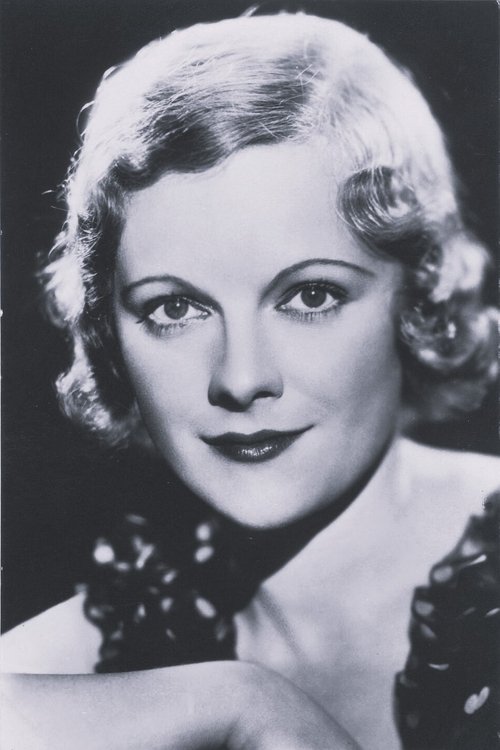
Adrianne Allen appears with Cary Grant in 1 film held here: Merrily We Go to Hell (1932) as Claire Hempstead.
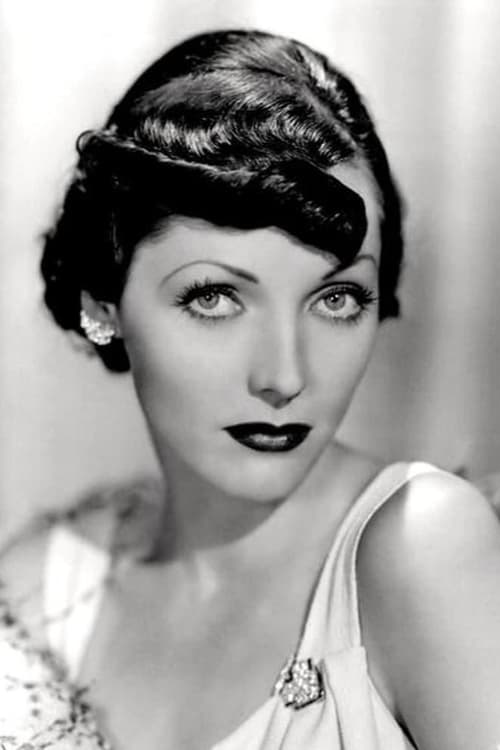
Adrienne Ames appears with Cary Grant in 1 film held here: Sinners in the Sun (1932) as Claire Kinkaid.
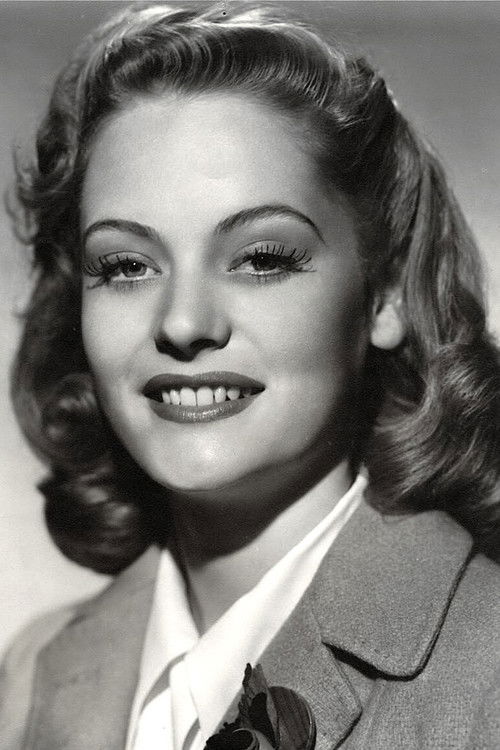
Alexis Smith appears with Cary Grant in 1 film held here: Night and Day (1946) as Linda Lee Porter.
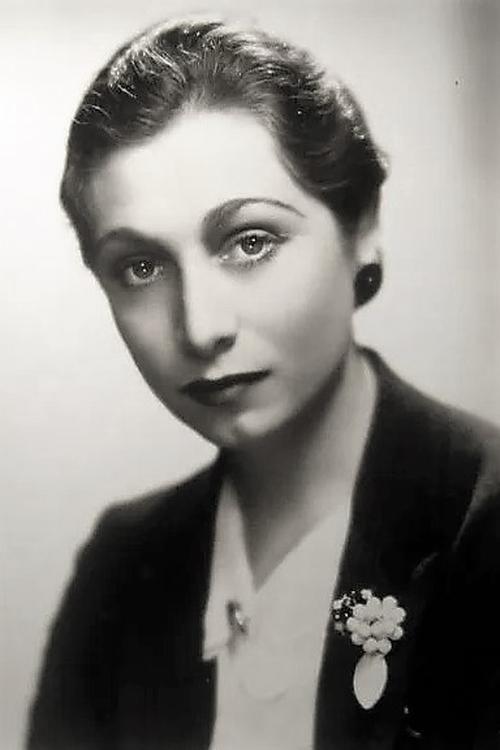
Aline MacMahon appears with Cary Grant in 1 film held here: When You're in Love (1937) as Marianne Woods.
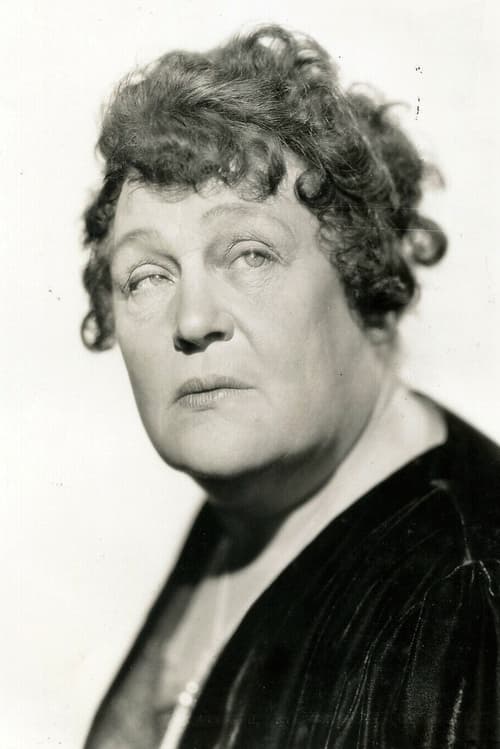
Alison Skipworth appears with Cary Grant in 2 films held here: Sinners in the Sun (1932) as Mrs. Blake; Alice in Wonderland (1933) as Duchess.
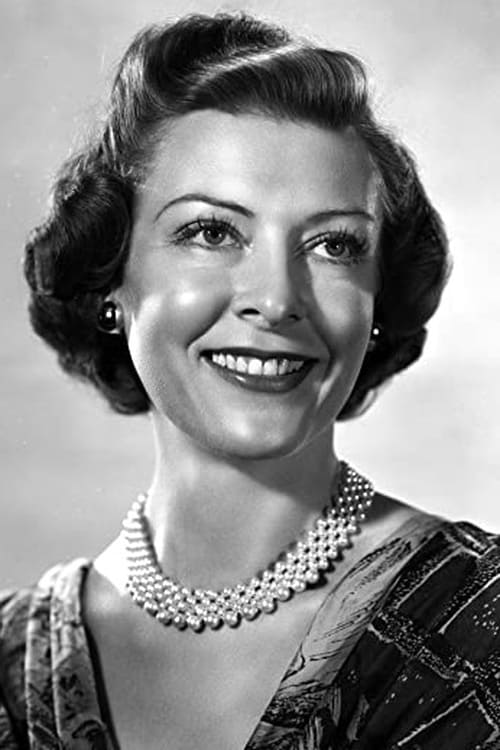
Ann Doran appears with Cary Grant in 3 films held here: Holiday (1938) as Kitchen Maid (uncredited); His Girl Friday (1940) as Newspaper Office Worker (uncredited); Penny Serenade (1941) as Dotty.
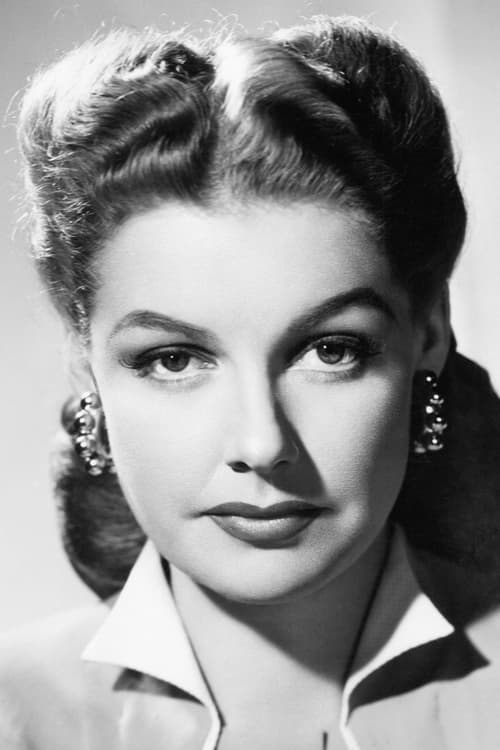
Ann Sheridan appears with Cary Grant in 4 films held here: Ladies Should Listen (1934) as Adele; Kiss and Make-Up (1934) as Beautician (as Clara Lou Sheridan); Enter Madame (1935) as Flora's Shipboard Friend (as Clara Lou Sheridan); I Was a Male War Bride (1949) as Lt. Catherine Gates.
Anna Chang appears with Cary Grant in 1 film held here: Singapore Sue (1932) as Singapore Sue.
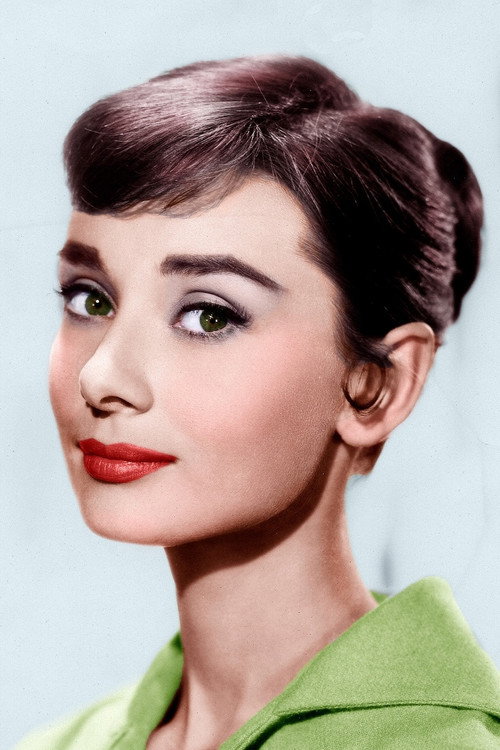
Grant and Hepburn appeared together only once, in Charade (1963), directed by Stanley Donen. Grant had declined earlier opportunities to star opposite her in Roman Holiday, Sabrina and Love in the Afternoon, uneasy about a age gap of nearly twenty-five years; when he finally agreed to Charade, he insisted that the screenplay be reworked so that her character pursued him rather than the reverse, a condition Peter Stone's script accommodated directly. The result became one of the most fondly remembered romantic thrillers of the decade and the only meeting between two of the era's most enduring screen personalities.
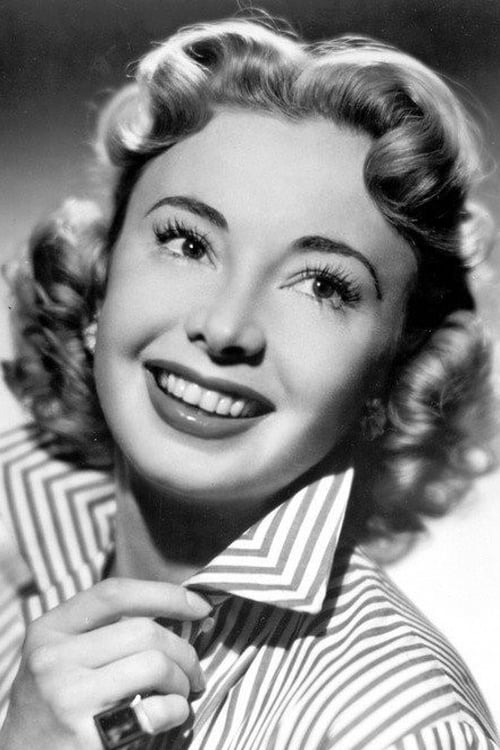
Audrey Meadows appears with Cary Grant in 1 film held here: That Touch of Mink (1962) as Connie Emerson.
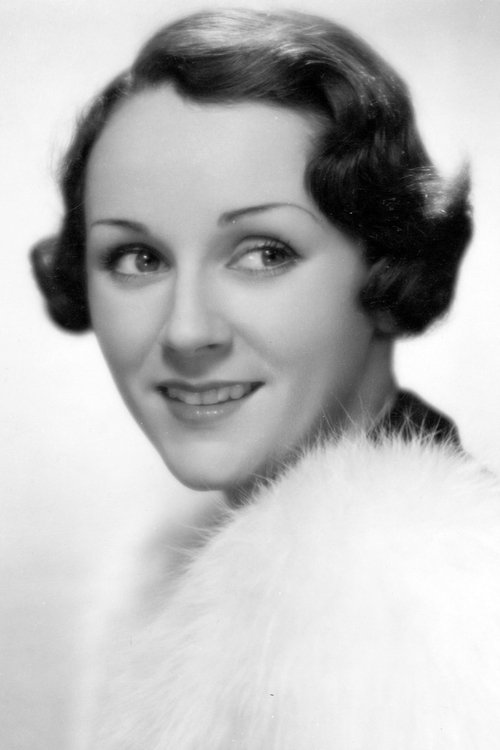
Benita Hume appears with Cary Grant in 2 films held here: Gambling Ship (1933) as Eleanor La Velle; Suzy (1936) as Madame Eyrelle.
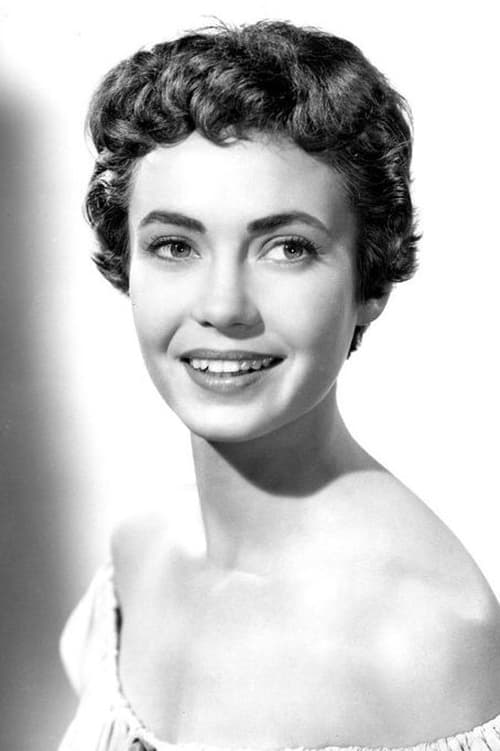
Betta St. John appears with Cary Grant in 1 film held here: Dream Wife (1953) as Tarji.
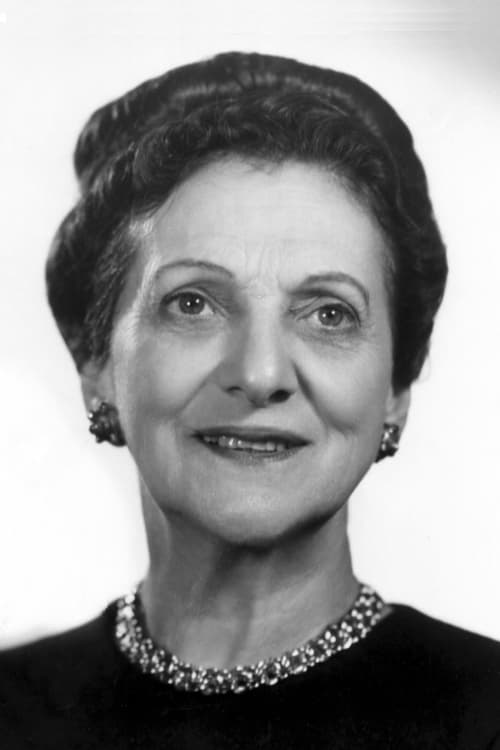
Beulah Bondi appears with Cary Grant in 1 film held here: Penny Serenade (1941) as Miss Oliver.

Billie Burke appears with Cary Grant in 1 film held here: Topper (1937) as Mrs. Topper.
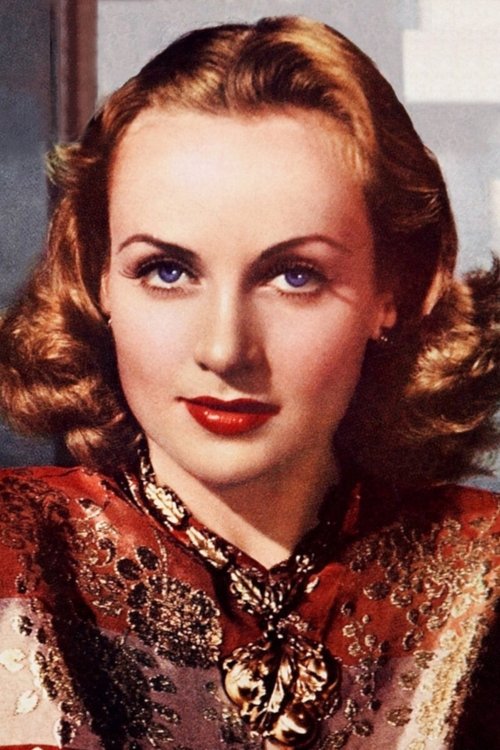
Carole Lombard appears with Cary Grant in 3 films held here: Sinners in the Sun (1932) as Doris Blake; The Eagle and the Hawk (1933) as The Beautiful Lady; In Name Only (1939) as Julie Eden.
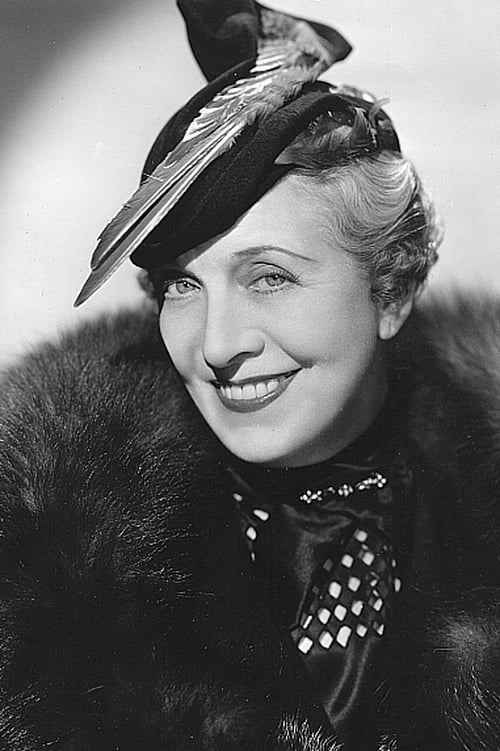
Cecil Cunningham appears with Cary Grant in 2 films held here: Blonde Venus (1932) as Cabaret Manager in Norfolk (uncredited); The Awful Truth (1937) as Aunt Patsy.
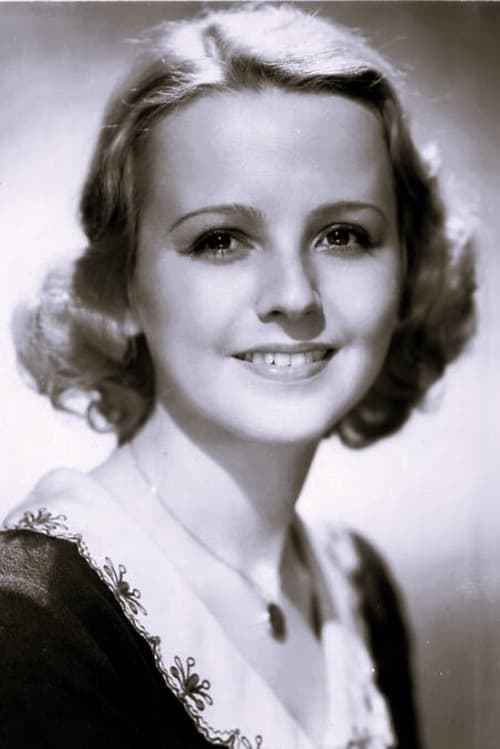
Charlotte Henry appears with Cary Grant in 1 film held here: Alice in Wonderland (1933) as Alice.
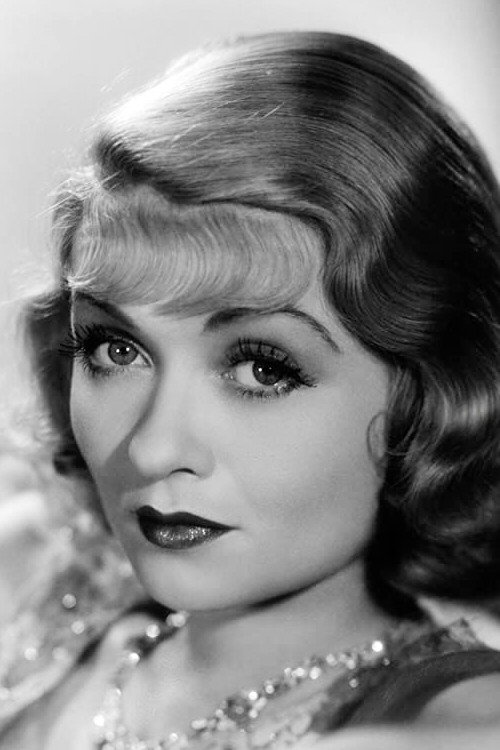
Bennett co-starred with Cary Grant in Topper (1937) and Topper Takes a Trip (1938), playing the ghostly Marion Kerby to Grant's George Kerby. Topper was significant for Grant as well: it was one of the first films to let him carry an extended comic role rather than a straight leading-man part, a step toward the light-comedy persona he would perfect later in the decade.
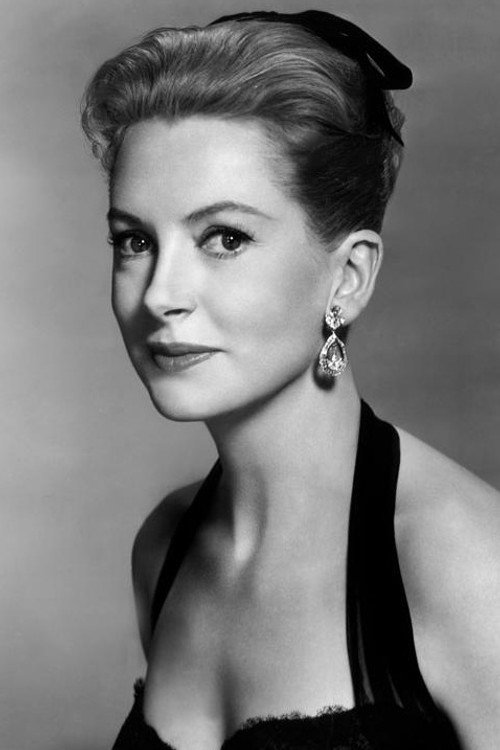
Kerr co-starred with Cary Grant three times: Dream Wife (1953), An Affair to Remember (1957), and The Grass Is Greener (1960). An Affair to Remember, modest in its initial reception, grew over subsequent decades into arguably the most widely beloved film either performer made, prized for the chemistry between Kerr's Terry McKay and Grant's Nickie Ferrante.
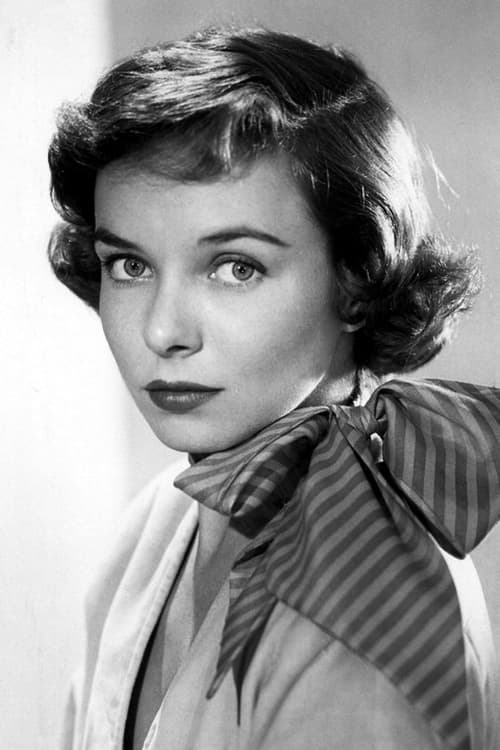
Diana Lynn appears with Cary Grant in 1 film held here: Every Girl Should Be Married (1948) as Julie Hudson.

Dina Merrill appears with Cary Grant in 1 film held here: Operation Petticoat (1959) as 2nd Lieutenant Barbara Duran.
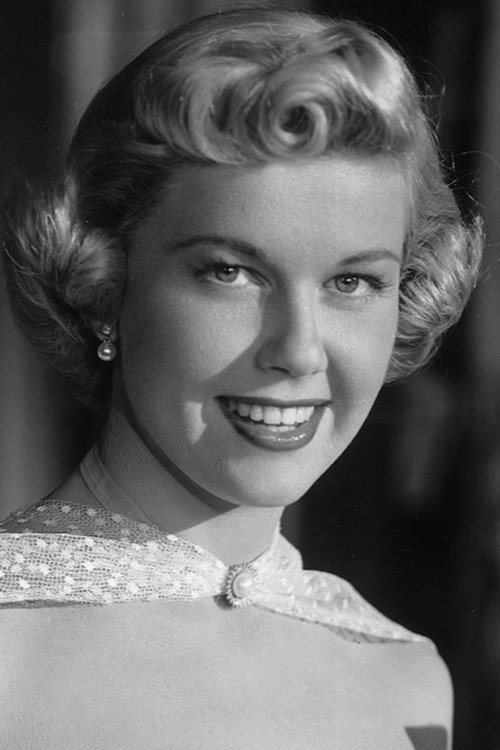
Day co-starred with Cary Grant in That Touch of Mink (1962), directed by Delbert Mann, a romantic comedy that was a substantial commercial hit and marked one of the last major romantic pairings of Grant's screen career, coming just four years before his retirement.
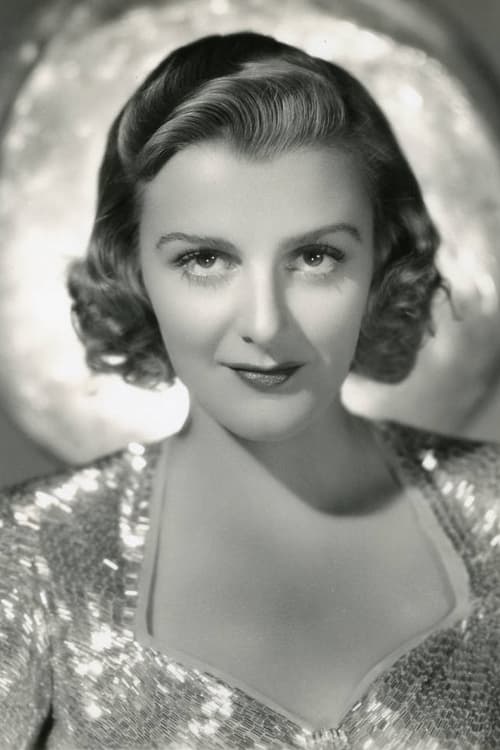
Doris Nolan appears with Cary Grant in 1 film held here: Holiday (1938) as Julia Seton.
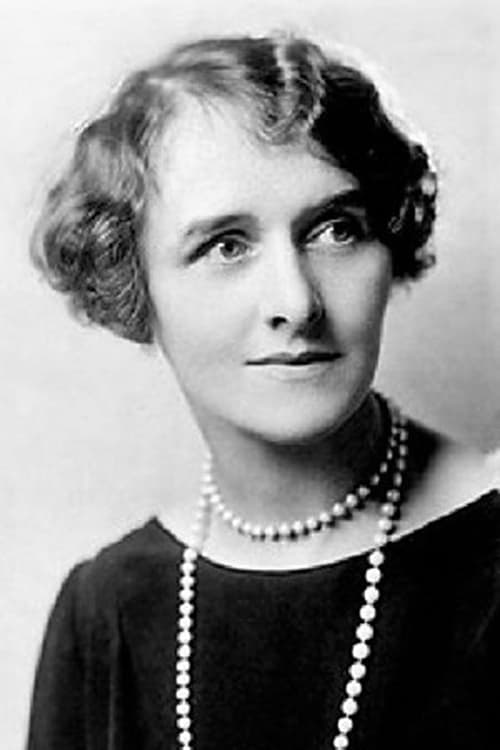
Elisabeth Risdon appears with Cary Grant in 2 films held here: The Howards of Virginia (1940) as Aunt Clarissa; Every Girl Should Be Married (1948) as Mary Nolan.
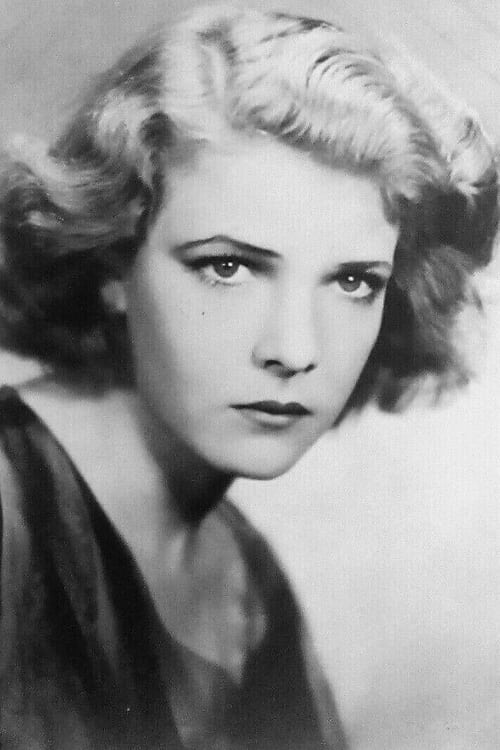
Elissa Landi appears with Cary Grant in 1 film held here: Enter Madame (1935) as Lisa Della Robbia.
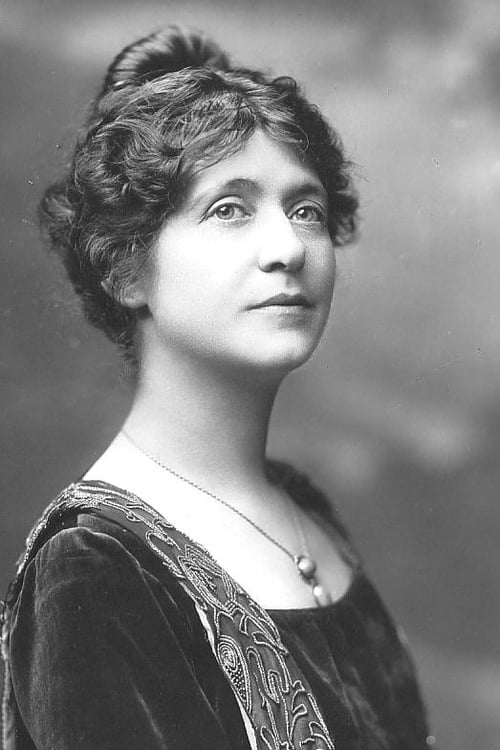
Emma Dunn appears with Cary Grant in 2 films held here: When You're in Love (1937) as Mrs. Hamilton; The Talk of the Town (1942) as Mrs. Shelley.
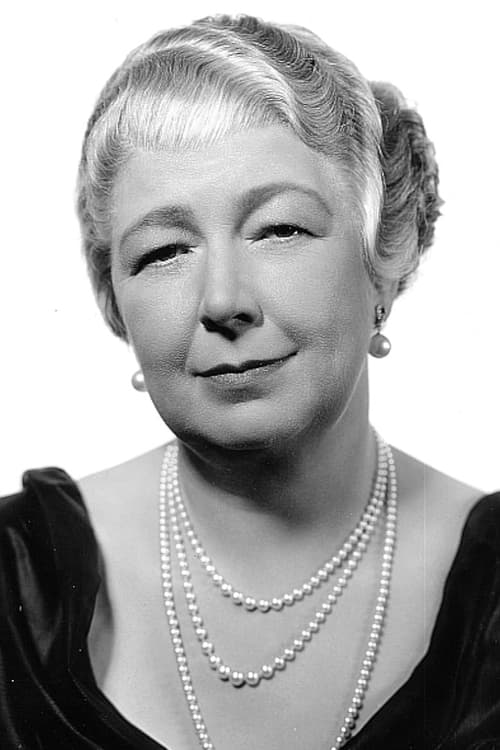
Esther Dale appears with Cary Grant in 2 films held here: The Awful Truth (1937) as Mrs. Leeson; Monkey Business (1952) as Mrs. Rhinelander.
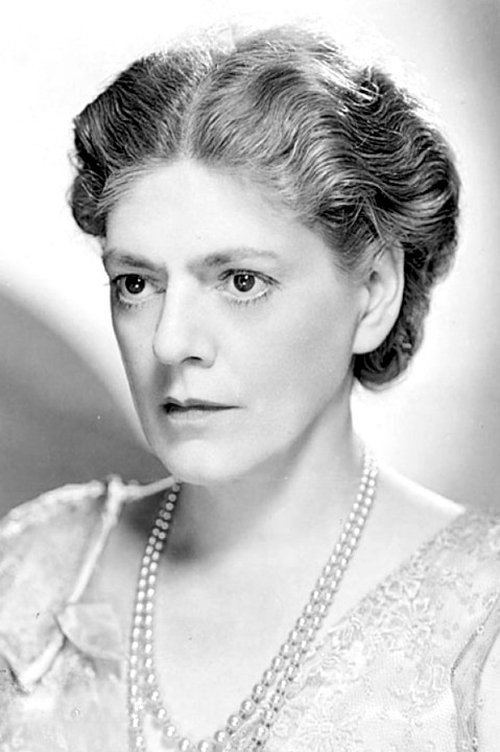
Ethel Barrymore appears with Cary Grant in 1 film held here: None But the Lonely Heart (1944) as Ma Mott.
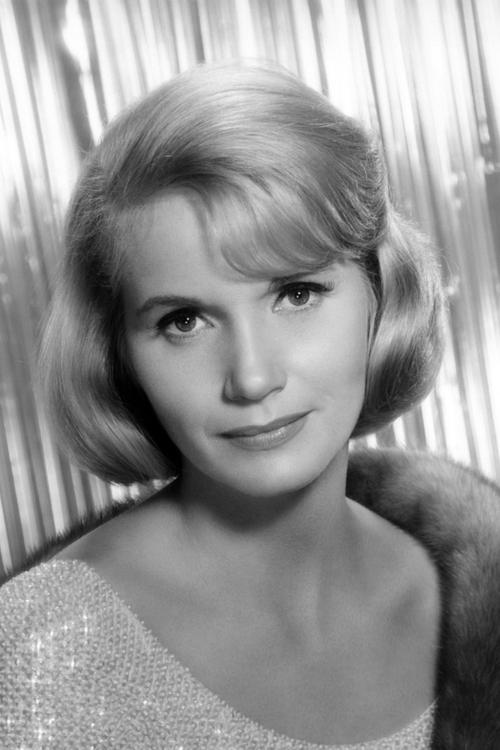
Eva Marie Saint co-starred with Cary Grant as Eve Kendall in Alfred Hitchcock's "North by Northwest" (1959), her most celebrated screen role and the only film she made with Grant.
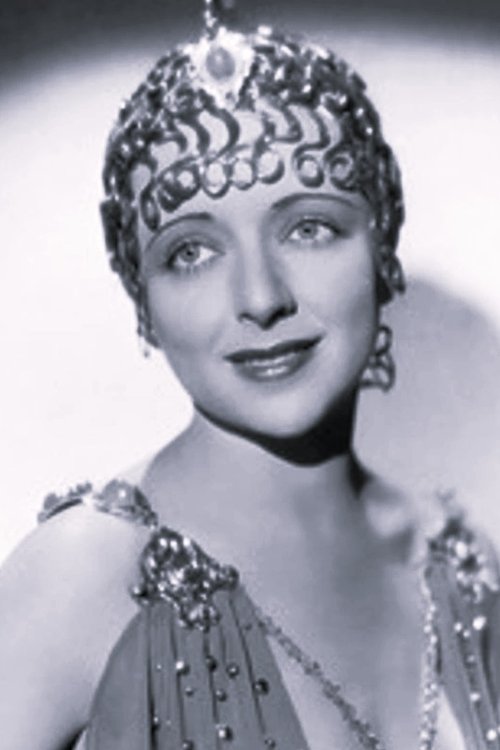
Ferike Boros appears with Cary Grant in 2 films held here: Once Upon a Honeymoon (1942) as Elsa; The Talk of the Town (1942) as Mrs. Pulaski (uncredited).
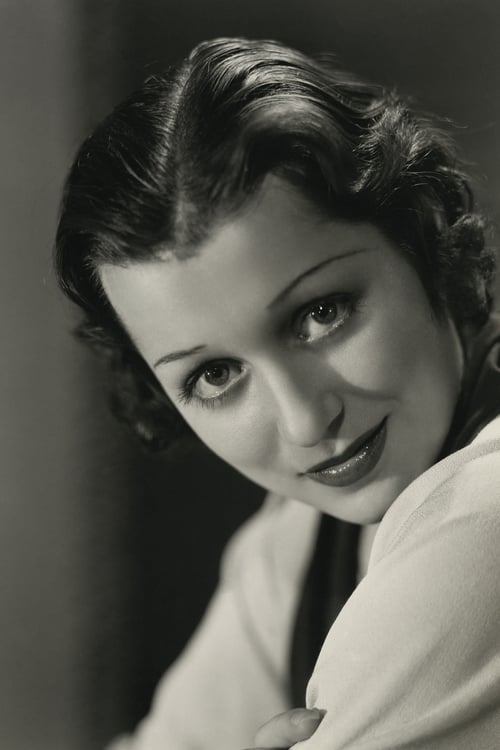
Frances Drake appears with Cary Grant in 1 film held here: Ladies Should Listen (1934) as Anna Mirelle.
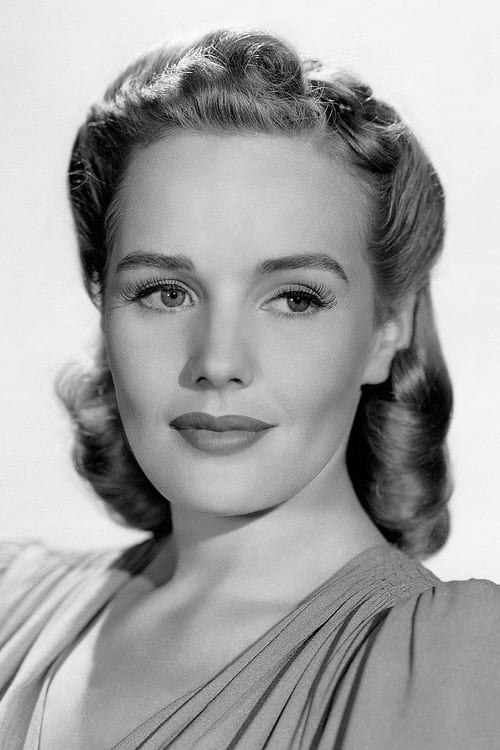
Frances Farmer appears with Cary Grant in 1 film held here: The Toast of New York (1937) as Josie Mansfield.
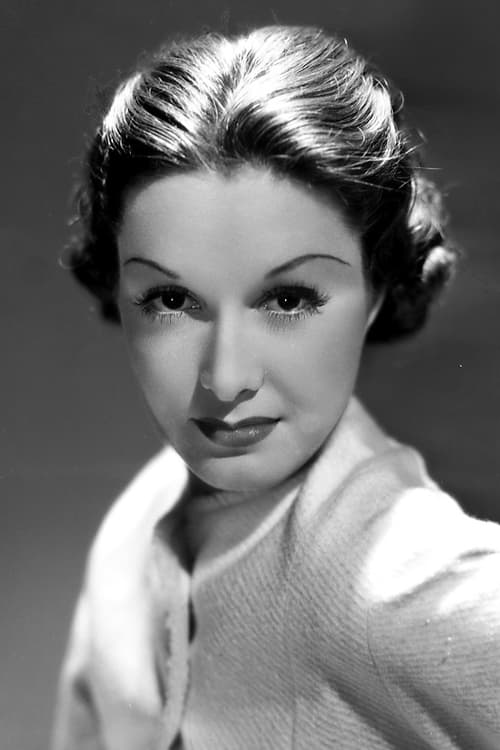
Gail Patrick appears with Cary Grant in 2 films held here: Gambling Ship (1933) as (uncredited); My Favorite Wife (1940) as Bianca Bates.
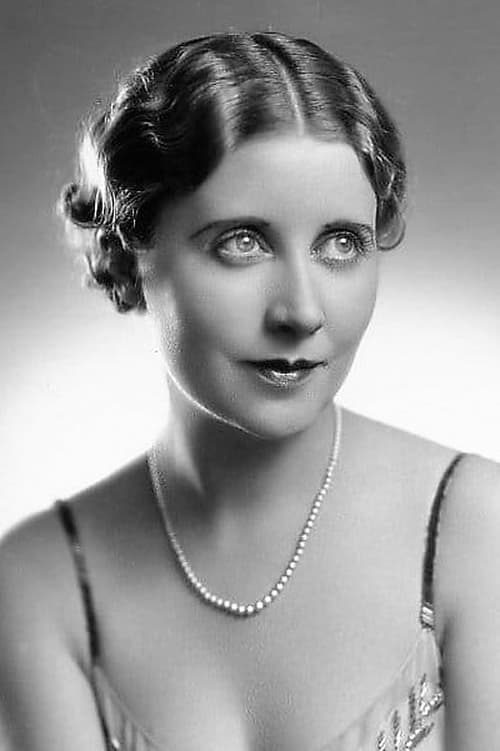
Genevieve Tobin appears with Cary Grant in 1 film held here: Kiss and Make-Up (1934) as Eve Caron.
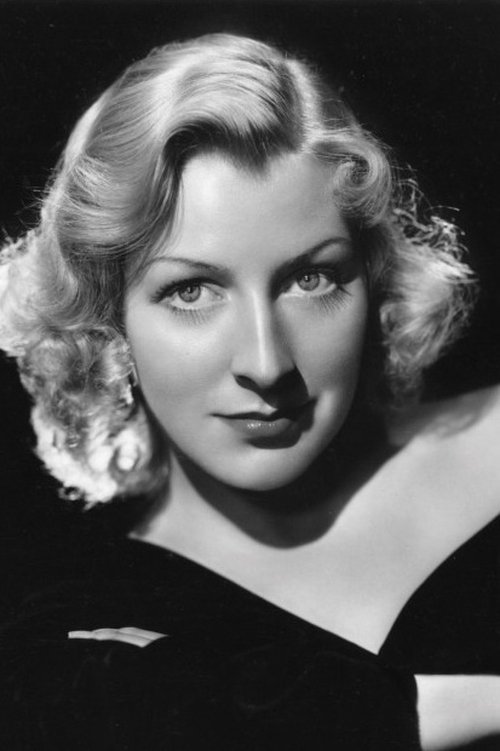
Gertrude Michael appears with Cary Grant in 2 films held here: I'm No Angel (1933) as Alicia Hatton; The Last Outpost (1935) as Rosemary Haydon.
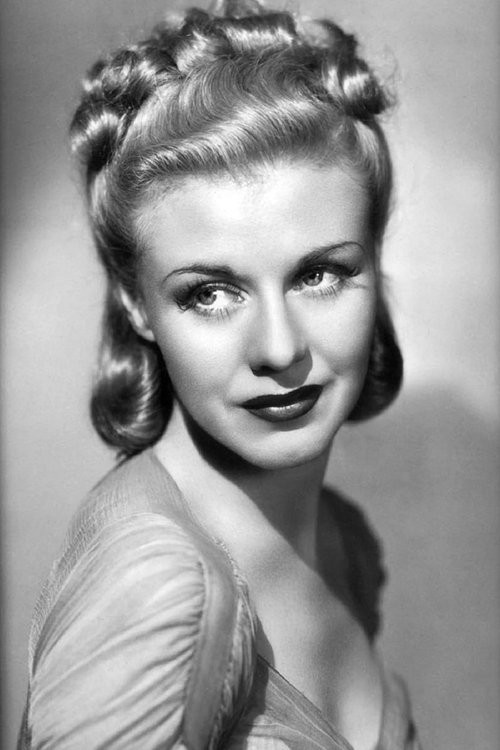
Ginger Rogers co-starred with Cary Grant in "Once Upon a Honeymoon" (1942), a wartime romantic comedy directed by Leo McCarey, and again in "Monkey Business" (1952), a screwball comedy directed by Howard Hawks with Marilyn Monroe in a supporting role.
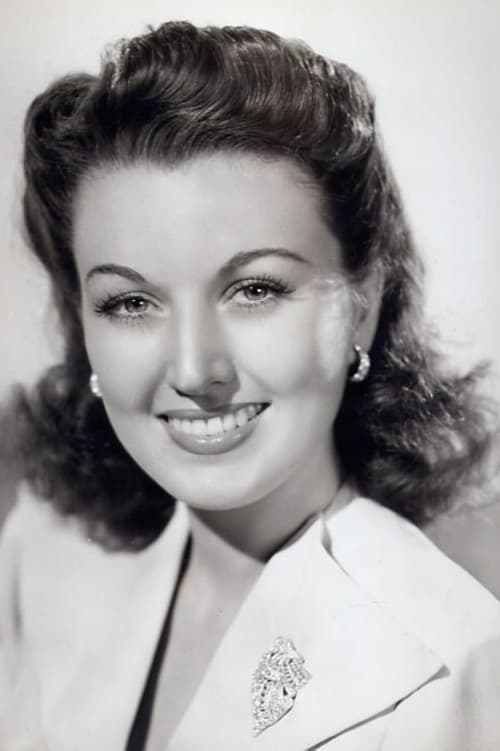
Ginny Simms appears with Cary Grant in 1 film held here: Night and Day (1946) as Carole Hill.

Gladys Cooper appears with Cary Grant in 2 films held here: Mr. Lucky (1943) as Veronica Steadman; The Bishop's Wife (1947) as Mrs. Hamilton.
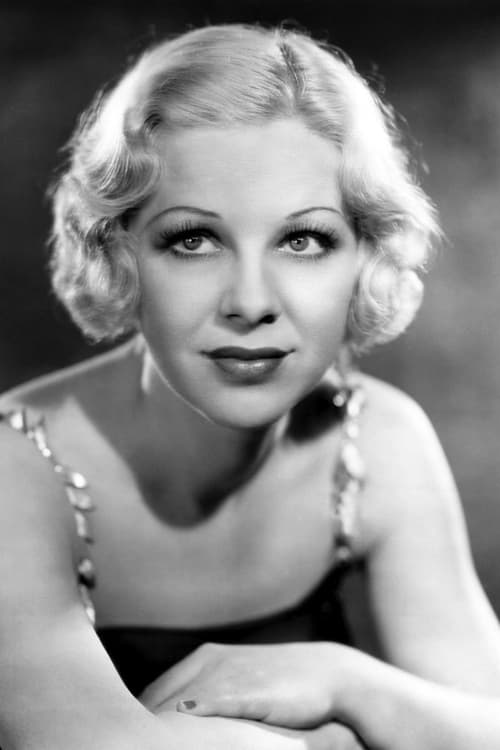
Glenda Farrell appears with Cary Grant in 2 films held here: Gambling Ship (1933) as Jeanne Sands; The Talk of the Town (1942) as Regina Bush.
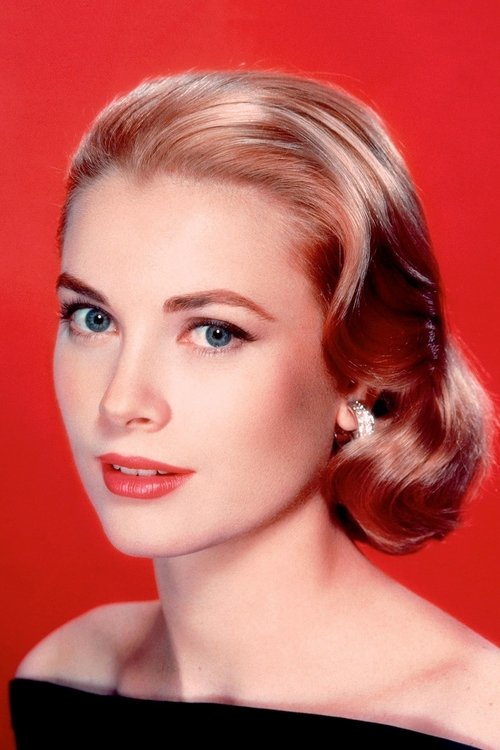
Grace Kelly starred opposite Cary Grant in "To Catch a Thief" (1955), directed by Alfred Hitchcock and shot on location on the French Riviera; the two remained close friends afterward, with Grant a regular visitor to Monaco and reportedly deeply affected by her death in 1982.
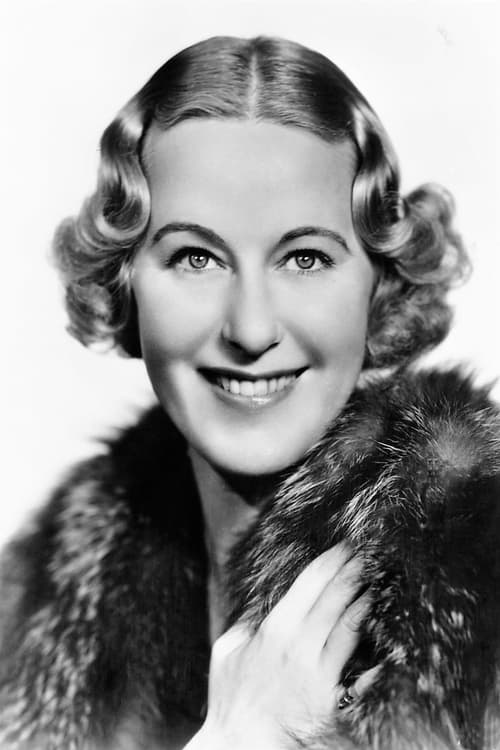
Grace Moore appears with Cary Grant in 1 film held here: When You're in Love (1937) as Louise Fuller.
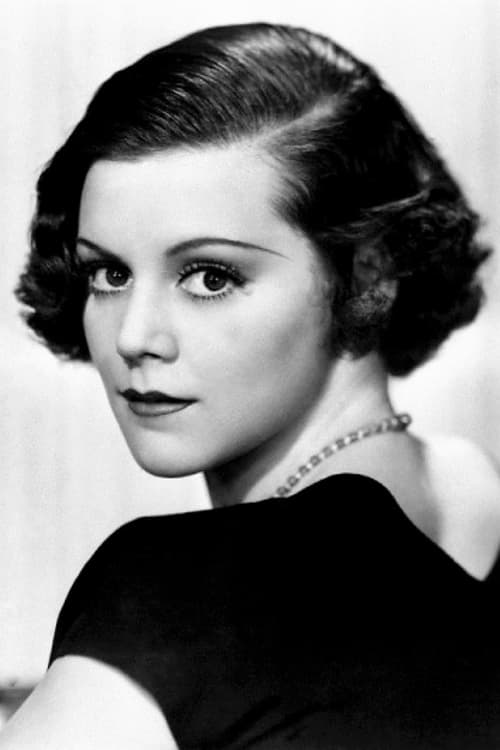
Helen Mack appears with Cary Grant in 2 films held here: Kiss and Make-Up (1934) as Anne; His Girl Friday (1940) as Mollie Malloy.
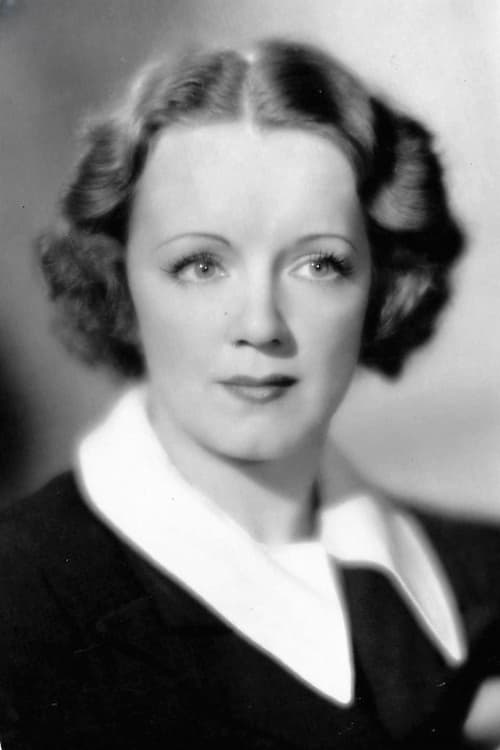
Inez Courtney appears with Cary Grant in 2 films held here: Suzy (1936) as Maisie; Wedding Present (1936) as Mary Lawson.
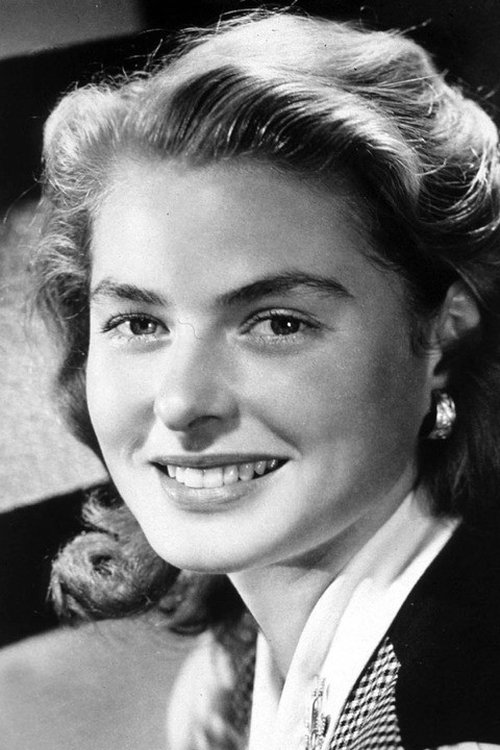
Ingrid Bergman starred opposite Cary Grant in Alfred Hitchcock's "Notorious" (1946) and later in the romantic comedy "Indiscreet" (1958), directed by Stanley Donen — the two films bookending her period of European exile after the Rossellini scandal.
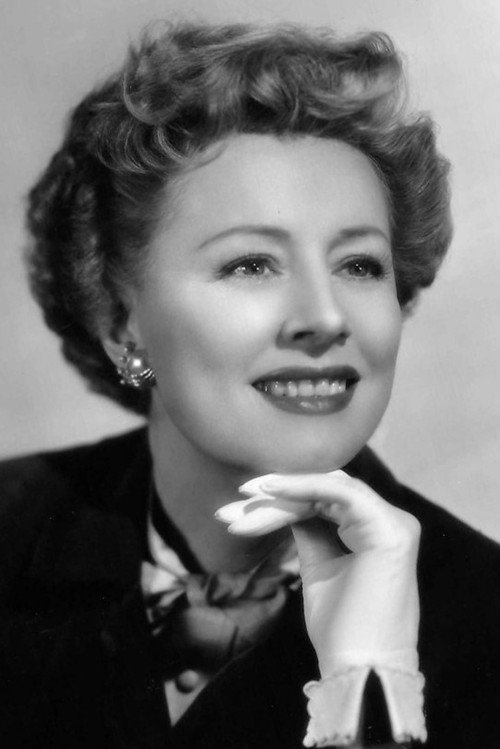
Dunne made three films with Cary Grant, all now considered classics of screwball and melodrama: The Awful Truth (1937, directed by Leo McCarey), My Favorite Wife (1940, directed by Garson Kanin and produced by McCarey), and Penny Serenade (1941, directed by George Stevens), for which Grant received his first Academy Award nomination for Best Actor. Their on-screen chemistry, built on Dunne's deadpan timing against Grant's exasperation, is frequently cited as one of the defining romantic-comedy partnerships of the studio era; no documented off-screen romantic relationship exists, but the two remained professionally admiring of one another in later interviews.

Janet Blair appears with Cary Grant in 1 film held here: Once Upon a Time (1944) as Jeannie Thompson.
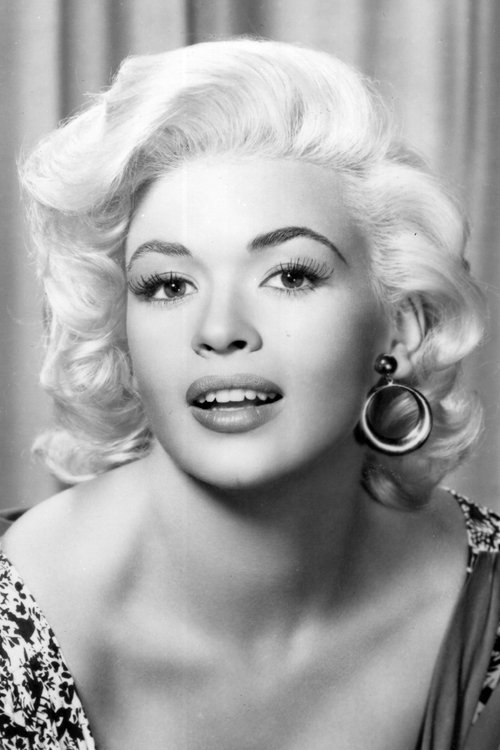
Jayne Mansfield appears with Cary Grant in 1 film held here: Kiss Them for Me (1957) as Alice Kratzner.
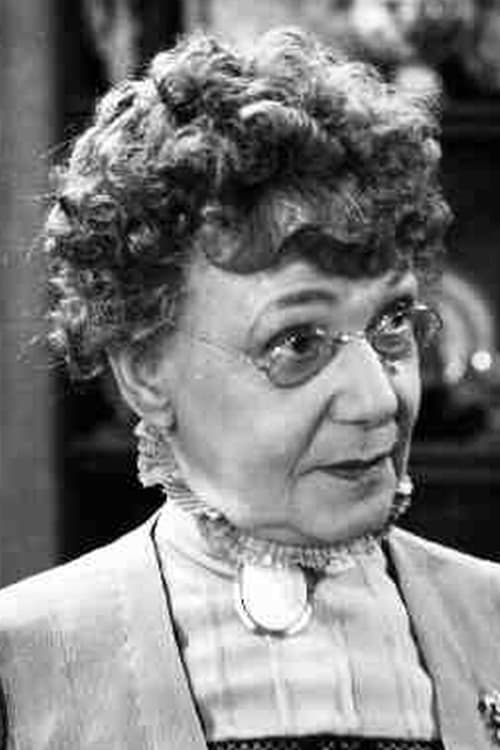
Jean Adair appears with Cary Grant in 1 film held here: Arsenic and Old Lace (1944) as Aunt Martha Brewster.
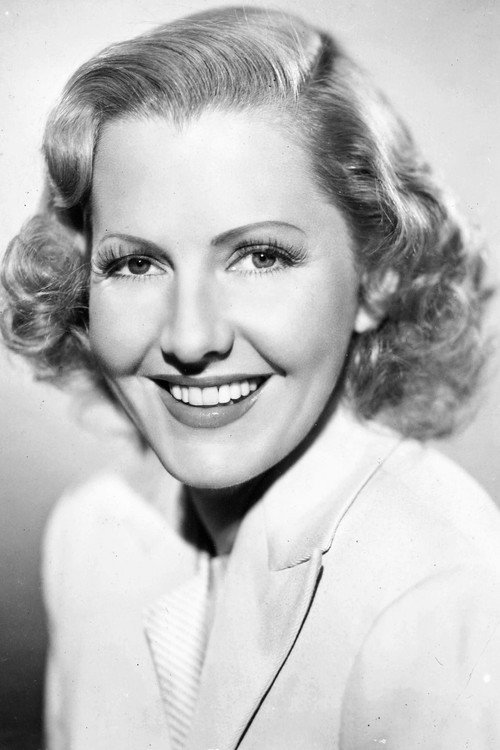
Arthur appeared with Cary Grant in two films: Only Angels Have Wings (1939), directed by Howard Hawks, in which she played showgirl Bonnie Lee opposite Grant's air-freight manager Geoff Carter; and The Talk of the Town (1942), directed by George Stevens, in which she starred alongside Grant and Ronald Colman in a love triangle blending comedy with social commentary. No personal relationship beyond these two productions is documented.
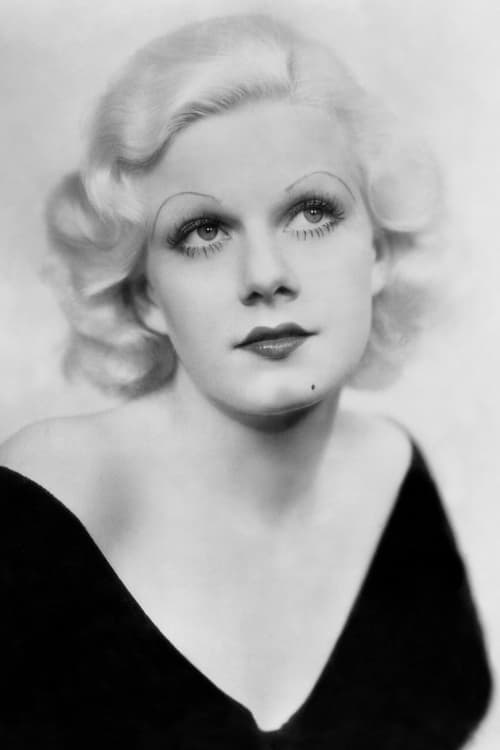
Jean Harlow appears with Cary Grant in 1 film held here: Suzy (1936) as Suzy.
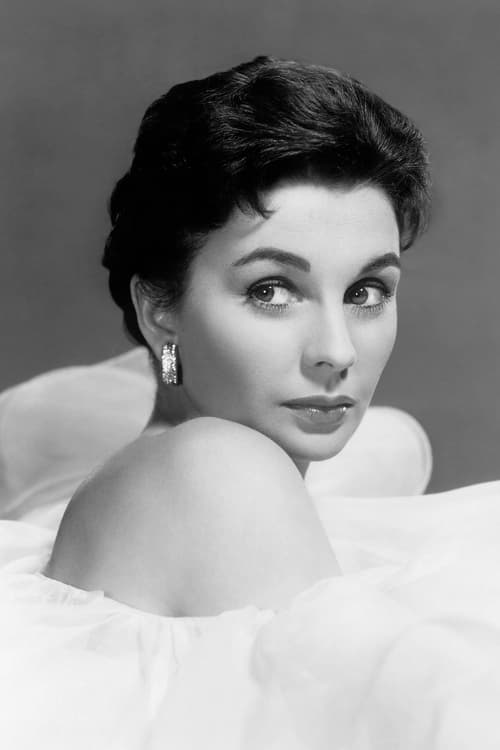
Jean Simmons appears with Cary Grant in 1 film held here: The Grass Is Greener (1960) as Hattie Durant.
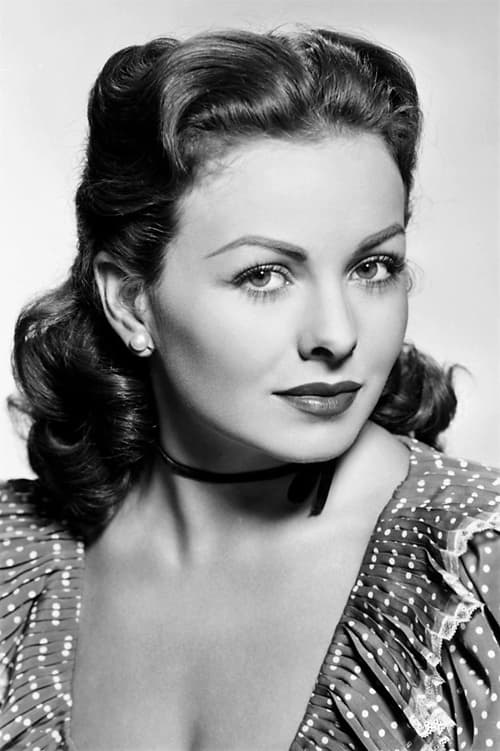
Jeanne Crain appears with Cary Grant in 1 film held here: People Will Talk (1951) as Deborah Higgins.

Jessie Royce Landis appears with Cary Grant in 2 films held here: To Catch a Thief (1955) as Jessie Stevens; North by Northwest (1959) as Clara Thornhill.

Joan Bennett appears with Cary Grant in 2 films held here: Big Brown Eyes (1936) as Eve Fallon; Wedding Present (1936) as Monica 'Rusty' Fleming.
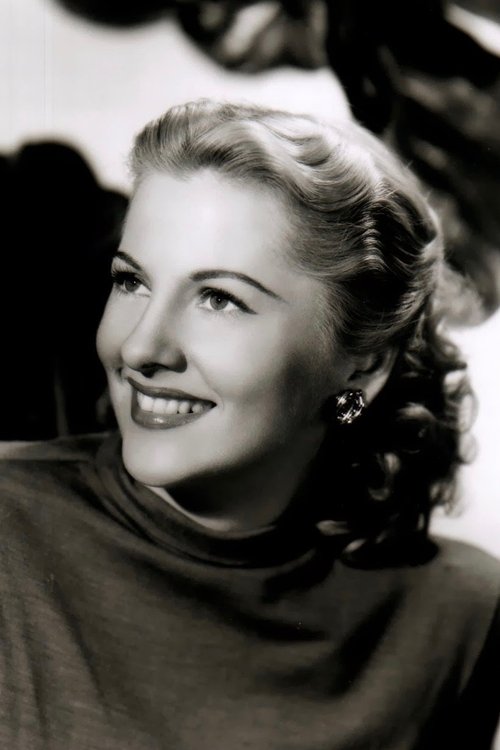
Fontaine starred opposite Cary Grant in one film, Alfred Hitchcock's Suspicion (1941), playing Lina McLaidlaw, a wealthy woman who marries and grows to suspect her charming, financially reckless husband, played by Grant, of planning to murder her. Fontaine won the Academy Award for Best Actress for the role, the only Oscar-winning performance in any Hitchcock film. No further collaborations or documented personal relationship between Fontaine and Grant exist beyond this production.
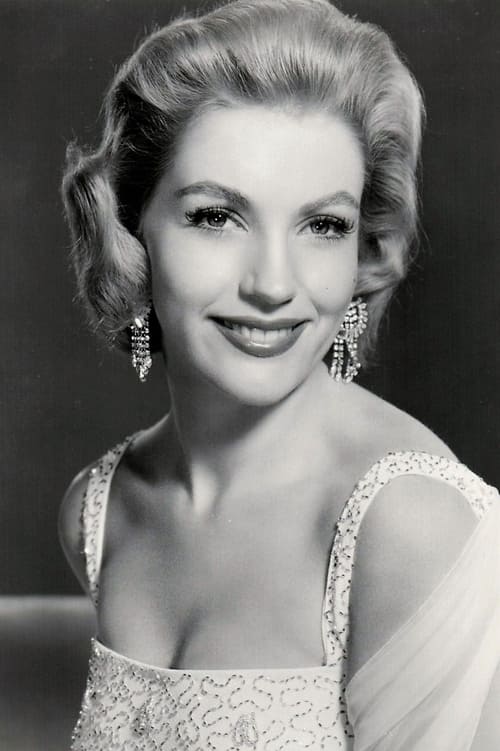
Joan O'Brien appears with Cary Grant in 1 film held here: Operation Petticoat (1959) as 2nd Lieutenant Dolores Crandall.
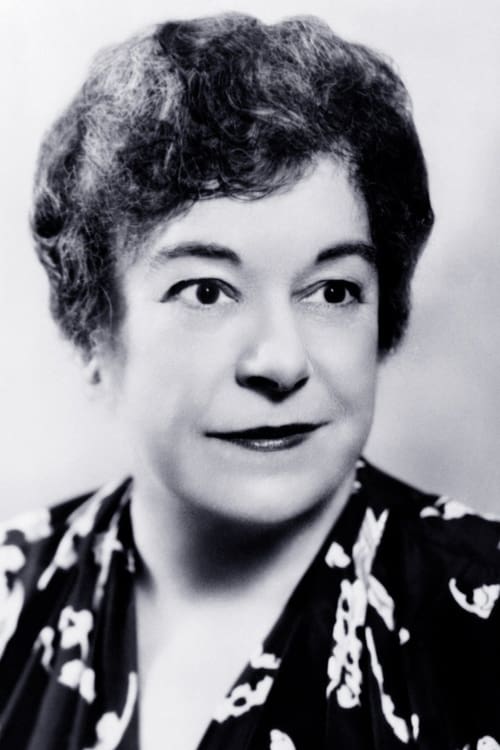
Josephine Hull appears with Cary Grant in 1 film held here: Arsenic and Old Lace (1944) as Aunt Abby Brewster.
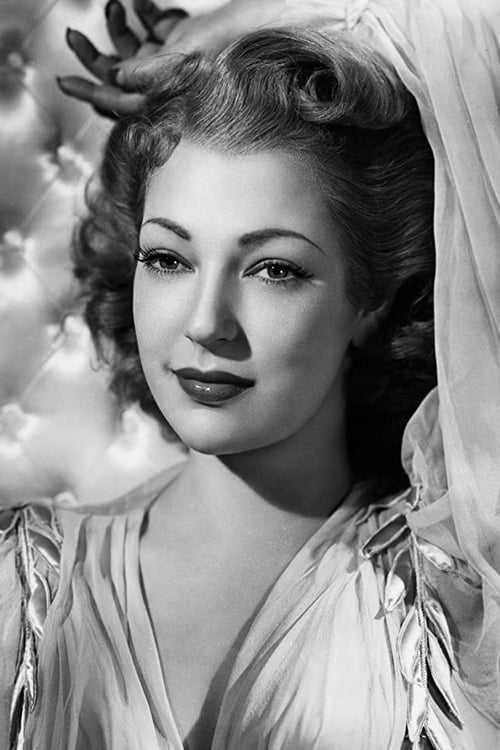
June Duprez appears with Cary Grant in 1 film held here: None But the Lonely Heart (1944) as Ada Brantline.
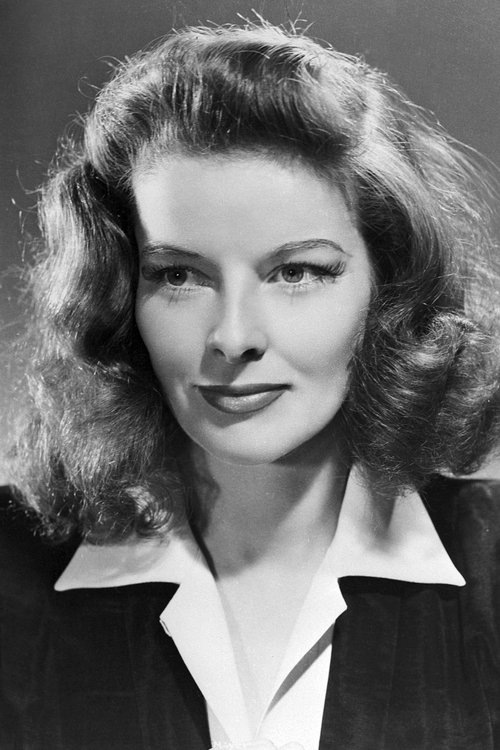
Hepburn appeared with Cary Grant in four films: Sylvia Scarlett (1935, directed by George Cukor), Bringing Up Baby (1938, directed by Howard Hawks), Holiday (1938, directed by George Cukor), and The Philadelphia Story (1940, directed by George Cukor, also starring James Stewart). The pairing is considered one of the defining screen partnerships of the screwball era; no documented romantic relationship between the two existed, but they remained lifelong professional admirers, and Hepburn later spoke warmly of Grant's comic instincts in interviews.
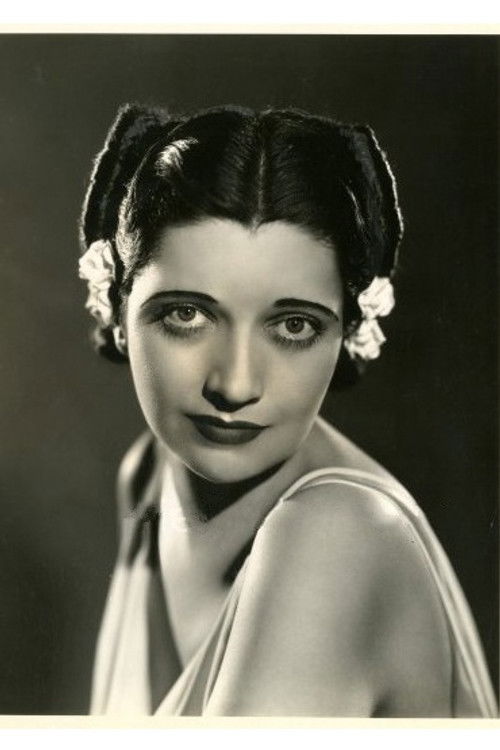
Kay Francis appears with Cary Grant in 1 film held here: In Name Only (1939) as Maida Walker.
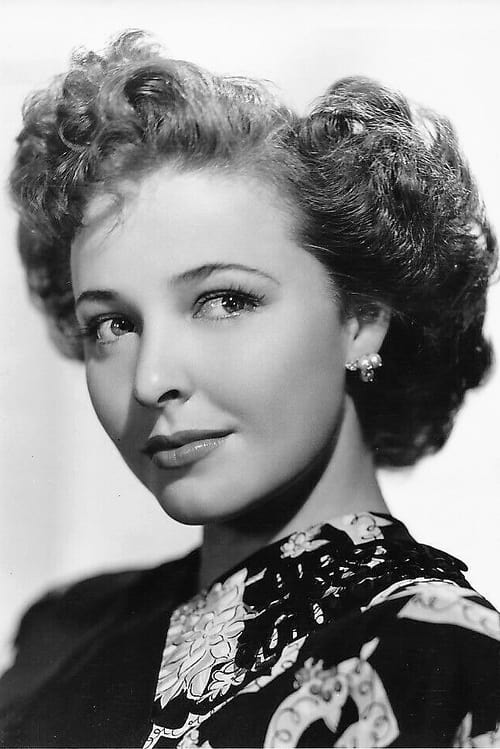
Laraine Day appears with Cary Grant in 1 film held here: Mr. Lucky (1943) as Dorothy Bryant.
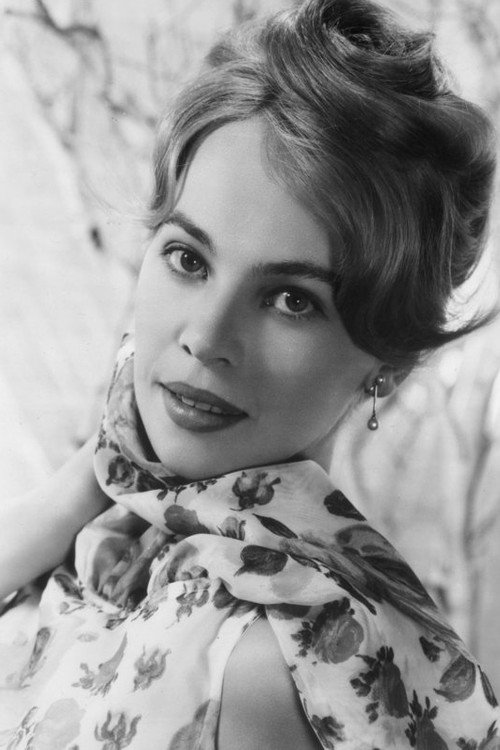
Caron starred opposite Cary Grant in one film, Father Goose (1964), a World War II-set romantic comedy directed by Ralph Nelson, in which Grant played a reluctant coast-watcher and Caron played a French schoolteacher stranded with her students on his island. No further collaborations or documented personal relationship beyond this production are recorded.

Lili Damita appears with Cary Grant in 1 film held here: This Is the Night (1932) as Germaine.
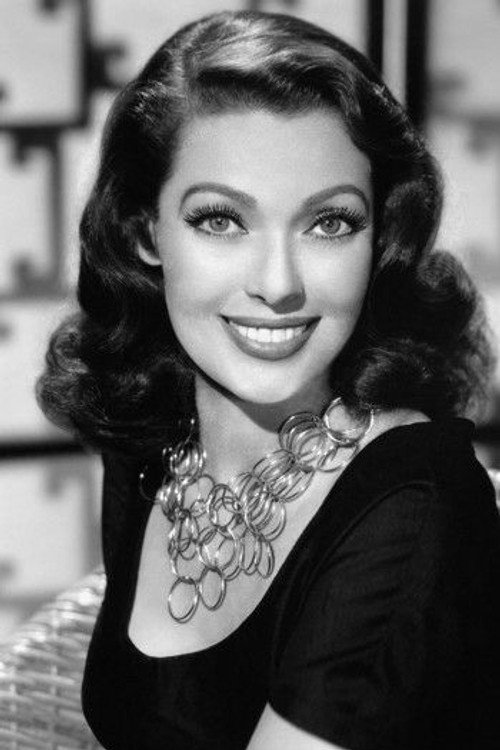
Young appeared with Cary Grant in one film, Born to Be Bad (1934), a pre-Code drama directed by Lowell Sherman, in which Young played an unwed mother who pursues a wealthy man played by Grant after her son is injured in an accident involving his truck. No further collaborations or documented personal relationship beyond this production are recorded.
Louise Beavers appears with Cary Grant in 2 films held here: She Done Him Wrong (1933) as Pearl; Mr. Blandings Builds His Dream House (1948) as Gussie.
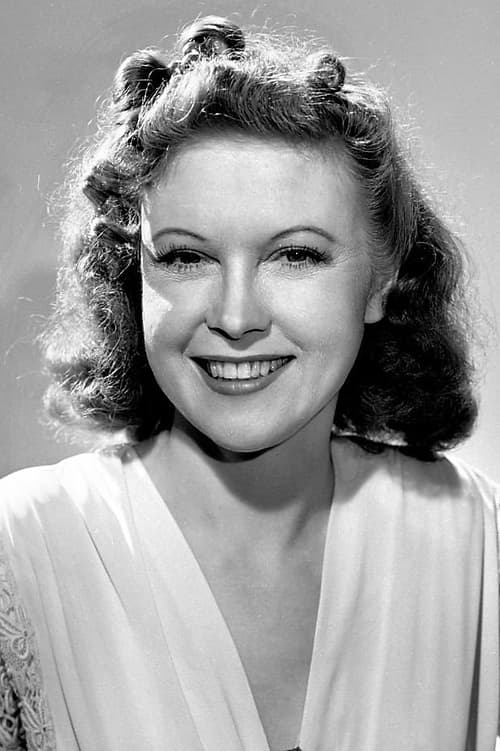
Lurene Tuttle appears with Cary Grant in 2 films held here: Mr. Blandings Builds His Dream House (1948) as Mary; Room for One More (1952) as Miss Kenyon.
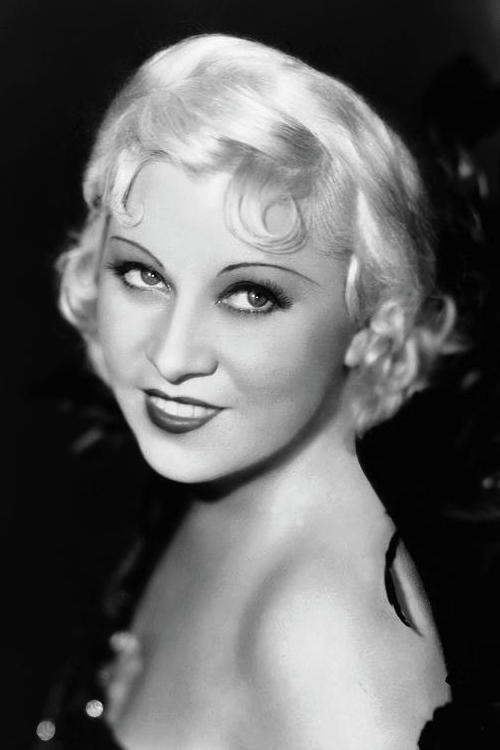
West starred opposite Cary Grant in two films, both in 1933: She Done Him Wrong, adapted from her play Diamond Lil, and I'm No Angel, for which West received sole story and screenplay credit. West is widely credited with having personally selected Grant, then a lesser-known contract actor, for these roles, helping launch his stardom; both films were major box-office hits for Paramount Pictures.
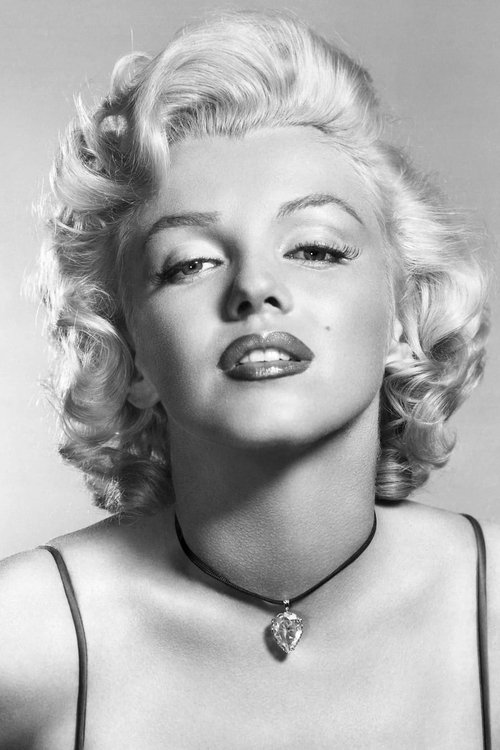
Marilyn Monroe appears with Cary Grant in 1 film held here: Monkey Business (1952) as Lois Laurel.
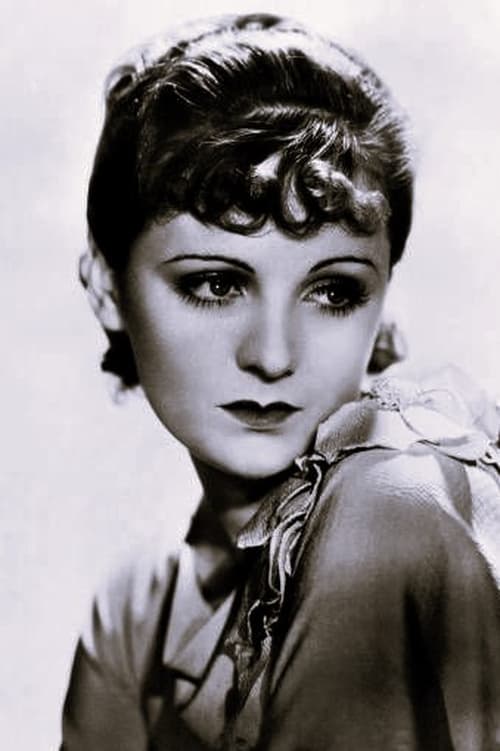
Marion Burns appears with Cary Grant in 1 film held here: Born to Be Bad (1934) as Mrs. Trevor.
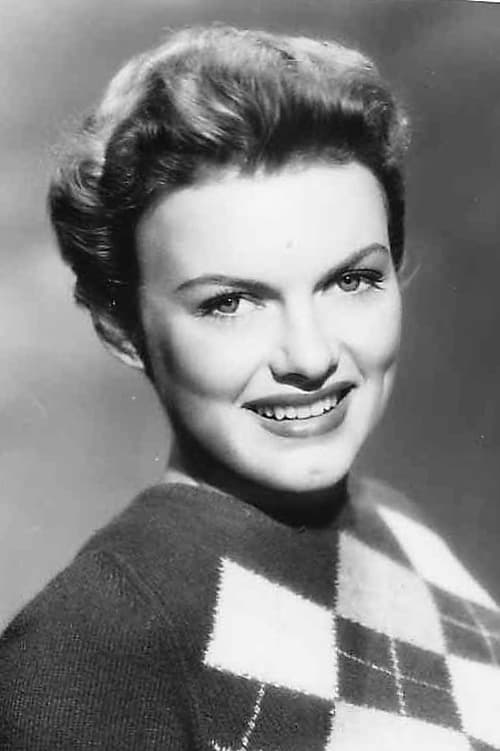
Marion Marshall appears with Cary Grant in 1 film held here: I Was a Male War Bride (1949) as Lt. Kitty Lawrence.
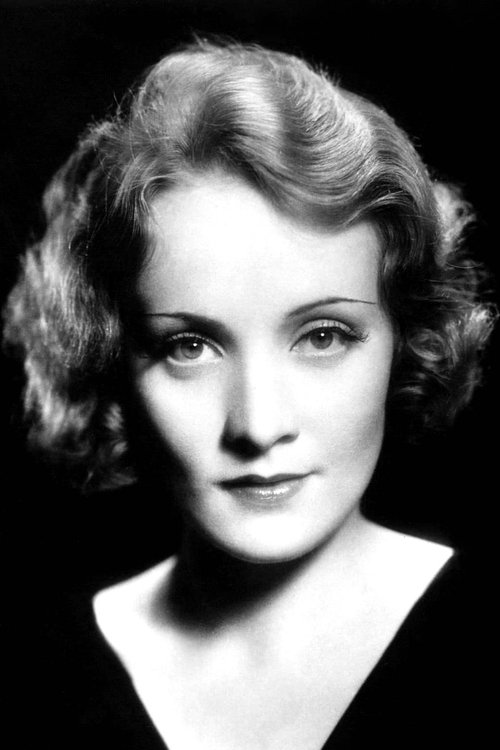
Dietrich starred opposite Cary Grant in one film, Blonde Venus (1932), directed by Josef von Sternberg, in which Grant played Nick Townsend, a wealthy man who becomes involved with Dietrich's character, a cabaret performer supporting her ailing husband. Dietrich wrote the original story on which the film was based. No further collaborations or documented personal relationship beyond this production are recorded.
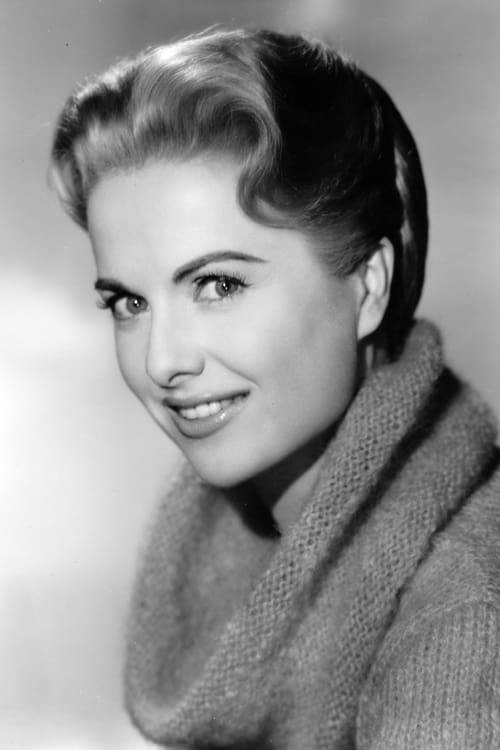
Martha Hyer appears with Cary Grant in 1 film held here: Houseboat (1958) as Carolyn Gibson.

Martha Scott appears with Cary Grant in 1 film held here: The Howards of Virginia (1940) as Jane Peyton-Howard.
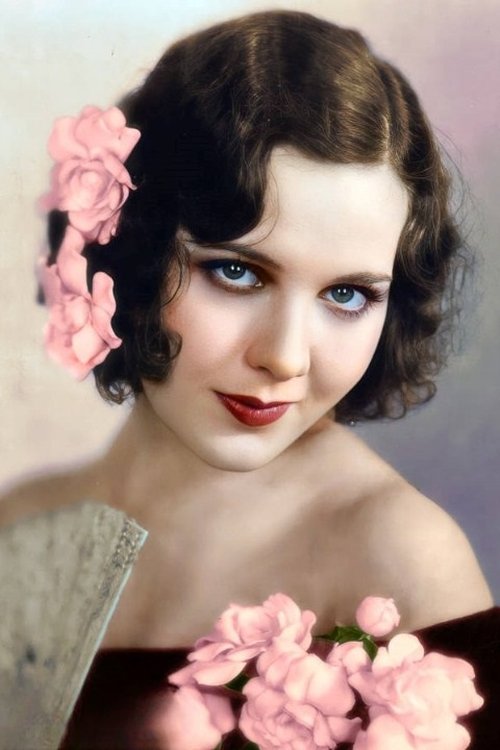
Mary Brian appears with Cary Grant in 1 film held here: The Amazing Quest of Ernest Bliss (1936) as Frances Clayton.
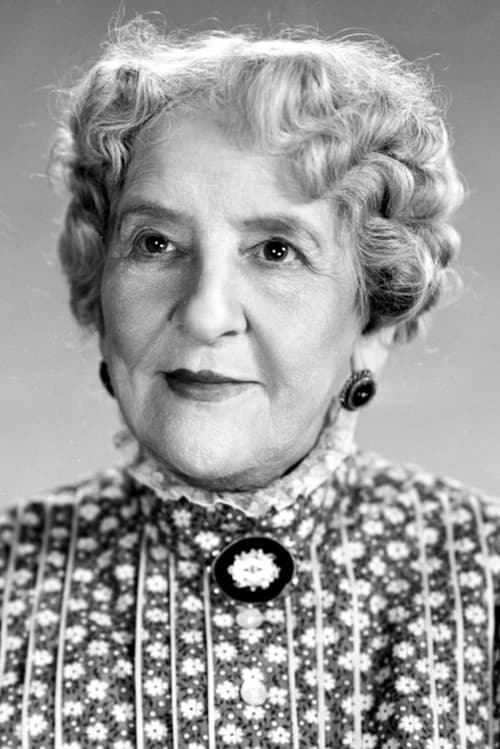
May Robson appears with Cary Grant in 2 films held here: Alice in Wonderland (1933) as Queen Of Hearts; Bringing Up Baby (1938) as Aunt Elizabeth.
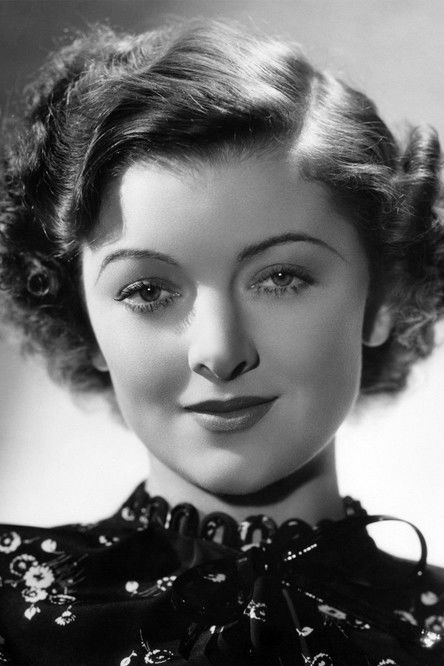
Co-starred with Grant in Wings in the Dark (1935), The Bachelor and the Bobby-Soxer (1947), and Mr. Blandings Builds His Dream House (1948). No documented personal relationship beyond these professional collaborations.
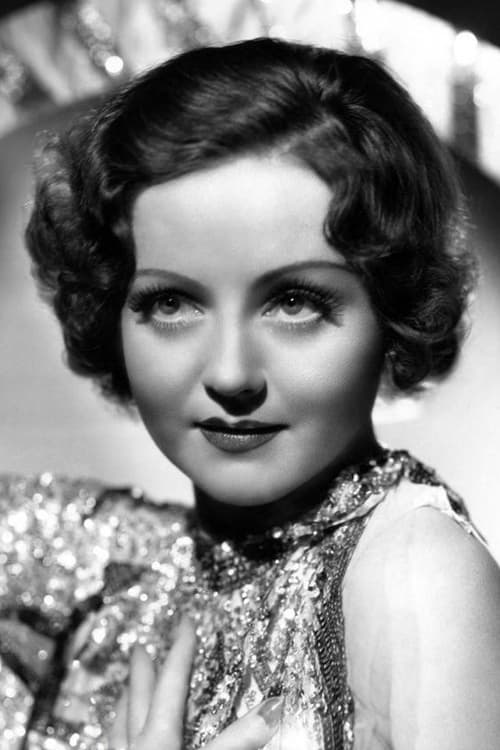
Nancy Carroll appears with Cary Grant in 2 films held here: Hot Saturday (1932) as Ruth Brock; Woman Accused (1933) as Glenda O'Brien.
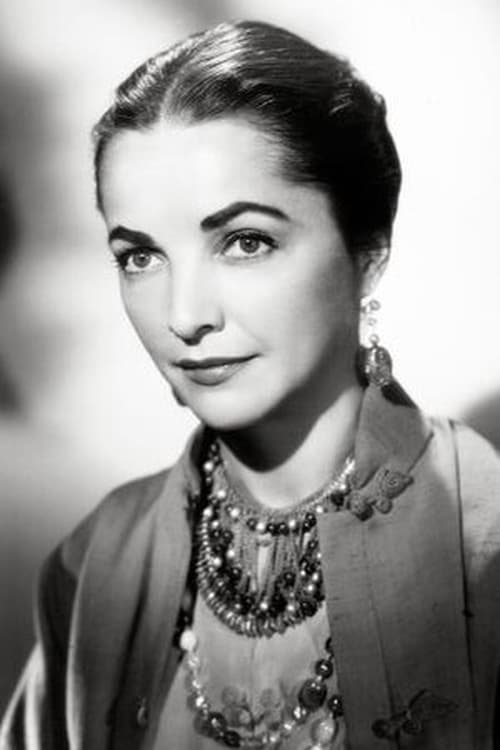
Neva Patterson appears with Cary Grant in 1 film held here: An Affair to Remember (1957) as Lois Clark.
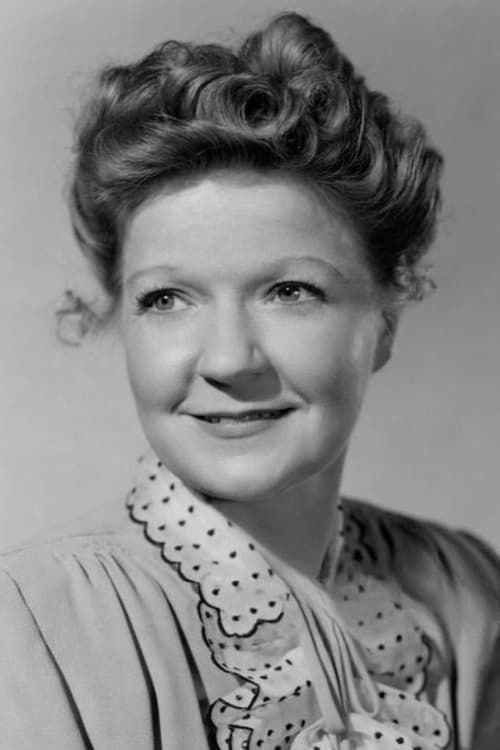
Nydia Westman appears with Cary Grant in 1 film held here: Ladies Should Listen (1934) as Susi Flamberg.

Paula Raymond appears with Cary Grant in 1 film held here: Crisis (1950) as Helen Ferguson.
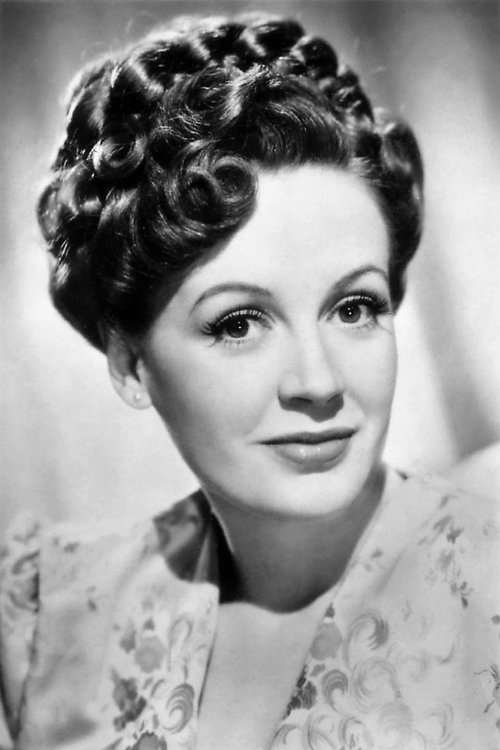
Phyllis Calvert appears with Cary Grant in 1 film held here: Indiscreet (1958) as Mrs. Margaret Munson.
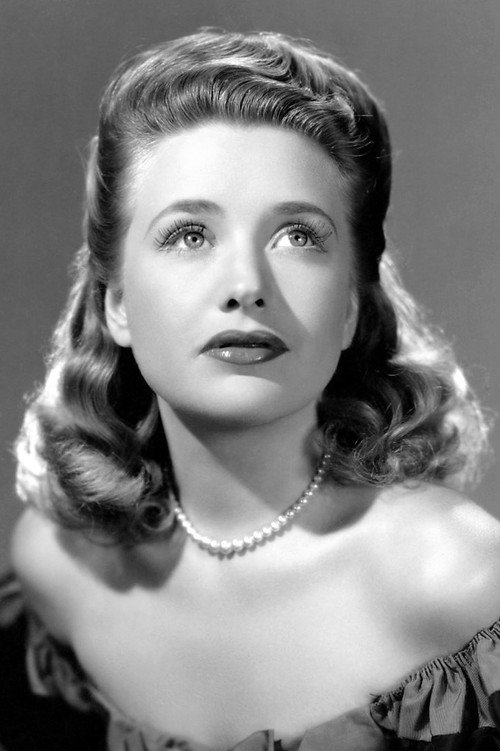
Played Elaine Harper, the newlywed bride, opposite Grant's Mortimer Brewster in Frank Capra's Arsenic and Old Lace, filmed in 1941 and released in 1944. No other collaborations or documented personal connection are recorded.
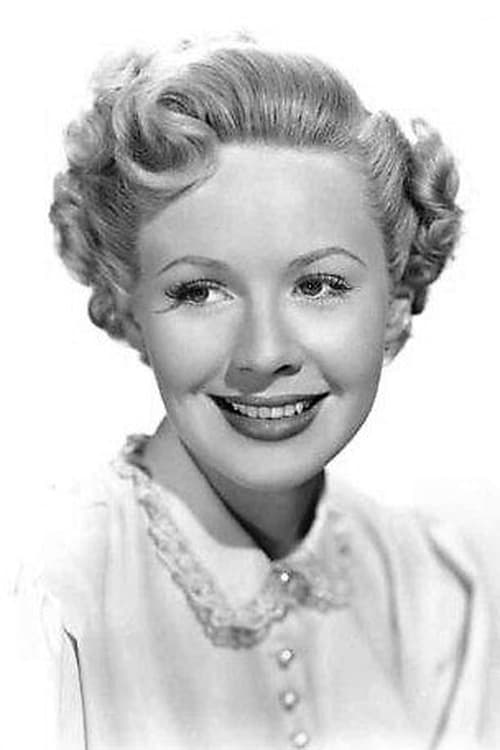
Randy Stuart appears with Cary Grant in 2 films held here: I Was a Male War Bride (1949) as Lt. Eloise Billings; Room for One More (1952) as Mrs. Gladys Foreman.

Rita Hayworth appears with Cary Grant in 1 film held here: Only Angels Have Wings (1939) as Judy.
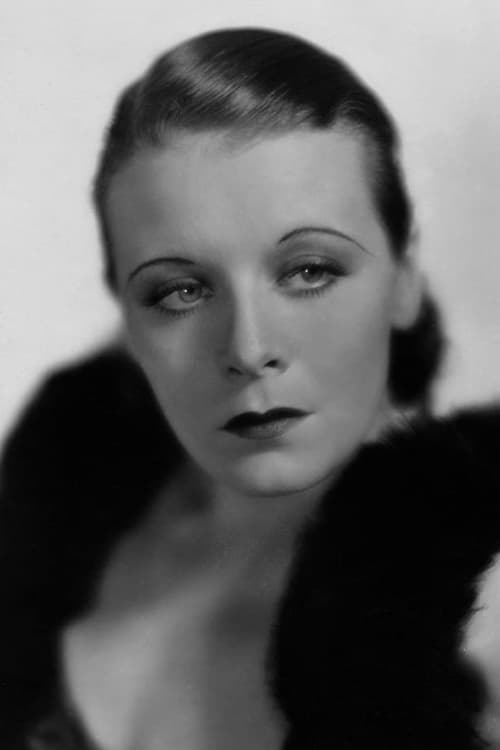
Rita La Roy appears with Cary Grant in 3 films held here: Blonde Venus (1932) as 'Taxi Belle' Hooper; Sinners in the Sun (1932) as Lil; Hot Saturday (1932) as Camille.
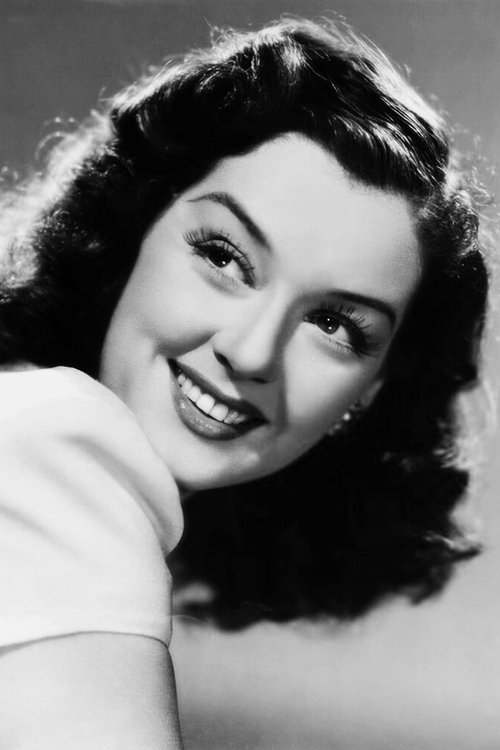
Played Hildy Johnson opposite Grant's Walter Burns in His Girl Friday (1940), Howard Hawks's remake of The Front Page. She was not the director's first choice for the role. Their rapid overlapping dialogue in the film remains a benchmark of American screen comedy pacing.

Ruth Hussey appears with Cary Grant in 1 film held here: The Philadelphia Story (1940) as Elizabeth 'Liz' Imbrie.
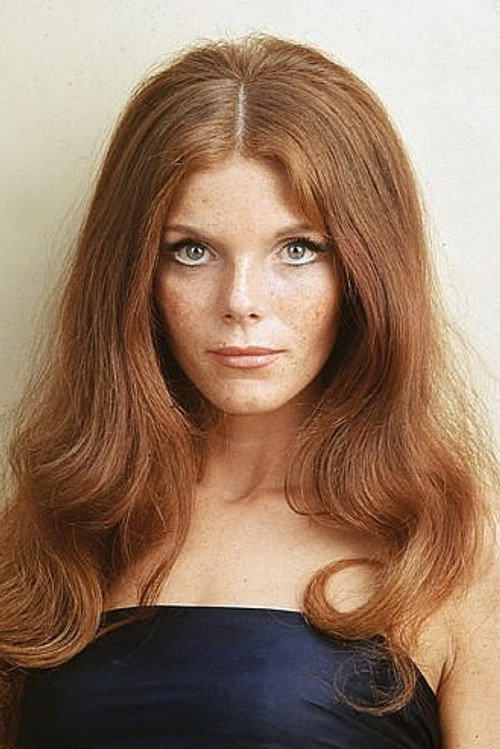
Co-starred with Grant in Walk, Don't Run (1966), which proved to be the final theatrical film of Grant's career. No other collaboration or personal connection is documented.

Sharon Lynn appears with Cary Grant in 1 film held here: Enter Madame (1935) as Flora Preston (as Sharon Lynne).
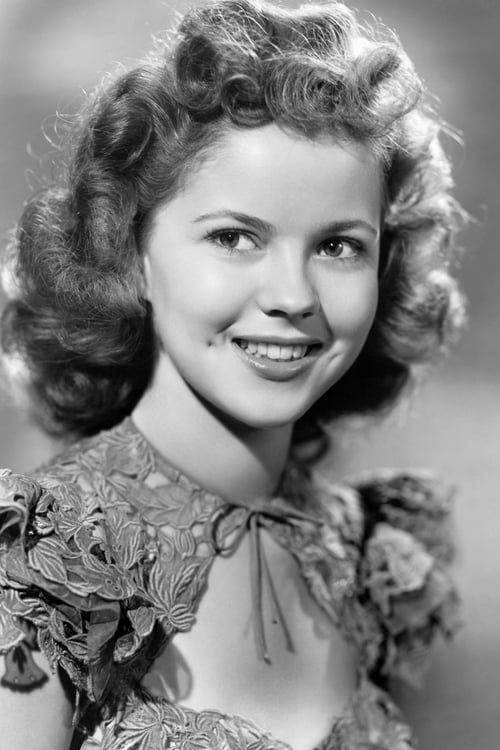
Shirley Temple appears with Cary Grant in 1 film held here: The Bachelor and the Bobby-Soxer (1947) as Susan.
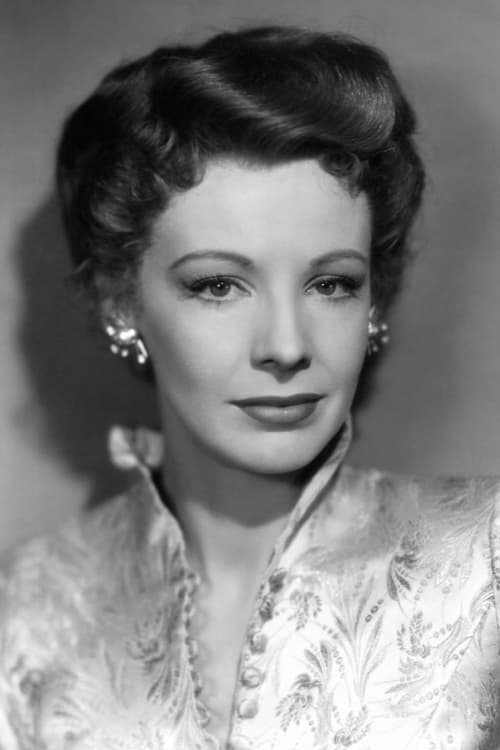
Signe Hasso appears with Cary Grant in 1 film held here: Crisis (1950) as Senora Isabel Farrago.
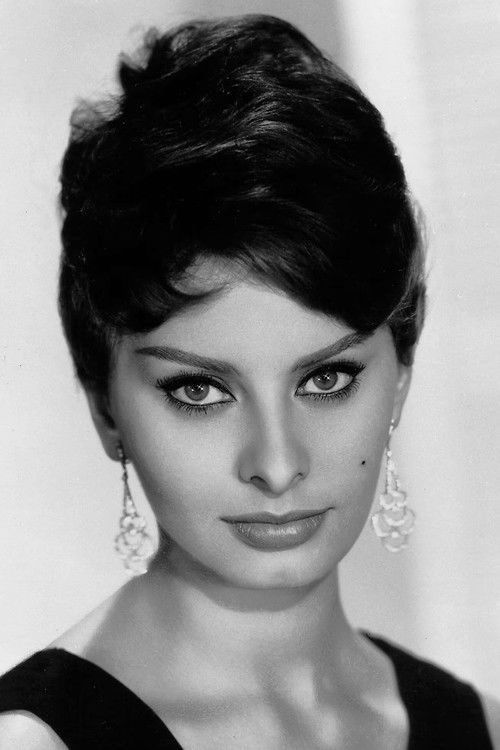
Co-starred with Grant in The Pride and the Passion (1957) and Houseboat (1958). During the first production, while married to Betsy Drake, Grant fell in love with Loren and proposed marriage; she declined and married Carlo Ponti that year. Houseboat was made afterward, with Drake's original story credit removed from the film.
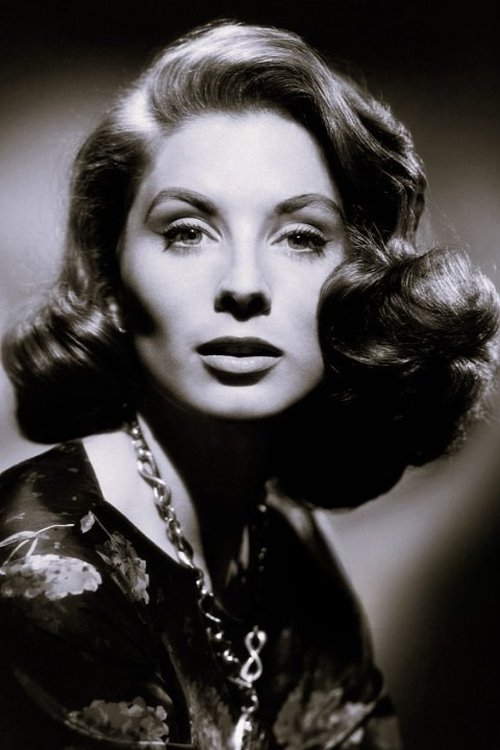
Suzy Parker appears with Cary Grant in 1 film held here: Kiss Them for Me (1957) as Gwinneth Livingston.
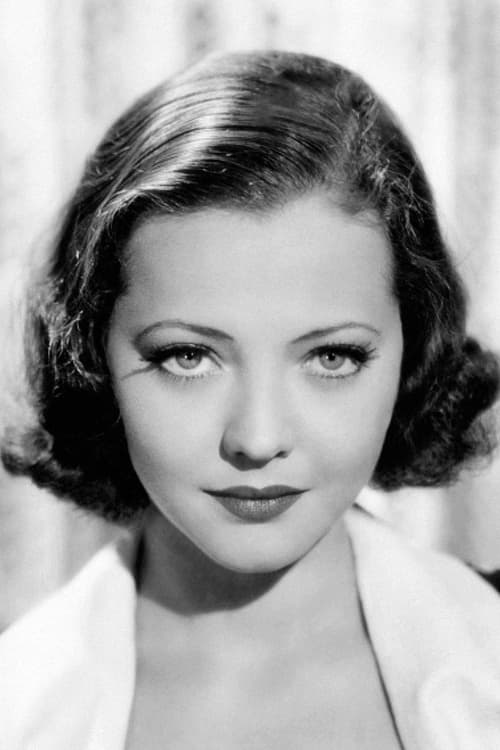
Sylvia Sidney appears with Cary Grant in 3 films held here: Madame Butterfly (1932) as Cho-cho San; Merrily We Go to Hell (1932) as Joan Prentice; Thirty Day Princess (1934) as Nancy Lane / Princess Catterina.
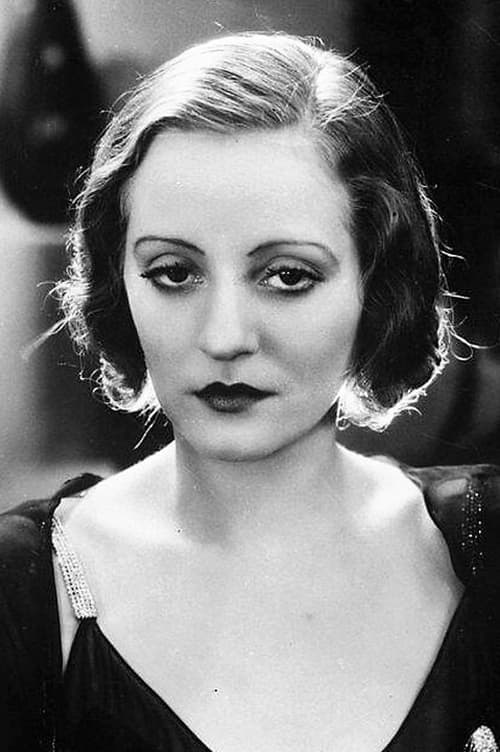
Tallulah Bankhead appears with Cary Grant in 1 film held here: Devil and the Deep (1932) as Diana Sturm.
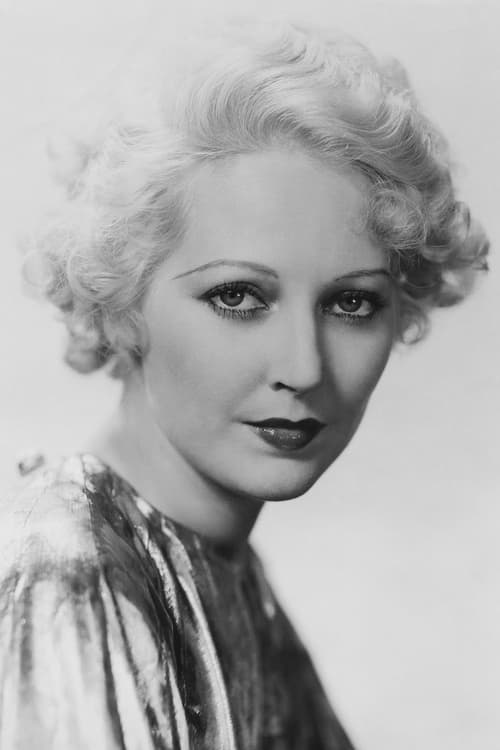
Thelma Todd appears with Cary Grant in 1 film held here: This Is the Night (1932) as Claire Mathewson.
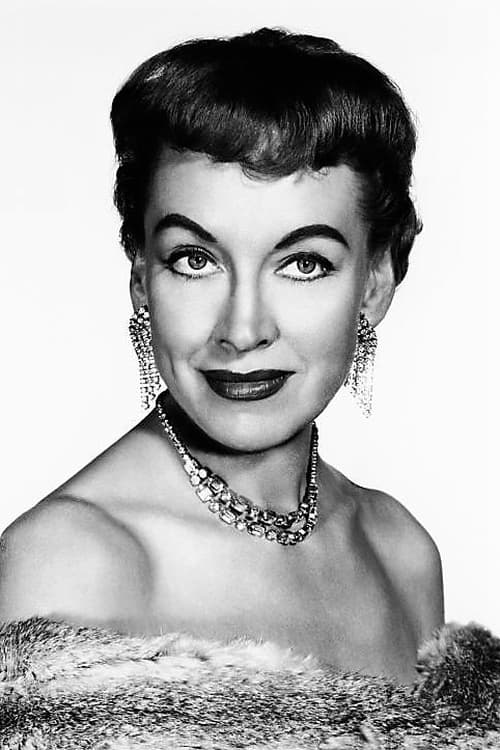
Virginia Gregg appears with Cary Grant in 2 films held here: Notorious (1946) as File Clerk (uncredited); Operation Petticoat (1959) as Major Edna Heywood.
Actors and Players
Rivals, foils, antagonists and friends.
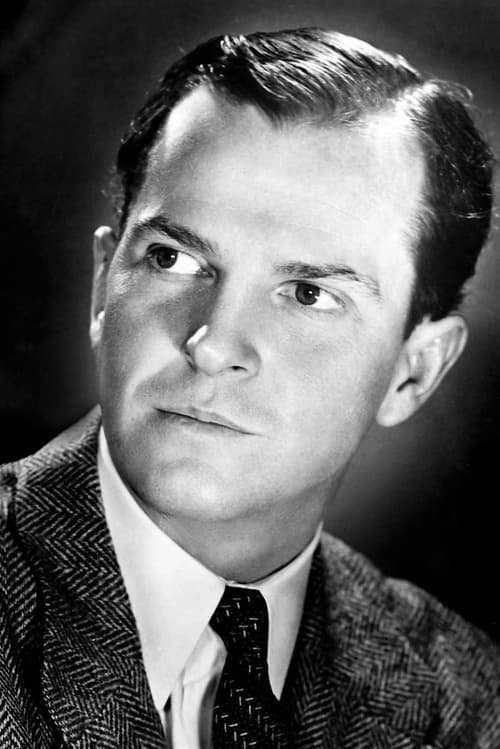
Alan Baxter appears with Cary Grant in 2 films held here: Big Brown Eyes (1936) as Carey Butler; In Name Only (1939) as Charley.
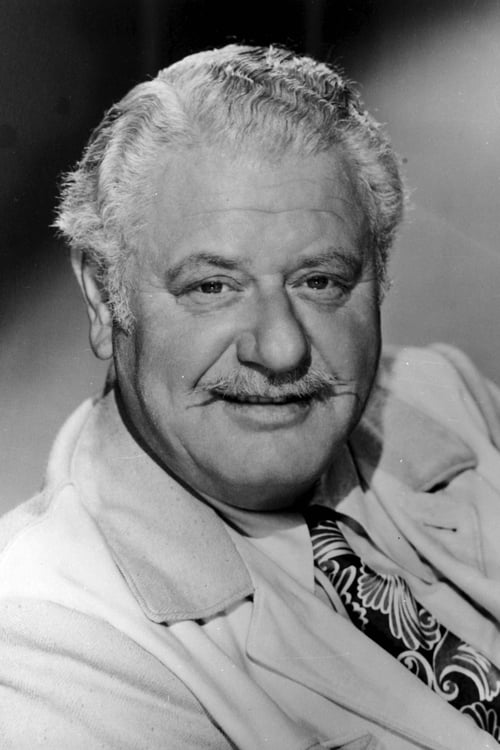
Alan Hale appears with Cary Grant in 2 films held here: Destination Tokyo (1943) as 'Cookie' Wainwright; Night and Day (1946) as Leon Dowling.
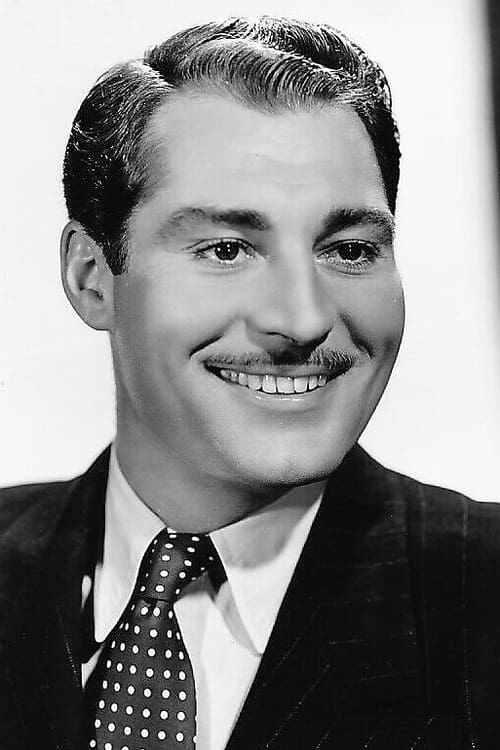
Alan Marshal appears with Cary Grant in 1 film held here: The Howards of Virginia (1940) as Roger Peyton.
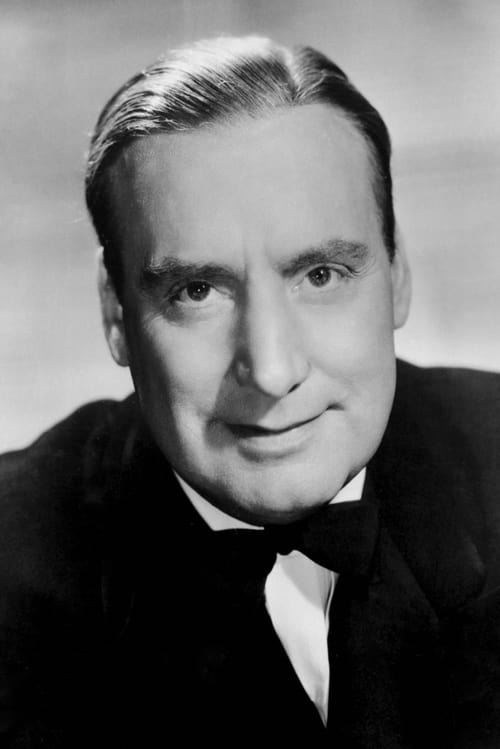
Alan Mowbray appears with Cary Grant in 2 films held here: Topper (1937) as Wilkins; Every Girl Should Be Married (1948) as Mr. Spitzer.
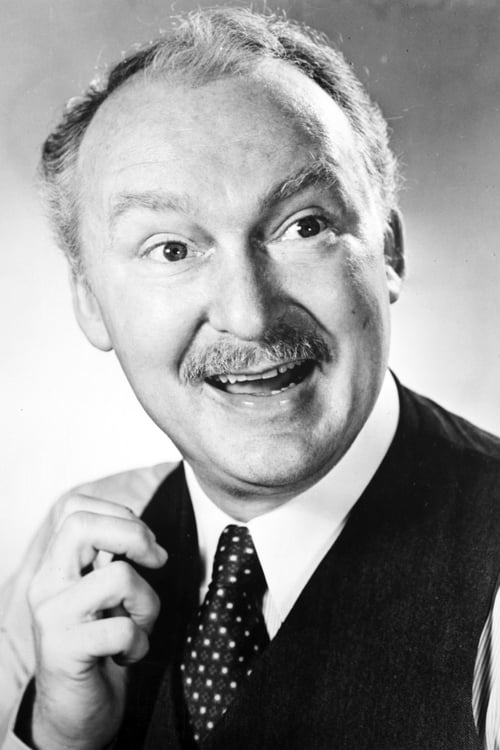
Albert Dekker appears with Cary Grant in 1 film held here: Once Upon a Honeymoon (1942) as Gaston Le Blanc.
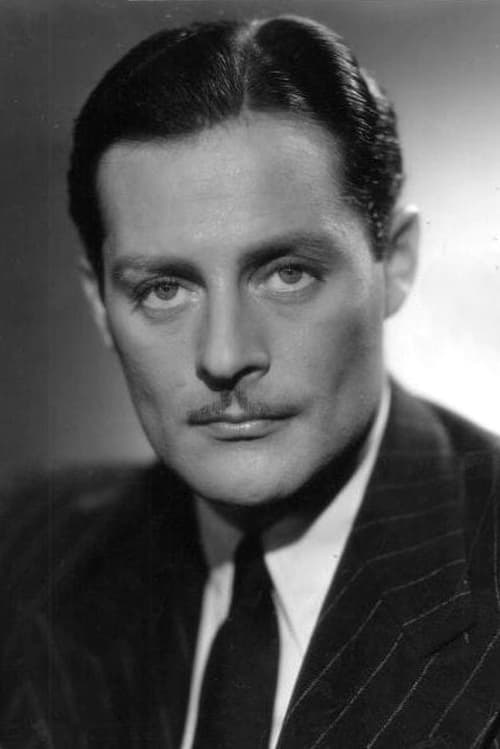
Alexander D'Arcy appears with Cary Grant in 1 film held here: The Awful Truth (1937) as Armand Duvalle.
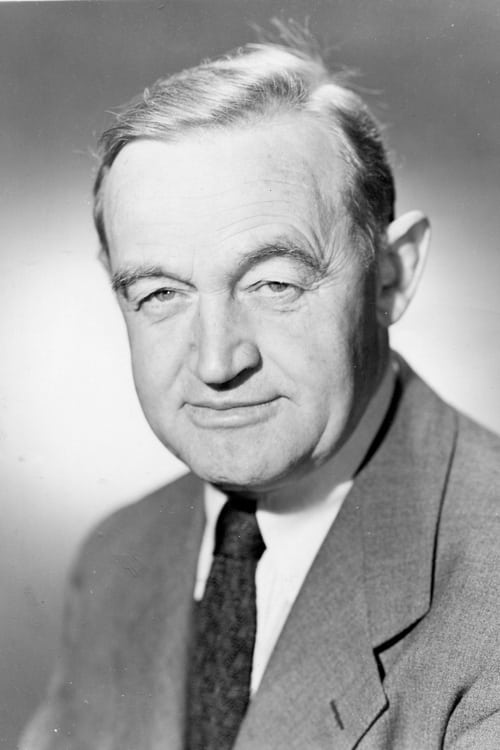
Barry Fitzgerald appears with Cary Grant in 2 films held here: Bringing Up Baby (1938) as Mr. Gogarty; None But the Lonely Heart (1944) as Henry Twite.
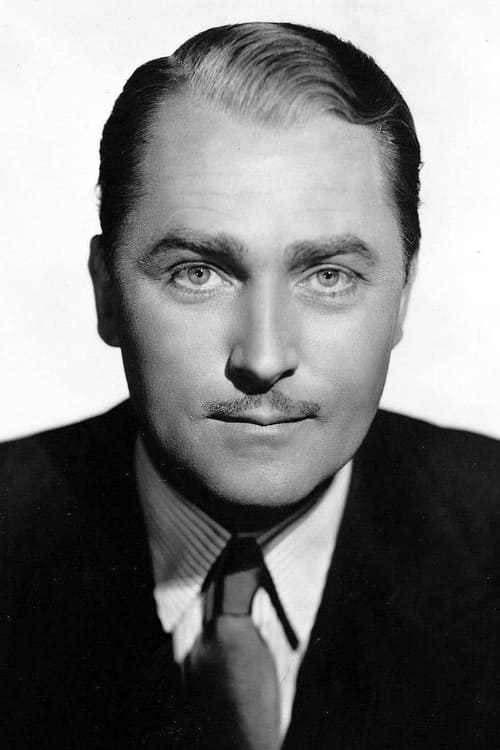
Brian Aherne appears with Cary Grant in 1 film held here: Sylvia Scarlett (1935) as Michael Fane.
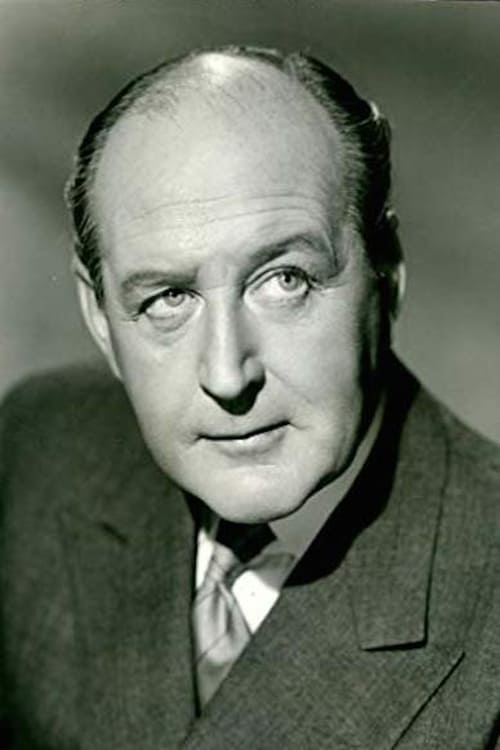
Cecil Parker appears with Cary Grant in 1 film held here: Indiscreet (1958) as Alfred Munson.
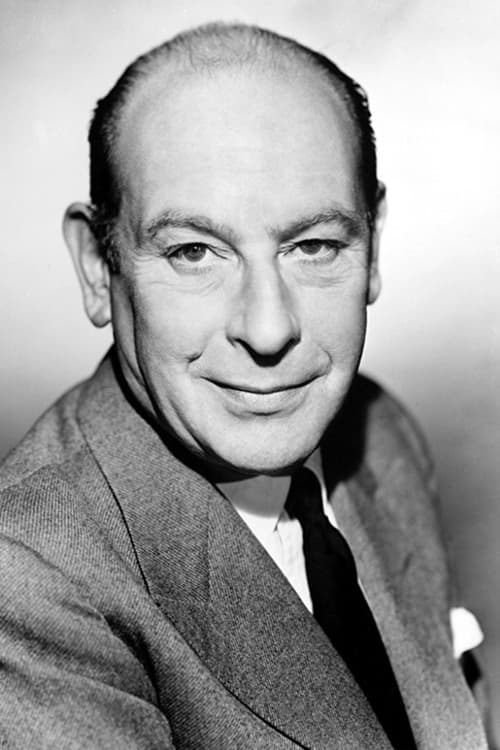
Cedric Hardwicke appears with Cary Grant in 2 films held here: The Howards of Virginia (1940) as Fleetwood Peyton; Suspicion (1941) as General McLaidlaw.
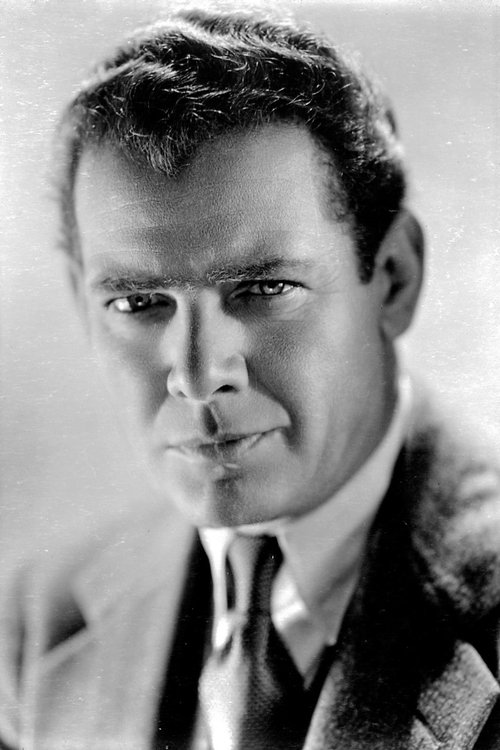
Charles Bickford appears with Cary Grant in 1 film held here: Mr. Lucky (1943) as Hard Swede.
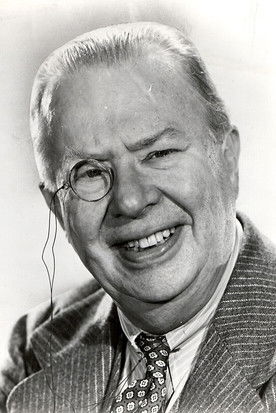
Coburn appeared with Cary Grant in several films across two decades, including The Devil and the Deep (1932), Grant's own early period as a contract player, and later The Talk of the Town (1942), in which Coburn played a Supreme Court nominee sharing a house with Grant's escaped convict and Jean Arthur, and Monkey Business (1952), Howard Hawks's comedy in which Coburn played Grant's blustering employer.
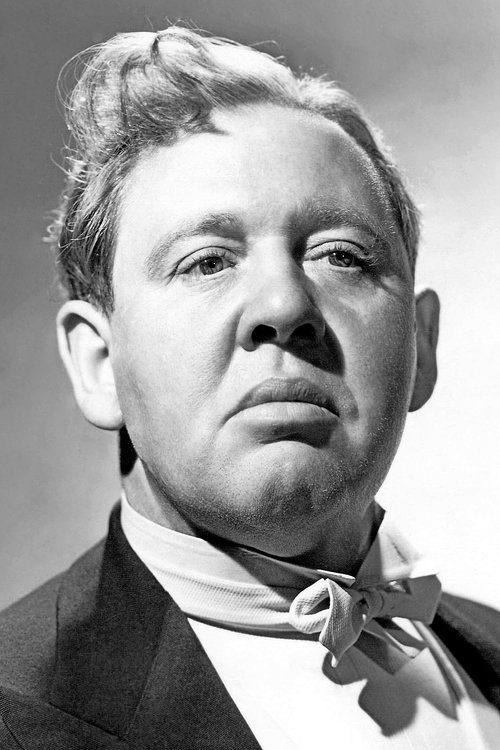
Charles Laughton appears with Cary Grant in 1 film held here: Devil and the Deep (1932) as Cmdr. Charles Sturm.
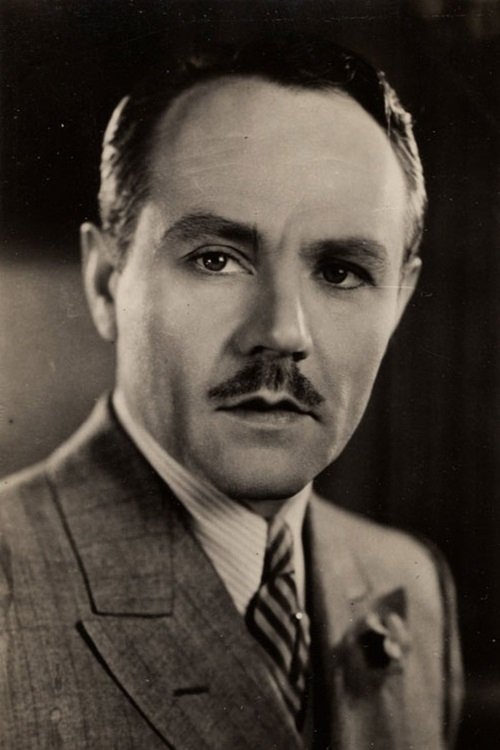
Charles Ruggles appears with Cary Grant in 4 films held here: Madame Butterfly (1932) as Lieutenant Barton; This Is the Night (1932) as Bunny West; Alice in Wonderland (1933) as March Hare; Bringing Up Baby (1938) as Major Applegate.
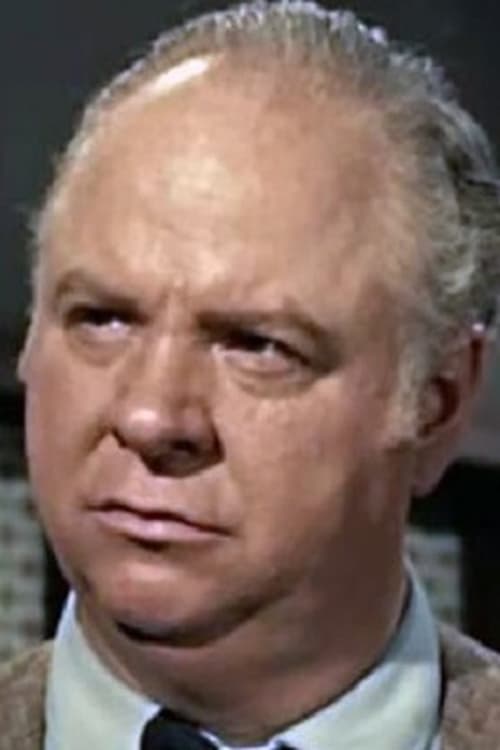
Charles Watts appears with Cary Grant in 2 films held here: Room for One More (1952) as Mr. Roberts; An Affair to Remember (1957) as Ned Hathaway.
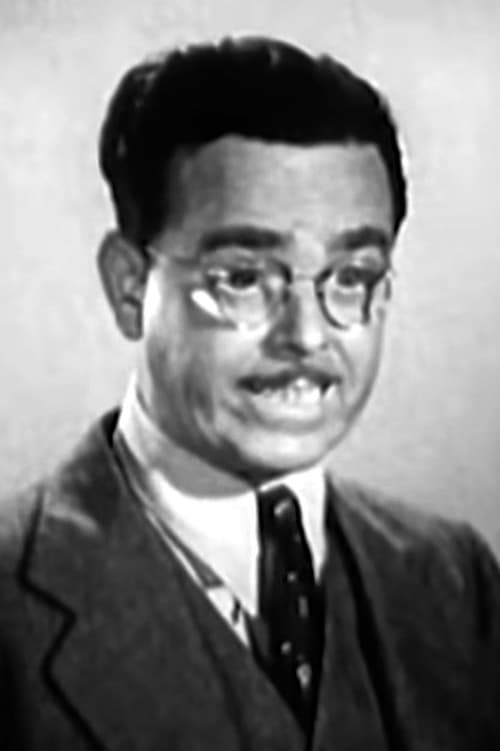
Charles Williams appears with Cary Grant in 2 films held here: Gambling Ship (1933) as Baby Face (Charles T. Pearson Jr.); Night and Day (1946) as Music Store Customer (uncredited).
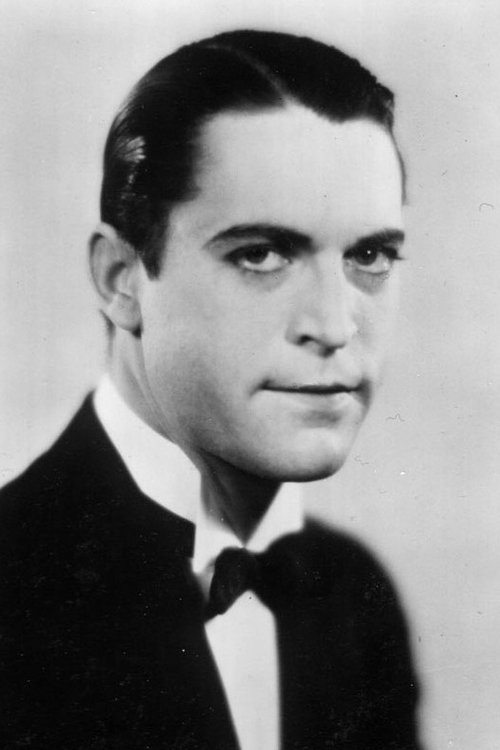
Chester Morris appears with Cary Grant in 1 film held here: Sinners in the Sun (1932) as Jimmie Martin.
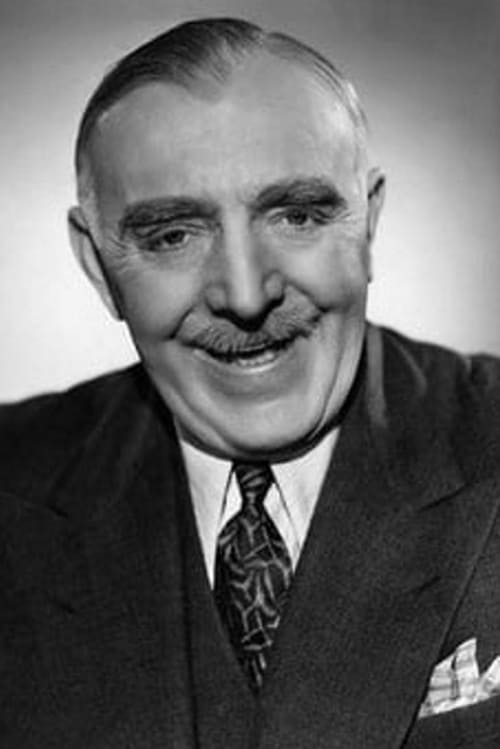
Clarence Kolb appears with Cary Grant in 2 films held here: The Toast of New York (1937) as Cornelius Vanderbilt; His Girl Friday (1940) as Mayor.
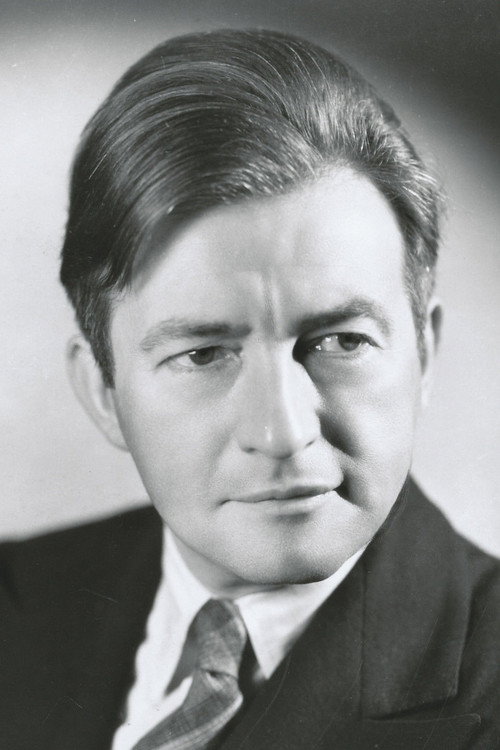
Rains played Alexander Sebastian, the Nazi sympathizer whose genuine love for Ingrid Bergman's Alicia makes Cary Grant's cold government agent Devlin look worse by comparison, in Alfred Hitchcock's Notorious (1946). It is Rains's only film with Grant, and the performance — sympathetic despite the character's politics — is widely regarded as the strongest supporting turn in any Grant picture.

Conrad Nagel appears with Cary Grant in 1 film held here: Wedding Present (1936) as Roger Dodacker.
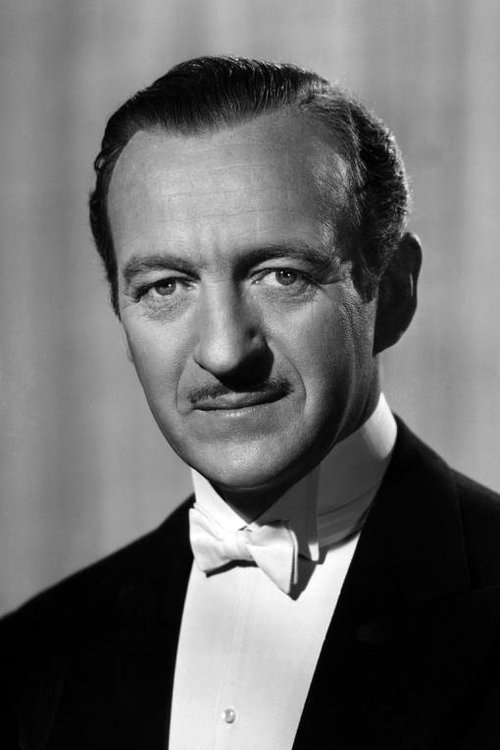
Niven co-starred with Cary Grant in The Bishop's Wife (1947), playing the bishop opposite Grant's angel Dudley — though according to well-documented studio accounts, the two men originally read for the opposite parts, and swapped roles at Grant's request roughly a week into filming after Grant felt miscast as the bishop.
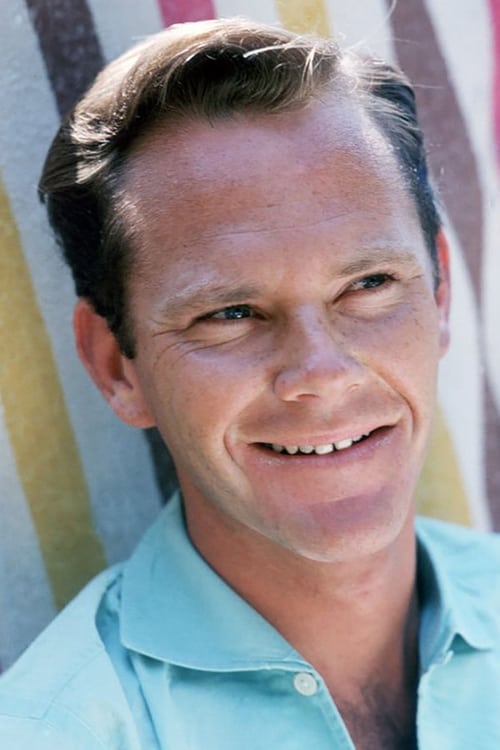
Dick Sargent appears with Cary Grant in 2 films held here: Operation Petticoat (1959) as Ensign Stovall (as Richard Sargent); That Touch of Mink (1962) as Harry Clark.

Dickie Moore appears with Cary Grant in 1 film held here: Blonde Venus (1932) as Johnny Faraday.
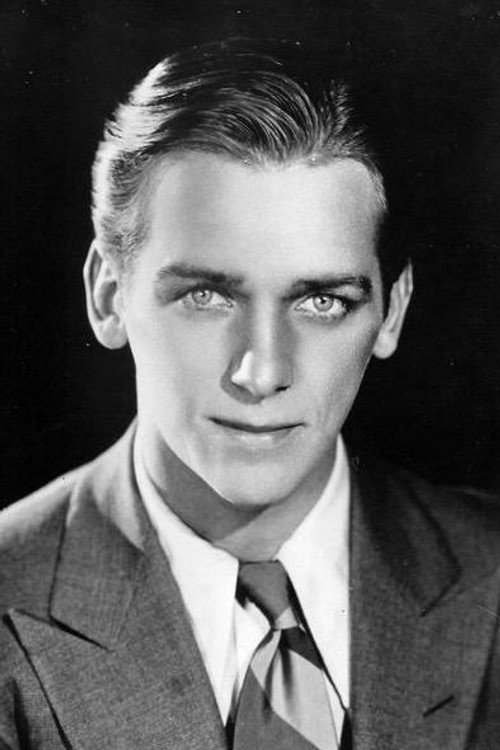
Douglas Fairbanks Jr. appears with Cary Grant in 1 film held here: Gunga Din (1939) as Thomas Anthony Ballantine.
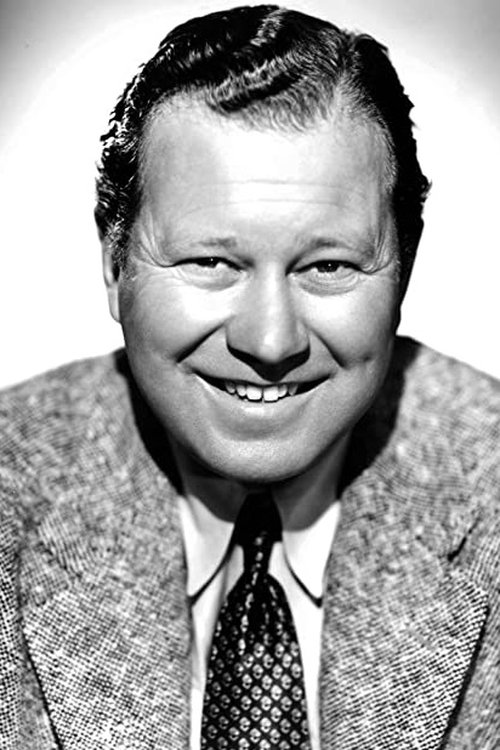
Edgar Buchanan appears with Cary Grant in 2 films held here: Penny Serenade (1941) as Applejack; The Talk of the Town (1942) as Sam Yates.
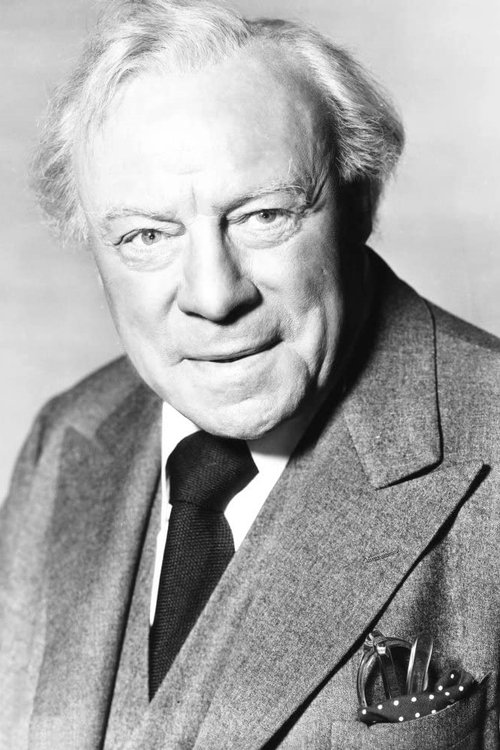
Edmund Gwenn appears with Cary Grant in 1 film held here: Sylvia Scarlett (1935) as Henry Scarlett.
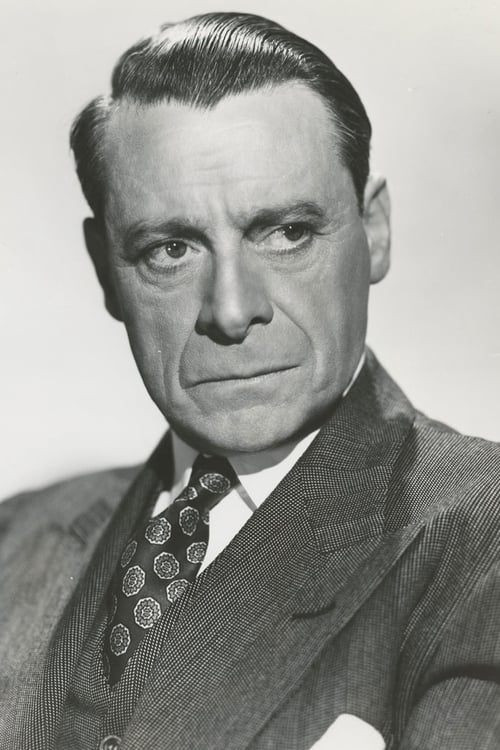
Eduardo Ciannelli appears with Cary Grant in 2 films held here: Gunga Din (1939) as Guru; Houseboat (1958) as Arturo Zaccardi.
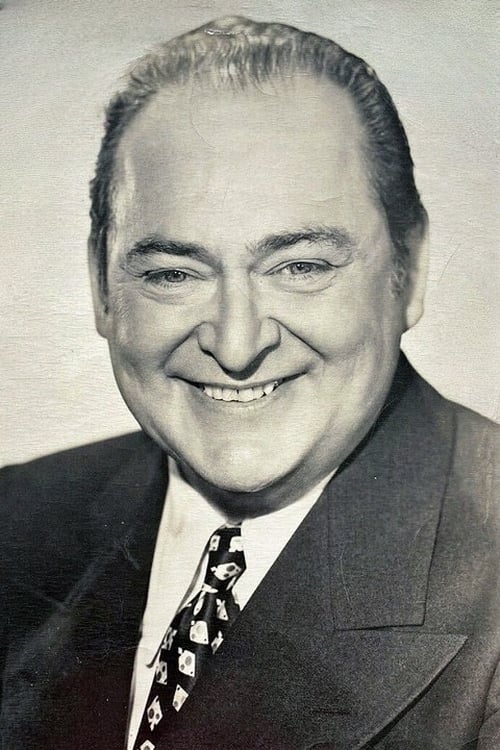
Edward Arnold appears with Cary Grant in 3 films held here: I'm No Angel (1933) as Big Bill Barton; Thirty Day Princess (1934) as Richard M. Gresham; The Toast of New York (1937) as Jim Fisk.
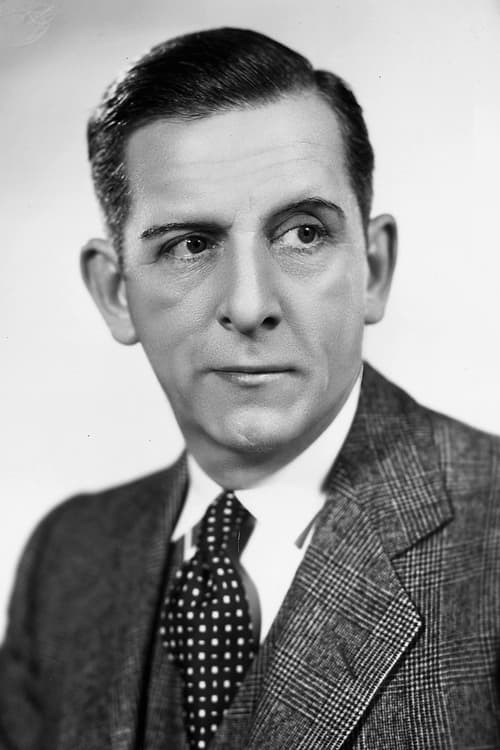
Edward Everett Horton appears with Cary Grant in 5 films held here: Alice in Wonderland (1933) as Mad Hatter; Ladies Should Listen (1934) as Paul Vernet; Kiss and Make-Up (1934) as Marcel Caron; Holiday (1938) as Nick Potter; Arsenic and Old Lace (1944) as Mr. Witherspoon.
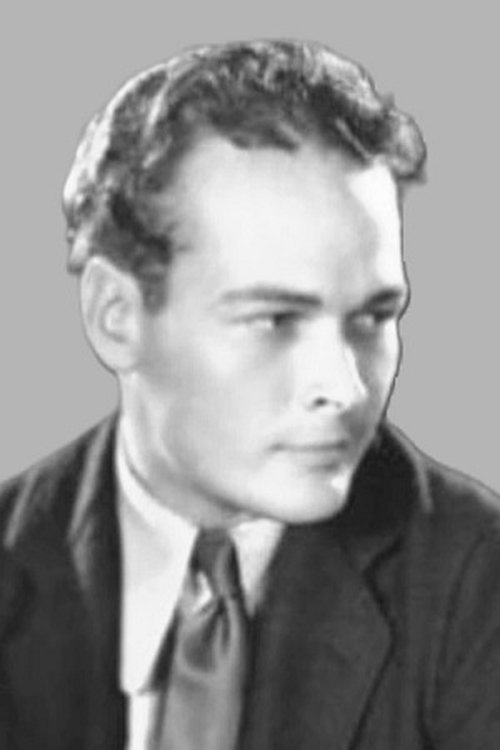
Edward Woods appears with Cary Grant in 1 film held here: Hot Saturday (1932) as Conny Billop.
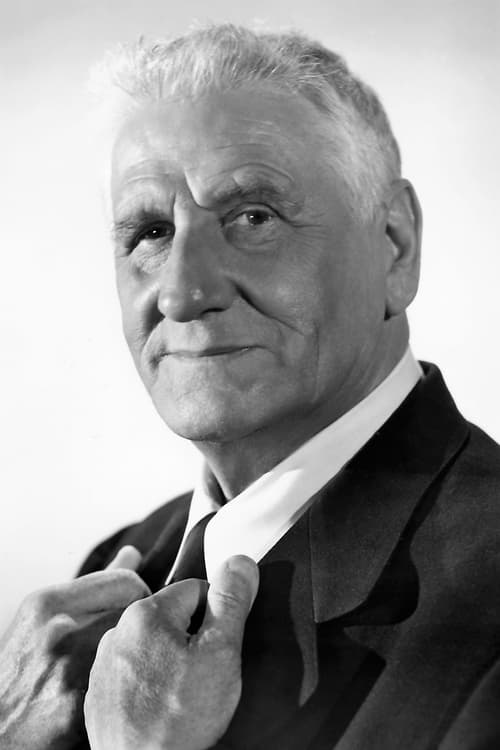
Finlay Currie appears with Cary Grant in 1 film held here: People Will Talk (1951) as Shunderson.
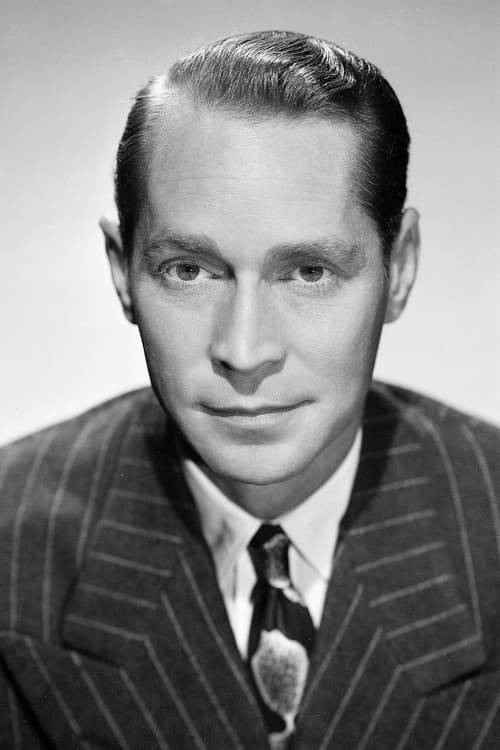
Franchot Tone appears with Cary Grant in 2 films held here: Suzy (1936) as Terry; Every Girl Should Be Married (1948) as Roger Sanford.
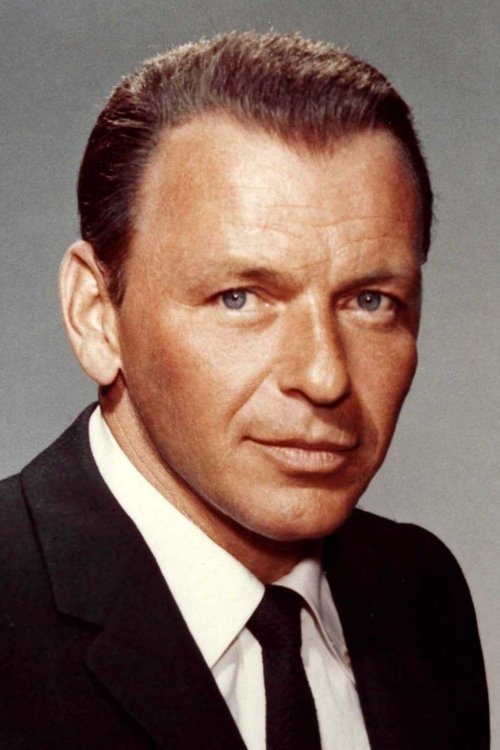
Frank Sinatra and Cary Grant did not appear together in any film. Their relationship was social: both were prominent figures in the same Hollywood and Palm Springs social circles from the 1950s onward, though no documented close personal partnership or business collaboration between them is established in the record.
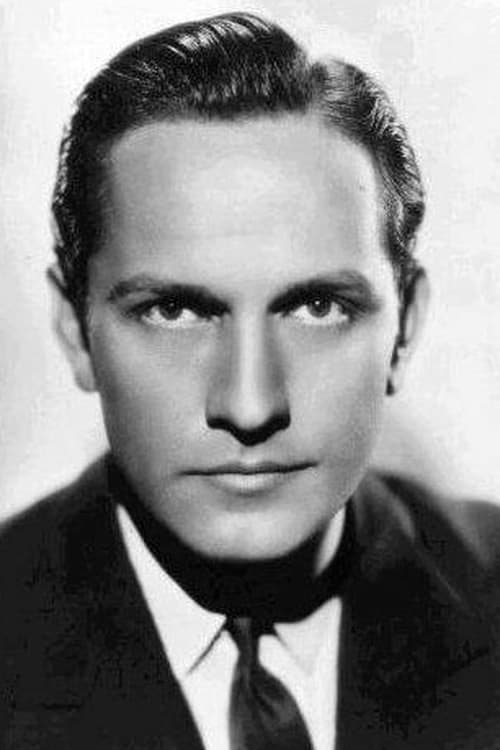
Fredric March appears with Cary Grant in 2 films held here: Merrily We Go to Hell (1932) as Jerry Corbett; The Eagle and the Hawk (1933) as Jerry H. Young.
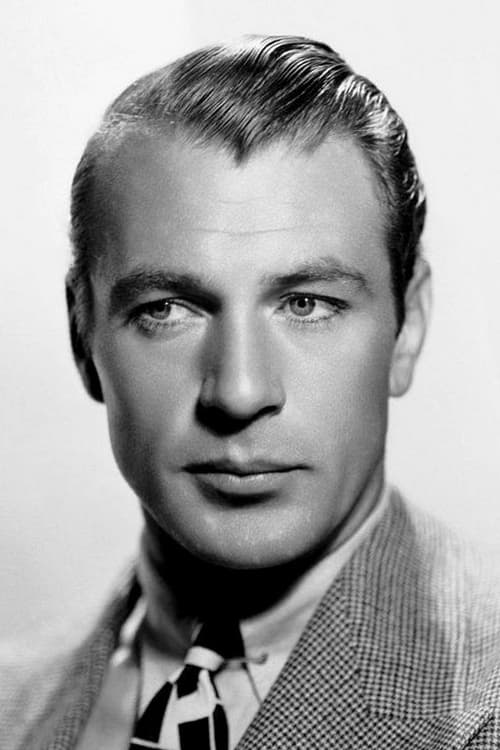
Gary Cooper appears with Cary Grant in 2 films held here: Devil and the Deep (1932) as Lt. Sempter; Alice in Wonderland (1933) as White Knight.
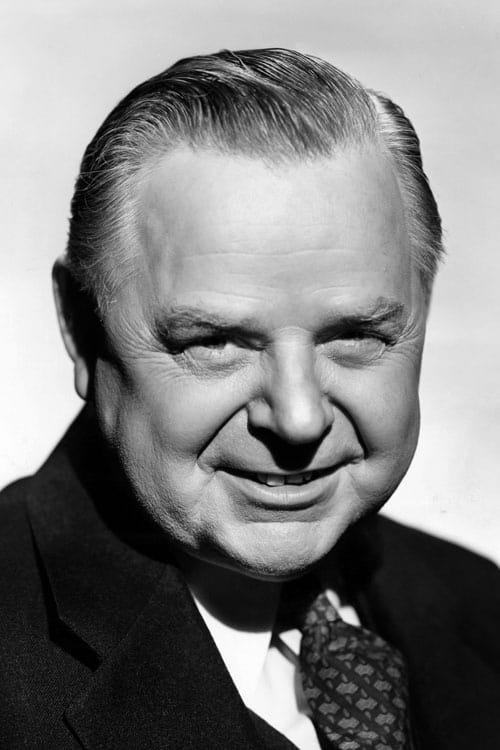
Gene Lockhart appears with Cary Grant in 2 films held here: Wedding Present (1936) as Archduke Gustav Ernest; His Girl Friday (1940) as Sheriff Hartwell.
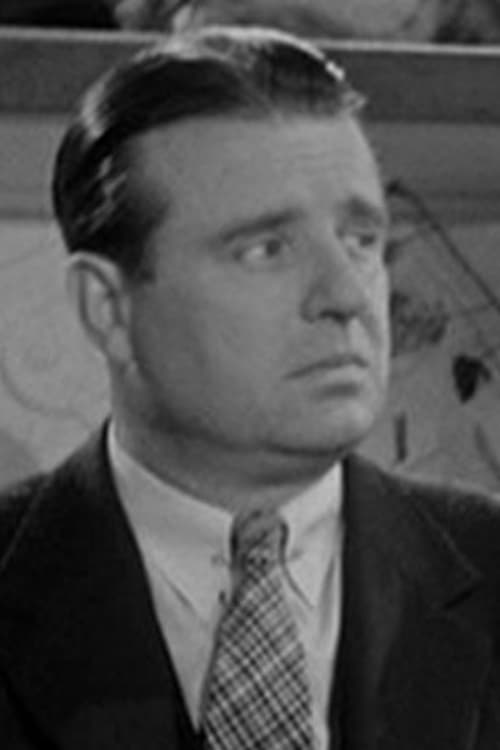
Gene Morgan appears with Cary Grant in 2 films held here: Blonde Venus (1932) as Ben Smith; His Girl Friday (1940) as Gene (uncredited).
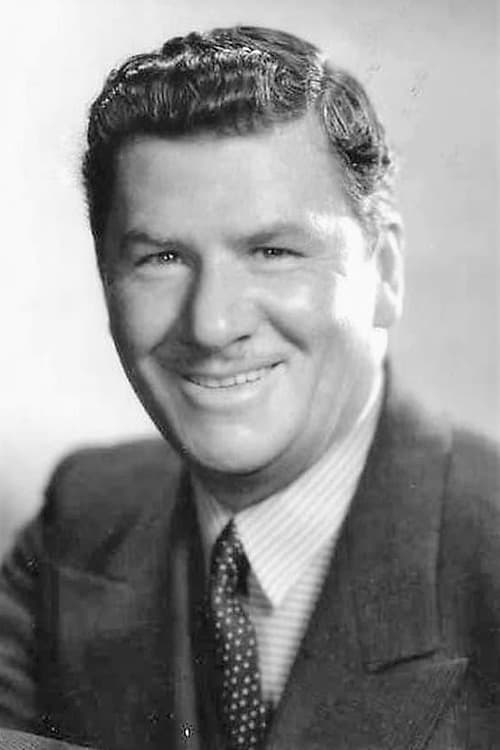
George Bancroft appears with Cary Grant in 1 film held here: Wedding Present (1936) as Pete Stagg.
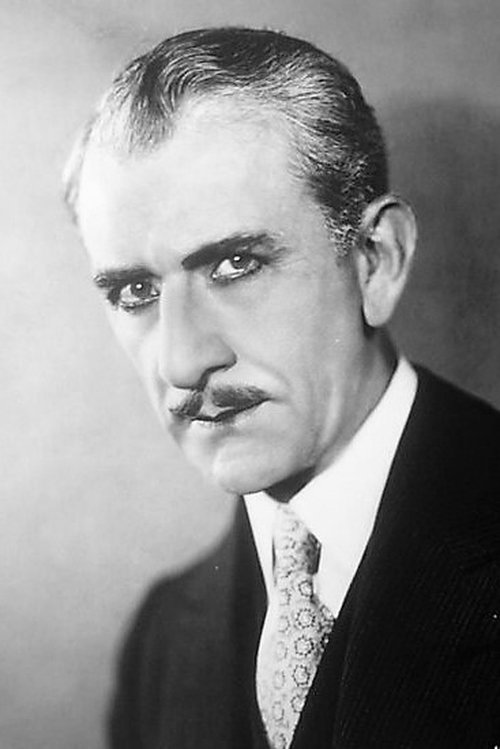
George Irving appears with Cary Grant in 4 films held here: Merrily We Go to Hell (1932) as Mr. Prentice; The Toast of New York (1937) as Broker; Bringing Up Baby (1938) as Mr. Peabody; Once Upon a Honeymoon (1942) as American Consul (uncredited).

Gig Young appears with Cary Grant in 1 film held here: That Touch of Mink (1962) as Roger.
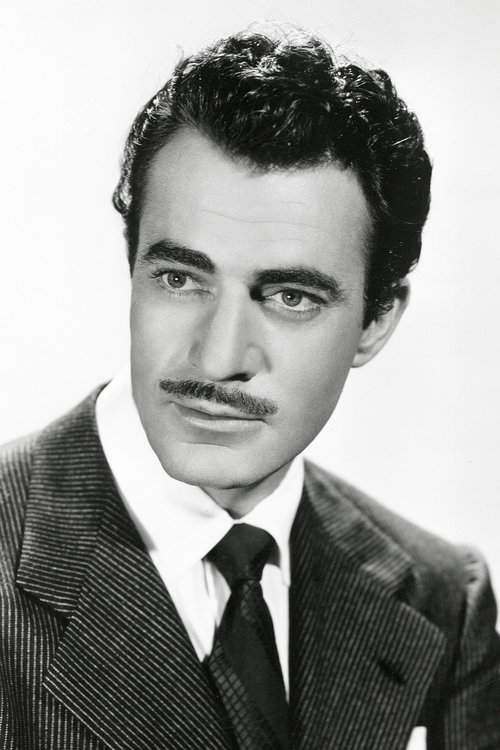
Gilbert Roland appears with Cary Grant in 2 films held here: She Done Him Wrong (1933) as Serge Stanieff; Crisis (1950) as Roland Gonzales.
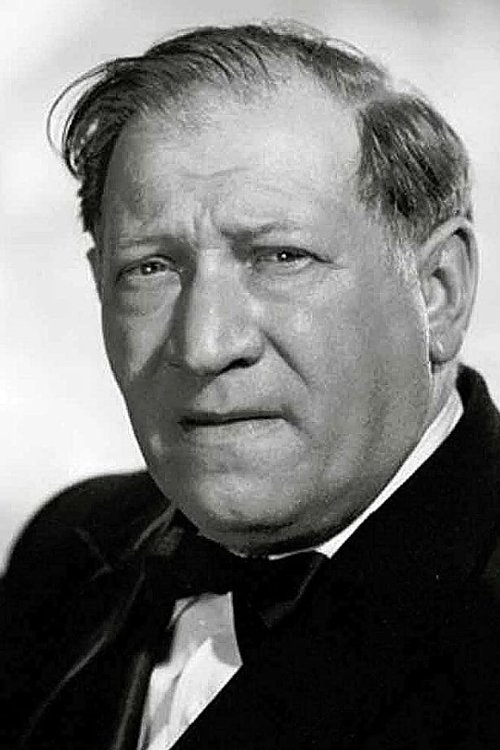
Gregory Ratoff appears with Cary Grant in 1 film held here: I'm No Angel (1933) as Benny Pinkowitz.
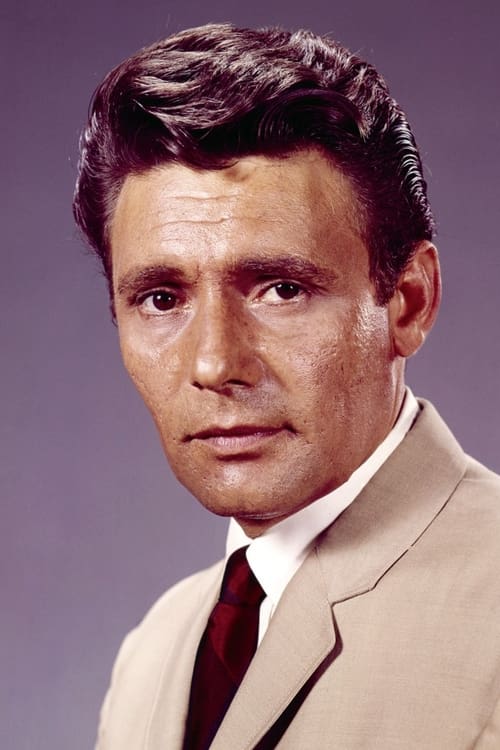
Harry Guardino appears with Cary Grant in 1 film held here: Houseboat (1958) as Angelo Donatello.
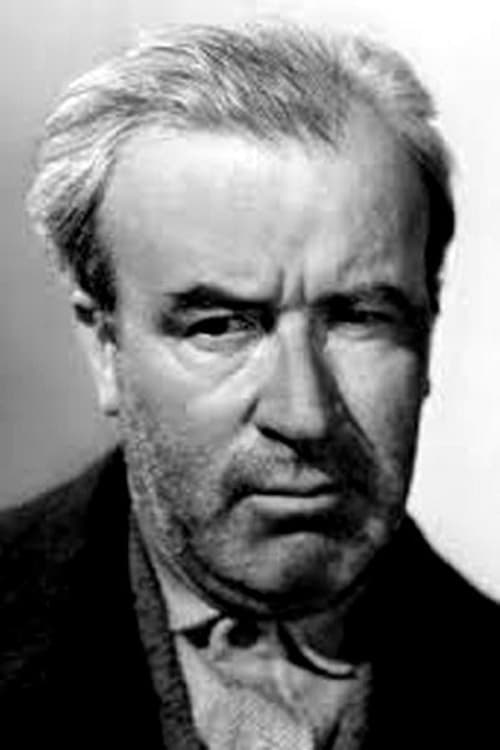
Harry Shannon appears with Cary Grant in 2 films held here: Once Upon a Honeymoon (1942) as Ed Cumberland; Mr. Blandings Builds His Dream House (1948) as Tesander.
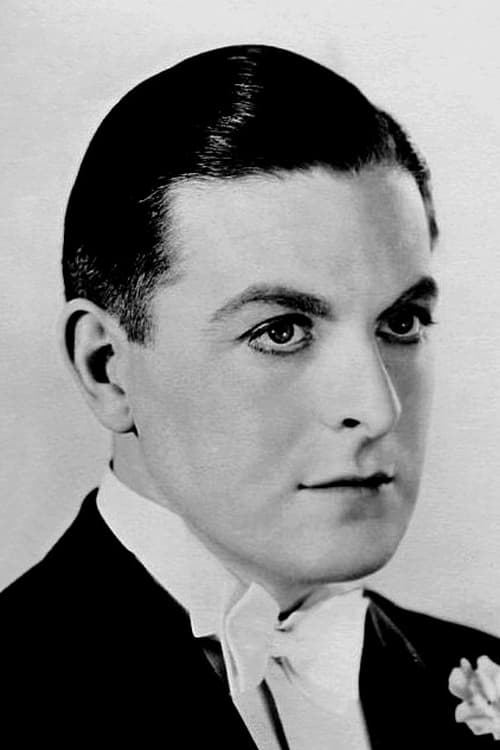
Henry Kendall appears with Cary Grant in 1 film held here: The Amazing Quest of Ernest Bliss (1936) as Lord Honiton.
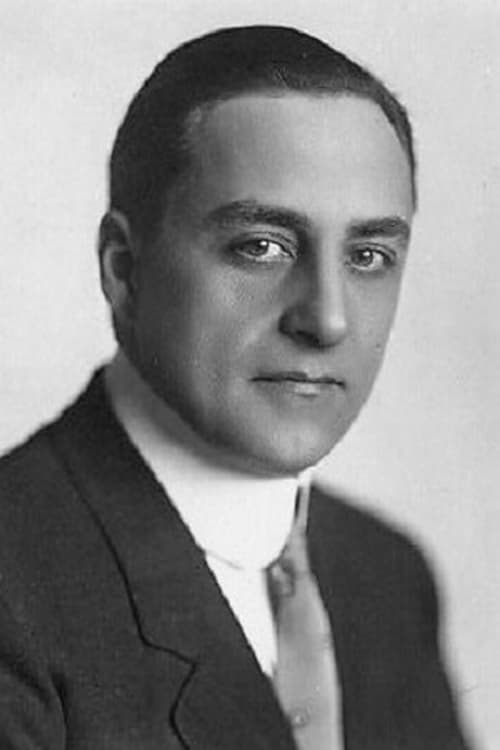
Henry Kolker appears with Cary Grant in 2 films held here: Devil and the Deep (1932) as Hutton; Holiday (1938) as Edward Seton.
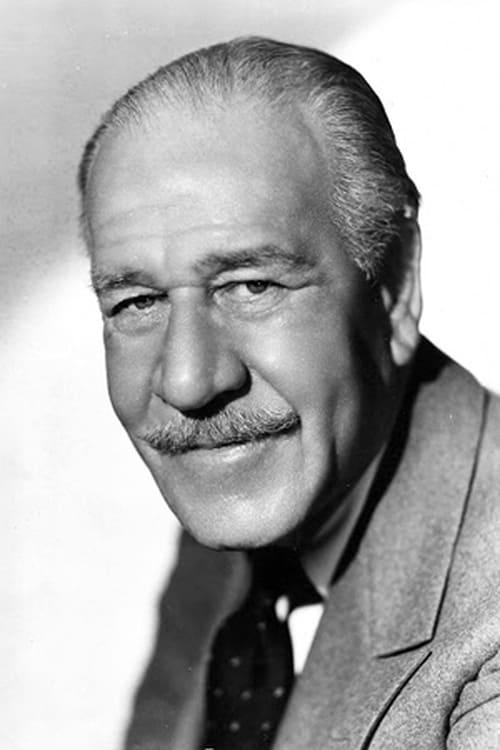
Henry Stephenson appears with Cary Grant in 4 films held here: Thirty Day Princess (1934) as King Anatol XII; When You're in Love (1937) as Walter Mitchell; Mr. Lucky (1943) as Mr. Bryant; Night and Day (1946) as Omar Cole.
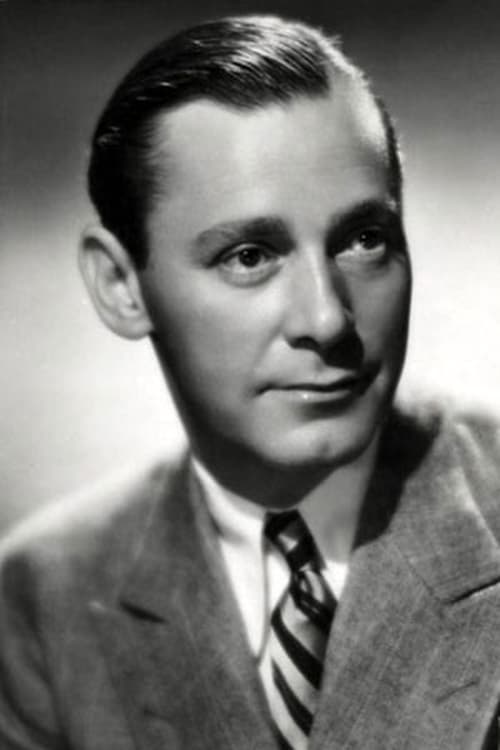
Herbert Marshall appears with Cary Grant in 1 film held here: Blonde Venus (1932) as Edward 'Ned' Faraday.
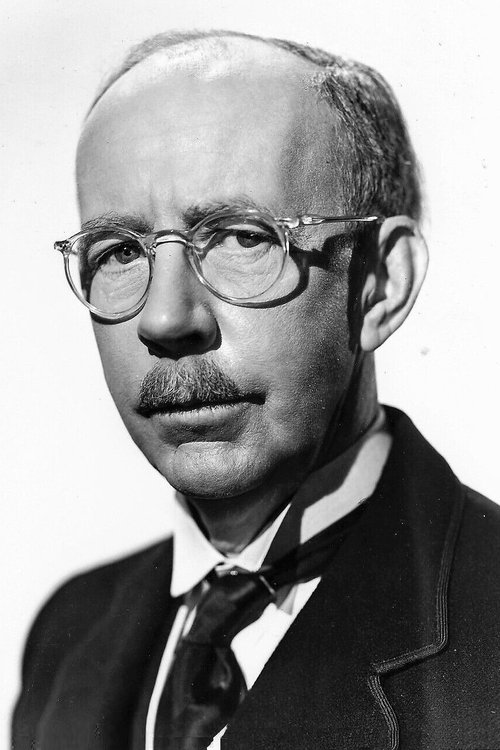
Hobart Cavanaugh appears with Cary Grant in 2 films held here: Wings in the Dark (1935) as Mac; Night and Day (1946) as Man in Hospital Hall (uncredited).
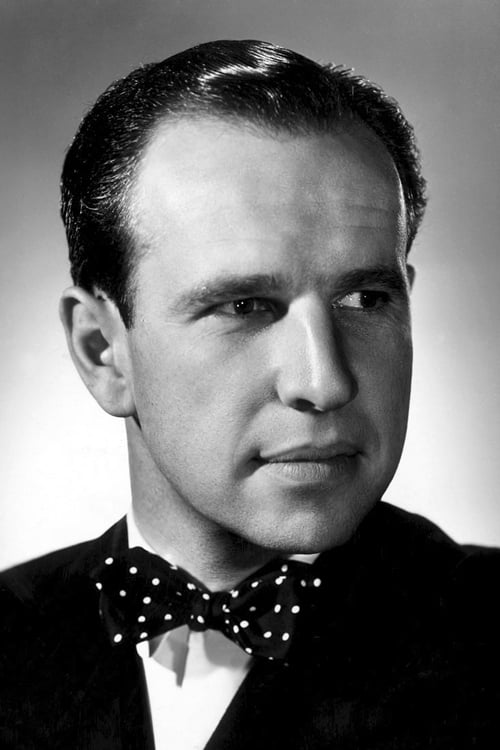
Hume Cronyn appears with Cary Grant in 1 film held here: People Will Talk (1951) as Rodney Elwell.
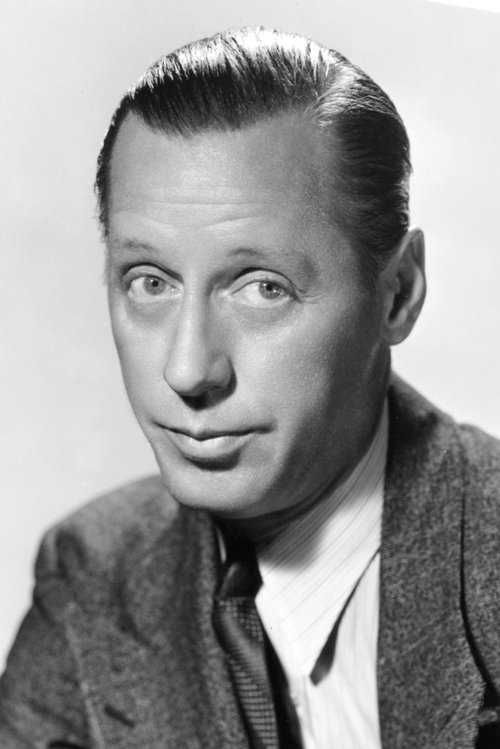
Irving Bacon appears with Cary Grant in 6 films held here: This Is the Night (1932) as Sparks; Topper (1937) as Hotel Clerk (uncredited); The Howards of Virginia (1940) as Tom Norton; His Girl Friday (1940) as Gus (uncredited); The Bachelor and the Bobby-Soxer (1947) as Melvin; Room for One More (1952) as Mayor Michael J. Kane.

Irving Pichel appears with Cary Grant in 3 films held here: Madame Butterfly (1932) as Yamadori; I'm No Angel (1933) as Clayton's Attorney (uncredited); Woman Accused (1933) as District Attorney Clark.
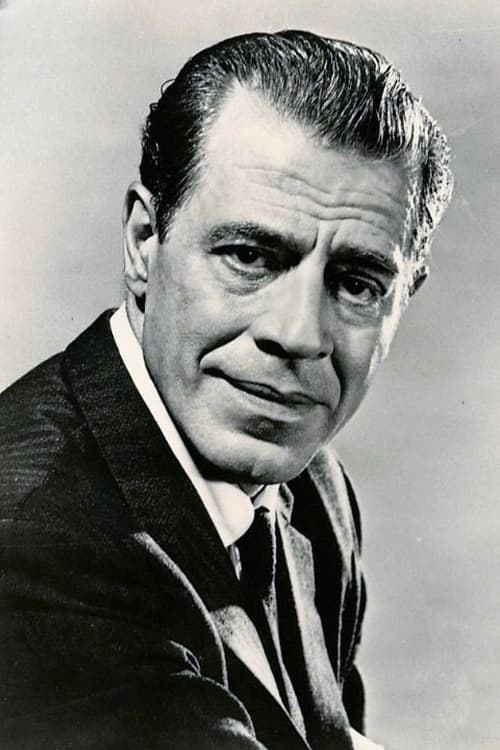
Jack La Rue appears with Cary Grant in 2 films held here: Gambling Ship (1933) as Pete Manning; Woman Accused (1933) as Little Maxie.
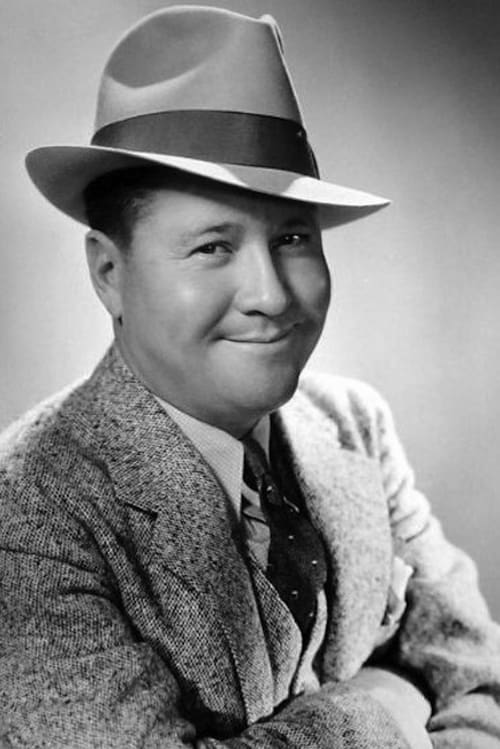
Jack Oakie appears with Cary Grant in 3 films held here: The Eagle and the Hawk (1933) as Mike 'Slug' Richards; Alice in Wonderland (1933) as Tweedledum; The Toast of New York (1937) as Luke.
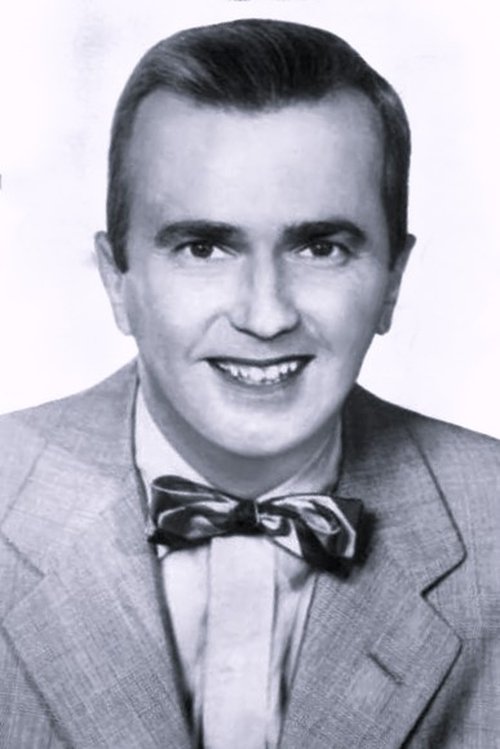
Jackie Kelk appears with Cary Grant in 1 film held here: Born to Be Bad (1934) as Mickey Strong.
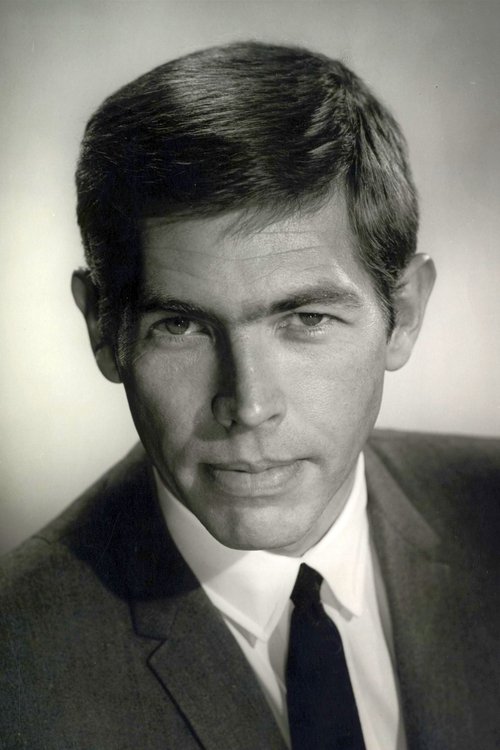
James Coburn appears with Cary Grant in 1 film held here: Charade (1963) as Tex Panthollow.
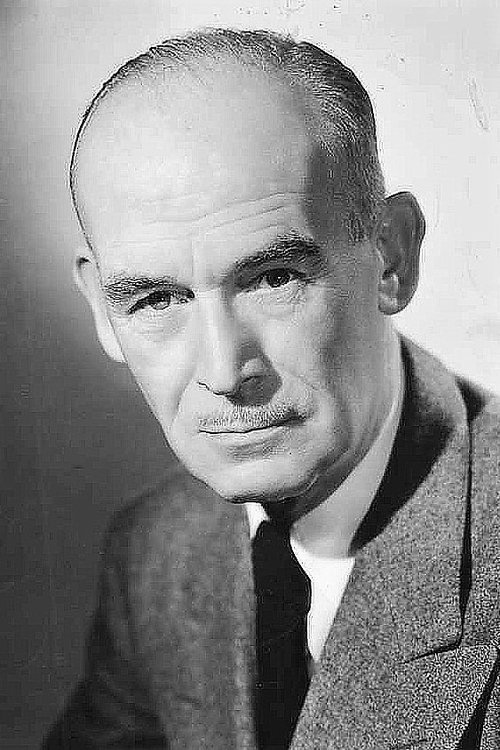
James Gleason appears with Cary Grant in 3 films held here: Arsenic and Old Lace (1944) as Lt. Rooney; Once Upon a Time (1944) as Moke McGillicuddy; The Bishop's Wife (1947) as Sylvester.
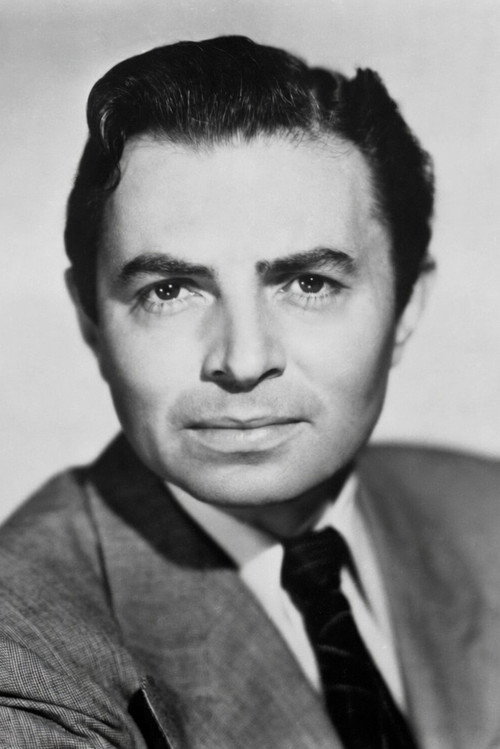
Mason appeared with Cary Grant in one film, Alfred Hitchcock's North by Northwest (1959), playing the villain Phillip Vandamm opposite Grant's Roger Thornhill. The two shared several key scenes, including the Mount Rushmore-set climax and the auction-house confrontation, though no substantial personal or professional relationship beyond this production is documented.
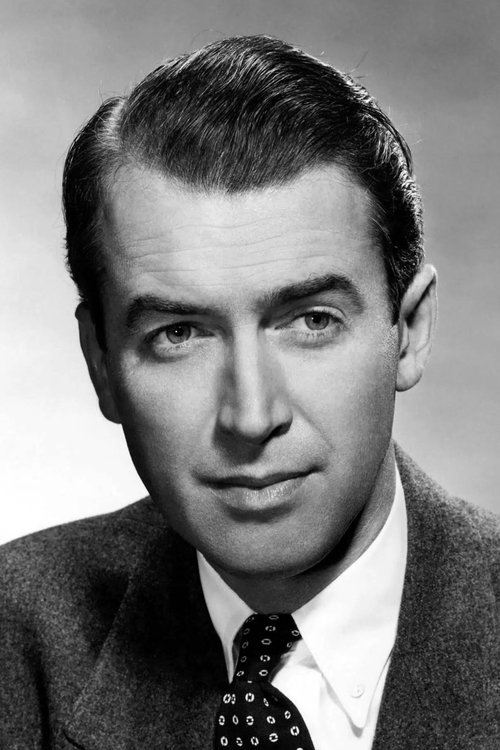
Stewart appeared with Cary Grant in one film, The Philadelphia Story (1940), directed by George Cukor, in which Stewart played reporter Macaulay Connor to Grant's C.K. Dexter Haven and Katharine Hepburn's Tracy Lord; Stewart won the Academy Award for Best Actor for the role. Grant reportedly admired Stewart's unscripted, off-balance stumble during a champagne-scene ad-lib, a moment widely cited as illustrating their mutual respect as actors, though the two did not make another film together.

Jim Hutton appears with Cary Grant in 1 film held here: Walk, Don't Run (1966) as Steve Davis.
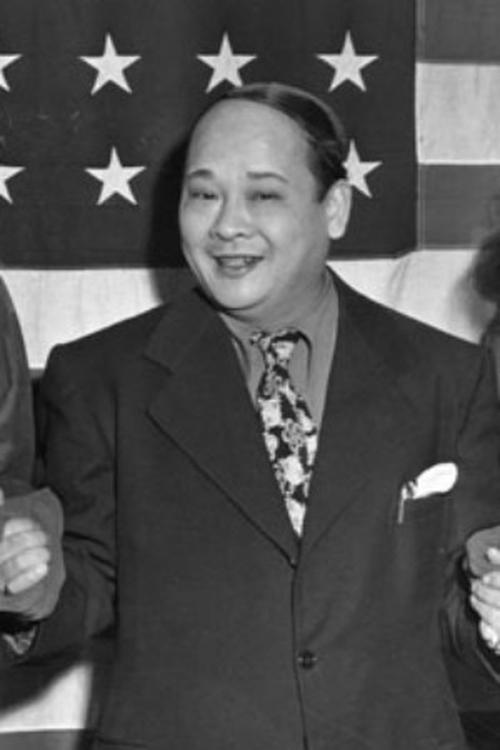
Joe Wong appears with Cary Grant in 1 film held here: Singapore Sue (1932) as Singer / Gigolo.
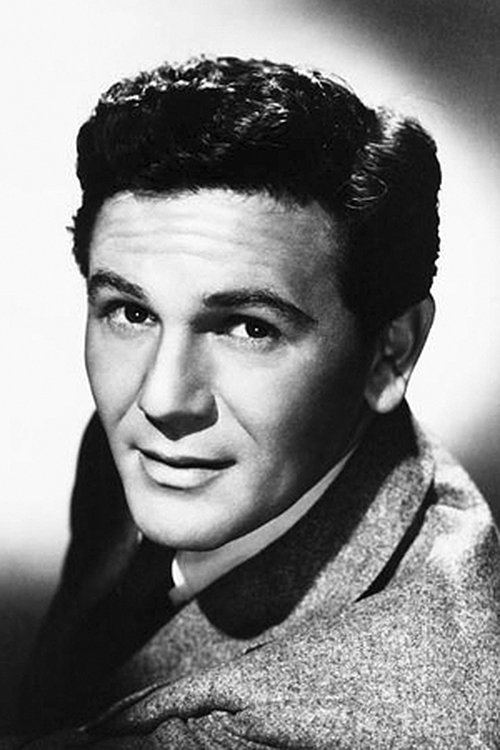
John Garfield appears with Cary Grant in 1 film held here: Destination Tokyo (1943) as Wolf.
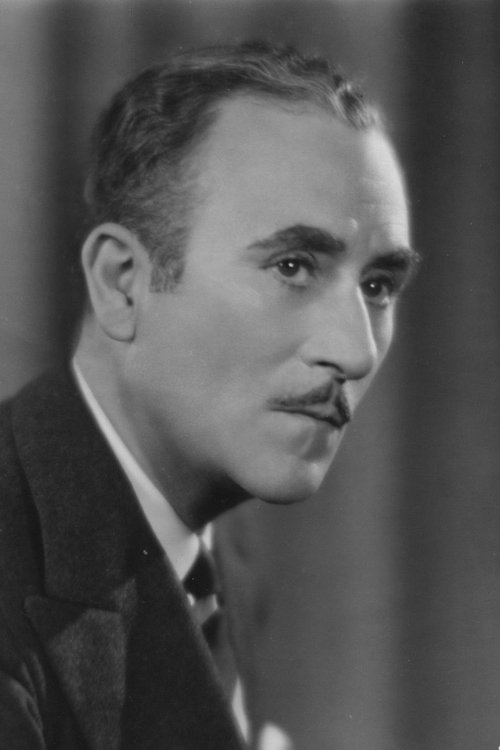
John Halliday appears with Cary Grant in 2 films held here: Woman Accused (1933) as Stephen Bessemer; The Philadelphia Story (1940) as Seth Lord.
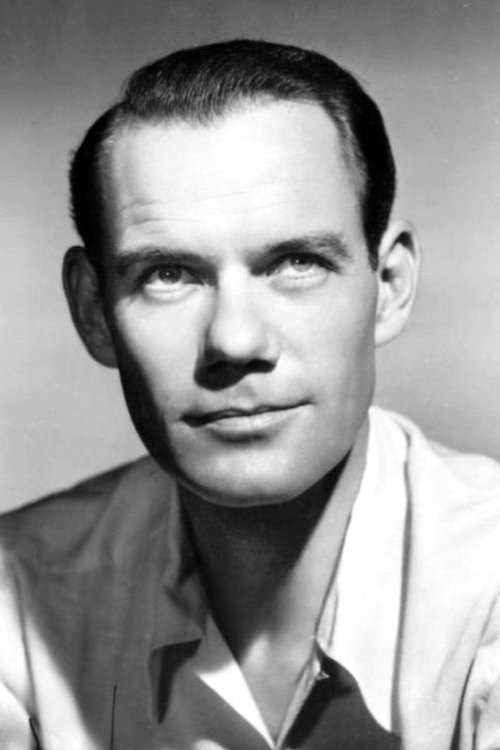
John Ridgely appears with Cary Grant in 3 films held here: Destination Tokyo (1943) as Reserve Officer Raymond; Arsenic and Old Lace (1944) as Officer Saunders; Room for One More (1952) as Harry Foreman.

John Standing appears with Cary Grant in 1 film held here: Walk, Don't Run (1966) as Julius D. Haversack.
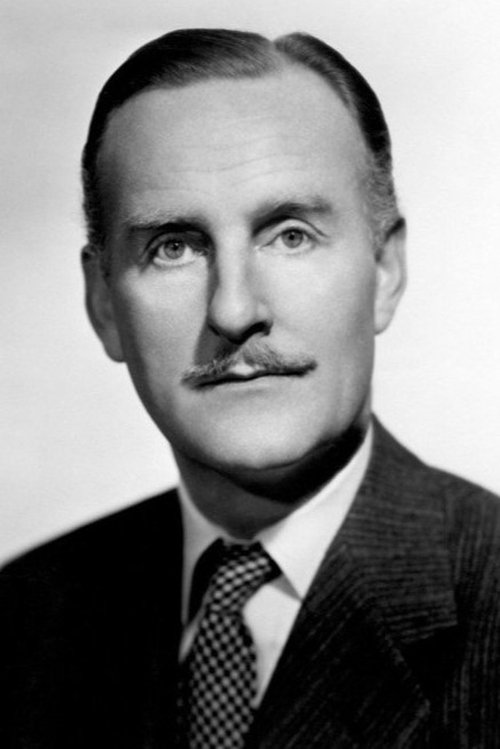
John Williams appears with Cary Grant in 1 film held here: To Catch a Thief (1955) as H. H. Hughson.
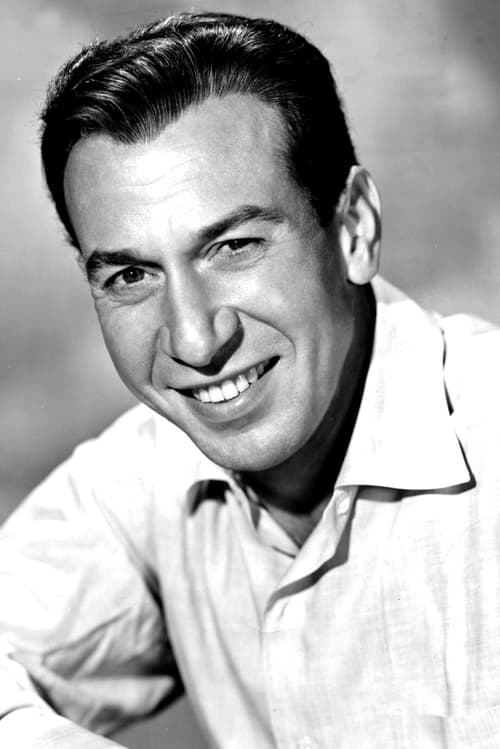
José Ferrer appears with Cary Grant in 1 film held here: Crisis (1950) as Raoul Farrago.
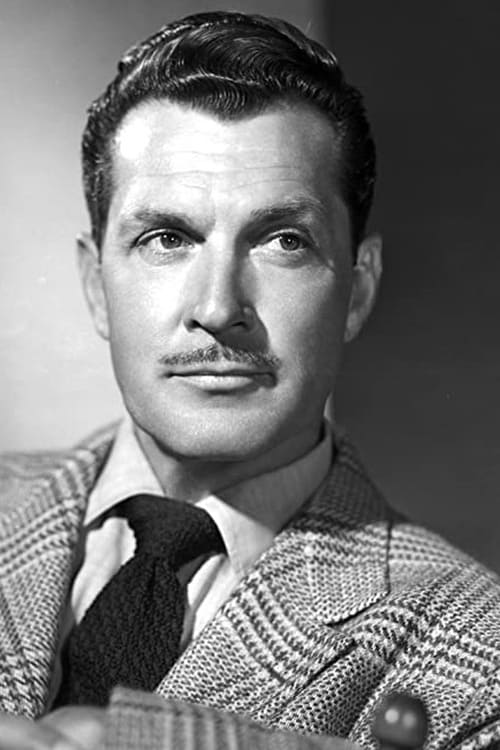
Kent Taylor appears with Cary Grant in 4 films held here: Merrily We Go to Hell (1932) as Greg Boleslavsky; Blonde Venus (1932) as Hiker (uncredited); Devil and the Deep (1932) as A Friend at Party (uncredited); I'm No Angel (1933) as Kirk Lawrence.
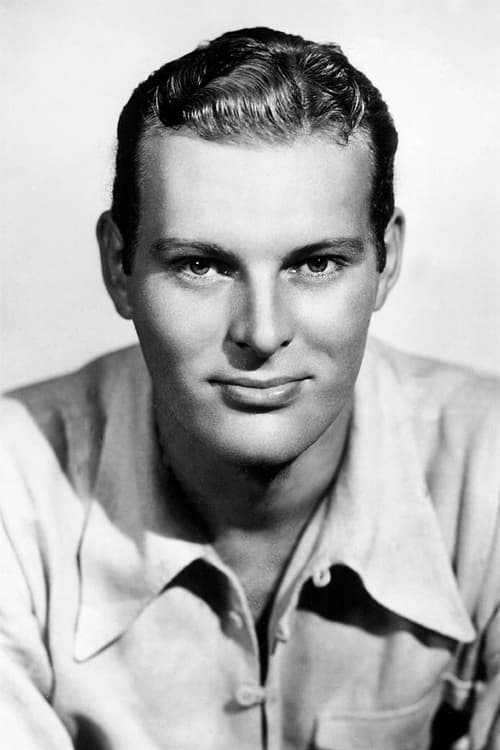
Leif Erickson appears with Cary Grant in 1 film held here: Kiss Them for Me (1957) as Eddie Turnbill.
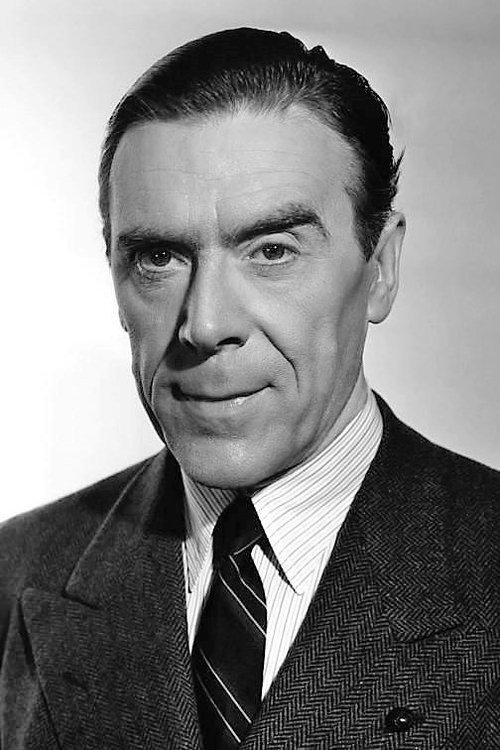
Carroll appeared alongside Cary Grant in two Alfred Hitchcock films: Suspicion (1941), and North by Northwest (1959), in which he played "The Professor," the intelligence official who reveals to other characters the truth behind the case of mistaken identity at the center of the plot. No documented personal relationship beyond these Hitchcock productions is recorded.
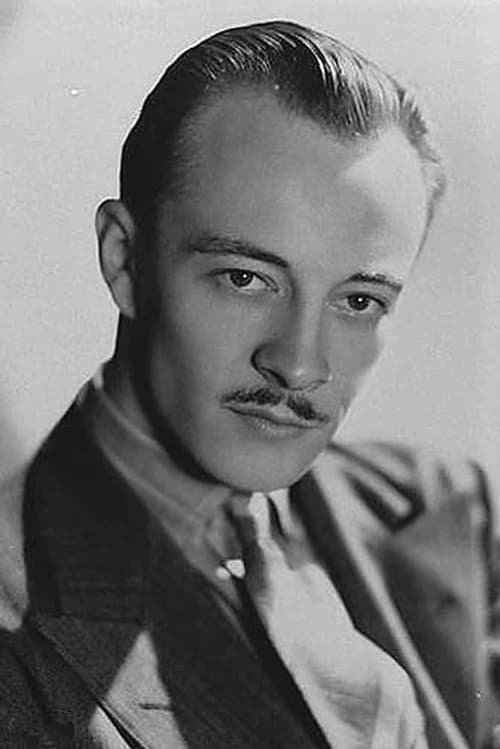
Les Tremayne appears with Cary Grant in 2 films held here: Dream Wife (1953) as Ken Landwell; North by Northwest (1959) as Auctioneer.
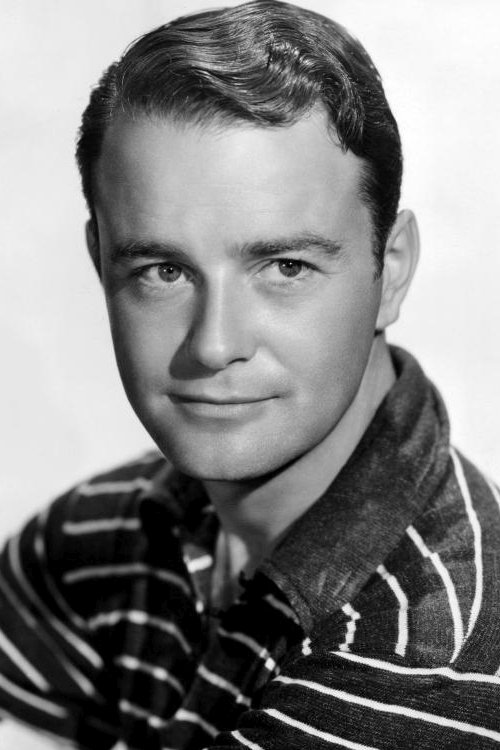
Lew Ayres appears with Cary Grant in 1 film held here: Holiday (1938) as Ned Seton.
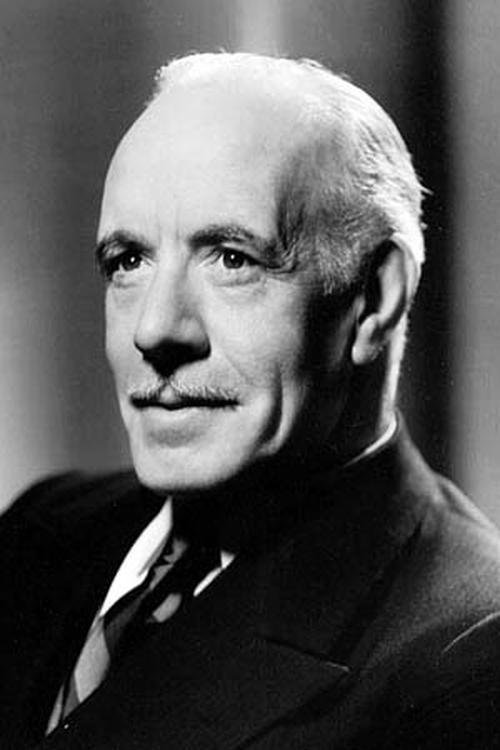
Lewis Stone appears with Cary Grant in 1 film held here: Suzy (1936) as Baron.

Lloyd Nolan appears with Cary Grant in 1 film held here: Big Brown Eyes (1936) as Russ Cortig.
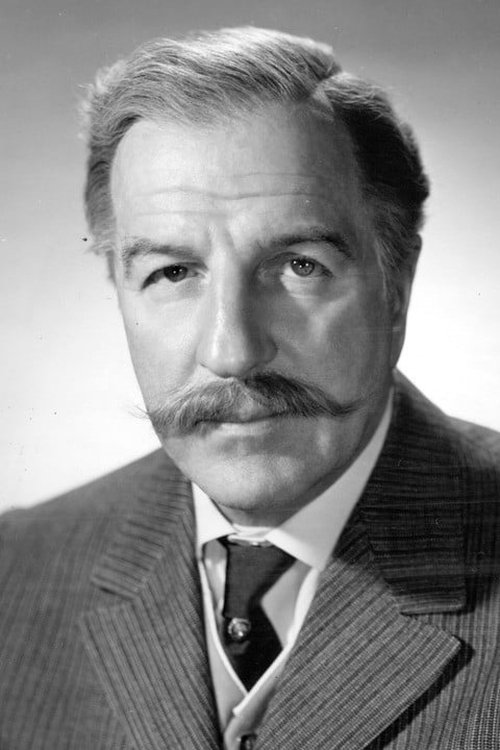
Louis Calhern appears with Cary Grant in 2 films held here: Woman Accused (1933) as Leo Young; Notorious (1946) as Paul Prescott.
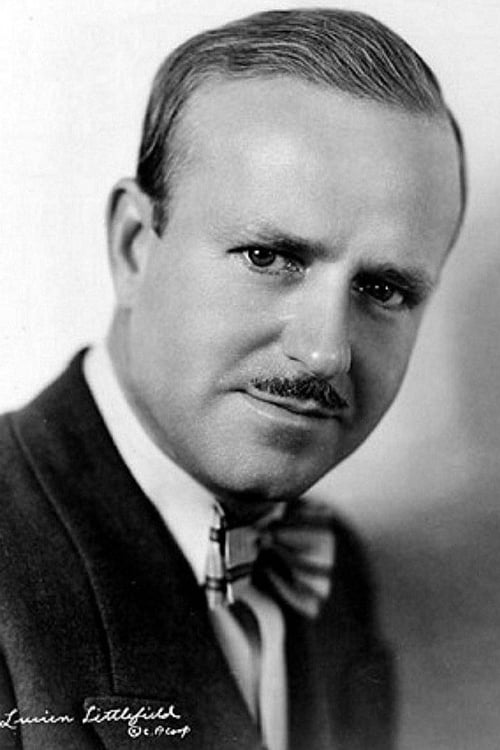
Lucien Littlefield appears with Cary Grant in 3 films held here: Devil and the Deep (1932) as Shopkeeper (uncredited); Kiss and Make-Up (1934) as Max Pascal; Thirty Day Princess (1934) as Parker.
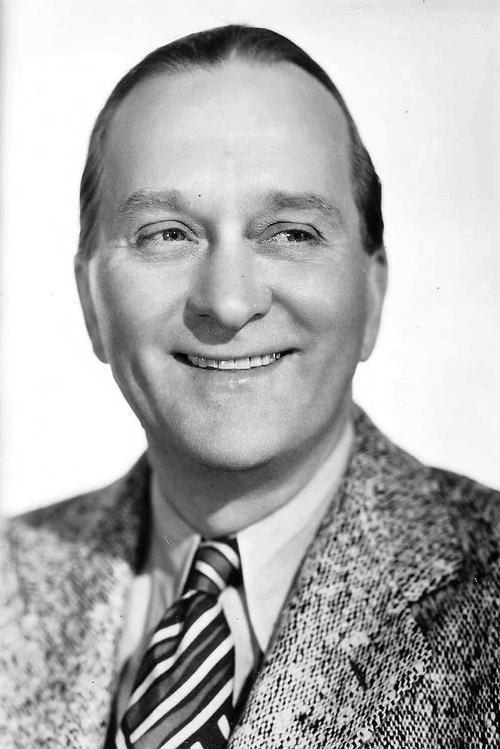
Lynne Overman appears with Cary Grant in 1 film held here: Enter Madame (1935) as Mr. Farnum.
Margaret Swope appears with Cary Grant in 1 film held here: The Last Outpost (1935) as Nurse Rowland.
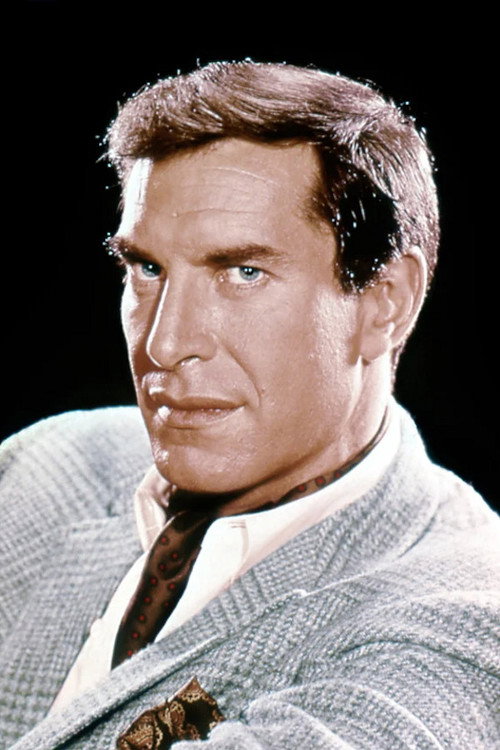
Landau appeared alongside Cary Grant in one film, Alfred Hitchcock's North by Northwest (1959), playing Leonard, the sinister aide to villain Phillip Vandamm (James Mason), in scenes directly opposite Grant's Roger Thornhill. No further collaborations or documented personal relationship beyond this production are recorded.
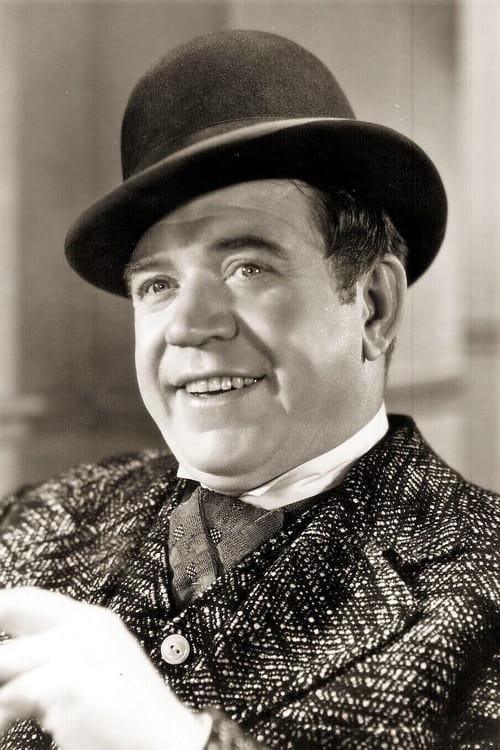
Matt McHugh appears with Cary Grant in 2 films held here: Wings in the Dark (1935) as 1st Mechanic; Holiday (1938) as Taxi Driver (uncredited).
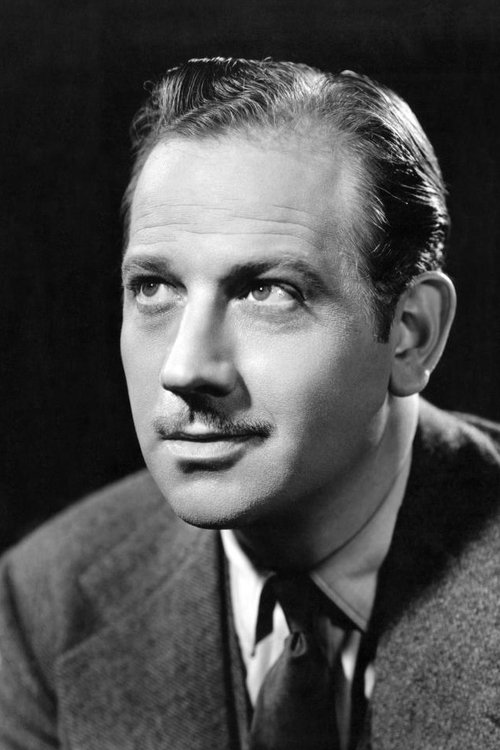
Melvyn Douglas appears with Cary Grant in 1 film held here: Mr. Blandings Builds His Dream House (1948) as Bill Cole.
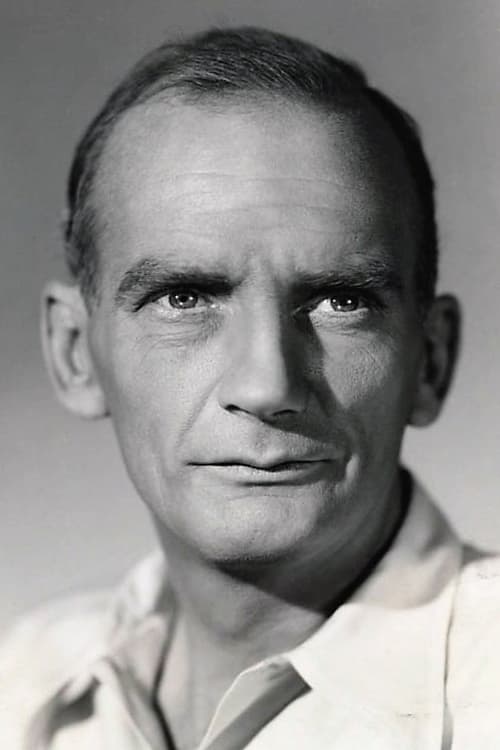
Millard Mitchell appears with Cary Grant in 1 film held here: Singapore Sue (1932) as Second Sailor.

Monty Woolley appears with Cary Grant in 2 films held here: Night and Day (1946) as Monty Woolley; The Bishop's Wife (1947) as Professor Wutheridge.
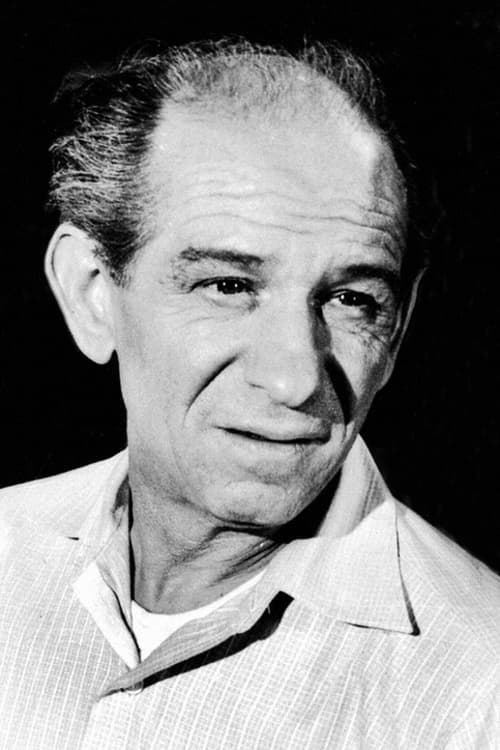
Ned Glass appears with Cary Grant in 2 films held here: North by Northwest (1959) as Ticket Seller (uncredited); Charade (1963) as Leopold Gideon.
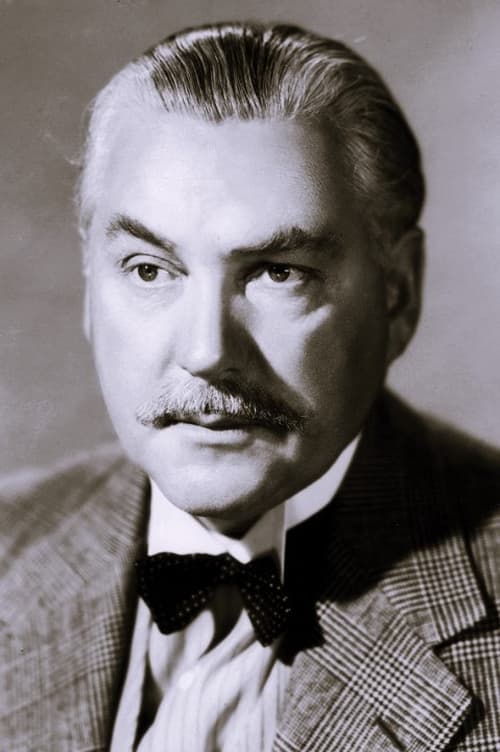
Nigel Bruce appears with Cary Grant in 1 film held here: Suspicion (1941) as Gordon Cochrane 'Beaky' Thwaite.
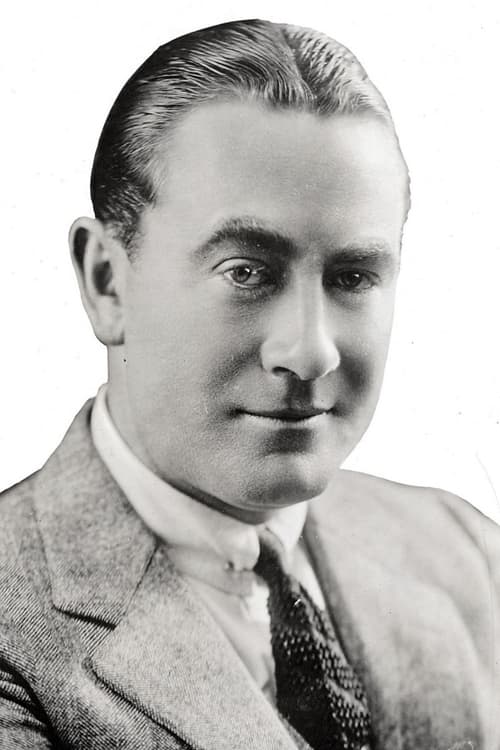
Owen Moore appears with Cary Grant in 1 film held here: She Done Him Wrong (1933) as Chick Clark.
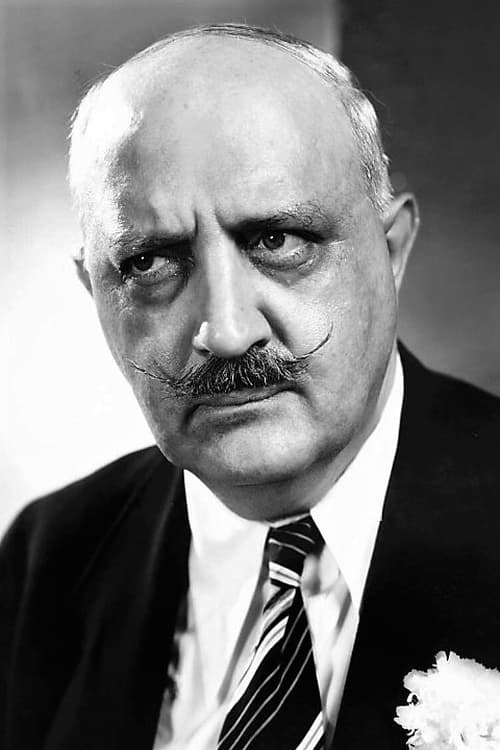
Paul Porcasi appears with Cary Grant in 2 films held here: Devil and the Deep (1932) as Hassan; Enter Madame (1935) as Archimede.
Peter Gawthorne appears with Cary Grant in 1 film held here: The Amazing Quest of Ernest Bliss (1936) as Sir James Alroyd.
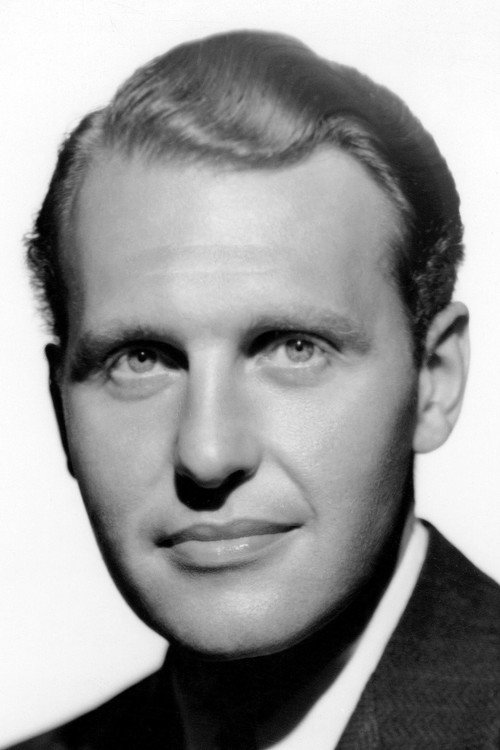
Played the decent rival to Grant's leading man twice: Dan Leeson in The Awful Truth (1937) and Bruce Baldwin in His Girl Friday (1940). The latter film includes the in-joke line in which Grant's character describes Bellamy as looking "like that fellow in the movies — Ralph Bellamy."
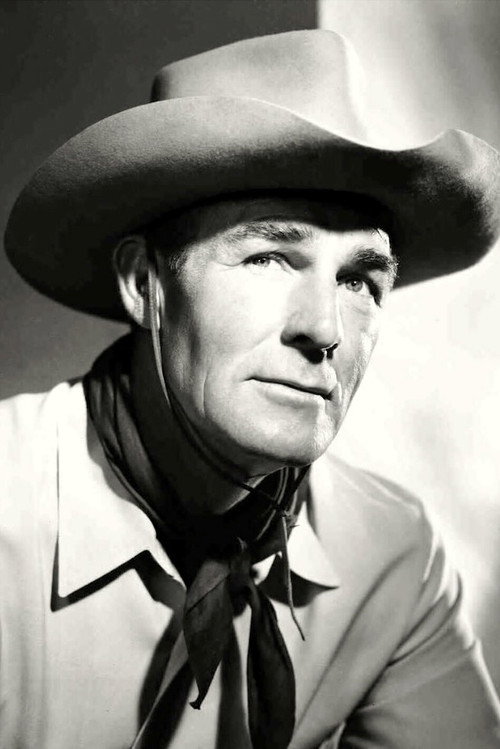
Co-starred with Grant in My Favorite Wife (1940). Separately, the two men shared a Santa Monica beach house on and off for roughly a decade from around 1932. This is the most examined personal arrangement in Grant's biography; the documentary record of its nature is thin, and this archive does not go beyond what is documented.
Reginald Denny appears with Cary Grant in 1 film held here: Mr. Blandings Builds His Dream House (1948) as Simms.
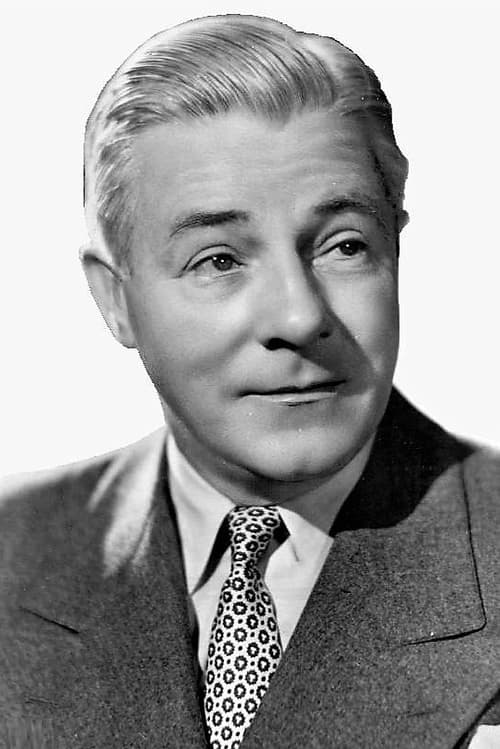
Richard 'Skeets' Gallagher appears with Cary Grant in 2 films held here: Merrily We Go to Hell (1932) as Buck; Alice in Wonderland (1933) as Rabbit.
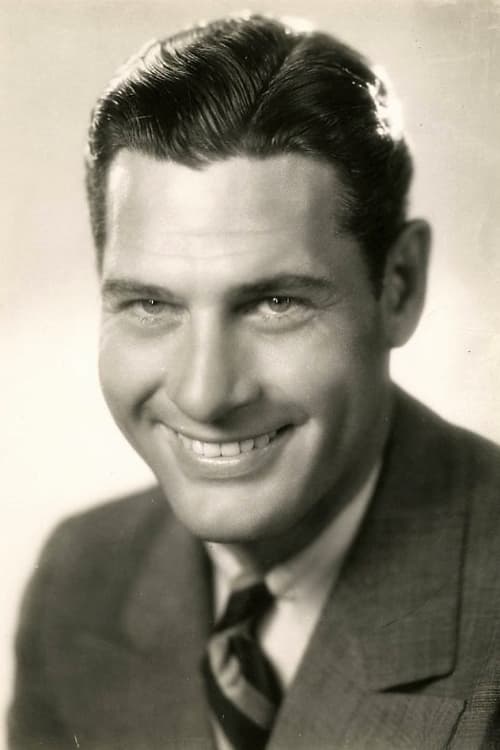
Richard Arlen appears with Cary Grant in 1 film held here: Alice in Wonderland (1933) as Cheshire Cat.
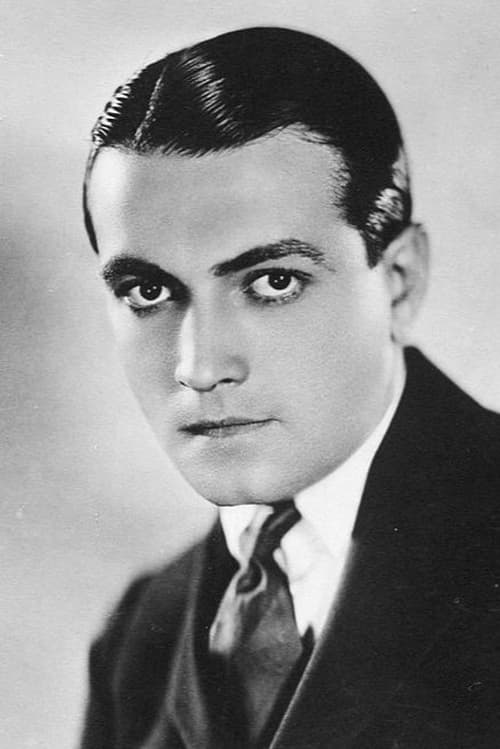
Richard Barthelmess appears with Cary Grant in 1 film held here: Only Angels Have Wings (1939) as Bat MacPherson.
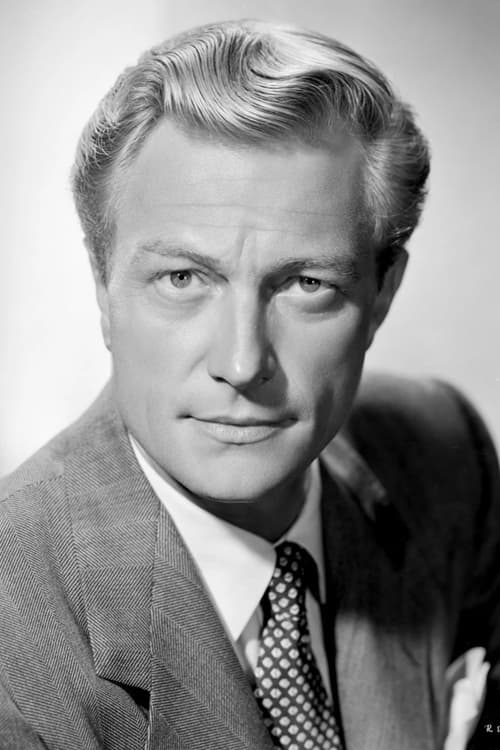
Richard Denning appears with Cary Grant in 1 film held here: An Affair to Remember (1957) as Kenneth Bradley.
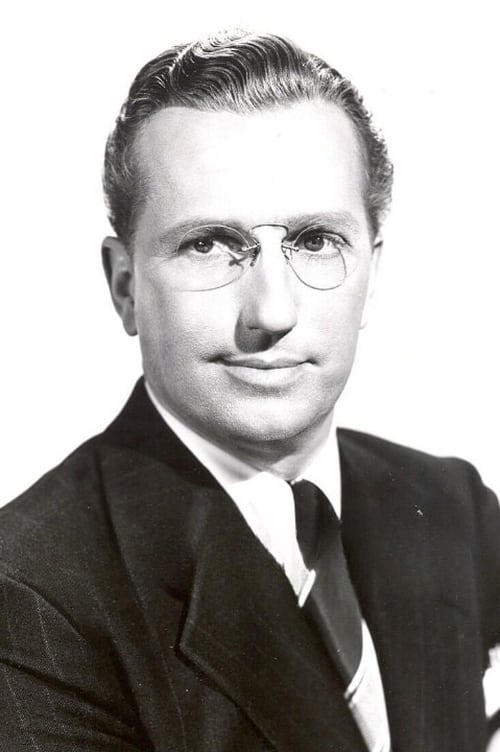
Richard Gaines appears with Cary Grant in 2 films held here: The Howards of Virginia (1940) as Patrick Henry; Every Girl Should Be Married (1948) as Sam McNutt.
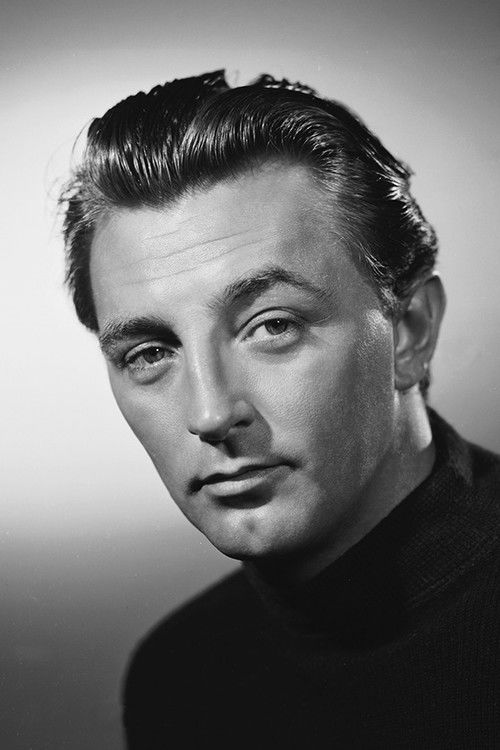
Robert Mitchum appears with Cary Grant in 1 film held here: The Grass Is Greener (1960) as Charles Delacro.
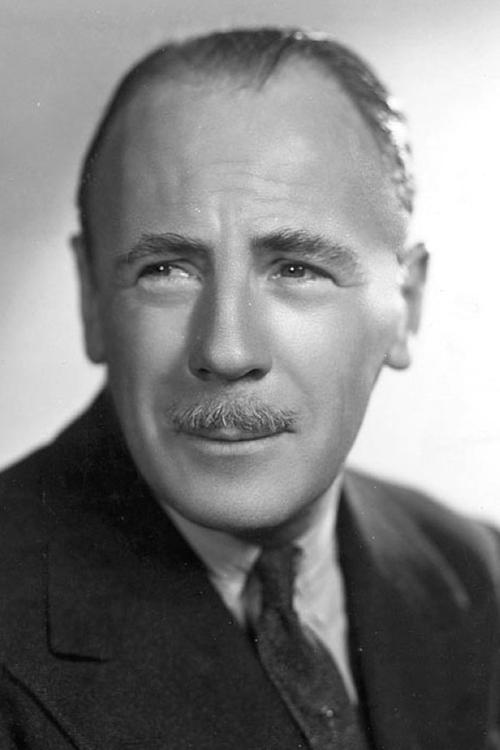
Roland Young appears with Cary Grant in 3 films held here: This Is the Night (1932) as Gerald Gray; Topper (1937) as Cosmo Topper; The Philadelphia Story (1940) as Uncle Willie.
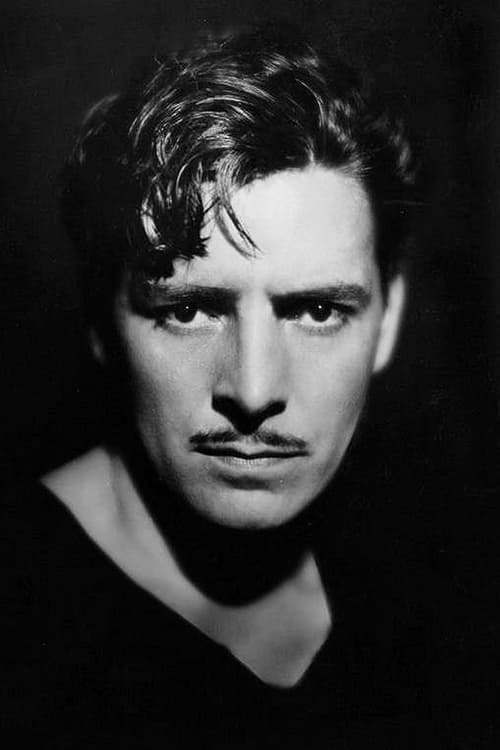
Ronald Colman appears with Cary Grant in 1 film held here: The Talk of the Town (1942) as Michael Lightcap.
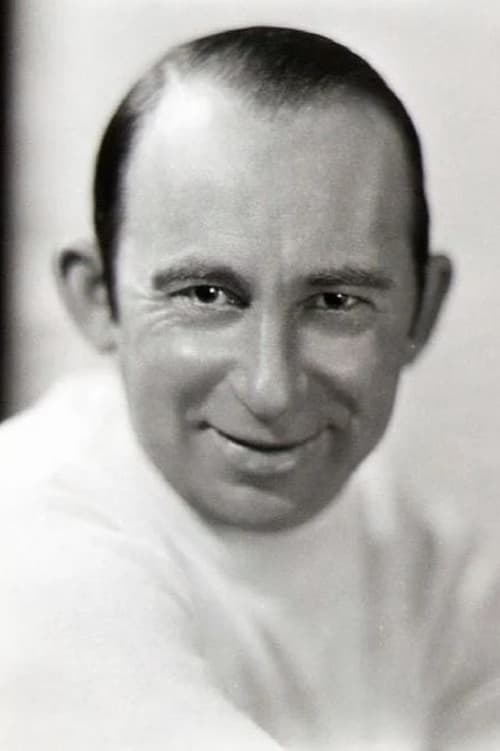
Roscoe Ates appears with Cary Grant in 1 film held here: Alice in Wonderland (1933) as Fish.

Roscoe Karns appears with Cary Grant in 4 films held here: Gambling Ship (1933) as Blooey; Alice in Wonderland (1933) as Tweedledee; Wings in the Dark (1935) as Nick Williams; His Girl Friday (1940) as McCue.
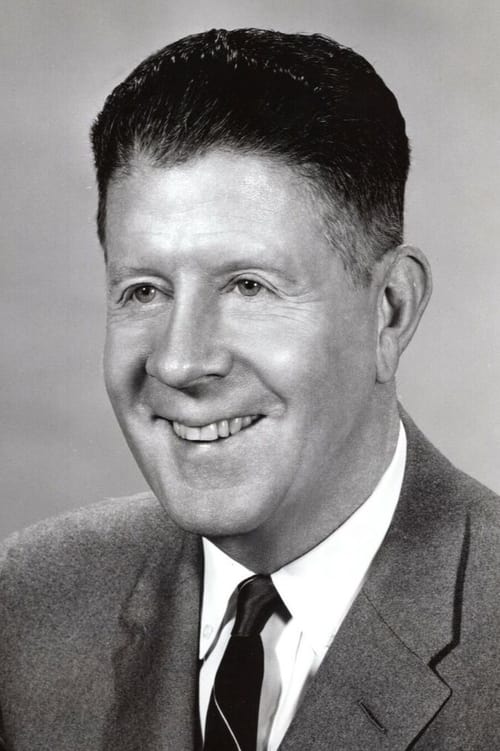
Rudy Vallee appears with Cary Grant in 1 film held here: The Bachelor and the Bobby-Soxer (1947) as Tommy.
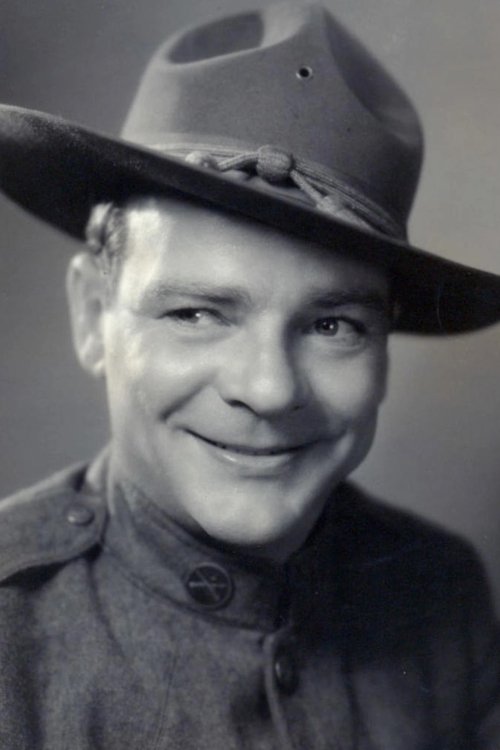
Russell Hopton appears with Cary Grant in 3 films held here: I'm No Angel (1933) as 'Flea' Madigan; Born to Be Bad (1934) as Steve Karns; Wings in the Dark (1935) as Jake Brashear.
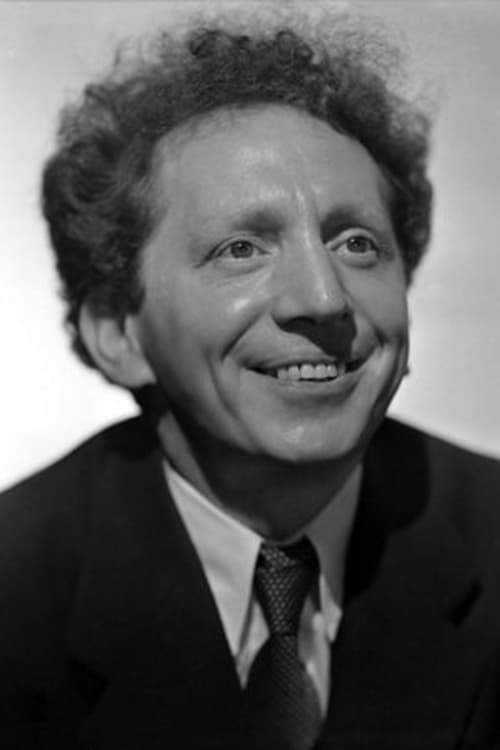
Sam Jaffe appears with Cary Grant in 1 film held here: Gunga Din (1939) as Gunga Din.
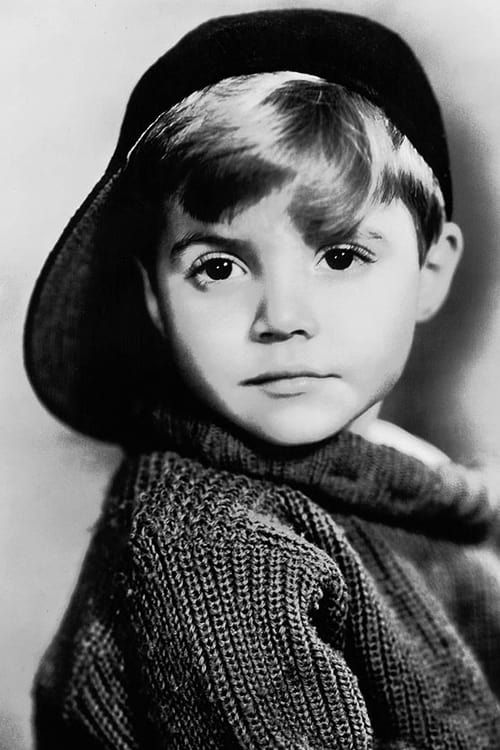
Scotty Beckett appears with Cary Grant in 2 films held here: When You're in Love (1937) as Boy with Dutch Doll; My Favorite Wife (1940) as Tim Arden.

Sig Ruman appears with Cary Grant in 2 films held here: Only Angels Have Wings (1939) as Dutchy; Night and Day (1946) as Wilowski.
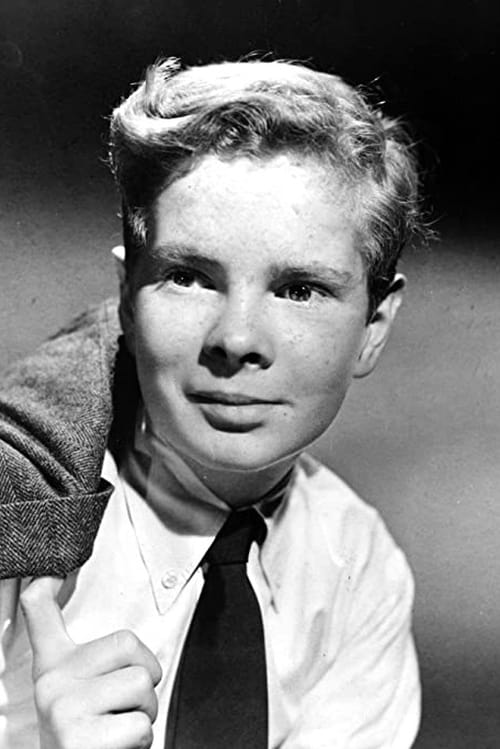
Ted Donaldson appears with Cary Grant in 1 film held here: Once Upon a Time (1944) as Arthur "Pinky" Thompson.
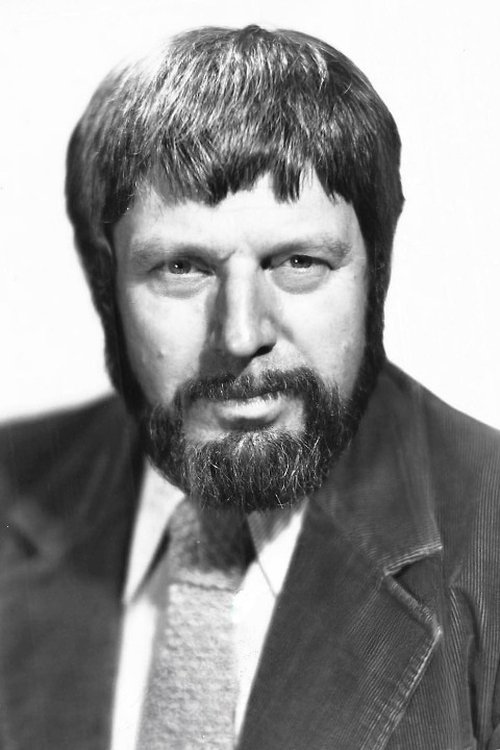
Theodore Bikel appears with Cary Grant in 1 film held here: The Pride and the Passion (1957) as General Jouvet.

Thomas Mitchell appears with Cary Grant in 2 films held here: When You're in Love (1937) as Hank Miller; Only Angels Have Wings (1939) as Kid Dabb.
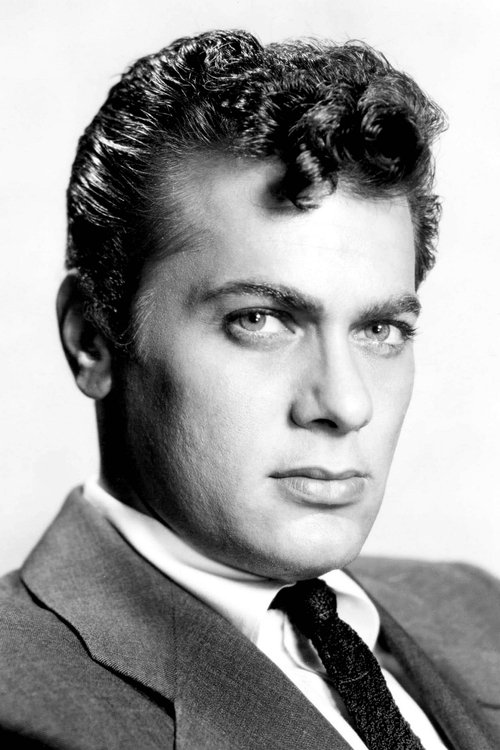
Co-starred with Grant in Operation Petticoat (1959). Curtis's impersonation of Grant's voice in Some Like It Hot (1959) remains the most famous imitation of Grant ever performed; Grant's reported response was that he did not talk like that. Curtis credited Grant as a direct influence on his own self-invented persona.
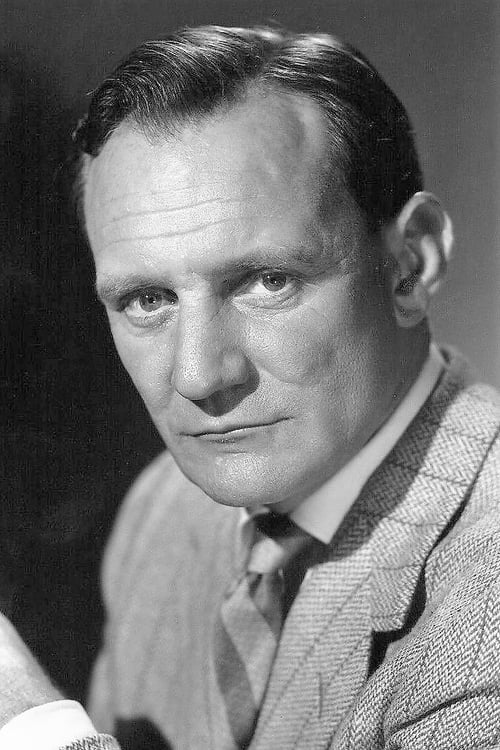
Trevor Howard appears with Cary Grant in 1 film held here: Father Goose (1964) as Commander Frank Houghton.

Victor McLaglen appears with Cary Grant in 1 film held here: Gunga Din (1939) as MacChesney.
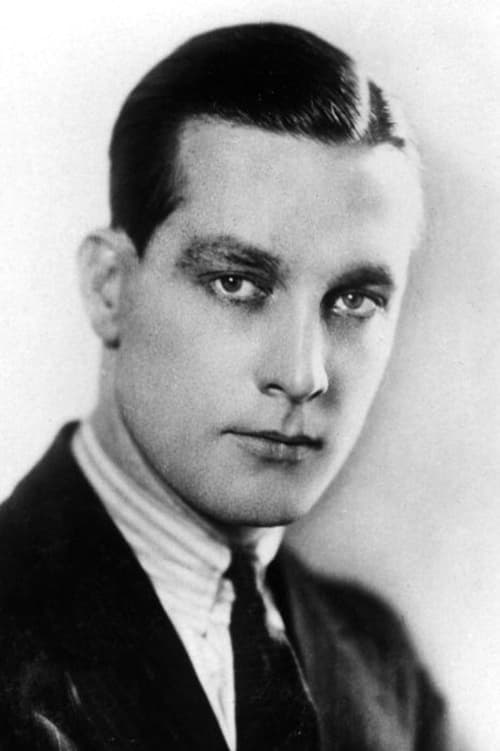
Walter Byron appears with Cary Grant in 2 films held here: Sinners in the Sun (1932) as Eric Nelson; Once Upon a Honeymoon (1942) as Guard (uncredited).

Walter Catlett appears with Cary Grant in 1 film held here: Bringing Up Baby (1938) as Slocum.
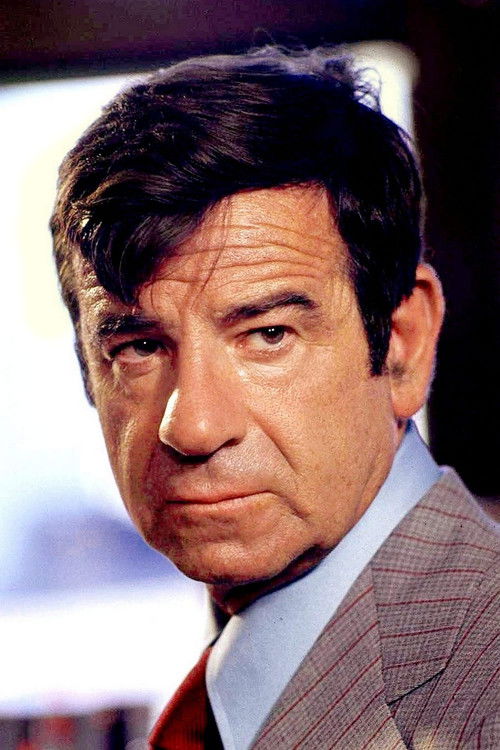
Played Hamilton Bartholomew (Alexander Dyle) in Charade (1963), a supporting role opposite Grant and Audrey Hepburn built around a late reveal of the character's true, duplicitous identity. No other collaboration with Grant is documented.

Walter Pidgeon appears with Cary Grant in 2 films held here: Big Brown Eyes (1936) as Richard Morey; Dream Wife (1953) as Walter McBride.

Walter Slezak appears with Cary Grant in 2 films held here: Once Upon a Honeymoon (1942) as Baron Franz Von Luber; People Will Talk (1951) as Barker.
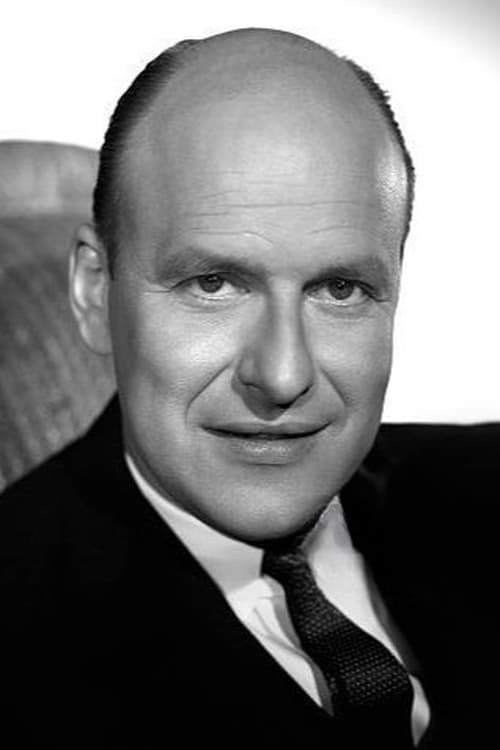
Werner Klemperer appears with Cary Grant in 2 films held here: Kiss Them for Me (1957) as Lt. Walter Wallace; Houseboat (1958) as Harold Messner.
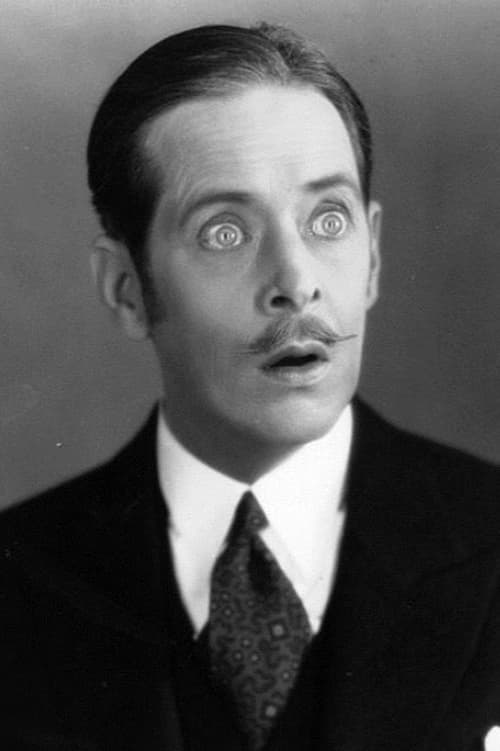
William Austin appears with Cary Grant in 1 film held here: Alice in Wonderland (1933) as Gryphon.
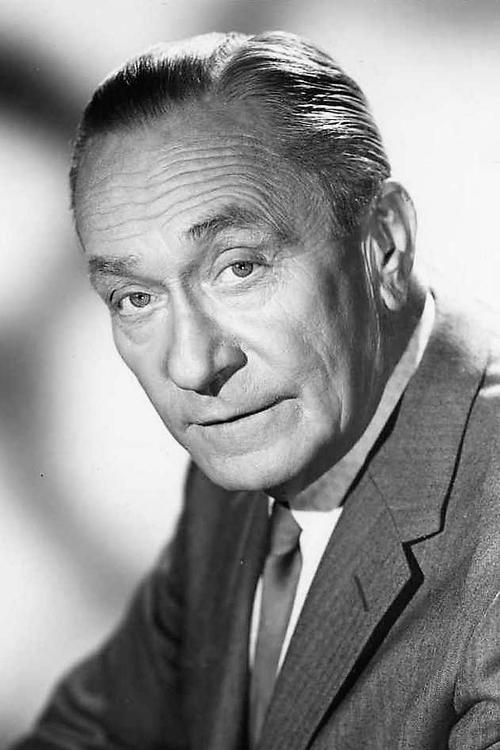
William Demarest appears with Cary Grant in 2 films held here: Wedding Present (1936) as 'Smiles' Benson; Once Upon a Time (1944) as Brandt.
Writers, Craft and Business
Screenwriters, designers, composers and the agent who changed the industry.
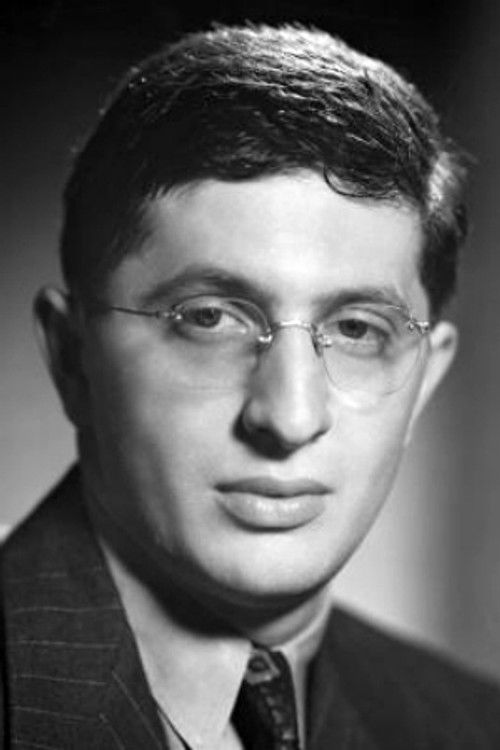
Herrmann composed the score for North by Northwest (1959), his one collaboration with Cary Grant. His fandango-rhythmed main title, in 3/4 time, sets the film's tone of urbane danger before the first frame of action, and his cues throughout — including the suspense writing for the Mount Rushmore and crop-duster sequences — are regarded among his most tightly constructed work for Hitchcock.
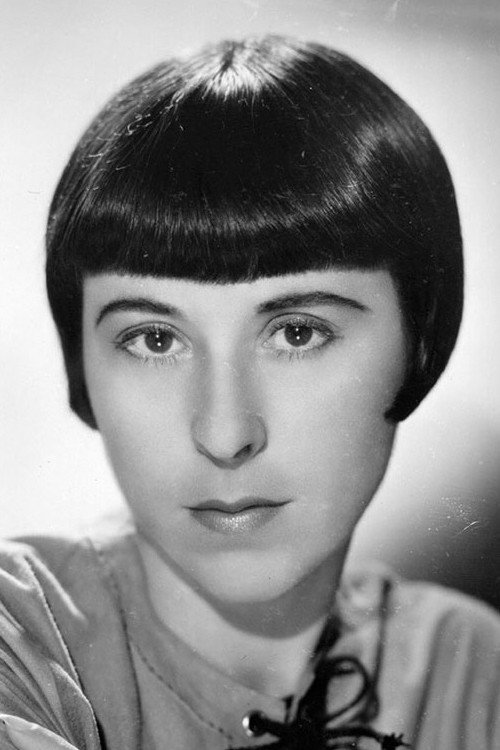
Edith Head designed the costumes for "To Catch a Thief" (1955), dressing both Grant and Grace Kelly for Alfred Hitchcock at Paramount, including Kelly's gold lamé gown for the fireworks scene. She also designed the costumes for "Houseboat" (1958), Grant's comedy opposite Sophia Loren. The two films represent her direct professional collaboration with Grant during his Paramount years.
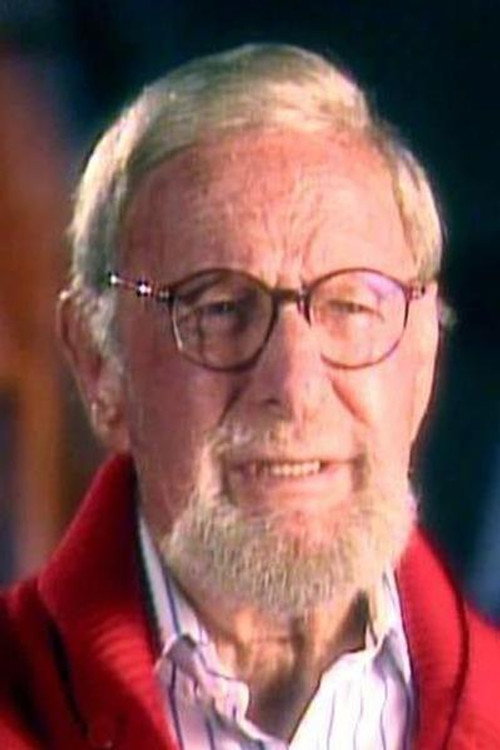
Ernest Lehman wrote "North by Northwest" (1959) directly for Cary Grant and Alfred Hitchcock, an original screenplay commissioned after Hitchcock told Lehman he wanted to make "the Hitchcock picture to end all Hitchcock pictures." It remains the only film Lehman and Grant made together.
Frank Vincent was Cary Grant's boyhood friend from Bristol, who emigrated with him as part of Bob Pender's troupe in 1920. He later became Grant's Hollywood agent and, in 1936, advised him against renewing his exclusive Paramount contract, steering him instead toward the non-exclusive Columbia and RKO deals that made Grant the first major freelance star.
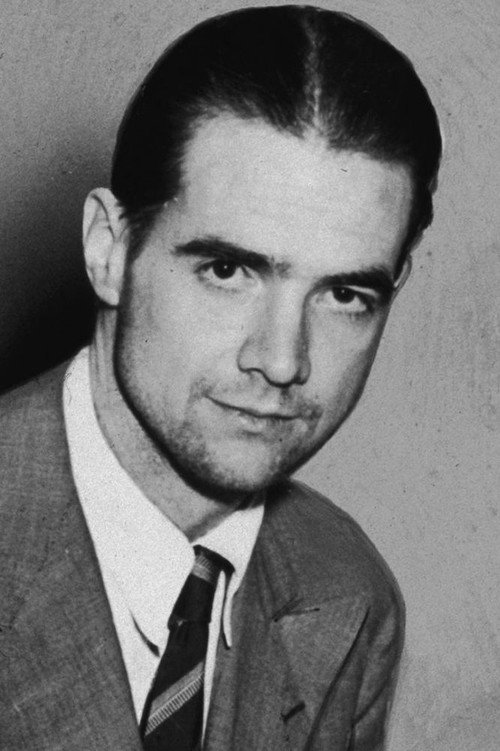
Howard Hughes was a close personal friend of Cary Grant from the 1930s onward, bonded by shared aviation interests; RKO, which Hughes owned from 1948, produced several Grant films of that period. In January 1947 the two men were mistakenly reported dead after their private flight lost radio contact, an episode Grant later recounted to the columnist Hedda Hopper.
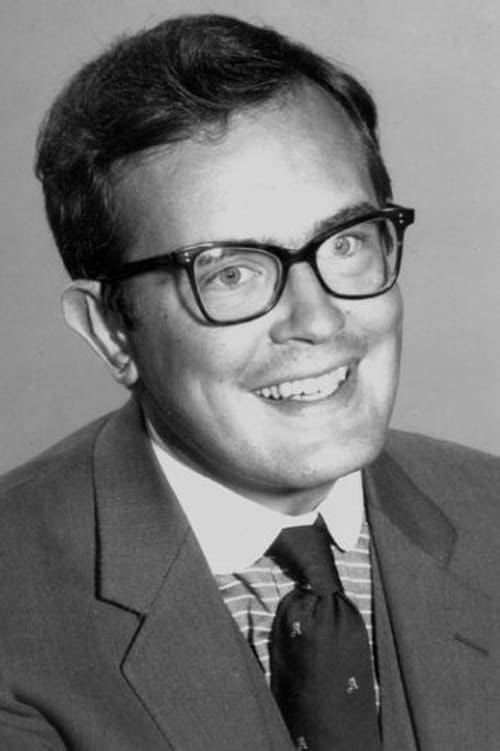
Jack Good appears with Cary Grant in 1 film held here: Father Goose (1964) as Lieutenant Stebbings.
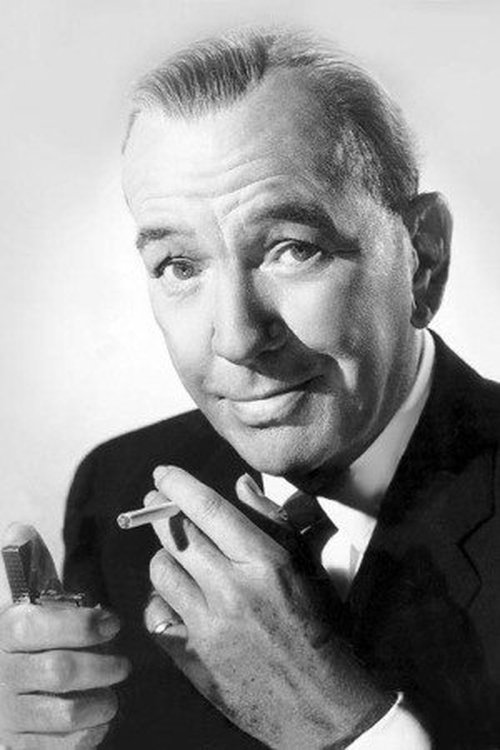
A personal friend of Grant's for decades, not a professional collaborator on any film together. Biographers frequently compare Coward's self-constructed transatlantic manner and modest Teddington origins to Grant's own reinvention from working-class Bristol.
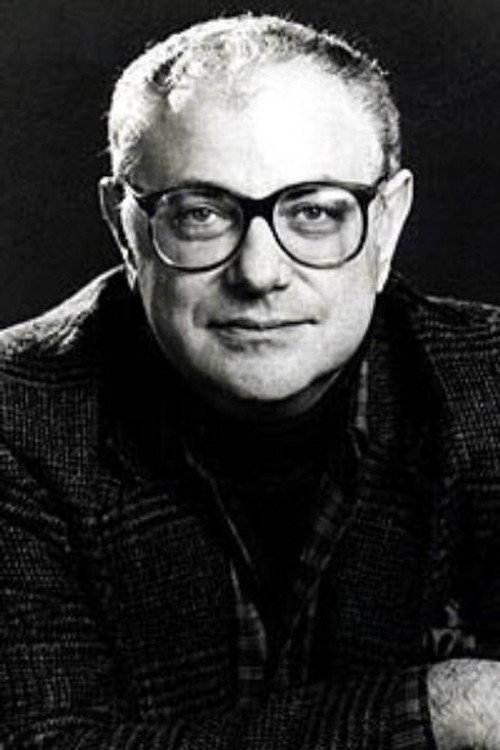
Wrote Charade (1963) and Father Goose (1964) for Grant, the latter earning Stone the Academy Award for Best Original Screenplay. Both scripts consciously played against Grant's polished image, addressing his age directly in Charade and casting him as unkempt and unglamorous in Father Goose.
Photographed Grant in two Hitchcock films: To Catch a Thief (1955), which won Burks the Academy Award for Best Cinematography, and North by Northwest (1959). No relationship beyond this professional collaboration is documented.